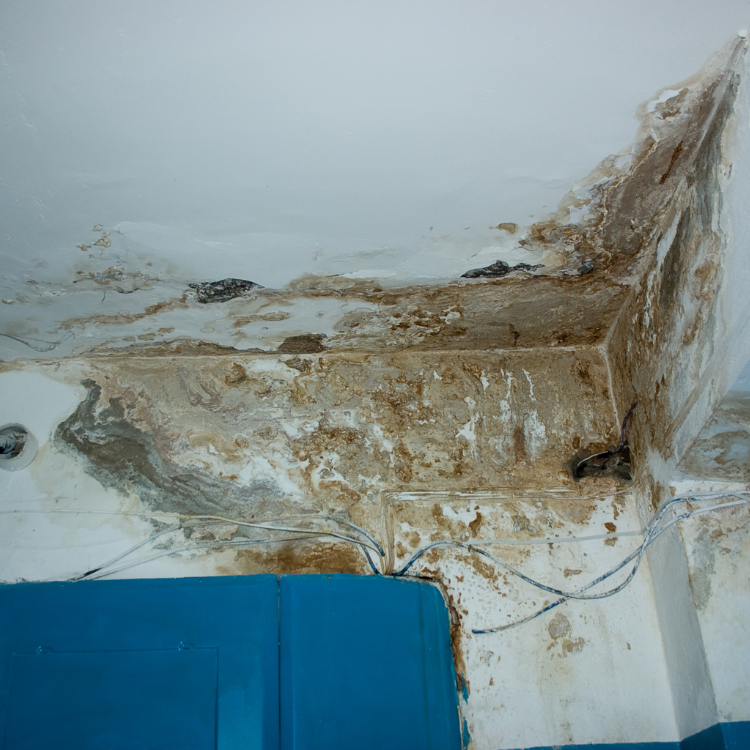
If you suspect a leak under your slab, Casto Leak Detection helps you get clarity fast. This guide explains the signs homeowners in Richardson, Texas commonly notice, what to check before service, and how professional leak detection can help protect your home from hidden water damage.
Last week, you notice your water bill creeping up, but no faucet is running. Then you spot a faint damp area near a baseboard, or a room feels warmer or mustier than the rest. In a home with a concrete slab, that combination can be more than “normal humidity.”
Instead of guessing where the water is going, you need a practical way to narrow down the cause. This guide walks you through the most common slab leak warning signs, what to check first, and what a leak detection process usually looks for hidden water damage in Richardson, Texas.
- Quick answer
- What to check first
- Main things customers should understand
- Why this matters in Richardson, Texas
- Common mistakes to avoid
- Customer checklist
- Frequently asked questions
Quick Answer
If you suspect a slab leak, start by checking for visible signs (damp flooring, recurring moisture, or a noticeable drop in water pressure) and by confirming whether your water usage changes when everything is turned off. If the meter still moves, treat it as a real plumbing leak until proven otherwise. For hidden water damage under a slab, the most reliable next step is professional plumbing leak detection so the source can be located accurately. Casto Leak Detection can help you identify the issue in Richardson, Texas before the damage spreads.
What to Check First
Before calling for slab leak detection, you can gather a few clues that help narrow the problem. Start with the basics: check your water meter when no fixtures are running, look for moisture around baseboards and under windows, and pay attention to any new musty odors. If you have access to shutoffs, note whether the leak seems to change when you isolate sections of plumbing. These steps do not replace leak detection, but they help you avoid chasing the wrong area.
1) Watch the meter
If water is not being used and the meter still registers movement, that is a strong indicator of an active leak somewhere in the system.
2) Scan for “quiet” moisture
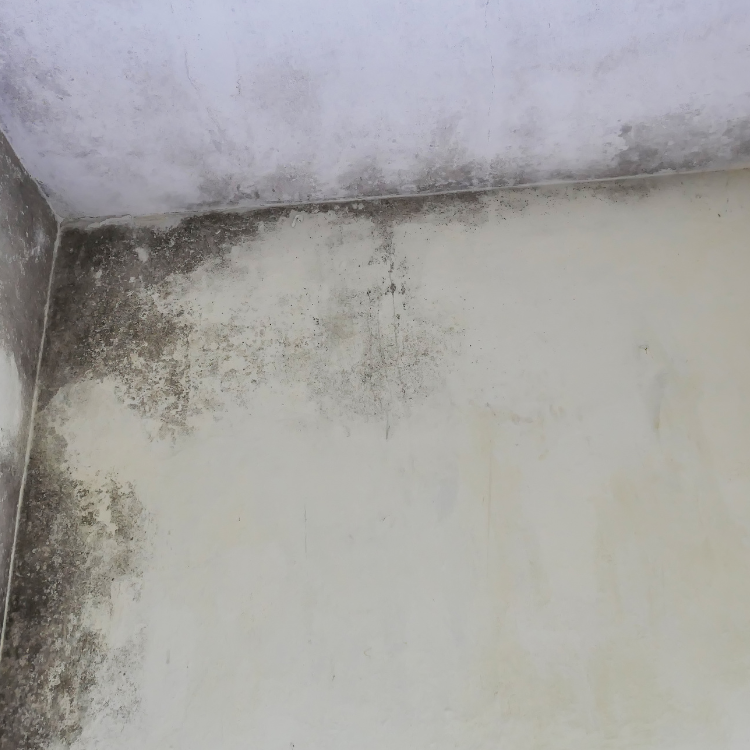
Look for recurring dampness, discoloration, or soft spots near walls that sit over plumbing runs.
3) Check water pressure changes
Sudden drops, inconsistent pressure, or frequent cycling can point to a leak or a pressure-related issue.
Main Things Customers Should Understand
Slab leaks are tricky because the water can travel underground before you ever see it. In many Richardson-area homes, copper or plumbing lines run beneath the concrete, and even a small leak can cause moisture to migrate into flooring materials, drywall, or the surrounding soil. That is why “where you see the damage” is not always “where the leak is.” A professional approach focuses on locating the source precisely so repairs are targeted rather than disruptive.
Professional observation: Hidden water often shows up as patterns. Baseboard staining, persistent damp smells, or repeated wetness in the same zone usually means the leak is feeding that area, not that the surface damage is the original problem.
What leak detection typically tries to answer
During slab leak detection, the goal is to answer three homeowner questions: Is there an active leak? Where is it likely located under the slab? And what type of plumbing issue is most consistent with the signs you are seeing? A careful process may include listening for leak activity, checking system behavior, and using methods that help narrow down the problem location so repairs can be planned with less guesswork.
Customer-focused tip: If you have both water-use concerns and sewer-related issues, do not assume they are the same problem. Plumbing leak detection is about isolating the source, and sewer line repair is a separate service path.
Why this matters in Richardson, Texas
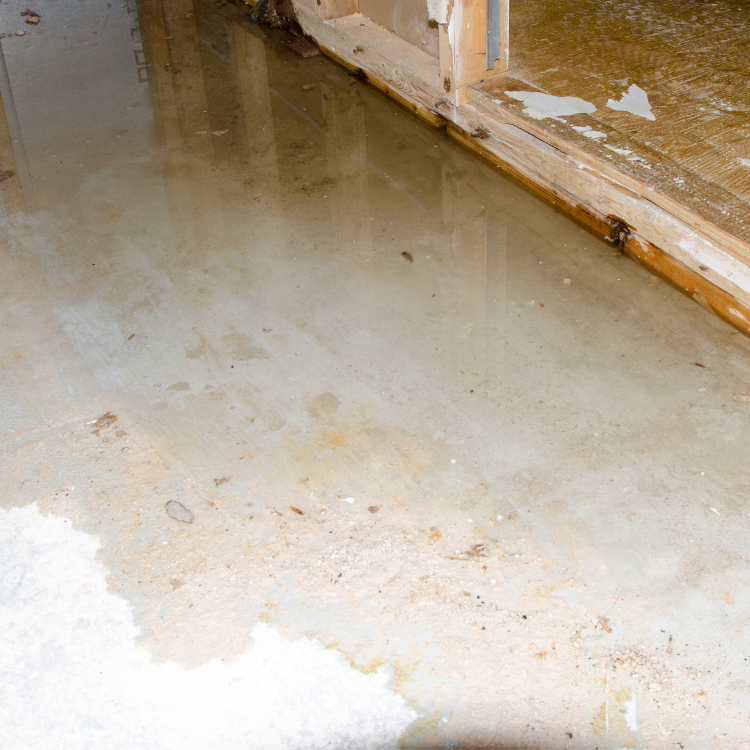
In Richardson, Texas homes, slab foundations are common, and homeowners often notice symptoms during seasonal transitions. Temperature swings and shifting moisture around the foundation can make existing leaks easier to detect as dampness becomes more noticeable. If you have hardwood, tile, or carpet over slab areas, trapped moisture can also show up as swelling, lingering odors, or discoloration over time. The sooner the leak source is identified, the better your odds of minimizing hidden water damage.
| What you notice | What it can mean | What to do next |
|---|---|---|
| Water bill increases without obvious use | Possible active leak in the water supply | Confirm meter movement with fixtures off, then plan plumbing leak detection |
| Damp baseboards or recurring moisture in the same room | Water migrating from under the slab | Document where it appears and request targeted slab leak detection |
| Slow drains, gurgling, or sewage odors | Potential sewer line issue (separate from slab water leaks) | Consider sewer line repair and related services based on symptoms |
| Water heater problems alongside moisture concerns | Could be unrelated plumbing issues or multiple issues at once | Address the water heater service needs separately while investigating hidden leaks |
Need slab leak detection near Richardson?
If you suspect hidden water damage under your concrete slab, contacting Casto Leak Detection is a practical way to move from uncertainty to a clear plan. Share what you are seeing, and we can help you figure out the next best step.
Call Casto Leak Detection at (972) 212-4126Common Mistakes to Avoid
Homeowners often lose time (and sometimes money) by acting on assumptions. The biggest mistake is treating the visible symptom as the leak location. Another common issue is waiting until there is obvious structural damage, even though moisture can spread under flooring and behind finishes. You can also end up paying for the wrong service if you do not separate water supply leaks from sewer line problems. Finally, DIY attempts like turning off sections without a clear plan can hide the evidence you need for accurate detection.
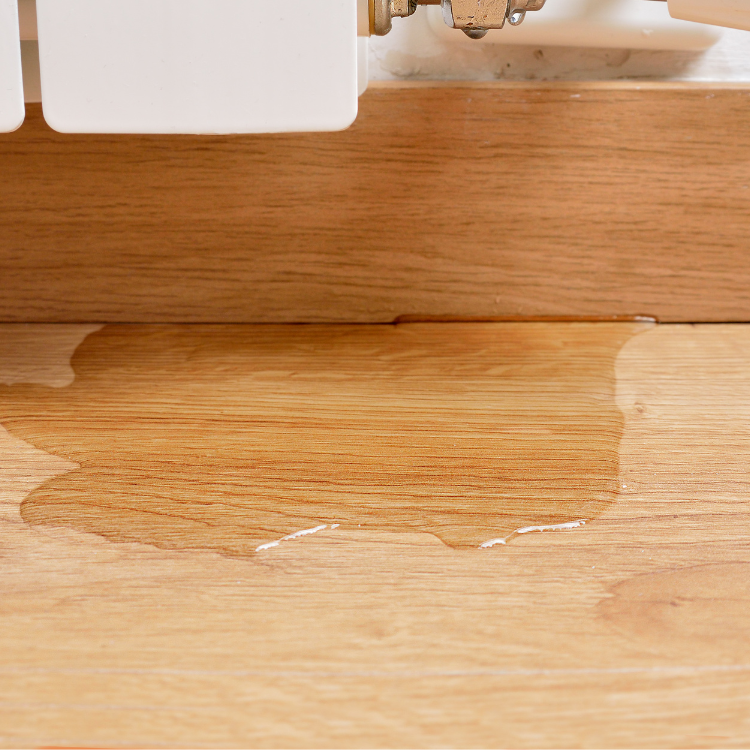
- Assuming the damp spot is the source. Water can travel before it shows up on the surface.
- Ignoring meter movement. If the meter changes with everything off, investigate immediately.
- Mixing up water leaks and sewer issues. Sewer odors and slow drains often point to different plumbing systems.
- Delaying until finishes fail. Moisture can damage flooring and materials faster than many people expect.
- Trying patchwork repairs without locating the leak. Targeted detection helps avoid repeating the same problem.
Customer Checklist
Use this quick checklist to stay organized when you are preparing for slab leak detection. It helps you communicate symptoms clearly and gives the technician the details needed to narrow the cause efficiently.
- Record the date and time you first noticed dampness, odor, or unusual water use.
- Confirm meter movement while all fixtures are off for a short test window.
- Note the exact areas where moisture appears (room, wall, near vents, or baseboards).
- Check water pressure changes and whether the problem is steady or intermittent.
- List any related plumbing symptoms such as slow drains or sewer odors.
- Bring water heater details if you have issues there too, so the scope is clear.
Representative scenario (what this can look like)
A Richardson homeowner notices their carpet near a hallway wall feels slightly damp and the water meter shows movement even when the house is quiet. After basic checks, they realize the moisture appears consistently in the same zone and does not match any obvious faucet or toilet issue. Instead of pulling up flooring blindly, they request plumbing leak detection to locate the likely source under the slab. Once the location is confirmed, the repair plan can be targeted to the area feeding the moisture.
Frequently Asked Questions
How can I tell if I have a slab leak versus condensation?
Condensation usually follows humidity patterns and tends to appear where warm, moist air meets cooler surfaces. A slab leak is more likely when you see recurring dampness in the same area, musty odors that return, or water meter movement when everything is turned off. If your water bill increases without a matching change in usage, treat it as a potential leak. The most practical way to separate these possibilities is to combine simple checks (meter movement and visible signs) with professional plumbing leak detection.
Does slab leak detection mean you have to break up the concrete?
Accurate detection is about finding the leak source first. While the specific repair approach depends on what is found, locating the leak helps avoid unnecessary demolition. In many cases, detection narrows down where the plumbing issue is feeding the moisture so repairs can be planned more precisely. If you are worried about disruption, tell the technician what you have observed and ask how the detection results guide the repair approach.
What if I also have slow drains or sewer odors?
Slow drains and sewer odors point to a different system than a typical water supply slab leak. It is possible to have multiple plumbing problems in the same home, but they require different diagnosis paths. If you are dealing with both hidden moisture and drainage concerns, describe both sets of symptoms so the scope is clear. You may need sewer line repair in addition to slab leak detection, depending on what the investigation shows.
Can a water heater issue cause hidden water damage?
Yes, water heater problems can create leaks, but they are usually not the same as water under the slab. If you have water heater replacement or repair needs, it should be addressed as its own plumbing concern. Still, if your meter shows movement and you are seeing dampness in slab areas, that suggests there may be more than one issue. A clear, step-by-step diagnosis helps keep repairs targeted instead of guessing.
Should I shut off my water if I suspect a slab leak?
If you suspect an active leak and you are seeing moisture, shutting off the water can reduce ongoing damage while you arrange detection. That said, avoid making changes that remove useful clues before you can describe them. If possible, note what happens when you shut off water or isolate sections. Then contact Casto Leak Detection so the team can determine the most likely leak location and next steps for repair.
Get clarity for hidden water damage
When slab leaks are involved, time matters because moisture can spread under finishes. Casto Leak Detection serves Richardson, Texas and nearby areas like Collin County and Far North Dallas, helping homeowners move from symptoms to a confirmed source.
Visit Casto Leak Detection
Casto Leak Detection provides plumbing leak detection to help homeowners identify hidden water problems. Serving Richardson, Texas and nearby areas including Collin County and Far North Dallas, the focus is on accurate diagnosis and practical next steps for slab leak detection and related plumbing concerns.
If you are also dealing with other plumbing issues, you can explore services like plumbing leak detection, water heater repair, and sewer line repair.