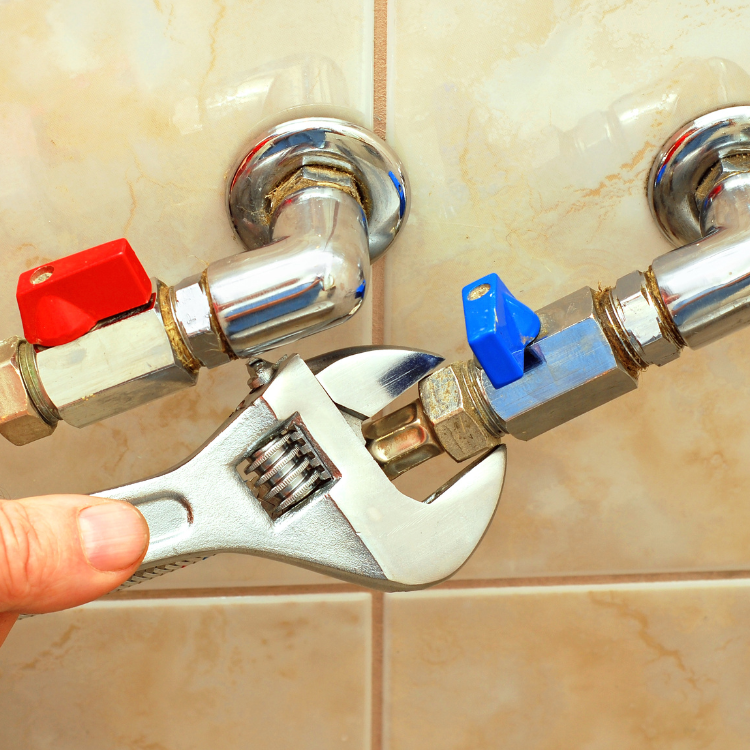
Signs and Symptoms of a Slab Leak Detection
If you live in Richardson, Texas and suspect water is escaping underground, slab leak detection can help you pinpoint the problem before it turns into bigger repairs. This guide breaks down the most common warning signs, what to check at home, and when to call a pro for water leak detector troubleshooting and plumbing leak detection.
Your irrigation system is running less often, but your water bill keeps creeping up. Or maybe you hear faint hissing near a wall, and a couple rooms feel noticeably “off” even though nothing obvious is leaking. In Richardson, that combination can be frustrating, because a leak under the foundation is not always visible right away.
Slab leaks can also show up as small clues: recurring damp spots, shifts in floor tile, or plumbing that seems to lose pressure. Below, you will learn how to recognize the signs, what to check first, and how to separate slab leak detection concerns from other plumbing issues such as sewer line repair or water heater problems.
- Quick answer
- What to check first
- Main things customers should understand
- Why this matters in Richardson, Texas
- Common mistakes to avoid
- Customer checklist
- Frequently asked questions
Quick Answer
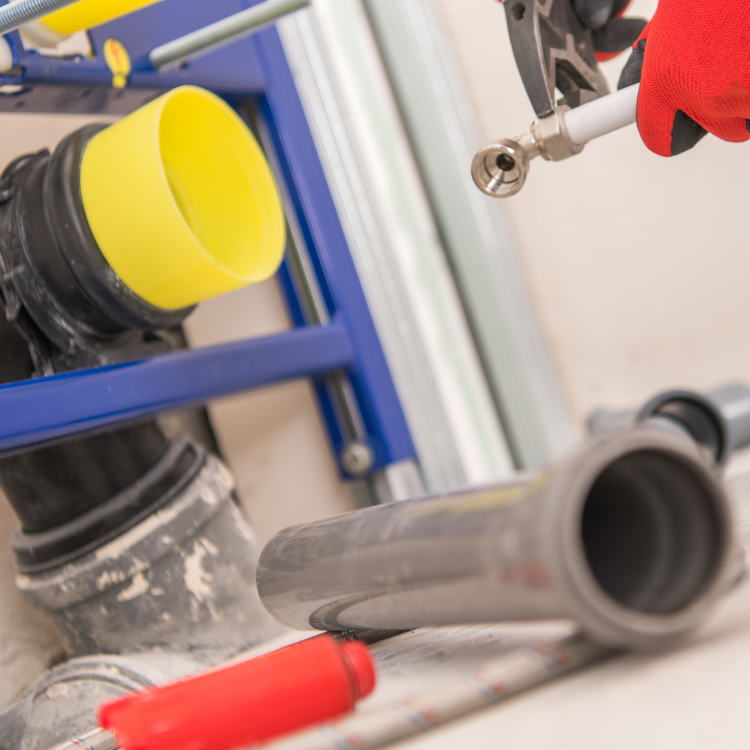
If you suspect a slab leak, look for patterns: unexplained water use, damp areas that return, sudden changes in water pressure, or floor/tile issues that seem to worsen over time. Start by checking for leaks when the house is “at rest,” then inspect for moisture near baseboards and plumbing access points. Because slab leak detection involves locating water movement underground, the most practical next step is to have a professional plumbing leak detection team confirm the source before repairs begin.
What to Check First
Before you call for slab leak detection, you can narrow down the likely cause. These steps are designed to be simple, homeowner-friendly, and useful for a technician’s diagnosis once they arrive.
1) Do a “water at rest” check
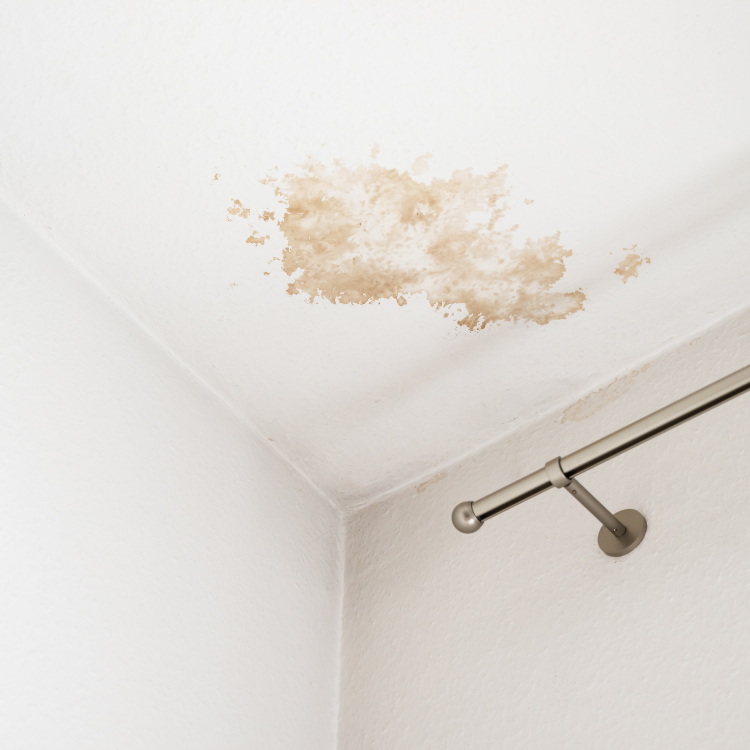
Turn off faucets and avoid running appliances. Then watch your water meter for movement. Meter activity when everything is off is a strong clue that water is escaping somewhere in the system.
2) Scan for repeating moisture
Check baseboards, corners, and any spots that have dried before but come back. Slab leaks can create intermittent dampness that is easy to miss between wet and dry days.
3) Compare pressure and temperature
Notice whether pressure drops in only one area or the whole home. If hot water behavior changes too, that can help point toward a plumbing leak rather than a fixture-specific issue.
Professional observation: When homeowners describe “mysterious moisture” that keeps returning, it is often because the leak is moving through the slab area in bursts or along a route that takes time to show on finishes. That is why a careful water leak detector approach is usually more reliable than chasing visible puddles.
Main Things Customers Should Understand
Slab leak detection is not just about finding a wet spot. It is about identifying where water is traveling under the foundation so repairs address the actual source. Here are the most common symptoms and what they typically mean from a plumbing leak detection perspective.
| Symptom | What it can indicate | What to do next |
|---|---|---|
| Unexplained increase in water usage | Water escaping underground, including slab leaks | Confirm with a water-at-rest meter check, then schedule plumbing leak detection |
| Damp carpet, musty smells, or recurring wet spots | Moisture migrating from below the slab | Document where it appears and when it returns; avoid drying attempts that mask clues |
| Cracks in tile or flooring that seem to worsen | Ground movement related to ongoing water loss | Have the source located promptly to prevent further damage |
| Low water pressure or inconsistent flow | Leak reducing pressure in the supply line | Check whether the issue affects hot and cold or only one area |
| Hissing or bubbling sounds near walls | Pressurized water escaping underground | Note the location and contact a leak detection professional for confirmation |
If you are also dealing with other plumbing concerns, it helps to keep categories separate. For example, sewer line repair problems can cause slow drains and backups, while water heater replacement near me situations usually show up as inconsistent hot water or temperature issues. Slab leak detection focuses on water supply movement under the home.
Local insight: In Richardson and the surrounding Collin County area, many homes sit on slabs built with decades of local soil and weather cycles in mind. When temperatures swing and landscaping routines change, moisture clues can become easier to notice. That is one reason customers often call when they combine “higher usage” with “something feels different” in a room.
Why this matters in Richardson, Texas
Slab leaks can be especially costly when they remain undetected while you troubleshoot other parts of the plumbing system. In Richardson, homeowners commonly notice issues during routine seasonal changes, like when irrigation schedules shift or when indoor humidity rises. If the leak is under the foundation, the moisture can travel farther than you expect before it shows up as a visible problem.
One firsthand-style pattern we often see is this: a customer reports dampness near a wall and a drop in pressure, but they first replace a faucet or tighten a fixture connection. The dampness returns, and the pressure issue persists. That is usually the moment when plumbing leak detection makes sense, because the true source is not at the fixture. Once the source is confirmed, the repair strategy can be targeted instead of trial-and-error.
Need help confirming slab leak detection signs?
If you have recurring moisture, unexplained water use, or pressure changes, Casto Leak Detection can help identify the source so you can plan the right next step.
Call Casto Leak DetectionCommon Mistakes to Avoid
Homeowners typically want to solve the problem quickly. The issue is that slab leak detection requires the right diagnosis, and certain shortcuts can delay repairs or confuse the evidence.
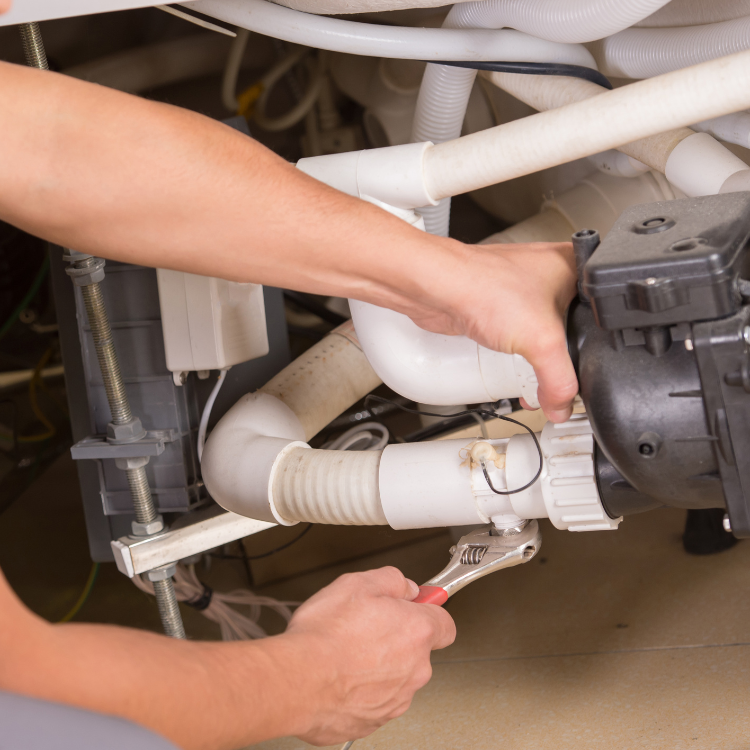
- Assuming it is only a fixture leak. If the water usage rises when no one is using plumbing, the source may be underground.
- Chasing visible puddles without confirming the route. Moisture can migrate, so the “wet spot” may not be the leak point.
- Relying only on a single day of observations. Slab leaks can appear intermittently, especially when water use patterns change.
- Skipping the water-at-rest check. If the meter stays still, you can rule out whole-home leaks and focus your attention.
- Forgetting related systems. If you also suspect sewer line repair near me issues (like slow drains), address those separately so one problem does not mask the other.
Customer Checklist
Use this checklist to prepare for plumbing leak detection. The goal is to make it easier for the technician to confirm whether you need slab leak detection and to narrow down the likely area.
Before the visit: Gather a few details and you will save time during the inspection.
- Record when the issue started (approximate date or week).
- Note any changes in water pressure, hot water performance, or flow consistency.
- Check the water meter during a “no-use” period and write down whether it moves.
- List the rooms or spots with recurring dampness, odors, or visible cracks.
- Confirm whether the issue affects only one area or the entire home.
- Bring any prior repair notes, including recent plumbing leak detection or water heater repair work.
Representative Scenario
A Richardson homeowner noticed that a section of flooring near a plumbing wall began to feel cooler and slightly damp after weekends when the home was mostly quiet. Their water meter showed movement when no fixtures were running. Instead of replacing a valve they could not confirm was the cause, they documented the timing and location of moisture and called for slab leak detection. After the source was identified, the repair plan focused on the underground leak route, which helped prevent additional damage from continued water loss.
Frequently Asked Questions
What does slab leak detection usually confirm?
Slab leak detection typically helps confirm whether water is leaking under the foundation and where the leak route is located relative to the plumbing lines. That matters because slab leaks can create symptoms that show up away from the actual leak point, such as dampness along a wall or changes in floor conditions. A proper diagnosis focuses on locating the source so repairs can target the real problem rather than guessing based on visible moisture alone.
Can I use a water leak detector at home before calling a pro?
A homeowner leak detector can be useful for spotting active leaks in accessible areas, but slab leaks are underground and often do not present obvious wet spots immediately. The most practical first step is usually a water-at-rest meter check to determine whether the home has whole-system water movement when nothing is running. If the meter indicates flow, a professional approach to plumbing leak detection is the next step to confirm the source.
How do I tell slab leak symptoms apart from a sewer line problem?
Slab leak concerns usually show up as unexplained water usage, pressure changes, and moisture near supply plumbing areas. Sewer line repair issues tend to show up as drain problems, slow flow, or backups. If you are seeing slow drains or repeated clogs, you may want to review sewer line repair options separately. If you notice dampness and rising water usage with no drain symptoms, slab leak detection becomes more likely.
Can a water heater issue cause symptoms that look like a slab leak?
Sometimes. Water heater replacement near me searches often come from inconsistent hot water, not from foundation moisture or unexplained meter movement. If you are seeing damp spots or a meter that moves when the house is at rest, that points more toward plumbing leak detection in the supply system. If hot water issues are the primary complaint, it can be helpful to review water heater repair options first, but do not ignore whole-home water usage changes.
Should I stop using water while I wait for detection?
If you suspect a leak is active, it is reasonable to reduce unnecessary water use until the source is confirmed. Avoid running long showers, watering, or unnecessary fixture use that can worsen underground moisture spread. That said, the key is to confirm the leak accurately, because turning off water completely does not identify where the leak is coming from. A technician can use your observations to focus the slab leak detection process.
Get accurate slab leak detection in Richardson
When you are dealing with recurring moisture, pressure changes, or unexplained water use, Casto Leak Detection can help you move from guessing to confirmed results.
Visit Casto Leak DetectionAbout Casto Leak Detection
Casto Leak Detection serves Richardson, Texas and the nearby Collin County and Far North Dallas areas with plumbing leak detection focused on helping homeowners protect their property. We handle water-heater-related plumbing needs and broader underground plumbing concerns, including services such as plumbing leak detection, water heater repair, and sewer line repair. If you are searching for slab leak detection, our goal is to help you identify the source so the repair approach matches the actual problem.

Casto Leak Detection
Plumber serving Richardson, Texas. Call (972) 212-4126 for help with slab leak detection and related plumbing leak concerns.
If your situation also involves other underground plumbing issues, you can explore additional services like sewer line cleaning or gas line installation.