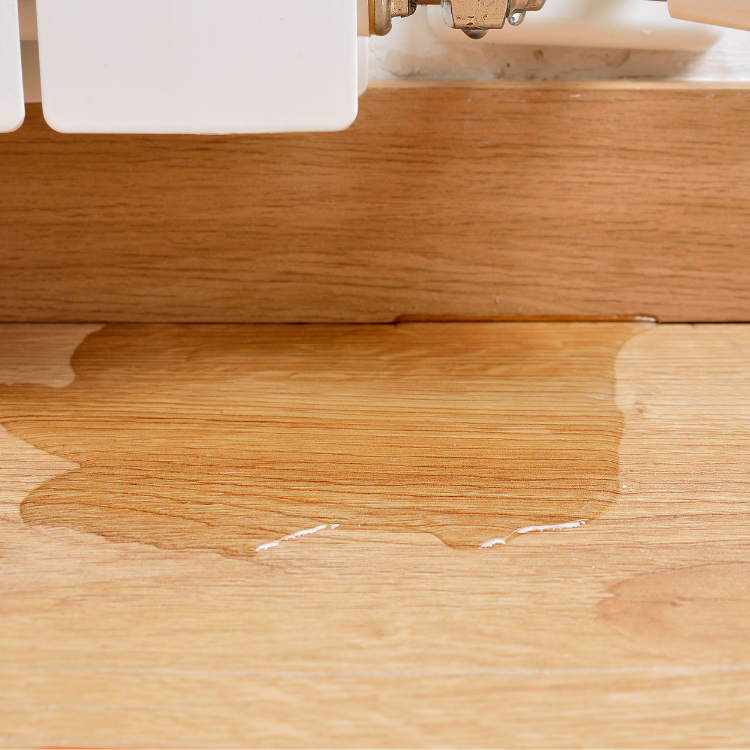
Signs of Hidden Leak Repair Needed in Your Home
If you suspect a leak but cannot see where it’s coming from, the early signs can be easy to miss. This guide helps you spot warning signals, check the most likely areas, and decide when it’s time for professional plumbing leak detection in Richardson, Texas.
Last week, you notice your water bill creeping up, even though your household routine is basically the same. A few rooms feel slightly damp after showers, but there’s no obvious puddle or dripping faucet. You start wondering if it’s something minor, or if a hidden leak is quietly damaging your home’s plumbing system.
This guide will help you identify common signs of hidden water leaks, gas leaks, and drainage problems that can look “mysterious.” You’ll also get a practical checklist you can use today, plus local considerations for homes in Richardson where slabs, older plumbing runs, and irrigation lines can complicate what you see.
- Quick answer
- What to check first
- Main things customers should understand
- Why this matters in Richardson, Texas
- Common mistakes to avoid
- Customer checklist
- Frequently asked questions
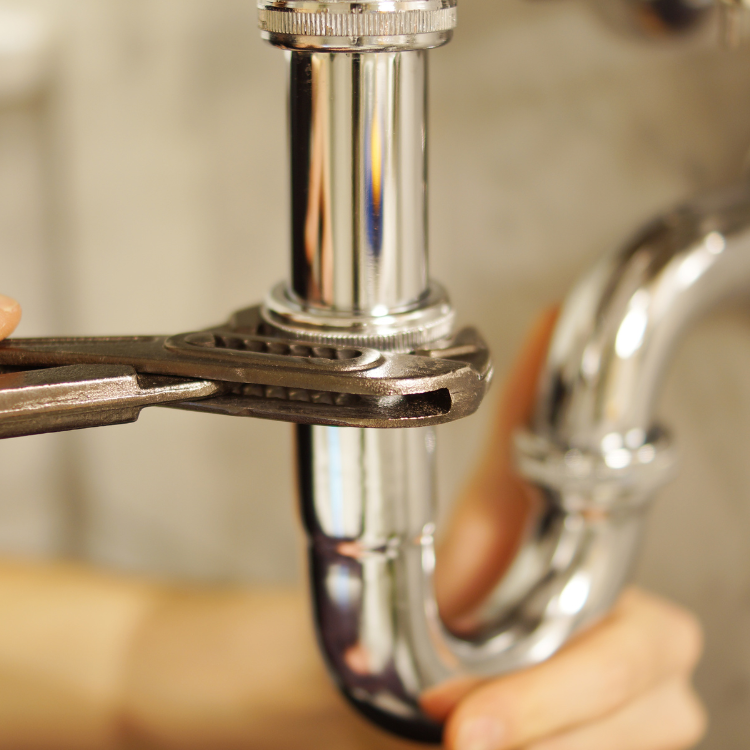
Quick Answer
If you’re seeing higher water usage, recurring damp spots, unexplained odors, or slow-draining fixtures, you likely need leak detection rather than guessing. Start by checking whether water is still running when everyone is away, then inspect visible supply lines, under-sink plumbing, and toilets for hidden seepage. If the problem persists, a professional can pinpoint the source using plumbing leak detection methods and recommend the right repair or replacement. For Richardson homes, quick action helps protect floors, walls, and your foundation from ongoing moisture.
What to Check First
Begin with the simplest clues you can observe safely. Look for patterns: does the issue happen after showers, during irrigation, or overnight? Then verify whether the leak is coming from your water supply or from drainage. A few targeted checks often narrow the search enough to avoid unnecessary repairs.
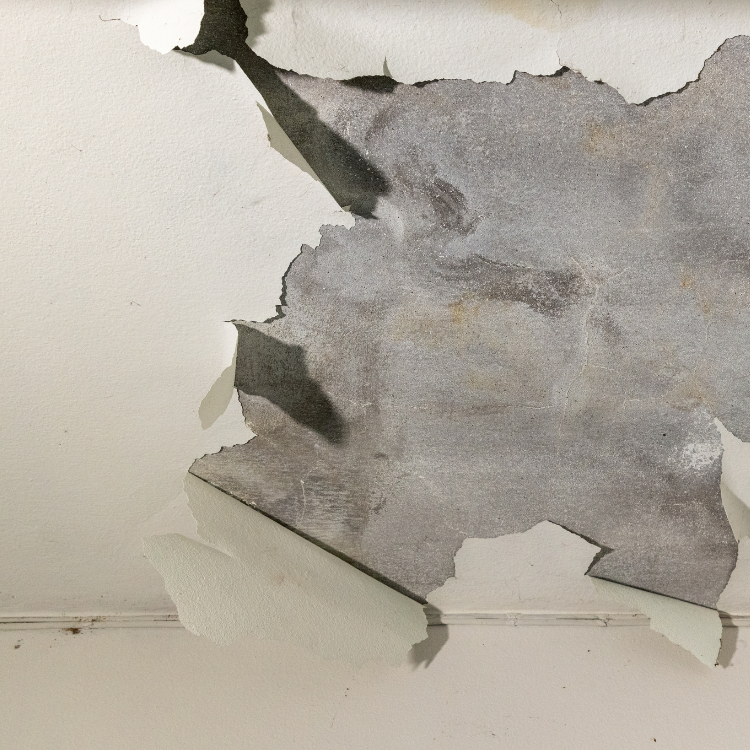
Water-related clues
- Water meter activity when no fixtures are in use
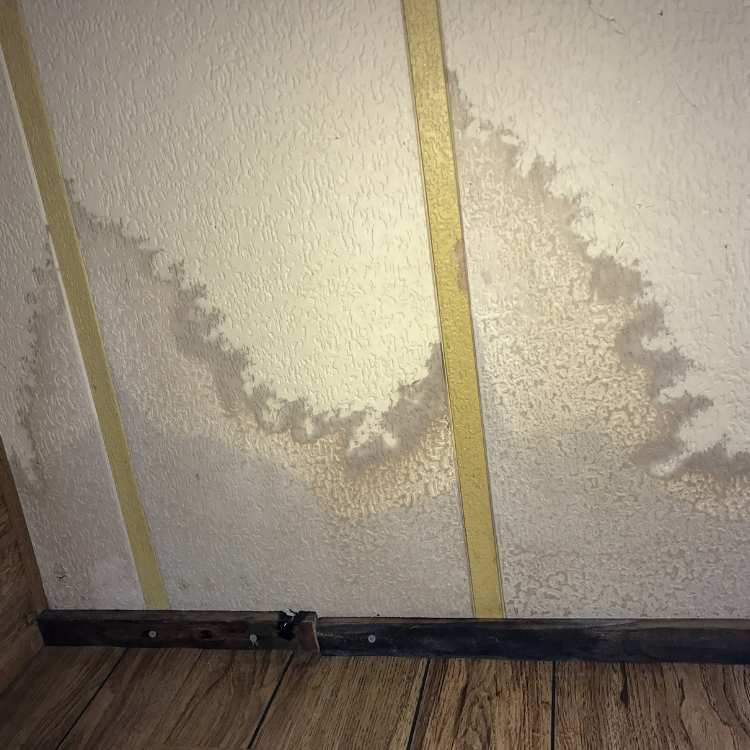
- Warm or damp drywall, baseboards, or ceiling stains
- Toilets that run intermittently or “ghost flush”
Drainage-related clues
- Slow drains, gurgling, or recurring clogs
- Foul odors near drains or laundry areas
- Backups that affect multiple fixtures at once
Gas and safety clues
- Strong odor near gas appliances or utility areas
- Signs of corrosion around gas lines
- Unexpected pilot issues after recent work
If you have noticed dampness, don’t just wipe it away and hope it stops. Hidden leaks often keep feeding moisture behind finishes where you cannot see it. For slab leak detection concerns, it’s especially common for the first visible sign to be subtle: a tile that feels cooler, a small discoloration, or a musty smell that returns after cleaning.
Professional observation: When homeowners in Richardson ask about “mystery dampness,” the most common cause is a leak that moves water along the plumbing route or under surfaces before it shows up as a stain. That’s why pinpointing the source matters before you open walls or replace fixtures.
Main Things Customers Should Understand
Hidden leaks are not one-size-fits-all. Different symptoms point to different systems, and the repair approach depends on where the leak is and what it’s affecting. Understanding the common categories can help you ask better questions and avoid unnecessary work.
| What you notice | Most likely area | What a pro typically checks | Common next step |
|---|---|---|---|
| Higher water bills with no obvious dripping | Supply lines, toilet, or slab plumbing | Water meter changes, pressure behavior, and plumbing leak detection | Targeted repair once the source is located |
| Flooring or drywall stains that return | Hidden pipe leaks behind finishes | Moisture mapping and leak location testing | Repair and controlled drying before finishing work |
| Slow drains, gurgling, repeating backups | Sewer line or clogged drainage path | Drain inspection and sewer line repair evaluation | Service focused on the affected section |
| Odors near drains or laundry areas | Wastewater pathway issue | Flow testing and sewer line cleaning considerations | Cleaning or repair based on what’s found |
| Concerns around gas lines | Gas supply line or appliance connection | Gas leak detection procedures | Repair focused on safety first |
One firsthand-style pattern we see often: customers notice the problem “starting” after a normal day, but the leak has likely been developing for weeks or months. It only becomes noticeable when enough water accumulates to leave a stain, change a bill, or trigger a drainage symptom. That’s why quick diagnosis helps, especially when you live in a home with multiple bathrooms, irrigation, or older plumbing runs.
Practical tip: If you can safely do so, write down when symptoms happen. For example, “gurgling starts after the dishwasher” or “damp spot appears overnight.” Those details help narrow whether you’re dealing with a supply leak, a sewer line issue, or something connected to a specific appliance.
Why This Matters in Richardson, Texas
In Richardson, many homes have slab foundations and long plumbing routes that can hide leaks until they show up as moisture damage. Over time, even small leaks can affect drywall, flooring, and insulation, and they may also contribute to odor problems if water reaches areas you cannot easily inspect. If you’re in Collin County or Far North Dallas, the same issue can show up across similar property types, where irrigation schedules and busy household routines mask the early warning signs.
Casto Leak Detection focuses on getting to the source instead of guessing. If your symptoms point toward a drainage problem, reviewing sewer line repair options can help you understand what you may need next. If the issue is related to water heating, it can also help to compare repair versus replacement when your water heater starts acting up. You can explore relevant services such as plumbing leak detection and sewer line repair near me to see how the process is typically approached.
Water heater service
When leaks show up near a unit or hot water lines, the right next step can be repair or replacement depending on what’s found.
Tankless considerations
Tankless systems can develop issues that look like “water problems” elsewhere in the home if supply or venting is affected.
Drain cleanup
If you’re getting repeated slow drains, the cause might be buildup that can be addressed before it becomes damage.
Need help figuring out what’s leaking?
If you’re seeing signs of a hidden water leak, sewer line repair needs, or slab leak detection concerns, it’s worth getting a precise diagnosis before opening up walls or replacing parts at random.
Call Casto Leak DetectionCommon Mistakes to Avoid
Homeowners often do the right thing by trying to fix a symptom. The problem is that hidden leaks and drainage issues require the right sequence. Skipping diagnosis can make the situation more expensive and more disruptive.
- Assuming a stain or damp smell means the leak is directly above it. Water can travel before it shows.
- Replacing fixtures (faucets, toilets, or valves) without confirming the water source. A hidden line leak can mimic a “fixture leak.”
- Using sealants or patches on suspected slab leaks. These can delay the repair and complicate pinpointing later.
- Relying on a single drain test when multiple fixtures are affected. Sewer line repair near me often requires a broader view of flow.
- Ignoring gas leak signs. If you suspect gas leak detection needs, prioritize safety and have it addressed promptly.
Customer Checklist
Use this checklist to organize what you’ve noticed and what you can safely observe. When you contact Casto Leak Detection, having these details ready helps the technician focus on the most likely causes first.
- Record dates and times symptoms happen (after showers, overnight, after irrigation, etc.).
- Check your water meter activity when nobody is using water for a short window.
- Inspect visible supply lines under sinks, behind toilets, and near water heater connections for dampness.
- Note which fixtures are affected: one shower, multiple drains, laundry and dishwasher together, or only one room.
- Look for repeating odors near drains and write down when they appear.
- If you suspect slab leak detection, avoid opening drywall until the leak source is confirmed.
- If you suspect gas leak detection, prioritize safety and contact a professional before continuing use of affected equipment.
Representative Scenario: Richardson Home With “No Visible Leak”
A homeowner in Richardson noticed the carpet near a bathroom baseboard felt damp after weekends, but there was no drip under the sink and the toilet looked normal. The water bill rose gradually, and the dampness returned even after cleaning. Instead of replacing fixtures, they scheduled plumbing leak detection. The technician identified a hidden supply line issue and recommended a targeted repair, which prevented the moisture from continuing to spread under finishes.
Frequently Asked Questions
What does a hidden water leak usually look like indoors?
Hidden water leaks often show up as recurring damp spots, ceiling or wall discoloration, a musty odor, or flooring that feels colder or wetter than the surrounding areas. Sometimes the only early sign is a water bill that climbs without an obvious reason. In bathrooms, a toilet can also contribute through slow seepage or intermittent running. If the leak is in a slab, you may not see active dripping, so patterns and moisture clues become more important than visible plumbing drips.
How can I tell if the problem is sewer line repair or something else?
Drainage issues tend to show up as slow drains, gurgling sounds, or backups that involve more than one fixture. Odors near drains, recurring clogs, and wastewater backing up are also strong indicators. If you’re only seeing dampness without drainage symptoms, the cause may be a supply line or slab leak. A professional inspection can help confirm whether the issue is a blockage or a damaged sewer line, which is important because the repair approach is different for each problem.
Can a water heater problem cause signs of a hidden leak?
Yes. Leaks can develop around the water heater itself, at connections, or in nearby supply lines, and they may create dampness that looks unrelated at first. If your symptoms appear close to the unit, coincide with hot water use, or include water around the base or piping, that points toward water heater replacement near me considerations or a repair evaluation depending on what’s found. Getting the source identified helps avoid replacing the wrong component or missing a leak further upstream.
What is slab leak detection, and why is it different?
Slab leak detection focuses on locating leaks in or near a home’s slab foundation where water cannot be seen easily. Because the leak may be buried beneath flooring or hidden behind finishes, the diagnosis relies on tracing moisture and monitoring plumbing conditions rather than looking for a dripping pipe. Once the location is confirmed, the repair can be planned more precisely, which helps reduce unnecessary opening of walls or floors.
When should I stop troubleshooting and call a professional?
Call for professional plumbing leak detection if you have recurring symptoms, rising water usage, dampness that returns, or drainage problems that keep coming back. Also stop DIY attempts if you suspect slab leak detection and are tempted to open up walls without identifying the source. For gas leak detection concerns, prioritize safety and contact a professional promptly. The goal is to pinpoint the source early so you can address the repair correctly and limit further damage.
Get your leak source identified in Richardson
If you’re dealing with a possible water leak detector issue, sewer line repair needs, or slab leak detection concerns, Casto Leak Detection can help you sort out what’s happening and what to do next.
(972) 212-4126
About Casto Leak Detection
Casto Leak Detection serves homeowners and property managers in Richardson, Texas, and nearby areas including Collin County and Far North Dallas. Their team focuses on finding the source of plumbing issues like water leaks, slab leak detection concerns, and sewer line repair needs, then guiding customers toward practical next steps based on what’s actually causing the problem.