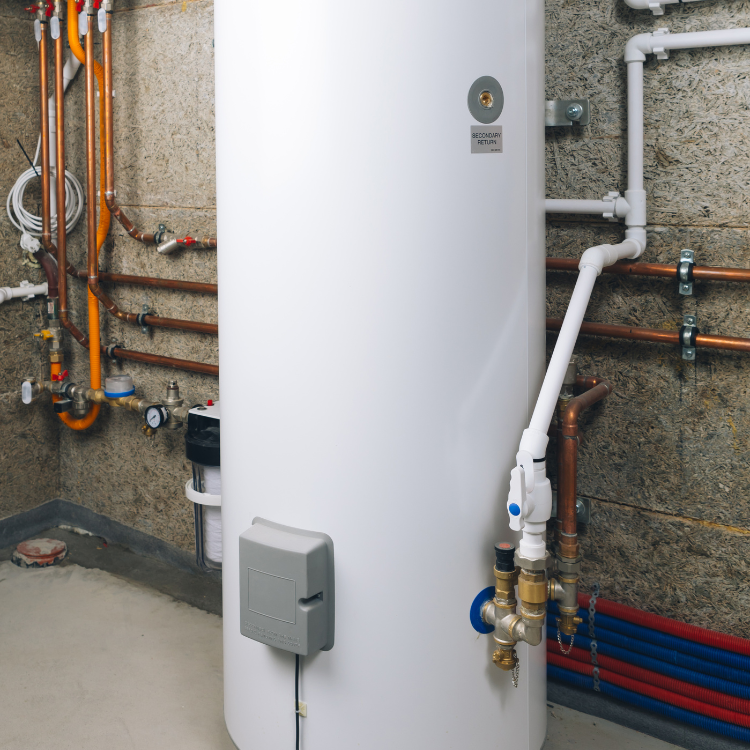
If you have noticed dampness near your water heater or your utility usage seems a bit higher than usual, you are not alone. In Richardson, Texas, leaks can start small and turn into damaged flooring, warped cabinets, or water pooling around the base before you realize what is happening. This guide explains how often to inspect for leaks, what to check, and when to call for plumbing leak detection.
Last week, a homeowner in Richardson noticed a faint wet ring around the drain pan and thought it might be from condensation. By the weekend, the area looked darker and the smell near the unit felt “off,” even though the water still got hot. That is a common situation: not every puddle means the tank is failing, but enough signs can point to a leak that needs attention before it spreads.
This article will help you understand the inspection rhythm that makes sense for most homes, the difference between harmless moisture and a problem leak, and how to spot warning signs tied to common causes like valve issues, supply line problems, or a failing tank. You will also find a practical checklist you can use right away.
- Quick answer
- What to check first
- Main things customers should understand
- Why this matters in Richardson, Texas
- Common mistakes to avoid
- Customer checklist
- Frequently asked questions
Quick Answer
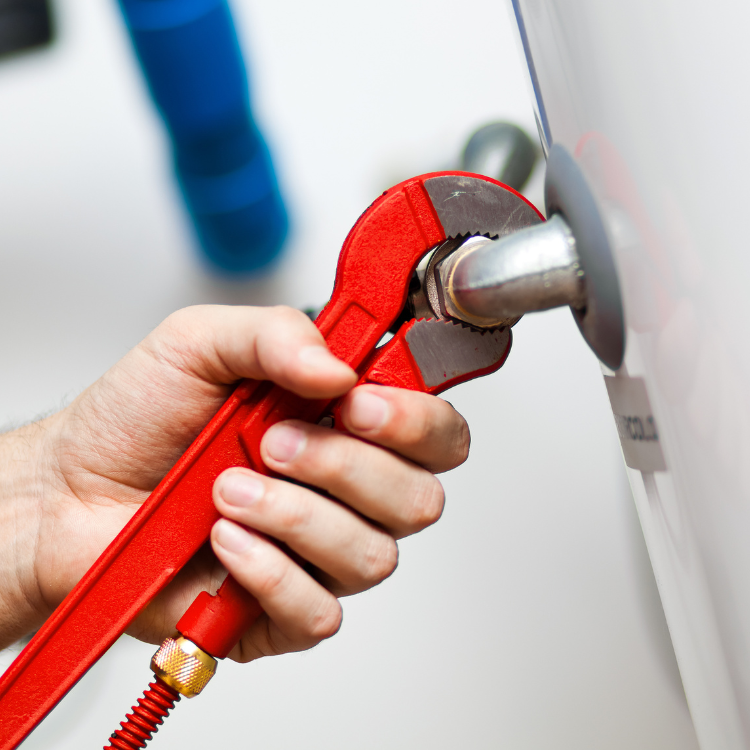
Inspect your water heater for leaks at least twice a year, ideally during spring and fall, and anytime you notice new dampness, corrosion, or a change in hot water performance. If you have a tankless system, check the visible fittings and drain/condensation areas more often, since small issues can show up as recurring moisture. Your best next step is a quick visual check of valves, connections, and the area around the base. If you see active dripping, worsening rust, or water collecting that you cannot explain, call for plumbing leak detection so the source can be confirmed.
What to Check First
Start with the places leaks usually show themselves first: the fittings and valves on the hot and cold supply lines, the temperature and pressure relief (T&P) discharge area, and the drain pan or floor around the base. Use a dry paper towel to “test” any suspect spots. If the towel gets wet at a connection, that points to an active leak rather than normal humidity.
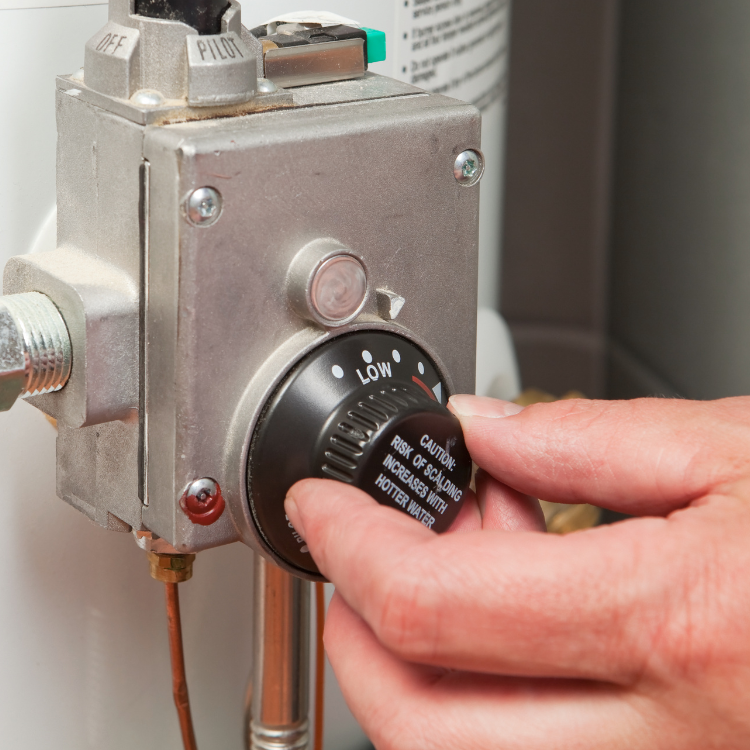
Professional observation: Many water heater leaks are not dramatic at first. A slow connection leak can create moisture that looks like harmless condensation until it keeps returning or spreads outward. Catching it early prevents water damage and helps narrow down whether the issue is the tank, a valve, or a nearby line.
Next, look for signs of rust trails, mineral deposits, or water staining on the unit jacket and nearby piping. If the T&P valve has ever discharged, even once, you may see residue around the discharge pipe. Also check the surrounding floor for soft spots or lifted flooring edges, especially in older homes where water can migrate under finishes.
Main Things Customers Should Understand
How often you should inspect depends on your system type, installation location, and how your property is set up. A basement installation, an attic installation, or an enclosed closet can hide early moisture. Likewise, frequent temperature cycling or older equipment may develop small leaks sooner. The goal is to inspect on a schedule that aligns with how quickly problems tend to show up in real homes, not just when something breaks.
| System situation | How often to inspect for leaks | What to focus on |
|---|---|---|
| Standard tank water heater in an accessible area | Every 6 months (spring + fall) | Base area, drain pan, supply connections, T&P discharge area |
| Tank water heater in a closet or partially enclosed space | Every 4 to 6 months | Wall/floor signs of moisture, valve fittings, any seepage at the jacket |
| Tankless water heater with visible plumbing connections | Every 3 to 6 months | Fittings, nearby drain/condensation areas, signs of wetness around joints |
| Recent repairs or plumbing work nearby | Re-check after 1 to 2 weeks, then return to schedule | Any connections that were disturbed, plus the surrounding floor surface |
If you suspect the leak is not actually from the heater itself, do not assume it is a “mystery puddle.” Water can travel along supply lines or collect where pipes run through slabs or walls. In some homes, slab leak detection may be needed if moisture appears near the heater but the source is under the floor. If you are seeing sewer-related odors or dampness near drains, sewer line repair or sewer line cleaning may be part of the inspection conversation.
For customers who want a broader view of plumbing risk, it can help to understand how different systems fail. If your home has mixed plumbing concerns, Casto Leak Detection also handles plumbing leak detection and provides repair options based on what the source confirms.
Why this matters in Richardson, Texas
In Richardson, Texas, many homes experience long stretches of heat, and that can increase water heater usage, especially when households run more hot water during the day. When a leak is slow, heat and air movement can evaporate some surface moisture, making the problem harder to spot until it worsens. This is why a simple, scheduled inspection is more reliable than waiting for a clear puddle.
Another local reality is that many properties have tight utility areas or older plumbing runs that can conceal dampness. If you are in Collin County or the Far North Dallas area, you may also be dealing with a mix of home ages and layouts, including homes where plumbing lines are routed through interior walls. When moisture appears near a water heater, it can still originate from a nearby connection, so accurate diagnosis matters.
Want help confirming the source of the moisture?
If your water heater area keeps getting damp, a visual check can only take you so far. Casto Leak Detection can help identify whether the issue is the heater, a connection, or another plumbing line nearby.
Call (972) 212-4126Common Mistakes to Avoid
Homeowners often make a few predictable choices when they see moisture, and those choices can delay the real fix. Avoid treating every sign of wetness as condensation. Also avoid ignoring small returns of moisture, because “small” leaks can still cause damage when water keeps finding the same path.

- Waiting until you see a puddle. Slow leaks may not pool right away, but they can still wet the surrounding materials.
- Wiping it dry and assuming it is gone. If the area gets wet again, the leak is still active.
- Forgetting the T&P discharge area. Residue or dampness near the T&P discharge line can indicate a valve-related issue.
- Skipping inspection after plumbing work. If a valve or nearby fitting was replaced, re-check the connections within the first couple of weeks.
- Assuming the heater is the only possible source. Sometimes the moisture is from a supply line issue or a hidden leak route that requires slab leak detection.
Customer Checklist
Use this checklist during your next inspection. It is designed to be practical for homeowners and property managers, and it helps you decide when to escalate to professional plumbing leak detection.
- Check the base and surrounding floor for new dampness or staining.
- Look closely at supply and drain connections for rust trails, mineral buildup, or wet spots.
- Confirm the drain pan area is dry where it should be, or note any recurring moisture.
- Inspect the T&P discharge pipe and nearby areas for residue or dampness.
- Dry and then re-check suspect fittings with a paper towel to see if moisture returns.
- Note any changes in hot water performance, unusual noises, or recurring odors that show up alongside moisture.
A representative situation in Richardson
A rental property manager called Casto Leak Detection after tenants reported a musty smell near the water heater closet. On the first visit, the unit looked “mostly dry,” but the manager had noticed water on the floor twice in two weeks. The inspection focused on the connection points and the area around the base. The moisture pattern suggested a recurring leak rather than a one-time condensation event, and the team narrowed the issue to the plumbing leak source near the heater. Once the source was addressed, the wetness stopped returning.
Frequently Asked Questions
How often should I inspect my water heater for leaks if I have a busy household?
If your household uses hot water more frequently, plan on inspecting at least every 4 to 6 months. A higher usage pattern can increase the chance that small connection issues become more noticeable over time. Also, inspect right after any maintenance or plumbing work in the utility area. If you see recurring dampness, rust streaks, or water collecting around the base, do not wait for the next seasonal check. That is the point where professional plumbing leak detection can help confirm the source.
Is condensation around a water heater ever normal?
Some moisture can be normal depending on temperature differences and airflow, especially when a unit is cycling or when the surrounding area is cooler. The key is consistency. If you only find a one-time damp patch that dries quickly and does not return, it may be condensation. If the area keeps getting wet, grows in size, or leaves staining, it is more likely an active leak at a fitting, valve, or the tank itself. A simple paper towel check on suspected spots can help you tell the difference.
What signs suggest the leak could be from a line other than the heater?
If moisture appears near the heater but you cannot find wetness at the heater connections, the source may be a nearby plumbing line. Watch for patterns like damp drywall, recurring wetness in the same route, or moisture that seems to track along piping. In slab homes, water can also travel beneath flooring, which is why slab leak detection may be discussed when the source is not visible. If you are also noticing drain odors or related symptoms, the issue could involve sewer lines, not just the water heater.
My heater is tankless. Does the inspection schedule change?
Tankless systems can still develop leaks at connections, valves, or nearby plumbing components. While many homeowners start with the same spring and fall timing, it is reasonable to inspect a tankless unit every 3 to 6 months, especially if it is installed in a tight enclosure. Pay attention to any recurring damp areas around fittings and the immediate surrounding surfaces. If you notice moisture returning or you cannot identify the source, professional diagnosis is the safest next step.
What if I suspect a gas leak while checking for water heater leaks?
If you suspect a gas leak, treat it as urgent and prioritize safety. Do not try to troubleshoot by feel or by flame. Instead, contact the appropriate professionals for gas leak detection. Casto Leak Detection supports plumbing-related leak detection, including gas line installation, but if you have a suspected gas issue, the priority is to address it safely and correctly.
Ready to verify what is causing the moisture?
If you have dampness around your water heater in Richardson, Texas, the most efficient path is to confirm the source instead of guessing. Casto Leak Detection can help you move from “it seems wet” to a clear, practical next step based on what the plumbing inspection finds.
Contact Casto Leak Detection
Casto Leak Detection
Casto Leak Detection provides plumbing leak detection for homeowners and property managers in Richardson, Texas and nearby areas like Collin County and Far North Dallas. If you are dealing with a suspected leak near your water heater, supply lines, or other plumbing components, the approach starts with finding the source so repairs can address the real problem.
Explore related services such as water heater repair, tankless water heater installation, or sewer line repair near me.