Local Plumbing Services for Leak Repair and Prevention
If you have unexplained water use, damp spots, or a sewer issue that keeps coming back, the real problem is usually bigger than a single clogged drain. This guide explains how plumbing leak detection works, what to check first, and how to prevent slab leak and sewer line problems around Richardson, Texas.
It starts with something small. A toilet that won’t seem to stop running, a floor that feels slightly damp after rain, or your water bill creeping up while your household habits stay the same. In Richardson, Texas, those symptoms can line up with everything from a hidden plumbing leak to a sewer line repair need.
When the cause is underground, guessing can lead to wasted time and preventable damage. Below, you’ll learn how to narrow down what’s happening, which signs point toward slab leak detection or sewer line repair, and when it makes sense to call for professional plumbing leak detection.
- Quick answer
- What to check first
- Main things customers should understand
- Why this matters in Richardson, Texas
- Common mistakes to avoid
- Customer checklist
- Frequently asked questions
Quick Answer
If you suspect a leak, start with simple checks like confirming whether water is running when everything is off, inspecting visible supply lines under sinks, and watching for new dampness or sewer odors. If the issue persists or you see signs consistent with slab leak detection or sewer line repair, professional plumbing leak detection is the safest way to find the exact location. A practical next step is to document symptoms (when they happen, where you notice them) and then schedule a targeted inspection so the repair matches the cause, not the guess.
What to Check First
Before anyone digs or replaces anything, you can often narrow the category of the problem. Begin with the easiest observations you can make in Richardson homes, including older slab-style plumbing and more modern water heater setups.
1) Look for “quiet” water use
Turn off faucets and appliances, then check whether your meter still moves. If it does, you’re likely dealing with a leak on the water supply side.
2) Check for dampness and recurring odors
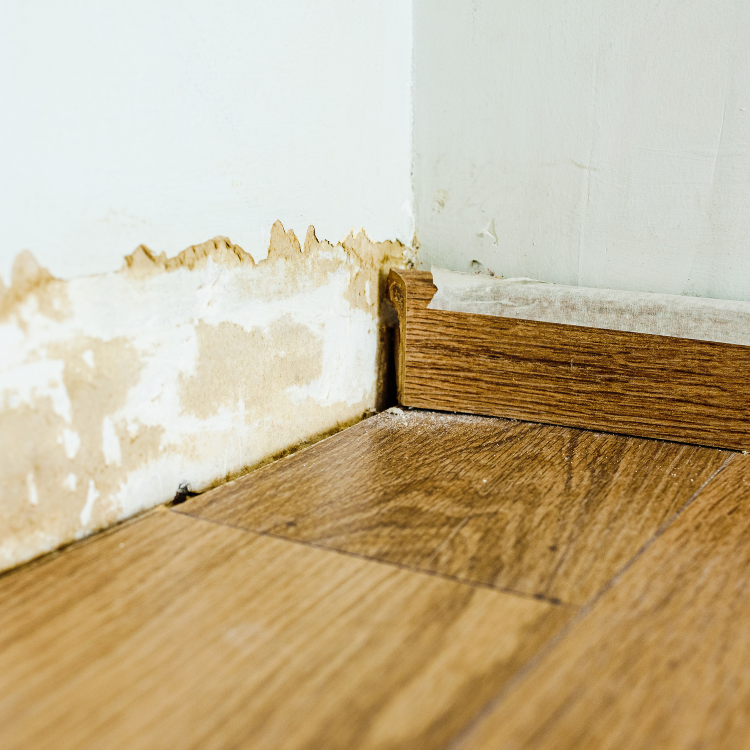
New moisture near baseboards, under cabinets, or around outside penetrations can point toward hidden plumbing leak detection needs.
3) Watch drains and toilet behavior
Slow drains, gurgling, or frequent toilet issues can indicate sewer line repair or a blockage that needs sewer line cleaning.
Professional observation: The most common “false leads” are fixing a visible symptom while the real source stays underground. If water usage is abnormal or you’re smelling sewage, the next step should focus on pinpointing the line or fitting causing it.
Main Things Customers Should Understand
Leak problems aren’t all the same. The repair approach depends on what system is involved: water supply, a water heater, or sewer lines. Getting the right diagnosis helps prevent repeat issues and unnecessary replacements.
Water leaks: supply lines vs. slab leak detection
When water shows up inside but there’s no obvious pipe break, the leak may be within the slab or in a concealed run. Slab leak detection focuses on locating the source so repairs can target the correct section rather than chasing moisture patterns.
Water heater replacement near me and repair
If you’re dealing with inconsistent hot water, leaks around the unit, or performance problems, it may be time for water heater repair or water heater replacement near me. For customers with tankless systems, the troubleshooting pathway can differ, especially when diagnosing venting, flow, and internal components.
Sewer line repair and sewer line cleaning
Clogs and backups can be caused by buildup, intrusion, or damage along the sewer line. Sewer line repair near me scenarios often start with identifying whether the issue is a blockage you can clear or a damaged section that needs repair. Sewer line cleaning can help when the problem is primarily buildup, while recurring symptoms usually require deeper inspection.
Gas leak detection and gas line installation
Some leaks aren’t water-related. If you ever smell gas or suspect an issue near appliances, gas leak detection should be handled with care. For new setups or pipe work, gas line installation should be planned around proper routing and appliance connection requirements.
| Symptom you notice | What it can indicate | What typically comes next |
|---|---|---|
| Water bill increases without clear cause | Hidden supply leak, sometimes consistent with slab leak detection | Leak pinpointing and targeted repair planning |
| Damp spots indoors or near exterior penetrations | Concealed pipe leak or condensation where plumbing is involved | Focused investigation before opening walls or floors |
| Gurgling drains or slow flushing | Potential sewer line issue or blockage | Inspection to determine sewer line cleaning vs. sewer line repair |
| Hot water issues or leaks around the heater | Water heater repair needs or water heater replacement near me | Assessment of unit condition and safe next steps |
| Odor consistent with gas near appliances | Possible gas leak detection concern | Careful inspection and safe corrective action |
Why this matters in Richardson, Texas
In Richardson, homes can vary widely in age and layout, which affects where plumbing runs tend to be located. Moisture can show up after temperature swings, and sewer symptoms can become more noticeable when drainage patterns change seasonally. A targeted approach to plumbing leak detection helps avoid unnecessary demolition and reduces the chance that a temporary fix turns into a repeat problem.
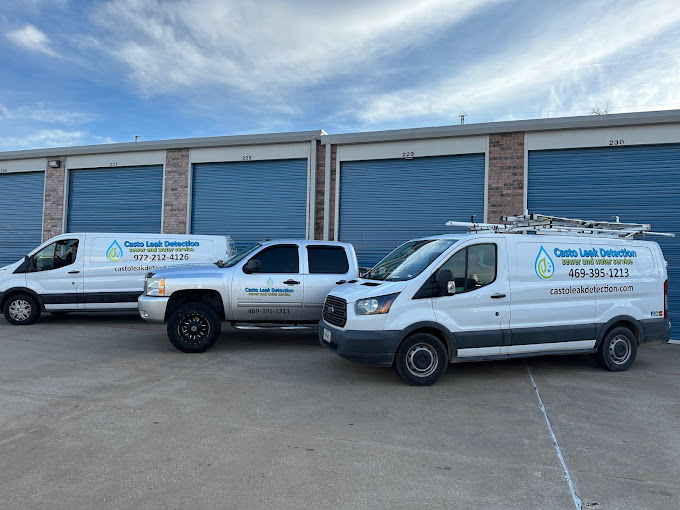
Local focus: Casto Leak Detection helps homeowners and property managers in Richardson and nearby areas like Collin County and Far North Dallas understand what’s happening behind the walls and under the slab, then choose repairs that match the actual source.
Representative scenario (what it looks like in real life)
A homeowner in Richardson notices their water meter moving slowly even when no fixtures are in use. They also find a faint musty smell near an interior wall after heavy rain. A quick check shows no active dripping under sinks. The next step is pinpointing the source, because the likely cause is a concealed leak rather than a faucet issue. Once the location is confirmed with plumbing leak detection, the repair is planned to address the exact section involved.
Need leak detection in Richardson?
When water use or sewer symptoms don’t add up, getting the source identified is the fastest path to a repair plan that makes sense.
Call Casto Leak DetectionCommon Mistakes to Avoid
It’s natural to want to “fix what you can see,” but the wrong sequence can make the problem worse. Here are common missteps we see when homeowners try to handle leak and sewer issues without pinpointing the source first.
Replacing fixtures too early
If the leak is elsewhere, replacing a faucet or toilet can be wasted effort. Pinpoint the cause first.
Assuming all drain problems are the same
Some symptoms point to sewer line cleaning, while others require sewer line repair. Treating every case as a simple clog can lead to repeat backups.
Ignoring abnormal meter movement
If the meter runs when everything is off, the cause is usually hidden. Waiting too long can increase damage.
Practical recommendation: If you suspect slab leak detection or a sewer line problem, avoid opening walls or tearing up flooring until the suspected source area is confirmed. That reduces unnecessary disruption.
Customer Checklist
Use this checklist to prepare for an inspection and help the technician focus on the most likely causes. The goal is to reduce guesswork and move toward a targeted repair.
- Note when symptoms started (date and approximate time).
- Track whether the issue is constant or happens after specific activities (showers, laundry, heavy rain).
- Check if the water meter moves when all fixtures are off.
- List any visible signs: damp spots, discoloration, odors, or recurring toilet/drain behavior.
- Confirm what type of water heater you have (tank or tankless) before discussing water heater installation near me needs.
- Write down any recent plumbing work or changes to appliances.
- For sewer concerns, observe whether multiple drains are affected or only one.
Helpful service pathways (internal resources)
If you want to read more about specific system parts, these Casto Leak Detection services align with the most common leak and repair categories:
- Plumbing leak detection for locating hidden water loss.
- Sewer line repair when backups and odors point to more than a simple clog.
- Sewer line cleaning for buildup-related slow drains and recurring blockages.
- Water heater repair when performance or leaks suggest a failing unit.
- Tankless water heater installation if you are planning a system upgrade.
Frequently Asked Questions
Below are common questions Richardson homeowners ask when they’re trying to decide whether they should repair, replace, or get professional leak detection.
What’s the difference between plumbing leak detection and guessing where a leak is?
Plumbing leak detection focuses on identifying where the water loss is coming from, especially when leaks are hidden behind walls, under flooring, or within a slab. Guessing often means opening areas that may not contain the source, which can create extra mess and still not solve the underlying issue. A targeted inspection helps match the repair to the actual cause, which is especially relevant for slab leak detection and recurring water damage.
How do I know if I need sewer line cleaning or sewer line repair?
Sewer line cleaning is typically considered when symptoms suggest buildup or blockages that can be cleared. Sewer line repair is more likely when the problem is tied to damage or a continuing issue that doesn’t resolve after clearing. If backups, gurgling, or foul odors keep returning, it’s a strong sign that the system needs deeper inspection rather than repeated “quick fixes.”
When should I consider water heater replacement near me instead of water heater repair?
Customers usually weigh repair vs. replacement when the unit shows persistent problems such as recurring leaks, consistent performance issues, or repeated service needs. The right decision depends on the specific symptoms and the condition of the heater. If you’re dealing with a tankless system, the diagnosis may differ from tank-style heaters, so it helps to confirm what you have before choosing the next step.
Can a slab leak cause water damage even if I do not see a puddle?
Yes. Some slab leak detection scenarios involve moisture that spreads slowly or appears as dampness, discoloration, or a musty smell rather than an obvious puddle. You may also notice abnormal water meter movement without visible dripping. Because the source is underground, visible signs can show up after the leak has been present for some time, which is why pinpointing matters.
What if I suspect gas leak detection near a water heater or other appliance?
If you smell gas or suspect a gas leak near appliances, treat it as a serious concern and have it inspected. Gas leak detection should be approached carefully to avoid unsafe conditions. If the concern involves new or replacement piping, gas line installation should be coordinated with the right inspection and connection planning so the system is set up correctly.
Get a clear plan for your next step
If you’re dealing with water leak detector issues, slab leak detection concerns, or sewer line repair questions, Casto Leak Detection can help you focus on the source and choose the most practical path forward.
Visit Casto Leak Detection
Casto Leak Detection
Casto Leak Detection provides plumbing leak detection and related repair services for customers in Richardson, Texas and nearby areas including Collin County and Far North Dallas. From sewer line repair and sewer line cleaning to water heater repair and tankless water heater installation, the focus is on matching the repair to the actual problem.
Call: (972) 212-4126