Signs Your Home Needs Plumbing Services Near Me
If something feels “off” in your Richardson, Texas home, it is usually your plumbing system giving you clues. This guide helps you spot the most common warning signs, understand what they can mean, and decide what to check next before small issues turn into bigger repairs.
You notice a faint smell near the utility room, your water pressure seems inconsistent, or the floor feels slightly damp after a heavy rain. Maybe you are seeing a jump in your water bill, or hot water is taking longer to arrive than it used to. In Richardson, the mix of older plumbing in some neighborhoods and seasonal water-use changes can make these symptoms easy to dismiss until they worsen.
This guide walks you through practical signs that you may need plumbing help, what those signs typically point to, and when it makes sense to call a specialist. You will also find a simple checklist you can use to prepare for a plumbing leak detection or repair visit.
- Quick answer
- What to check first
- Main things customers should understand
- Why this matters in Richardson, Texas
- Common mistakes to avoid
- Customer checklist
- Frequently asked questions
Quick Answer
If you see damp spots, hear unusual running sounds, notice recurring clogs, or experience inconsistent hot water, it is a strong sign you should have your plumbing system checked. The quickest path is to identify whether the issue is likely a plumbing leak detection problem, a drainage issue like sewer line repair near me, or a hot-water system problem. Start with simple observations (water meter behavior, fixture checks, and drainage patterns), but do not wait if symptoms repeat. Contact Casto Leak Detection in Richardson for a focused inspection so the problem can be located and addressed correctly.
What to Check First
Before you search for “plumbing services near me,” do a short, homeowner-friendly check. These steps help you describe the issue clearly and can prevent unnecessary part swapping. Start by watching what the system does when nobody is using water, then compare what happens at multiple fixtures.
1) Watch the water meter
Turn off faucets and appliances, then watch the meter. If it keeps moving, you likely have an active leak somewhere in the home’s supply or plumbing lines.
2) Compare hot and cold
If hot water takes longer or runs out faster than usual, the problem may be related to your water heater. If both hot and cold act up, focus on supply leaks or pressure issues.
3) Check drainage patterns
Slow drains in multiple fixtures can point to a larger drainage problem. If toilets or tubs back up, that can be a sign of a sewer line issue.
Professional observation: If the symptoms show up after water use stops, it often points to an ongoing leak or a plumbing line issue that continues under “no activity.” A targeted inspection usually saves time compared to guessing.
Main Things Customers Should Understand
Many plumbing problems share similar symptoms, which is why the “what” matters less than the “where.” A leak can hide under slab areas, behind walls, or near utility lines. Drainage problems can start as a slow change and then progress. Hot-water issues can be caused by the heater itself or by how water moves through the system.
| What you notice | What it can indicate | What to do next |
|---|---|---|
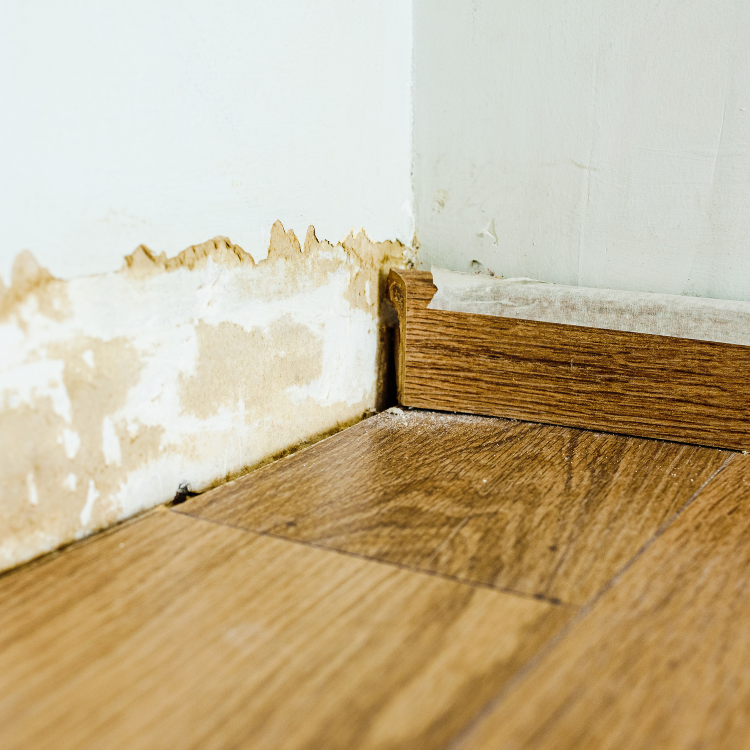
| Damp patches, musty odor, or water spots on ceilings | Possible hidden leak in supply lines or drainage lines | Arrange plumbing leak detection to locate the source before repairs expand |
| Water usage rises without a clear explanation | Active leak, including slab leak detection scenarios | Have a specialist check for leaks and confirm location |
| Slow drains, gurgling sounds, or repeated clogs | Drain line buildup or a drainage restriction | Consider sewer line cleaning and inspection to prevent recurrence |
| Toilets or tubs back up | Potential sewer line issue needing sewer line repair near me | Request a drainage evaluation focused on line condition |
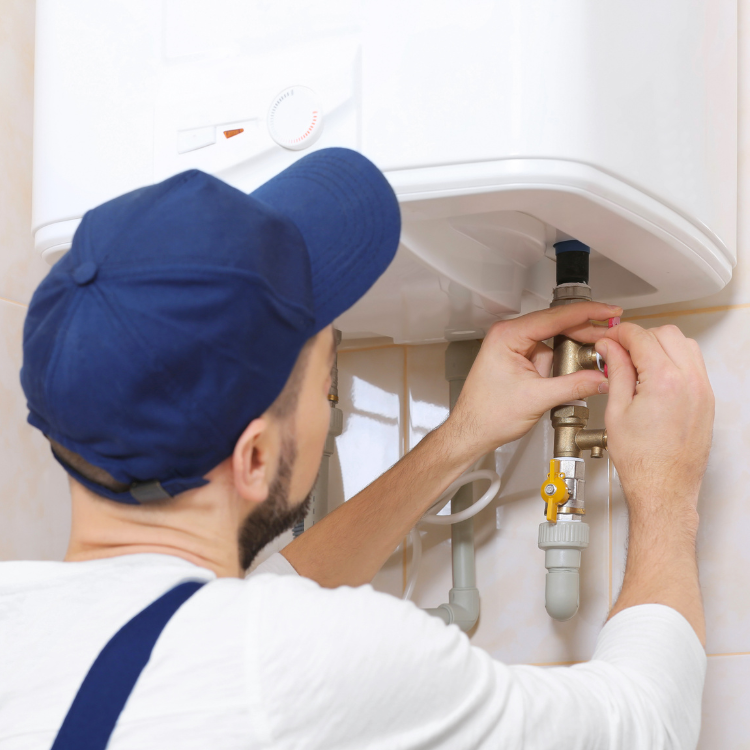
| Inconsistent hot water or frequent temperature changes | Water heater replacement needs or repair issues | Discuss water heater repair or replacement planning based on the symptoms |
| Burner issues, gas odor concerns, or uncertainty around gas connections | Potential gas leak detection needs | Get a professional check for safety and correct identification |
Hot-water system: common triggers in Richardson homes
Many homeowners call after noticing that hot water runs out sooner during busy evenings or that the unit struggles to keep a steady temperature. If you are comparing behavior across rooms, it can help narrow whether the issue is localized to one fixture or tied to the water heater itself. For water heater repair and replacement planning, you may also want to review options related to water heater repair.
Drainage and sewer lines: when symptoms feel “bigger than a clog”
Sometimes a clog is just a clog. Other times, slow drains and repeated backups suggest the issue is in the line. If you are seeing recurring drainage problems, it is usually better to address the cause instead of only clearing the surface problem. For sewer line options, you can explore sewer line repair and sewer line cleaning.
Why This Matters in Richardson, Texas
Richardson homes can include everything from newer builds to older properties where plumbing materials and layout were designed for different usage patterns. Seasonal water demand, landscaping habits, and how your home was built can affect where problems show up first. If your home has areas that are prone to dampness during wetter periods, early leak detection can help you prevent damage that is harder to reverse later.
Local insight: When homeowners notice recurring dampness near utility areas or changing hot-water behavior, it often points to a hidden leak, a drainage restriction, or a water heater issue that is not obvious from the faucet. A focused inspection in the Richardson area helps match the symptom to the plumbing component that is actually responsible.
A firsthand-style observation from the field
In many homes, the “problem” seems to move. One day it is a slow drain, the next day it is a different fixture that backs up, or the timing of the issue changes with household routines. That pattern usually means the underlying plumbing line condition is affecting multiple points, not that the problem is random. When technicians locate the issue correctly, the fix tends to stop the cycle instead of just reducing symptoms temporarily.
Common Mistakes to Avoid
Homeowners often try to solve plumbing issues by guessing, which can delay real repairs. The most common errors are treating symptoms instead of locating the source, and continuing water use while a leak is active. Here are the missteps that can make problems more expensive or more disruptive.
- Ignoring recurring dampness or “mystery” water spots because they seem minor
- Running cleaners or repeatedly plunging without checking whether the issue is in the line
- Replacing parts on the water heater without confirming whether the heater is actually the cause
- Assuming a water bill increase is normal seasonal usage when the meter suggests otherwise
- Waiting too long to address signs consistent with slab leak detection, especially when floors or ceilings show changes
- Trying to self-diagnose gas leak concerns instead of arranging gas leak detection
Customer Checklist
Use this checklist before you call so you can give a clear description. Even short notes help a technician target the right areas for plumbing leak detection, drainage inspection, or water heater troubleshooting.
Before the visit: Write down what changed, when it started, and whether the issue is tied to showers, laundry, dishwashing, or outdoor water use. If you have it, note whether the water meter moves when everything is off.
Representative scenario (anonymized)
A Richardson homeowner noticed hot water was inconsistent and the living room carpet felt slightly damp after heavy evening showers. After checking fixtures, they found cold water behaved normally but hot water temperatures fluctuated. A focused inspection helped confirm the next step for the water heater and locate the source of moisture rather than replacing parts blindly.
Information to gather
• When the symptoms happen
• Any odors (musty, sulfur-like, or fuel-like)
• Which rooms or fixtures are affected
• Whether drains are slow or backing up
• Water meter movement during “no use”
Questions to ask
• What component is most likely causing the issue?
• What signs confirm that location?
• What are the next steps to repair or prevent recurrence?
Need help identifying the source?
If you are dealing with a suspected leak, drainage problem, or water heater concern, Casto Leak Detection can help you narrow down what is happening and choose the right next step.
Call Casto Leak DetectionFrequently Asked Questions
How can I tell if I have a hidden water leak?
A simple starting point is to check whether your water meter changes when nobody is using water. If the meter keeps moving, that often indicates an active leak somewhere in the system. You can also look for damp spots, musty odors, or unexplained increases in water usage. If the issue seems tied to specific rooms or happens after showers or laundry, that can help narrow the search. For an accurate location, professional plumbing leak detection is the best next step when signs repeat.
Is sewer line repair always needed if drains are slow?
Not always. Slow drains can come from buildup and restrictions that respond to sewer line cleaning, but recurring backups or severe symptoms can indicate a deeper problem that requires sewer line repair near me. The difference usually comes down to inspection findings and how widespread the issue is across fixtures. If multiple drains are slow or you see repeated clogs, it is usually smarter to evaluate the line condition rather than only clearing the surface symptom.
When should I consider water heater replacement near me?
Consider replacement planning when hot water issues keep returning, the unit struggles to maintain temperature, or repairs do not restore consistent performance. Some problems can be handled with water heater repair, while others indicate the heater is no longer operating reliably. A technician can help confirm whether the cause is internal to the unit or related to how water flows through the system. If you are experiencing inconsistent hot water in Richardson, it is a good time to schedule a focused check.
What does tankless water heater repair involve?
Tankless systems are designed to heat water on demand, so issues often show up as inconsistent temperatures, delays, or performance changes. Repair typically starts with diagnosing the specific behavior you are seeing and checking the system’s operation as it responds to household demand. If your symptoms match a tankless performance problem, working with a professional helps avoid swapping parts without confirming the cause. If you are dealing with a tankless issue, you can review options for tankless water heater repair through Casto Leak Detection.
Can slab leak detection help if I do not see cracks?
Yes. Slab leaks can exist without obvious cracks or dramatic visible damage at first. Some homeowners notice dampness, flooring changes, or unexplained water use before they see structural signs. If your water meter suggests a leak and the symptoms point toward a hidden source, slab leak detection can help identify whether the leak is occurring under slab areas. Getting the location right is important because it determines the most effective repair approach.
Get the right plumbing solution for your home
From water leak detector needs to drainage concerns and water heater service, Casto Leak Detection helps homeowners in Richardson and nearby areas work from facts, not guesswork.
Schedule with Casto Leak Detection
About Casto Leak Detection
Casto Leak Detection provides plumbing support focused on finding and addressing leak-related problems and related plumbing services for homes and properties in Richardson, Texas and the surrounding region, including Collin County and Far North Dallas. If you are searching for reliable plumbing leak detection, sewer line repair near me, water heater replacement near me, or water heater installation near me, the goal is the same: locate the issue accurately and help you choose the right next step.
Explore service options such as plumbing leak detection, gas line installation, and tankless water heater installation to understand how different plumbing needs are handled.