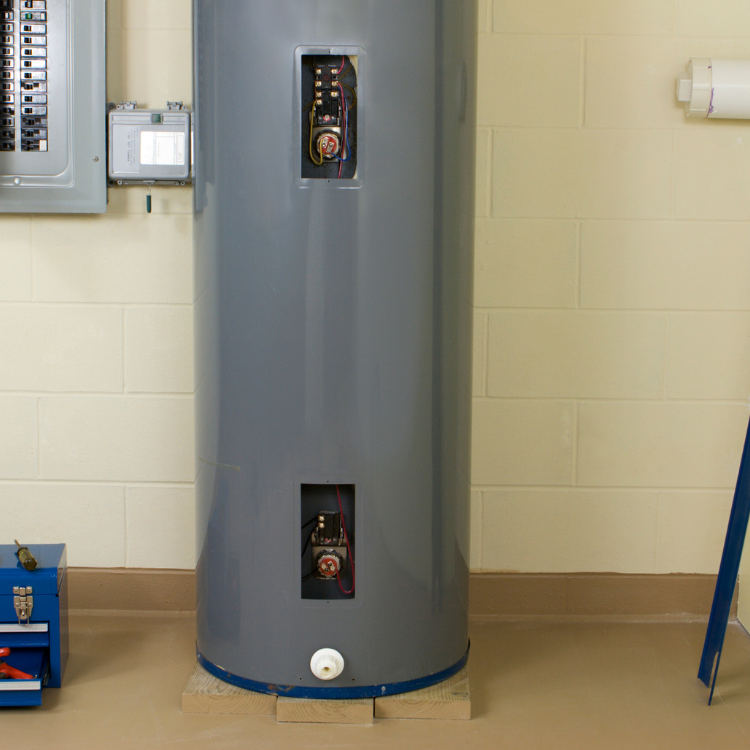
Signs Your Water Heater Is Leaking Behind Walls
If you notice damp drywall, a musty smell, or rising water use in your Richardson, Texas home, the leak may be coming from plumbing runs near your water heater. This guide helps you recognize the telltale signs, check the right areas first, and understand what to ask for when you need plumbing leak detection or water heater repair.
Last week, a homeowner in Richardson noticed the hallway carpet felt slightly damp after a weekend of heavy water use. The strange part was that no obvious pipe was dripping, and the water heater itself looked “dry enough” from the outside. A few days later, a small discoloration appeared on the wall near the utility area.
That pattern is common with leaks that travel through walls before you can see them. This article will help you understand what those symptoms can mean, what to check first without guessing, and when it is worth calling a professional for accurate leak detection rather than opening walls blindly.
- Quick answer
- What to check first
- Main things customers should understand
- Why this matters in Richardson, Texas
- Common mistakes to avoid
- Customer checklist
- Frequently asked questions
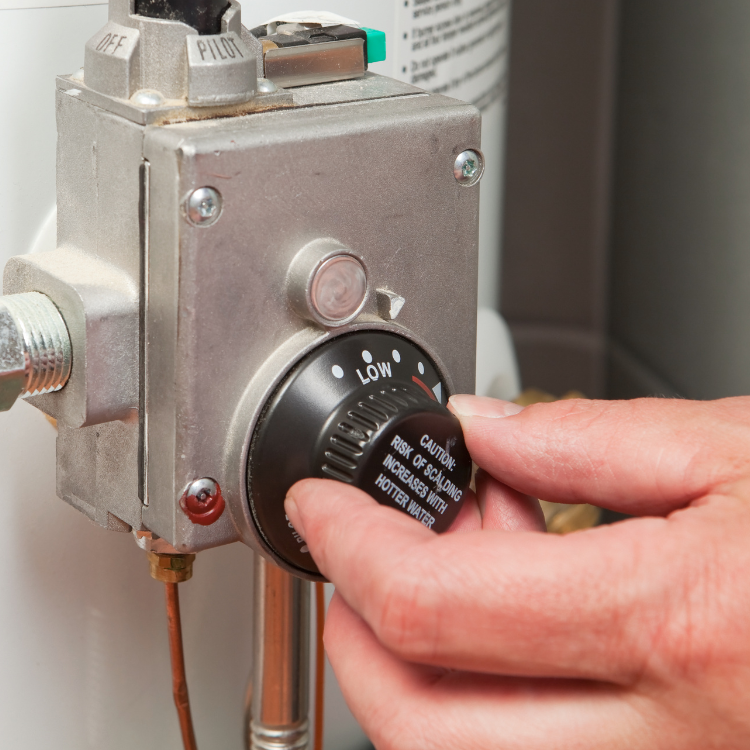
Quick Answer
If your water heater seems fine but you see damp drywall, a musty odor, or unexplained increases in water use, the leak may be coming from connected supply or drain lines hidden behind walls. Start by checking for active dripping around accessible fittings, then observe whether the problem worsens during hot-water use. If you see recurring moisture, don’t keep drying and patching. A professional plumbing leak detection visit can locate the source accurately and help you decide between water heater repair and other next steps.
What to Check First
Before you open anything, focus on the clues that tell you whether the leak is likely tied to hot water lines, nearby drain piping, or something else entirely. These checks are simple, low-risk, and can help you describe the issue clearly.
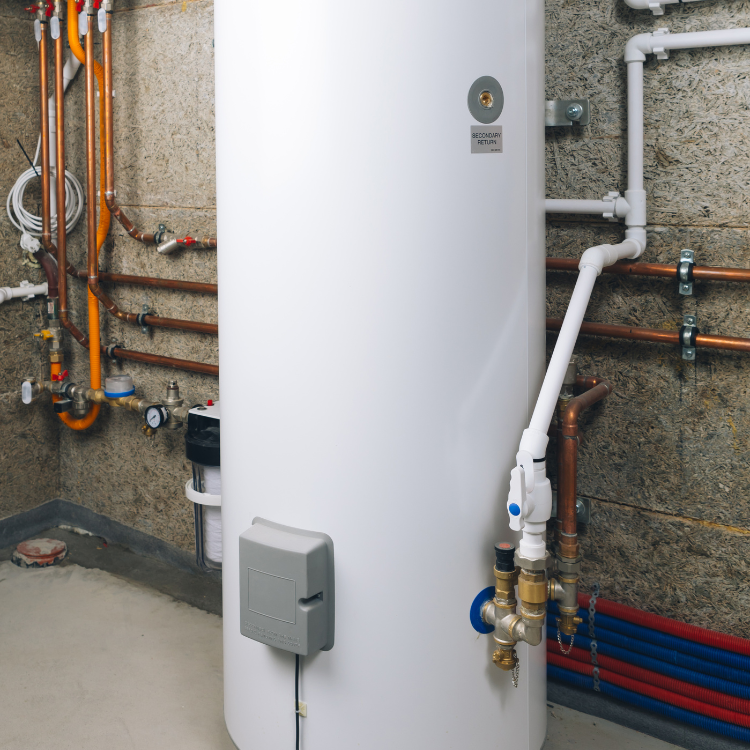
Look for pattern-based moisture
Moisture that increases after showers, dishwashing, or laundry often points to hot-water supply piping that runs behind walls near the heater.
Check the utility area
If you can access the water heater connections, look for dampness around valve fittings, unions, and any visible drain connections.
Smell and sound clues matter
A musty smell or a faint hissing or trickling behind walls can be an early sign of a hidden leak that does not show on the surface.
If you can safely do so, turn off nearby fixtures and watch the wall area for changes. If the moisture grows during hot-water use, that is a strong hint the leak is connected to the plumbing system serving the heater, even if the tank itself does not appear wet.
Main Things Customers Should Understand
Hidden leaks behind walls rarely behave like obvious faucet drips. They can show up as stains, bubbling paint, or damp insulation that spreads outward from the actual source. When a water heater is involved, the culprit is often not only the tank, but also the pipes that connect to it.
Professional observation: In many Richardson-area homes, the most time-consuming part is isolating whether the moisture is from the water heater supply line, the hot-water distribution piping, or a nearby drain/condensation pathway. That is why accurate leak detection matters before opening walls.
Common signs the leak is “behind the wall”
- Discolored drywall that slowly expands, often near the heater’s location or along a plumbing chase.
- Soft spots or bubbling paint that returns after drying.
- Musty or “wet basement” odors that show up when the house is using more hot water.
- Unexpected water bill changes with no obvious toilet leaks or faucet drips.
- Condensation-like dampness that appears during heavy heating cycles.
Where leaks typically originate
When people say, “My water heater is leaking behind the wall,” the leak source is often one of these:
- Hot-water supply connections near the water heater that feed lines running behind drywall.
- Hidden fittings or solder/joint failures along the route from the heater to the distribution system.
- Drain or overflow-related plumbing where water can travel before it becomes visible.
- Secondary issues such as slab or sewer-related problems that create moisture patterns near plumbing areas.
| What you notice | More likely connection | Why it matters |
|---|---|---|
| Dampness grows after showers or laundry | Hot-water supply piping near the heater | Helps narrow the search to the hot-water lines, not just the tank. |
| Moisture appears near a drain route or utility piping | Drain/overflow-related plumbing | May require a different repair approach than a supply-line issue. |
| Persistent moisture with little hot-water use | Other plumbing sources nearby | Could involve sewer line issues or other hidden plumbing problems. |
| Wet spots that seem to spread outward | Leak traveling through wall cavity | Drying alone can delay repairs and allow damage to continue. |
One firsthand-style observation from the field: when a leak is hidden, homeowners often start by touching the wall and “following the wet line.” That works for surface water, but behind drywall the path can be misleading. The best next step is usually to verify whether the moisture changes with hot-water activity, then bring in leak detection to locate the source before you open more areas.
Why This Matters in Richardson, Texas
In Richardson, Texas, many homes have utility areas and mechanical runs tucked behind interior walls or in narrow chases. When temperatures shift and the water heater cycles more often, small issues can become noticeable. If you are seeing damp drywall or odors near the heater area in Collin County or Far North Dallas, it is worth treating it as a plumbing problem that needs accurate identification, not just cosmetic cleanup.
Casto Leak Detection focuses on practical leak identification so you can avoid unnecessary demolition. If the source turns out to be related to the plumbing system around your water heater, we can help you plan the right repair approach, including options like water heater repair or tankless water heater installation considerations when the system needs a broader update.
Need help figuring out where the water is coming from?
Call Casto Leak Detection in Richardson for plumbing leak detection and guidance on next steps.
Call (972) 212-4126Common Mistakes to Avoid
When water appears behind walls, it is tempting to treat the symptom and hope the problem stops. Unfortunately, that can prolong damage and make the true source harder to find. Here are a few mistakes that commonly lead to repeat repairs.
Professional observation: The longer a hidden leak continues, the more the moisture spreads through insulation and framing. That often increases repair scope and can complicate leak location.
- Only replacing drywall without addressing the plumbing source. The wall may look fixed, but moisture can return.
- Assuming the tank is the only suspect. Supply lines, fittings, and nearby drains can be the real origin.
- Drying repeatedly without confirming the cause. If the leak is active during hot-water use, it will come back.
- Turning off water and waiting without tracking patterns. You want to know whether hot-water usage changes the situation.
- Ignoring related system clues like sewer odors or recurring issues near plumbing routes. Some moisture problems are not from the heater itself.
Customer Checklist
Use this checklist to prepare for a leak detection call. Taking a few notes now can help the technician narrow down the most likely source and route your repair decisions more efficiently.
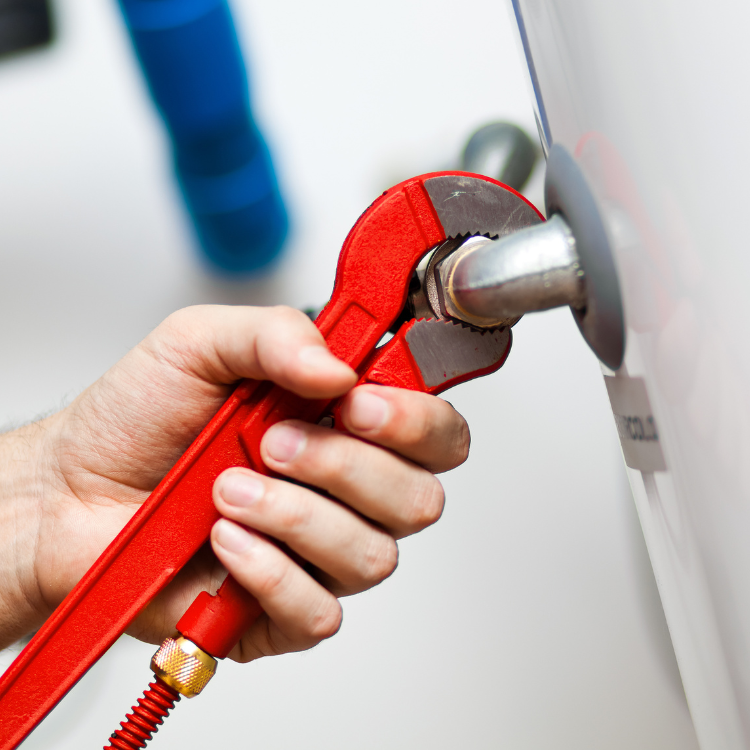
- Note when you first saw moisture (date and approximate time).
- Record whether the dampness increases during hot-water use (showers, laundry, dishwasher).
- Look for visible signs near the water heater and connections, if accessible.
- Check for musty odor or signs of moisture in nearby areas (closets, hallways, utility spaces).
- Identify any recent changes: new appliances, plumbing work, or a water heater age/usage change.
- Take a quick inventory of where the wall staining is located relative to the heater.
- Consider whether sewer-related symptoms exist (lingering odors, slow drains). If yes, mention it.
Representative Scenario
A homeowner in Far North Dallas noticed a small stain on drywall near a shared utility wall. The water heater area did not show any obvious dripping, but the stain grew after using hot water for several loads of laundry. The homeowner dried the wall twice, and each time the moisture returned. After scheduling plumbing leak detection, the team focused on identifying whether the moisture correlated with hot-water flow and traced the connected supply routing behind the wall to confirm the source before any demolition.
Frequently Asked Questions
How can a water heater leak show up behind the wall instead of near the tank?
A leak does not always appear at the exact point it starts. If the issue is in a connected pipe, fitting, or a drain/overflow line, water can travel through the wall cavity before it reaches drywall. Over time, you may see staining, bubbling paint, or damp insulation. Moisture patterns often line up with plumbing routes rather than the water heater body itself, which is why pattern-based checks and professional leak detection can be more reliable than guessing.
What is the safest first step I can take before calling for help?
Start with low-risk observations: check for active moisture around any accessible water heater fittings, and track whether the dampness changes during hot-water use. If you can, note the timing of showers, laundry, or dishwashing and compare it to when the wall looks worse. Avoid repeatedly patching or opening walls until you know the source. If moisture persists or spreads, it is a good time to request plumbing leak detection so the search is targeted and repairs are planned correctly.
Could this be a sewer line problem instead of a water heater leak?
Yes, sometimes. Moisture around plumbing areas can come from multiple sources, especially when hidden piping routes are nearby. If you also notice slow drains or lingering odors, it may point away from the water heater and toward the sewer line system. In that case, it can be helpful to ask about sewer line repair options such as sewer line repair during the inspection so the team can compare likely causes and avoid unnecessary wall openings.
What should I ask about if the technician recommends opening the wall?
Ask what specific area they plan to access and what they are trying to confirm. A good approach is to identify the most probable leak location first, then open only what is needed to verify and repair the source. You can also ask whether the issue is likely tied to hot-water supply piping, drain/overflow piping, or something else. If you are considering a system upgrade, ask whether repair or replacement makes more sense based on the findings.
Is it ever worth replacing the water heater instead of repairing it?
It depends on what the inspection finds and how the system is performing. Repair may be the right next step if the leak is limited to a connection or a specific component. Replacement may be discussed when the underlying issue suggests broader system problems or when a different configuration is more practical. If you are exploring alternatives, a service conversation can also cover options like tankless water heater installation, especially when planning for long-term performance and layout.
Get clarity before you open more walls
If you suspect your water heater is leaking behind walls in Richardson, Casto Leak Detection can help identify the source and map out practical next steps.
Visit castoleakdetection.com Call (972) 212-4126
About Casto Leak Detection
Casto Leak Detection provides plumbing leak detection and related plumbing services for homeowners and property managers around Richardson, Texas, including Collin County and Far North Dallas. If you are dealing with suspected hidden leaks, damp drywall, or water that seems to travel through walls, the goal is to locate the source accurately so you can make informed repair decisions.
Explore services such as plumbing leak detection, gas line installation, and sewer line cleaning to match the right solution to the problem.