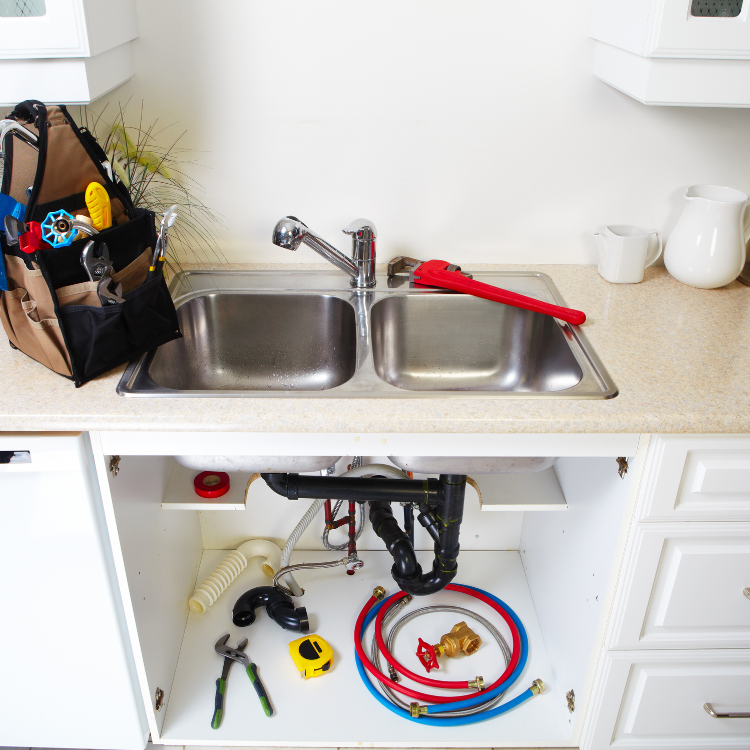
Stop Water Damage Fast
If you notice a sudden spike in water use, wet drywall, or a strong sewer smell around Richardson, Texas, you do not need to guess for long. This guide walks you through quick checks, what usually causes hidden leaks, and how to decide the next step to protect your home.
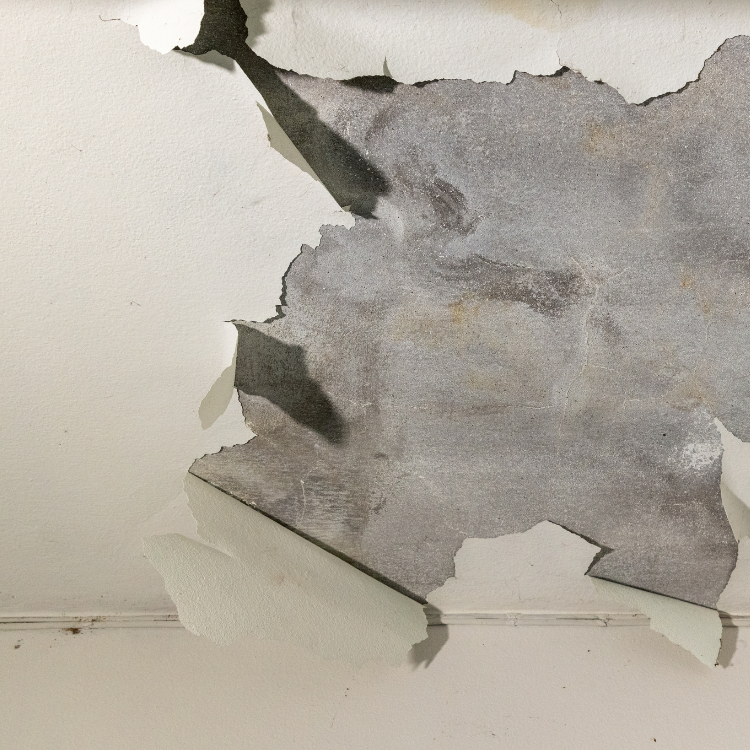
Last night everything looked normal, and this morning you find a damp spot on the ceiling, a musty odor near the bathroom, or water running where no faucet is on. Even if the leak seems small, the damage can spread quickly, especially when water gets behind walls or under a slab.
This guide helps you understand what to check first, what signs point to common problem areas like slab leak detection or sewer line issues, and how to reduce risk while you figure out the source. It is also written to help you ask the right questions before work begins.
- Quick answer
- What to check first
- Main things customers should understand
- Why this matters in Richardson, Texas
- Common mistakes to avoid
- Customer checklist
- Frequently asked questions
Quick Answer
If you suspect a leak, start by confirming water is actually running and locating the general area of moisture or odor. Shut off the home’s water supply if you see active dripping or expanding wet spots, then document what you can (where the water is, when it started, and any unusual smells). For hidden leaks or sewer line repair near me concerns, the fastest path is usually plumbing leak detection to find the source before you open walls or floors. Casto Leak Detection can help you narrow down the likely cause so repairs target the real problem, not just the symptom.
What to Check First
Before calling for help, you can often tell whether the situation is urgent and whether you are dealing with a supply leak, a drain or sewer problem, or something related to a water heater. These steps are meant to be quick and homeowner-friendly, not perfect. Your goal is to reduce damage and provide useful details.
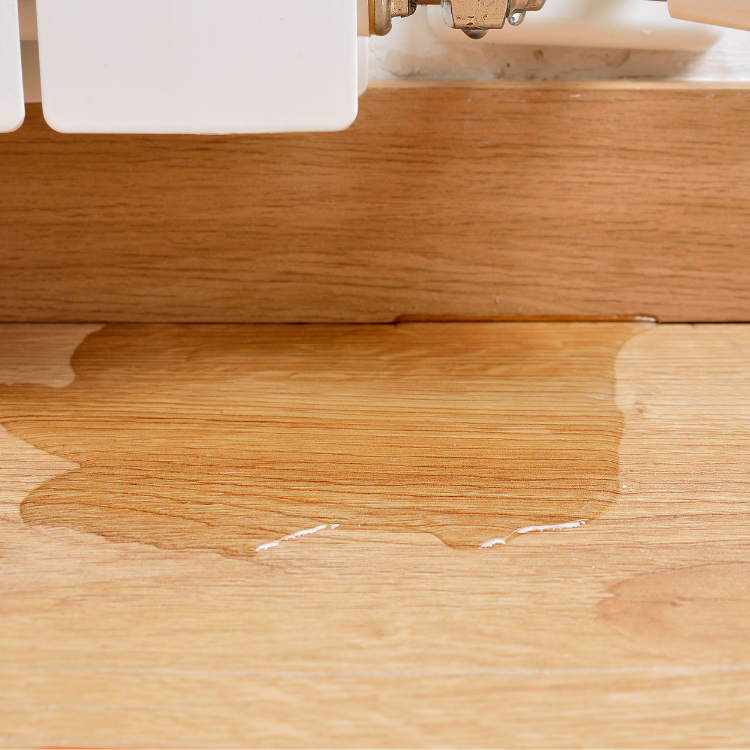
Professional observation: Hidden leaks often look “quiet” until they reach a surface. The earlier you stop the flow and identify the zone, the less drywall, flooring, and subflooring you usually have to deal with later.
1) Confirm the leak is active
Check your water meter for movement when no fixtures are in use. If you see the meter running, water is still flowing somewhere. If you cannot safely access the meter, focus on visible signs like dripping, rising dampness, or water on the floor.
2) Look for the pattern, not just the wet spot
Water trails, ceiling stains, and recurring dampness can point toward supply plumbing, a plumbing fixture, or even sewer line issues. Note whether the issue appears after showers, after toilets flush, or after the dishwasher runs. Those timing clues can help narrow down the cause.
3) Smell and sound checks
A persistent sewer smell, gurgling drains, or slow backups can suggest a sewer line repair need. If you notice bubbling in a drain when water is used elsewhere, that is another clue that the problem may be downstream.
4) Water heater-related symptoms
If the leak seems near the water heater area or you are dealing with temperature instability, you may be looking at a water heater repair or replacement situation. If you suspect water heater replacement near me or installation needs, it can be helpful to rule out leaks and correct the source first.
Water heater repair
For leaking or inconsistent hot water issues, review water heater repair to understand what to look for.
Plumbing leak detection
If the water source is hidden behind walls or under a slab, start with plumbing leak detection to locate the problem accurately.
Sewer line repair
When you suspect a blockage or break in the main line, see sewer line repair for common indicators.
Main Things Customers Should Understand
Emergency leak situations usually come down to one question: where is the water coming from? In Richardson, Texas homes and businesses, leaks can involve supply lines, drains, sewer lines, or the water heater system. The repair approach changes a lot depending on the source, so it helps to understand the main categories and what they typically look like.
Firsthand-style observation: In many leak calls, the visible wet area is not directly above the source. Water can travel through cavities, construction materials, and soil movement around foundations, which is why plumbing leak detection matters when you cannot trace it with your eyes.
Supply leaks (water line issues)
Supply leaks can show up as dampness near bathrooms, kitchens, laundry rooms, or utility areas. Sometimes they are slow and unnoticed until staining appears. In slab settings, slab leak detection may be needed when water seems to originate under the home.
Water heater leaks
Water heater problems can create leaks around connections, drain valves, or the tank itself. If you are dealing with aged equipment or repeated issues, you may end up deciding between repair and water heater installation near me scenarios. If the source is a leak, it should be corrected before focusing on performance.
Sewer and drain problems
When the concern is a sewer line repair near me situation, the signs often include slow drains, backups, gurgling, or persistent sewer odors. In some cases, cleaning needs come before repairs, especially if buildup is contributing to the issue. If you are unsure whether it is blockage or damage, a professional evaluation can keep the fix from becoming guesswork.
| What you notice | Most likely category | What to do next (practical) |
|---|---|---|
| Ceiling or wall staining that grows over hours | Supply leak or hidden plumbing leak | Shut off water if active, then focus on plumbing leak detection to locate the source before opening finishes. |
| Musty smell near a bathroom or utility area | Hidden leak in drains, supply lines, or water heater zone | Document timing (after showers, after flushing, after running appliances) and request a targeted inspection. |
| Slow drains, backups, gurgling, sewer odor | Sewer line or drain line issue | Consider sewer line repair evaluation; if buildup is suspected, cleaning may be part of the solution. |
| Leak signs around the water heater area | Water heater repair or replacement need | Have the source checked, then decide between repair and water heater replacement near me options based on what is found. |
Why This Matters in Richardson, Texas
Richardson, Texas homes often include a mix of established neighborhoods and newer construction, and that variety affects how leaks show up and where water travels. When hidden plumbing issues occur, they can develop quietly until moisture reaches sheetrock seams, baseboards, or nearby flooring. In properties across Collin County and Far North Dallas, it is also common to see older plumbing runs and different layout styles, which means the “most obvious spot” is not always the source.
Casto Leak Detection focuses on finding the origin so the repair matches the actual problem. That approach is especially helpful when you are trying to limit the area that needs to be opened, and when you want to avoid repeated patching that does not address what is underneath.
Need help identifying the leak source?
If you are dealing with wet areas, unexplained water use, or a sewer smell, call Casto Leak Detection. We can help you move from “guessing” to a clear next step.
Call (972) 212-4126Common Mistakes to Avoid
When water damage is already underway, it is easy to make decisions that feel reasonable in the moment but can make the situation worse. These are common missteps homeowners run into during emergency leak repairs, including slab leak detection and sewer line repair situations.
1) Turning off water too late
If the leak is active, delaying shutoff can allow water to spread deeper into wall cavities and under flooring. If you can safely shut off the supply, do it as soon as you can.
2) Assuming the wet spot is the source
Water can move along construction materials and travel away from the entry point. That is why plumbing leak detection is often the difference between targeted repair and unnecessary demolition.
3) Using drain cleaners as a first response
For sewer or drain concerns, relying on chemicals without identifying the cause can mask symptoms and complicate diagnosis. If you suspect buildup, professional evaluation can help determine whether cleaning is the right first step or if sewer line repair is needed.
4) Ignoring water heater leak indicators
If the leak seems connected to the water heater, do not wait until it becomes a larger failure. A water heater repair or replacement decision should start with locating the source.
5) Skipping documentation
It helps to write down when symptoms started, what was running at the time, and where you see moisture. This can reduce back-and-forth and helps the inspection focus faster.
Customer Checklist
Use this checklist to stay organized while you handle an emergency leak. It is designed to help you protect the property first, then gather useful information for the repair process.
- Confirm whether water is still running (meter movement or active dripping).
- Shut off the water supply if you see active leaks or expanding wet areas.
- Note the exact locations of moisture (ceilings, walls, floors, near fixtures or the water heater).
- Record timing: what you were using when the problem started (showers, toilets, dishwasher, laundry).
- Check for sewer-related signs like gurgling, slow drains, backups, or sewer odor.
- Take a quick phone note of any visible damage progression since morning.
- Keep valuables and sensitive items away from the affected area.
Representative scenario: a hidden leak that keeps returning
A Richardson homeowner noticed a small damp patch near a hallway ceiling. After drying it off, the spot returned within a day. The family could not find any active dripping from a faucet or toilet, and the water meter showed usage even when everything was off. Because the wet area did not line up with any obvious plumbing fixture, the next step was plumbing leak detection to locate the source instead of repeatedly patching the ceiling. Once the origin was identified, the repair targeted the real leak path, helping stop the recurring moisture and reducing the need for wider demolition.
Frequently Asked Questions
How can I tell if I have a slab leak or a normal supply leak?
Homeowners often suspect a slab leak when moisture appears without a clear nearby plumbing fixture and when staining or dampness seems to “surface” in areas that do not match any visible pipes. Another clue is recurring dampness even after small areas are dried or patched. Because water can travel through materials, the most reliable way is plumbing leak detection to locate the origin. If you are concerned about slab leak detection in Richardson, Texas, it is best to focus on source identification before opening floors.
What signs suggest a sewer line repair need instead of a clogged drain?
Sewer-related issues often show up as slow drains across multiple fixtures, repeated backups, gurgling sounds, and persistent sewer odor. If the problem is not limited to one sink or one toilet, it can indicate a line-level issue. A professional evaluation can also help determine whether sewer line cleaning is part of the fix or if sewer line repair is necessary. If you notice symptoms returning after DIY attempts, it is usually a sign that the underlying cause was not addressed.
When should I focus on water heater replacement near me versus water heater repair?
If you see active leaking around the water heater or you are dealing with repeated failures, the first step is to locate what is causing the problem. Some situations may be handled with water heater repair after the source is identified, while others may point toward replacement needs. If you are also hearing noises, experiencing inconsistent hot water, or dealing with ongoing leak indicators, professional inspection helps you make a decision based on the actual condition rather than guesswork.
Can a water leak detector help before a professional inspection?
A water leak detector can be useful for alerting you sooner, especially if you are away from home or if leaks are slow to show. However, it typically does not replace plumbing leak detection because it usually cannot identify the exact pipe or line where the water originates. If the detector alerts you and you notice damage progressing, the practical move is to shut off water if needed and then have the source located. That reduces the chance of opening the wrong area.
What should I avoid doing right away during an emergency leak?
Avoid waiting to shut off water if the leak is active, because damage can spread behind walls and under flooring. Also avoid assuming the wet spot is the source. For sewer or drain concerns, try not to rely on chemical drain cleaners as your first response without identifying the cause. Finally, keep notes about timing and location so the inspection can focus quickly. These steps help keep the situation safer and make the repair process more efficient.
Stop the damage and get the source identified
If you need emergency leak repair near me in Richardson, Texas, Casto Leak Detection can help you move from symptoms to a clear plan. Call to discuss what you are seeing and what areas you suspect.
Contact Casto Leak Detection
Casto Leak Detection provides plumbing-focused leak detection and repair support for customers in Richardson, Texas, and surrounding areas including Collin County and Far North Dallas. When water damage is on the line, the goal is straightforward: identify the leak source accurately so the repair addresses what is actually causing the issue. Their service approach is built around practical diagnosis, clear next steps, and helping homeowners avoid unnecessary demolition when the source is hidden.
Related services you may find useful: sewer line cleaning, tankless water heater installation, and gas line installation.