
Near Me for Hidden Plumbing Leaks
If you suspect a leak but cannot see where it’s coming from, the fastest way to protect your home in Richardson, Texas is to narrow down the source and confirm it with proper plumbing leak detection.
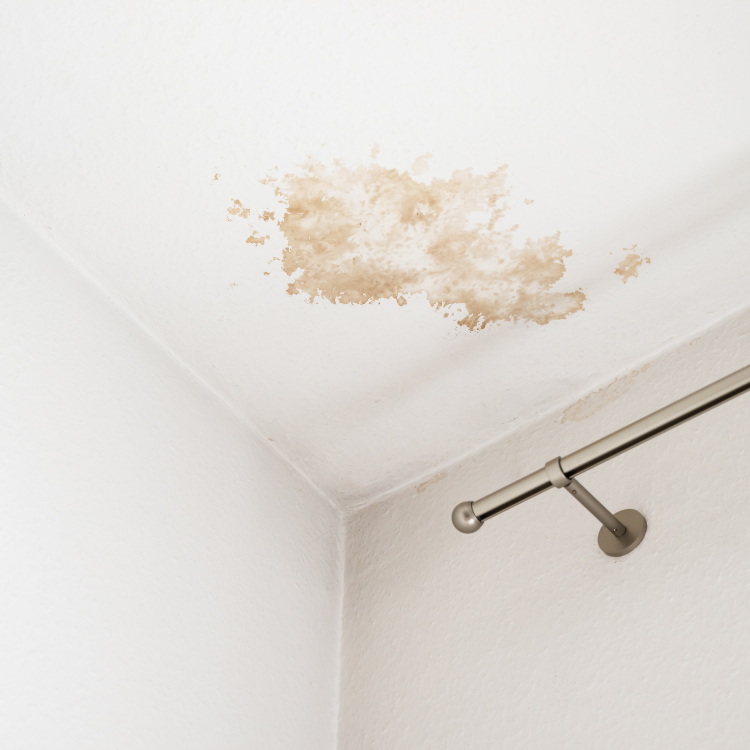
It starts with something small: a damp spot near a baseboard, a toilet that seems to run “just a little,” or a spike in your water bill when nobody has been using much water. In many homes around Richardson, hidden plumbing leaks do not announce themselves with a steady drip. Instead, they show up as soft flooring, musty odors, or recurring moisture that keeps coming back.
That’s also what makes the problem stressful. You can’t fix what you can’t locate, and guesswork can turn a manageable repair into a bigger one. This guide explains how to think through the most common leak sources, what signs matter most, and when it’s time to call for professional water leak detector testing and slab leak detection.
- Quick answer
- What to check first
- Main things customers should understand
- Why this matters in Richardson, Texas
- Common mistakes to avoid
- Customer checklist
- Frequently asked questions
Quick Answer
If you suspect a hidden plumbing leak, start by checking obvious fixtures and watching your water meter for movement when water is off. If the meter changes or you see recurring moisture, don’t rely on patching alone. Call a professional for plumbing leak detection so the team can confirm the leak location before repairs. For Richardson homeowners, early identification helps limit damage to floors, walls, and underground piping, including sewer line repair needs. If you also smell gas, stop and contact the appropriate gas leak detection support immediately, then proceed with plumbing checks once it’s safe.
What to Check First
Before you do anything invasive, focus on clues that point to where the water is traveling. Hidden leaks can move through framing, grout, and soil, so you want to separate “surface effects” from “source location.” Begin with these practical checks, then decide whether you need deeper testing.
1) Verify the leak signal
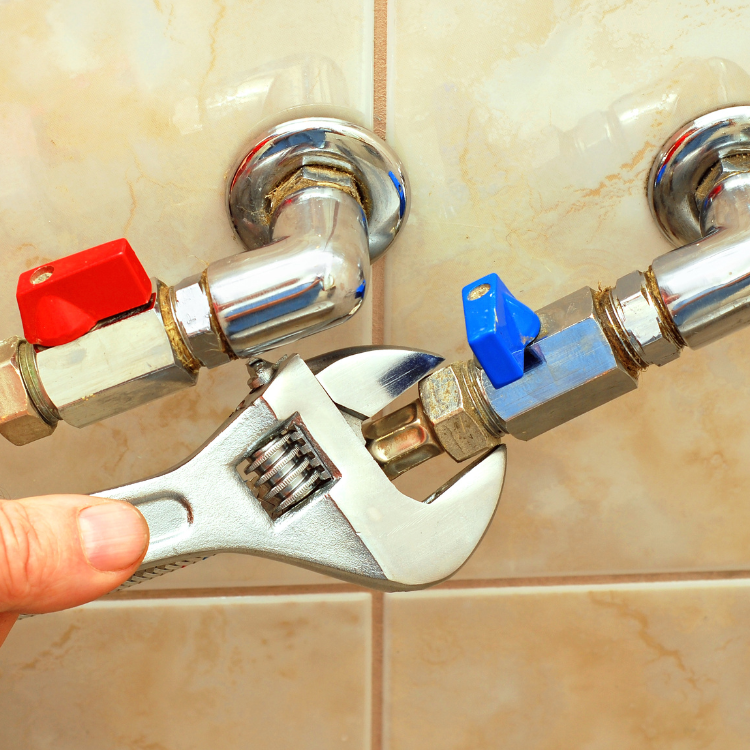
Look for repeated dampness, a musty smell, or a toilet that cycles. If your water use jumps without a change in routine, that’s a strong indicator.
2) Use the meter test
Turn off faucets and appliances, then watch the meter. If it continues to register, water is still moving somewhere in the system.
3) Check for pressure and temperature clues
Notice whether hot water disappears faster than cold, or if pressure drops in one area. Those patterns can help narrow down whether the issue is tied to supply lines, a water heater, or drains.
Main Things Customers Should Understand
Hidden plumbing leaks typically fall into a few categories, and each one behaves differently. Understanding what you’re likely dealing with helps you ask the right questions and avoid repairs that don’t address the root cause.
Professional observation: The longer a leak goes unconfirmed, the more it can spread moisture into materials that are not directly connected to the plumbing line. That is why plumbing leak detection matters, especially when the leak is under a slab or behind finished walls.
Here are the most common scenarios homeowners run into around Richardson:
- Slab leak detection: If you notice moisture in multiple rooms, hairline cracks, or warm spots on the floor, the leak may be traveling through underground plumbing. Slab leaks often require targeted detection methods before any repair work begins.
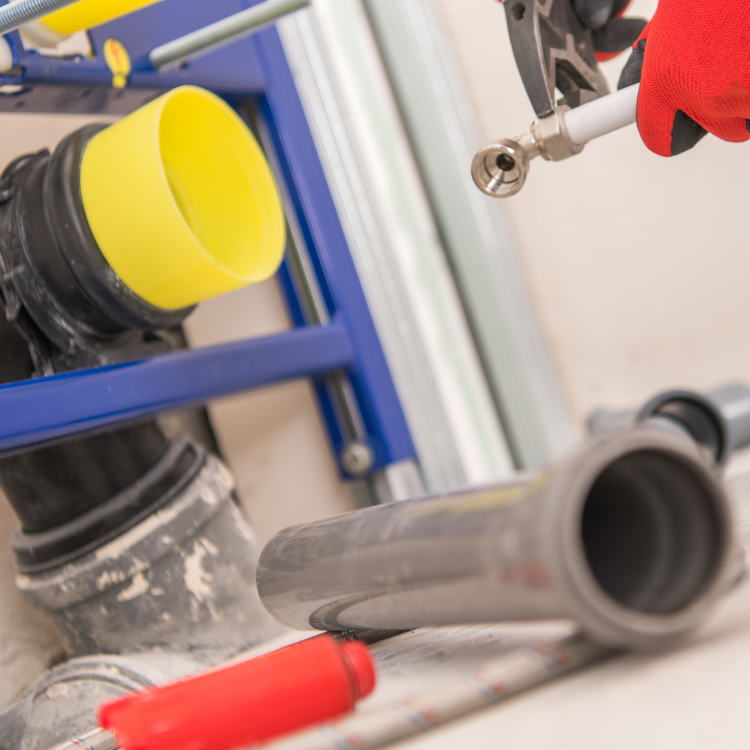
- Sewer line issues: Slow drains, recurring backups, or gurgling can point toward sewer line repair needs. Sometimes the “leak” is actually wastewater escape underground, which can be harder to spot until symptoms build.
- Water heater-related leaks: A leak near the unit, dampness around connections, or unexplained moisture in the surrounding area can be connected to the water heater. If you’re weighing next steps, you may also need guidance on water heater replacement near me or water heater installation near me depending on what the inspection finds.
- Tankless system concerns: If you have a tankless setup and you see signs of water where it shouldn’t be, repairs may be tied to the unit or the connections feeding it. Tankless water heater repair is often more precise when the source is identified early.
Helpful local detail: Richardson homes include older plumbing configurations as well as newer builds. Either way, soil conditions, tree root growth, and shifting underground utilities can contribute to leaks that show up slowly. That’s why confirming location matters more than guessing.
Why This Matters in Richardson, Texas
In Richardson, Texas, homeowners often notice plumbing leaks during seasonal changes when daily routines shift, irrigation schedules run differently, or temperatures swing enough to highlight hidden moisture. Because plumbing lines run under finished flooring and through walls, a leak can create damage that lingers even when the visible “wet spot” seems to fade.
When you suspect a hidden leak, the goal is the same: confirm the source and limit the area affected. Casto Leak Detection focuses on accurate plumbing leak detection so repairs address the actual cause, whether it’s slab leak detection, sewer line repair near me needs, or related water heater service. If you’re looking at a broader plumbing system issue, you can also explore options like professional plumbing leak detection.
Common Mistakes to Avoid
Homeowners can accidentally make a hidden leak worse by treating symptoms instead of the source. These missteps are common, especially when the leak location is unclear.
- Relying on surface fixes: Patching a damp area or replacing a damaged section without confirming the line can lead to repeat damage.
- Ignoring the meter test: If the meter moves when everything is off, the leak is real and active. Skipping confirmation often prolongs the problem.
- Assuming every drain issue is a clog: Persistent slow drains can be connected to sewer line problems that require sewer line repair, not only drain cleaning.
- Forgetting the water heater connection: Moisture near the unit can be tied to connections, not just the surrounding floor. If your symptoms align, check options like water heater repair before assuming the floor or wall is the culprit.
- Delaying decisions: The longer water stays underground or behind walls, the more likely it is to spread. Early detection helps reduce the amount of cleanup and repair work.
Customer Checklist
Use this checklist to stay organized while you figure out what to do next. If you can answer these questions, you will be better prepared for professional diagnosis and faster decision-making.
- Can you explain when the issue started and whether it’s getting worse?
- Does your water meter move when all water is off?
- Are there specific fixtures or rooms that show the strongest signs of moisture?
- Do you notice changes tied to hot water, cold water, or both?
- Are drains slow, or do you hear gurgling or recurring backups?
- Is moisture near a water heater, tankless unit, or visible plumbing connections?
- Have you ruled out a toilet that continues to run?
- If you ever smell gas, do not investigate further and contact the appropriate gas leak detection support first?
Representative Scenario
Here’s a realistic example of how hidden leaks often present in Richardson. A homeowner noticed their living room floor felt slightly damp near an interior wall. The damp area would lessen for a day or two, then return. They checked the obvious spots, including the toilet and visible supply lines, but the issue continued. When the water meter was monitored with everything off, it still registered movement. That pattern suggested water was traveling somewhere underground or behind finished materials. After targeted plumbing leak detection confirmed the source, the repair plan could be aligned to the actual location instead of repeatedly treating the symptoms near the surface.
Decision Table: Leak Clues vs. Likely Areas
Use this table as a guide to organize what you’re observing. It does not replace professional detection, but it can help you describe the problem clearly.
| What you notice | Possible area | What to do next |
|---|---|---|
| Water meter moves when everything is off | Active hidden leak in supply or underground plumbing | Start with professional plumbing leak detection to confirm location |
| Recurring dampness under floors or near interior walls | Slab leak or underground line migration | Ask about slab leak detection so repairs match the source |
| Slow drains, gurgling, or repeating backups | Sewer line issue | Discuss sewer line repair near me options and consider sewer line cleaning if appropriate |
| Moisture near the water heater or around connections | Water heater-related leak | Review water heater repair and related service needs |
| Tankless system shows signs of leaks around the unit | Tankless water heater connection or unit issue | Request tankless water heater repair after the source is confirmed |
Need help locating a hidden leak in Richardson?
Casto Leak Detection can help you narrow down the source with plumbing leak detection and slab leak detection approaches. If the water meter test suggests a leak, calling sooner can reduce the chance of expanding damage.
(972) 212-4126Frequently Asked Questions
These questions come up often when homeowners in Richardson are dealing with hidden plumbing leaks and want clear next steps.
How can I tell if I have a hidden water leak?
A practical first step is the water meter test: turn off all faucets, appliances, and water-using fixtures, then watch whether the meter still changes. If it does, water is still moving somewhere in your system. You might also notice recurring dampness, musty odors, or water pressure changes. If you can connect the symptoms to specific rooms or hot vs. cold water use, that detail is helpful for plumbing leak detection.
What is slab leak detection, and why can’t I just repair the damp spot?
Slab leak detection is the process of confirming where water is escaping beneath a concrete slab or within underground piping. Damp spots can be the result of water traveling through soil and materials, so fixing only what you see may not stop the leak. Targeted detection helps match the repair plan to the actual source, which reduces repeat damage and unnecessary work.
When should sewer line repair near me be considered?
Consider sewer line repair when drainage problems keep returning, such as slow drains, gurgling sounds, or repeating backups that don’t stay resolved after basic troubleshooting. Because sewer issues can be underground, the “symptoms” may appear in the plumbing fixtures while the cause sits deeper in the line. A professional evaluation can help determine whether the issue is a clogged section, damage along the run, or another sewer line concern.
Can a water heater leak mimic a hidden plumbing leak?
Yes. Moisture near a water heater, dampness around nearby connections, or unexplained wet areas can be related to the unit itself or the plumbing feeding it. That’s why it helps to observe where the moisture is strongest and whether it changes when hot water is used. If the signs point toward the unit, reviewing water heater repair can be a logical next step before you assume the leak is under floors or behind walls.
Do I need gas leak detection if I suspect a plumbing leak?
If you smell gas or suspect a gas-related issue, treat it as separate and focus on safety first. Gas leak detection should be handled through the appropriate process and support. Once it’s confirmed safe to proceed, you can evaluate plumbing signs like meter movement and moisture patterns. Keeping these issues separated helps avoid confusion and ensures the right type of investigation is used.
Get a clear plan for your next repair step
If you’re dealing with hidden moisture or a water meter that keeps moving, Casto Leak Detection can help you identify the likely source and choose the right service direction. You can call today or review related services for context.
Explore plumbing leak detectionPrefer to talk? Call (972) 212-4126

About Casto Leak Detection
Casto Leak Detection provides plumbing leak detection and related leak-focused services for homeowners and property managers in Richardson, Texas, including Collin County and Far North Dallas. Whether you’re dealing with suspected slab leak detection, sewer line repair near me concerns, or water heater issues, the priority is to locate the source accurately so repairs address the real problem.
For service options, you can also review sewer line repair, sewer line cleaning, or tankless water heater installation.