Have you ever heard the term “slab leak” and wondered what actually happens when one is repaired beneath your home? For many homeowners, the idea of someone cutting into the concrete foundation sounds intimidating, expensive, and mysterious. Yet slab leak repair doesn’t have to feel like a black box; when the process is broken down into clear, simple steps, you can understand what’s happening under your feet and why each step matters.
In a place like Richardson, TX, where many homes are built on concrete slab foundations, understanding the slab leak repair process is more than just “nice to know” information. It can be the difference between fast, smart decisions and costly delays. Casto Leak Detection focuses on making this process as transparent and straightforward as possible, so homeowners know what to expect from the first suspicious sign of a leak all the way through final repairs and clean-up.
Instead of thinking of slab leak repair as one big, overwhelming project, imagine it as a series of logical, methodical stages. Each stage has a specific purpose: finding the leak, confirming its location, choosing the right repair strategy, executing that repair with minimal disruption, and then restoring your home to normal. When you see the repair in this step-by-step way, it becomes much easier to ask the right questions, understand your options, and feel confident about the work being done beneath your Richardson home.
What A Slab Leak Really Is
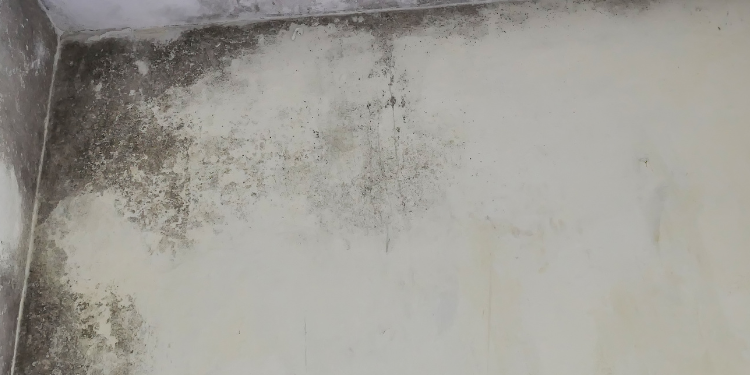
Before you can understand the repair process, you need a clear picture of what a slab leak actually is. In most Richardson, TX homes with slab foundations, water lines run underneath or within the concrete. A slab leak occurs when one of these pipes develops a crack, pinhole, or break, allowing water to escape into the soil or the concrete itself. Over time, that leaking water can erode soil, weaken the foundation support, and even cause your flooring to buckle or discolor.
These leaks are often hidden, which is what makes them tricky. You don’t see a broken pipe the way you might see a dripping faucet or a burst hose bib outside. Instead, you notice indirect symptoms: a sudden increase in your water bill, the sound of water running when all fixtures are off, warm spots on the floor, or damp, musty areas that never quite dry out. Understanding that a slab leak is a hidden plumbing failure under your foundation helps explain why specialized tools and techniques are required to track it down.
Another important detail is that slab leaks can occur in both hot and cold water lines, but hot water leaks are often discovered first because they create warm areas on the floor. In Richardson’s climate, where air conditioning runs much of the year, homeowners might notice a subtle warmth on tile or concrete that seems out of place. Casto Leak Detection uses that kind of information, along with professional diagnostics, to narrow down where the leak might be located before any invasive work begins.
Finally, not all slab leaks are the same in severity. Some are slow, tiny pinhole leaks that develop over time due to corrosion or water chemistry. Others are more abrupt breaks caused by ground movement, poor installation, or aging materials. The type and severity of the leak will influence the repair options and how urgent it is to act, which is why accurate diagnosis is such a critical first step.
How Professionals Find The Leak
Once you suspect a slab leak, the first phase of the repair process is detection and confirmation. This is where specialized leak detection services, like those provided by Casto Leak Detection in Richardson, TX, make a huge difference. Instead of guessing and breaking open large sections of slab, professionals use tools to listen, measure, and trace the path of water in a non-destructive way as much as possible.
One of the primary methods is acoustic leak detection. Technicians use sensitive listening devices to pick up the sound of water escaping from pressurized pipes beneath the slab. By moving this equipment across different areas of your floor and driveway, they can identify where the sound is loudest, which often indicates the location of the leak. This process is systematic and careful, helping minimize unnecessary drilling or cutting.
Pressure testing is another essential diagnostic tool. The plumbing system or specific zones of piping are pressurized and monitored to see if pressure drops over time. A drop indicates a leak somewhere in that section. By isolating different branches of the plumbing system, technicians can narrow down whether the leak is under the kitchen, bathroom, or another part of the home. In some cases, they may also use tracer gas or thermal imaging to provide additional confirmation.
Combining these methods gives a clear picture of what’s going on under the slab. The goal is always the same: pinpoint the leak as accurately as possible before any concrete is opened. This not only reduces the amount of disruption inside your home, it also shortens repair time and keeps overall costs more predictable. When the location and nature of the leak are confirmed, the conversation can shift to which repair strategy best fits your home, budget, and long-term goals.
Choosing The Right Repair Method
Once the leak is located, the next step is deciding how to fix it. There is no one-size-fits-all solution; instead, there are several main approaches, each with its own advantages and trade-offs. A professional company like Casto Leak Detection will walk you through these options, taking into account the age of your plumbing, the layout of your home, the location of the leak, and your future plans for the property.
The most direct option is spot repair, which means accessing the leaking section of pipe, cutting it out, and replacing it. This often involves breaking through the slab at the exact leak location, repairing the pipe, and then patching the concrete and flooring. Spot repairs are typically used when the rest of the plumbing system is in good shape and the leak is in a convenient or accessible area. They can be cost-effective for newer homes or first-time slab leak issues.
Another common strategy is pipe rerouting, also known as re-piping a section. Instead of opening the slab, plumbers run new pipes through walls, ceilings, or attic spaces to bypass the damaged line under the slab. This is especially helpful when the existing pipes under the slab are old, corroded, or likely to develop more leaks in the future. Rerouting can be less invasive to the slab itself and may reduce the risk of repeat problems in the same area.
In some cases, epoxy pipe lining or similar trenchless methods may be considered. These involve applying a coating or liner inside the existing pipe to seal leaks from within. However, this method is not suitable for every situation, particularly if the pipe is severely damaged, crushed, or poorly installed from the start. A thorough inspection and honest evaluation are essential before choosing this path. The key is understanding that the “best” method is the one that solves the current problem while also making sense for the long-term health of your plumbing system.
What Happens During The Repair
After you and your contractor decide on the right repair method, the hands-on work begins. If a spot repair is chosen, the crew will first protect your home by laying down coverings, moving furniture, and isolating the work area as much as possible. They will then mark the precise location of the leak on the floor. Using concrete saws and demolition tools, they carefully cut and remove a section of slab above the damaged pipe, exposing the soil and plumbing beneath.
Once the pipe is accessible, the technician will clean the area, cut out the damaged section, and install new pipe or fittings that meet modern plumbing codes. This is often done with copper, PEX, or other approved materials, depending on what is already in place and what’s best for the application. Each connection is made carefully, then tested under pressure to ensure there are no additional leaks and that the repair will hold up over time.
If pipe rerouting is the chosen method, the process looks different. Instead of opening the slab, the crew will identify pathways through walls, closets, or attic spaces where new pipes can be run. Small, strategic holes may be opened in drywall or ceilings to pull the new lines. Once the new route is complete and tested, the old leaking line under the slab is typically abandoned and capped off, so it’s no longer in use. This keeps future leaks from occurring in that same buried section.
Throughout the repair, reputable companies maintain clear communication. Homeowners in Richardson should expect updates at each stage: when the slab is opened, when the pipe is exposed, when the repair is complete, and when testing is finished. This transparency helps you feel in control of what’s happening in your own home, even if the actual work is beneath concrete or behind walls where you can’t easily see it.
Restoring Your Home After Repair
Many homeowners worry just as much about the mess as they do about the leak itself. Understanding how your home will be put back together is a key part of simplifying the slab leak repair process. Once the plumbing repair is complete and tested, the next step is backfilling any excavated area with compacted material and then patching the concrete slab. The goal is to restore the structural integrity of the foundation while keeping the patch as level and smooth as possible.
After the concrete patch cures, flooring can be replaced or repaired. In some cases, you may already have spare tile, laminate, or other materials on hand, which can help match the existing floor. In other cases, especially with older flooring, an exact match might not be available, and you might choose to replace flooring in a larger area for a uniform look. A good contractor will discuss these possibilities with you upfront so there are no surprises.
For reroute jobs, restoration focuses more on patching drywall, repainting, and making sure any access points are cleanly repaired. This can actually be less disruptive than cutting into the slab, which is one reason homeowners with multiple or recurring slab leaks often prefer rerouting when it’s a viable option. Either way, the end goal is the same: leave your home as close as possible to its original condition, with the added peace of mind that the leak has been properly addressed.
In Richardson, TX, where seasonal temperature swings and soil conditions can put stress on foundations, it’s also wise to think about prevention once the immediate repair is done. That might mean monitoring water pressure, considering a whole-house pressure regulator, or scheduling periodic leak checks if your plumbing is older. Companies like Casto Leak Detection can help you understand your home’s specific risk factors and recommend steps that reduce the chance of facing another slab leak in the near future.
Why Local Expertise Matters
Slab leak repair is not just a technical plumbing task; it’s also a local issue tied to the soil, construction practices, and climate of your area. In Richardson, TX, many homes share similar foundation designs and plumbing layouts, which means an experienced local company has likely seen problems very similar to yours. This familiarity can speed up diagnosis, improve the accuracy of leak location, and guide smarter decisions about repair methods.
Local experts also understand how North Texas soil expands and contracts with moisture changes, placing stress on both slabs and pipes. This knowledge influences how they interpret the signs of a slab leak and how they design repairs that stand up to local conditions. For example, they might recommend rerouting certain lines to reduce stress points or using specific materials that perform better in this environment.
Working with a specialist like Casto Leak Detection also means you’re dealing with a team that focuses on leak location and repair as a core service, not as an occasional add-on. That specialization translates into more precise equipment, well-practiced techniques, and a smoother overall process for the homeowner. If you want to see more about professional detection services, you can visit their Leak Detection page for additional details.
Ultimately, local expertise helps simplify the slab leak repair process because you’re not starting from scratch. You’re benefiting from years of experience with homes like yours, foundations like yours, and plumbing systems like yours. That experience turns a stressful, confusing situation into a managed, step-by-step project with clear expectations and reliable outcomes.
Frequently Asked Questions
How do I know if I really have a slab leak? Common signs include an unexplained increase in your water bill, the sound of water running when all fixtures are off, warm or damp spots on the floor, low water pressure, or cracks and moisture around the base of walls. If you notice one or more of these symptoms in your Richardson, TX home, it’s wise to have a professional inspection. Specialized testing can confirm whether the problem is truly a slab leak or another issue, such as a leaking appliance or irrigation line.
Is slab leak repair always invasive and messy? Some level of disruption is almost always involved, but it doesn’t have to be chaotic or overwhelming. Modern leak detection minimizes the amount of concrete that needs to be opened, and rerouting options can avoid cutting the slab entirely in some cases. Professional crews protect your home with coverings, clean up debris, and coordinate restoration steps so the impact on your daily life is as limited and short-term as possible.
How long does a typical slab leak repair take? The timeline depends on the complexity of the leak and the chosen repair method. A straightforward spot repair might be completed within a day or two, including plumbing work and initial slab patching. Rerouting jobs, especially those involving multiple fixtures or longer pipe runs, can take several days from start to finish. Factors such as permitting, drying time for concrete, and flooring replacement can extend the overall project, but the core leak repair itself is often completed relatively quickly once the leak is located.
Will my homeowners insurance cover slab leak repair? Coverage varies widely between policies and providers. In some cases, insurance may help with the access portion (opening and closing the slab or walls) but not the actual plumbing repair. In other situations, more comprehensive coverage is available, especially if the leak has caused significant damage to flooring or walls. It’s important to review your policy and speak with your insurance agent. A company like Casto Leak Detection can often provide documentation and photos to support your claim if coverage is available.
Can I prevent slab leaks from happening again? While no one can guarantee you’ll never have another slab leak, there are practical steps that reduce the risk. Maintaining normal water pressure, addressing any known corrosion issues, and replacing aging pipes before they fail can all help. In some homes, rerouting vulnerable lines out of the slab and into more accessible areas is a long-term strategy to avoid repeat problems. Regular monitoring and prompt attention to early warning signs are also key; the sooner a small issue is found, the easier and less expensive it usually is to fix.