How quickly would you react if you discovered a hidden water leak slowly eroding the concrete foundation beneath your home? Slab leaks are the kind of problem most Richardson homeowners don’t think about until they’re facing soaked flooring, sky-high water bills, or cracks in the walls. By the time obvious signs appear, the damage may already be advanced. That’s why understanding expert slab leak repair tips is less about “nice-to-know” information and more about protecting the structural health and value of your home.
Slab leaks occur when water lines running beneath your concrete slab foundation begin to leak. This can be caused by aging pipes, shifting soil, poor installation, or even chemical reactions between the water and the pipe material. While the leak itself may be small, the consequences can be massive: foundation movement, mold growth, ruined flooring, and costly structural repairs. In a city like Richardson, TX, where many homes sit on slab foundations and soil conditions can fluctuate with weather changes, recognizing and addressing slab leaks early is critical.
Working with specialists like Casto Leak Detection gives you access to advanced tools and proven strategies that go far beyond guesswork and patch jobs. However, as a homeowner, you still play a vital role: monitoring for early warning signs, understanding repair options, and making informed decisions that balance cost, disruption, and long-term reliability. The expert tips below will help you navigate slab leak repair solutions with confidence and clarity.
Know The Early Warning Signs
The first expert tip for handling slab leaks is simple: do not wait for dramatic damage before taking action. Slab leaks usually begin quietly, and the earliest symptoms are often subtle. You might notice a small, unexplained increase in your water bill or hear faint running water when every faucet is turned off. These small clues are easy to ignore, but professionals know they often indicate water movement somewhere it shouldn’t be, including under the slab.
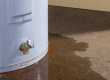
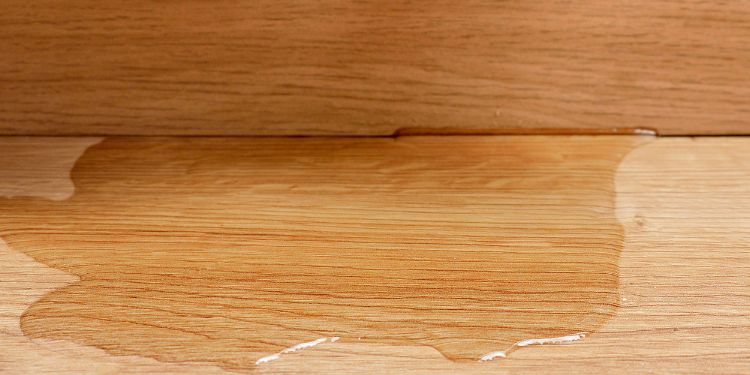
Another common sign is the presence of warm spots on your floors, especially if the leak is coming from a hot water line. In many Richardson homes, hot water pipes run beneath concrete floors; when one begins to leak, the heat transfers upward and can be felt underfoot. You may also see areas of flooring that appear slightly darker, warped, or damp, especially along baseboards or in low-traffic corners where water has time to collect.
Structural and environmental changes are also key red flags. You might notice new cracks in walls, ceilings, or tile floors, doors that suddenly stick, or windows that don’t close as smoothly as before. These can all signal that the foundation is shifting due to moisture changes beneath the slab. If you see more than one of these signs at the same time, it is time to contact a specialist like Casto Leak Detection in Richardson for professional evaluation before the problem escalates.
Use Professional Leak Detection Technology
Once you suspect a slab leak, the next tip from the experts is to avoid destructive guesswork. In the past, contractors might have broken through large sections of concrete trying to track down the source of the leak. Today, modern leak detection technology allows specialists to locate leaks with remarkable accuracy and minimal disruption. This is where a company that focuses on leak detection, rather than general plumbing alone, really stands out.
Professionals use tools such as electronic listening devices, acoustic sensors, and ground microphones to pinpoint the sound of water escaping from pressurized pipes beneath the slab. Thermal imaging cameras may also be used to detect temperature differences in the flooring, which can reveal hot water leaks. In some cases, tracer gas or pressure testing can help identify tiny or complex leaks that are not obvious through sound or heat signatures alone.
In a community like Richardson, where many properties share similar construction styles and slab foundations, experienced technicians from Casto Leak Detection bring not only equipment but also local knowledge. They are familiar with how water lines are typically routed, the common failure points, and how local soil conditions impact leak behavior. This combination of advanced tools and real-world experience dramatically reduces the amount of cutting or drilling required and leads to more accurate, efficient repair planning.
Compare Repair Options Carefully
Locating the leak is just the beginning. The next expert tip is to understand that there is rarely a one-size-fits-all repair method. The right solution depends on several factors: the age and material of your pipes, the location and severity of the leak, the condition of the surrounding plumbing, and your long-term plans for the property. A careful evaluation with a trusted professional in Richardson is essential before you approve any work.
One common approach is direct access repair. This involves breaking through the concrete slab at the precise leak location, repairing or replacing the damaged section of pipe, and then patching the slab and floor. This method is often cost-effective for single, easily accessible leaks, especially when the rest of the plumbing is in good condition. However, it is intrusive: flooring must be removed, concrete cut, and dust and noise managed throughout the process.
Another option is rerouting or bypassing the leaking line. Instead of opening the slab, a new section of pipe is run through walls, ceilings, or attics, effectively abandoning the old line under the concrete. This can be an excellent choice when pipes under the slab are aging, corroded, or likely to fail again. While rerouting may require drywall repairs and some visible changes, it often reduces the risk of future slab leaks and can be less disruptive to the foundation itself.
In some cases, especially in older homes with widespread pipe deterioration, whole-house repiping may be the most sensible long-term solution. Though this is a larger upfront investment, it can prevent repeated slab leaks and ongoing patchwork repairs. An experienced team like Casto Leak Detection can walk you through each option, helping you compare short-term savings against long-term reliability so you are not just fixing today’s leak but protecting your home for years to come.
Protect Your Foundation During Repairs
When repairing a slab leak, it is not enough to fix the pipe alone; you must also consider how the repair will affect the foundation and structure. Expert tip: treat every slab leak as both a plumbing issue and a structural concern. Water escaping beneath the slab can wash away supporting soil, create voids, and cause uneven settling. If the leak has been active for a while, the surrounding area under the slab may be compromised.
Professional technicians will often evaluate the extent of moisture and soil conditions around the leak area. If the soil has become soft or eroded, they may recommend additional steps such as backfilling, compacting, or coordinating with a foundation specialist. This is particularly important in regions like Richardson, where clay-heavy soils can expand and contract dramatically with changes in moisture, amplifying the impact of leaks under the slab.
After the pipe is repaired or rerouted, attention turns to restoring the slab and flooring. Proper concrete patching techniques are crucial to maintaining the structural integrity of the foundation. The repair area should be reinforced and leveled carefully to avoid creating weak spots. Flooring materials, whether tile, wood, or carpet, must be reinstalled with attention to moisture levels to prevent future problems like warping or mold. Choosing a seasoned provider ensures that the entire system—pipes, slab, and floor—returns to a stable, safe condition.
Prevent Future Slab Leaks
Expert advice does not stop once the immediate leak is resolved. The smartest strategy is to reduce the chances of ever facing another slab leak. One key preventative tip is regular plumbing inspections, especially in homes over 20 years old or with known history of leaks. A periodic check of water pressure, visible pipe conditions, and system performance can reveal early warning signs before they turn into major slab issues.
Water pressure regulation is another crucial factor. Excessively high water pressure places constant stress on pipes, joints, and fittings, increasing the likelihood of failures under the slab. Installing or adjusting a pressure-reducing valve can extend the life of your plumbing system significantly. In Richardson, where municipal pressure can vary, this small step can make a big difference in preventing leaks in buried lines.
Pipe material selection also plays a role in long-term protection. If you are replacing or rerouting lines, consider modern materials that are more resistant to corrosion, chemical reactions, and abrasion. Discuss with your plumber which materials are best suited to local water conditions and building codes. Additionally, pay attention to your home’s drainage and grading: gutters, downspouts, and yard slopes should direct water away from the foundation, not toward it. Keeping the soil around your home stable and properly hydrated reduces movement that can stress your slab and plumbing.
Choose A Local Specialist You Trust
The final and perhaps most important expert tip is to work with a local slab leak specialist who understands Richardson’s homes, soil, and infrastructure. While many plumbers can handle general repairs, slab leak detection and solutions require a specific set of skills, tools, and experience. Misdiagnosis, unnecessary demolition, or incomplete repairs can cost you far more in the long run than hiring the right expert from the start.
A company like Casto Leak Detection focuses on pinpointing leaks accurately, explaining your repair choices clearly, and tailoring solutions to your budget and long-term plans. They are familiar with the way homes in Richardson are built, the most common slab leak patterns in the area, and the best repair strategies for local conditions. This local insight, combined with specialized equipment, significantly increases the chances of a clean, efficient, and lasting repair.
When evaluating any contractor, ask about their leak detection methods, experience with slab foundations, and how they handle cleanup and restoration. Request a clear explanation of each repair option, including potential risks and benefits. A true professional will welcome your questions, provide detailed answers, and help you feel confident in your decisions. Your home’s foundation and plumbing system are too important to leave to guesswork or rushed solutions.
Frequently Asked Questions
How do I know if I really have a slab leak? Common signs include unexplained increases in your water bill, the sound of running water when all fixtures are off, warm spots on the floor, damp or discolored flooring, and new cracks in walls or tiles. In some Richardson homes, you may also notice areas of the yard that stay soggy or greener than surrounding grass. The only way to confirm a slab leak with certainty, however, is through professional leak detection. Specialists use listening devices, pressure tests, and thermal imaging to determine whether water is escaping beneath the slab and where it is coming from.
Is it always necessary to break the concrete slab to fix a leak? Not always. Direct access through the slab is one option, especially if the leak is isolated and the rest of the plumbing is in good condition. However, many homeowners in Richardson choose rerouting, where a new pipe is installed through walls or ceilings, bypassing the damaged section under the slab. In some situations, partial or full repiping may be recommended if the existing pipes are old or severely deteriorated. A qualified professional like Casto Leak Detection will evaluate your specific situation and explain the pros and cons of each approach.
How long does slab leak repair usually take? The timeline depends on the complexity of the leak and the chosen repair method. Simple direct access repairs for a single leak might be completed in a day or two, including cutting the slab, repairing the pipe, and patching the concrete. Rerouting or repiping projects can take several days, especially if multiple lines are involved or walls and ceilings require extensive access. Additional time may be needed for flooring replacement and cosmetic restoration. A reputable contractor will give you a realistic schedule up front and keep you informed as work progresses.
Will my homeowner’s insurance cover slab leak repairs? Coverage varies widely between policies and insurance companies. In many cases, insurance may help pay for damage caused by the leak, such as ruined flooring or drywall, but not always for the plumbing repair itself. Some policies provide limited coverage for accessing the leak, while others may exclude slab-related issues altogether. The best approach is to contact your insurance provider as soon as a leak is confirmed and ask specifically what is and is not covered. Detailed documentation from a professional company in Richardson, including photos and reports, can strengthen your claim.
Can slab leaks affect other plumbing systems like my water heater? Yes, slab leaks can place additional strain on your entire plumbing system. Continuous water loss may cause your water heater to run more often, increasing energy use and wear on the unit. If hot water lines under the slab are leaking, your heater may work harder to maintain temperature. Addressing slab leaks promptly helps protect other components, including fixtures and appliances. If you suspect broader plumbing issues, you can also explore services such as Water Heater Repair along with leak detection to keep your whole system operating safely and efficiently.