Understanding the Process of Leak Detection
A small hidden leak in a Richardson home or business can quietly waste thousands of gallons of water a year, drive up utility bills, and even undermine a concrete foundation. The EPA estimates that household leaks nationwide can waste nearly 10,000 gallons of water annually—and North Texas properties with older plumbing or shifting clay soil are especially vulnerable.
For property owners in Richardson, Plano, Garland, and the greater Dallas area, understanding how modern leak detection works isn’t just “nice to know.” It’s the difference between a quick fix and a major foundation repair, between a simple pipe repair and tearing out floors or walls unnecessarily.
This guide walks you through how professional leak detection actually works—step by step. You’ll see what tools are used, what to expect during a service call, and how non-destructive testing can protect your home, business, and budget. You’ll also learn how a specialized team like Casto Leak Detection approaches everything from slab leaks to water heater issues so you can make informed decisions the next time something doesn’t seem quite right.
Key Insight: The more you understand about the leak detection process, the better prepared you are to act early, avoid guesswork, and choose the right specialist for your property.
Why Early Leak Detection Matters So Much in North Texas
North Texas has a perfect storm of conditions that make undetected leaks more dangerous than many people realize. Our expansive clay soil swells when it’s wet and shrinks during dry spells. That constant movement puts stress on underground pipes and concrete slabs. Add aging plumbing in many Richardson neighborhoods, and you have a real recipe for hidden leaks.
A slow leak under a slab or behind a wall might start as a slightly warm floor or a faint hissing sound. Months later, it can turn into:
- Foundation movement and cracks
- Warped flooring or baseboards
- Mold growth and musty odors
- Skyrocketing water bills
One Richardson homeowner recently called after noticing a damp spot on their dining room floor that wouldn’t dry. The initial assumption was a spilled drink. Within a week, the area had spread, and the wood flooring began to cup. A thorough inspection revealed a hot water line leak under the slab. Because they called early, our team isolated the issue quickly and used targeted slab leak detection and repair methods, limiting demolition to a small section of flooring instead of the entire room.
“Most of the damage from leaks doesn’t come from the leak itself—it comes from how long the leak goes unnoticed.” — Senior Technician, Casto Leak Detection
Early, professional leak detection services give you the chance to address minor issues before they become structural problems. That’s especially important for slab-on-grade homes and commercial buildings common throughout Richardson and surrounding communities.
CALLOUT: If you’re seeing unexplained moisture, hearing water when no fixtures are running, or noticing a sudden spike in your water bill, it’s time to bring in a specialist—waiting rarely makes the problem cheaper.
How Professional Leak Detection Actually Works
Leak detection isn’t guesswork and it’s not “poking holes until something shows up.” A true water leak detection specialist uses a combination of tools, testing methods, and experience to pinpoint leaks as accurately and non-invasively as possible.
A typical visit from a professional plumbing contractor who specializes in leaks follows a structured process:
1. Initial Interview and Visual Inspection
The technician starts by asking questions:
- When did you first notice the problem?
- Have you had previous leaks or plumbing work?
- Are certain rooms warmer, noisier, or damp?
They’ll walk the property, looking for subtle clues: hairline cracks, moisture staining, warped trim, or warm spots on tile floors. This helps narrow down where to focus more advanced testing.
2. Meter and Pressure Testing
Next, the technician may perform:
- Meter tests – Turning off all fixtures and watching the water meter to see if it still moves, confirming a hidden leak.
- Pressure tests – Pressurizing specific lines (hot, cold, irrigation, or gas) and monitoring for pressure drops that indicate a leak.
For example, a Richardson business owner with a high water bill but no visible leaks had their building’s main water line pressure-tested. The test showed a slow, continuous pressure loss—evidence of an underground leak between the meter and the building.
3. Acoustic and Thermal Imaging
Once a leaking line is identified, specialized tools come into play:
- Acoustic listening devices amplify the sound of water escaping under slabs, in walls, or underground.
- Thermal imaging cameras pick up temperature differences, revealing hot water leaks or saturated areas behind surfaces.
This non-destructive approach is part of why modern plumbing leak detection and repair is so effective. Instead of tearing up large areas, the technician can zero in on a small, targeted spot.
“The best leak detection saves you from unnecessary demolition. We want to open the smallest possible area to reach the leak.” — Lead Leak Detection Specialist, Casto Leak Detection
4. Confirmation and Repair Plan
Once the leak’s location is confirmed, the technician explains:
- Where the leak is
- What’s causing it (corroded pipe, failed fitting, slab movement, etc.)
- Recommended repair options and what each entails
At this point, a specialized team can transition from detection to repair, often in the same visit, minimizing downtime and disruption.
Traditional vs. Modern Leak Detection: What’s the Real Difference?
Decades ago, leak detection often meant guesswork, large-scale demolition, and “exploratory” cutting into concrete, walls, or ceilings. Today, Richardson property owners have access to far more precise, non-invasive options.
Here’s how the two approaches compare:
| Aspect | Traditional Approach | Modern, Non-Invasive Approach |
|---|---|---|
| Detection Method | Visual guesswork, large demo areas | Acoustic, thermal, pressure, and electronic testing |
| Property Damage | High (walls/floors opened in multiple spots) | Low (small, targeted access points) |
| Time to Locate Leak | Hours to days | Often within 1–2 hours |
| Accuracy | Variable, often approximate | High, within a few inches in many cases |
| Cost Over Time | Higher due to repairs and restoration | Lower due to minimized demolition and faster diagnosis |
| Best For | None (largely outdated) | Homes, businesses, slab foundations, underground lines |
A recent case in Richardson highlights this difference. A homeowner had a warm spot in the hallway and was told by another company that they’d need to jackhammer a large section of the slab “to see what’s going on.” Instead, they called a dedicated underground leak detection company. Using acoustic listening and thermal imaging, the leak was pinpointed to a specific elbow joint in the hot water line. Only a small, square section of concrete was opened, the pipe was repaired, and the slab was patched—all in a fraction of the time and cost.
For complex issues like slab leaks, working with a concrete slab leak specialist who offers slab leak repair services can mean the difference between a precise, surgical repair and a major construction project.
Understanding Slab Leaks: The Hidden Threat Under Your Feet
Slab leaks are among the most serious plumbing problems for Richardson homeowners and businesses because they occur in the pressurized water lines running beneath your concrete foundation. Left untreated, they can erode soil, shift foundations, and cause extensive structural damage.
How Slab Leaks Start
Common causes include:
- Soil movement and foundation shifting
- Corrosion of copper pipes
- Poor installation or pipe supports
- Friction between pipes and the slab
Because these leaks are hidden, the warning signs can be subtle:
- Warm or damp spots on flooring
- Cracks in tile, walls, or ceilings
- Running water sounds with all fixtures off
- Constantly running water heater
- Higher-than-normal water bills
One North Richardson family noticed their toddler preferred playing on a particular area of the living room floor because it was “cozy warm.” They assumed it was sunlight from the nearby window. Months later, they spotted a crack forming in the adjacent wall. A call to a foundation slab leak repair company revealed a hot water slab leak directly under that spot.
How Professionals Handle Slab Leaks
A concrete slab leak specialist will:
- Use electronic listening equipment and thermal imaging to locate the leak
- Confirm whether it’s on the hot or cold line
- Evaluate access options: direct access through the slab, rerouting lines overhead, or tunneling beneath the foundation
Each property is different. In some Richardson homes with accessible attics, rerouting may be preferred to avoid cutting through finished flooring. In others, a precise direct access repair is the most efficient and least disruptive.
“For slab leaks, the right repair is the one that fixes the problem, protects the structure, and makes the most sense for that specific home or building.” — Project Manager, Casto Leak Detection
For true emergencies—rapidly spreading water, severe foundation movement, or major pressure loss—an emergency slab leak repair team can respond quickly to stabilize the situation and prevent further damage.
How Leak Detection Ties Into Water Heaters, Drains, and Fixtures
Leak detection isn’t only about buried pipes and slabs. Many of the calls a residential plumbing company receives in Richardson start with symptoms that look like “just” a bad water heater, clogged drain, or leaking toilet—until testing reveals a deeper issue.
Water Heaters and Leak Detection
Water heaters can both cause and reveal leaks:
- A constantly running water heater may signal a hidden hot water slab leak.
- Drips from the temperature and pressure relief valve can indicate high pressure in the system.
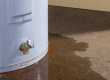
- Rust or water pooling around the base might be a failing tank.
When a technician inspects a failing water heater, they’re also looking for signs of broader system issues. Sometimes, what looks like a failing tank is actually a leak somewhere else in the hot water lines.
If replacement is needed, a professional hot water heater installation team can recommend the right solution—whether that’s traditional water heater installation services, tankless water heater installation, or specialized gas water heater installation—and ensure that any underlying leak issues are addressed at the same time.
Drains, Sewer Lines, and Fixtures
Leaks are not limited to pressurized water lines. Casto Leak Detection frequently sees:
- Hidden drain line leaks inside walls or under slabs
- Sewer gas odors from cracked or misaligned lines
- Fixture leaks at toilets, faucets, and showers that slowly damage cabinets and subfloors
Targeted drain repair installation, drain cleaning and jetting, and fixture repair installation services often start with diagnostic testing similar to water line leak detection.
Leak detection is most powerful when it’s integrated with broader plumbing services—that way, you’re not just fixing what you can see, but also preventing the problems you can’t see yet.
Choosing the Right Leak Detection Partner in Richardson
Not all plumbers specialize in leak detection. And not every company that offers leak detection has the training, equipment, or experience to handle complex slab or underground issues.
When you’re comparing options, consider:
1. Specialization and Experience
Ask:
- Do they focus on leak detection and repair, or is it a small part of their business?
- How many slab leaks or underground leaks do they handle in a typical month?
- Are they familiar with local soil conditions and building practices in Richardson?
A local licensed plumber who works in this area daily understands how North Texas clay soil, older copper lines, and slab-on-grade construction interact.
2. Technology and Methods
Look for:
- Acoustic listening devices
- Thermal imaging cameras
- Pressure testing equipment
- Non-invasive water, sewer, and gas diagnostics tools
“If a provider’s first suggestion is to start cutting without testing, that’s a red flag.” — Operations Manager, Casto Leak Detection
3. Transparent Explanations and Options
A trustworthy emergency plumbing services provider will:
- Explain findings in plain language
- Show you readings, images, or test results when possible
- Outline multiple repair options when they exist, with pros and cons for each
4. Integrated Repair Capabilities
Leak detection is only half the battle. You also need a team capable of:
- Precise pipe repairs or reroutes
- Coordinating with restoration or flooring contractors if needed
- Handling related services like toilet repair installation or general plumbing repairs uncovered during the process
Working with a professional plumbing contractor that can take you from diagnosis through final repair saves time, reduces stress, and ensures accountability from start to finish.
Cost, Disruption, and Timelines: What to Expect
Leak detection often sounds intimidating to property owners because they envision jackhammers, torn-up floors, and days without water. Modern techniques are much more streamlined—and understanding the typical flow can reduce anxiety.
Typical Leak Detection Timeline
- Initial call & scheduling: Same day or next day for urgent issues
- On-site diagnosis: 1–3 hours, depending on complexity
- Repair planning: Often same-day for straightforward leaks
- Repair work: From a few hours to a full day for most residential jobs
Larger commercial properties in Richardson may require more extensive diagnostics, but the same principles apply.
Cost vs. Risk: A Practical View
Here’s a simple way to think about it:
| Scenario | Upfront Cost | Potential Risk if Ignored |
|---|---|---|
| Professional leak detection now | Moderate | Low – problem identified and contained early |
| Waiting to “see if it gets worse” | $0 today | High – structural damage, mold, higher bills |
| DIY guesswork and partial repairs | Low to moderate | Medium to high – missed leaks, repeat problems |
In one Richardson case, a business owner hesitated to authorize leak detection because “the floors looked fine.” Three months later, they were facing both a major slab repair and mold remediation in a storage area. The total cost ended up being many times what early, non-invasive leak detection and targeted repair would have been.
What This Means for Businesses in Richardson, TX
For commercial property owners and managers in Richardson, the stakes are even higher. Water leaks don’t just affect your building—they can disrupt operations, damage inventory, and impact customer experience.
Common scenarios include:
- A restaurant with a slab leak that warms a section of dining room floor and threatens tile and grout.
- An office building with an underground main line leak causing soft spots in landscaping and parking areas.
- Retail spaces where a slow roof drain or restroom leak leads to ceiling staining and potential safety hazards.
A local provider that understands both residential and commercial systems can tailor leak detection to your business realities:
- Scheduling diagnostics during off-hours to minimize disruption
- Coordinating with building management and other trades
- Prioritizing safety and code compliance, especially for gas and sewer issues
For example, a small office park in Richardson recently noticed an unexplained spike in the shared water bill. Rather than each tenant calling their own plumber, the property manager brought in a single leak detection specialist. By systematically testing each segment of the system, the team found an underground leak in the main line serving two suites. The repair was coordinated over a weekend, and tenants returned Monday with full service restored and no interior damage.
For businesses, early leak detection isn’t just about saving on repairs—it’s about protecting your brand, your operations, and the experience you provide to customers and employees.
Frequently Asked Questions
Q: How do I know if I need professional leak detection or just a simple plumbing repair?
A: If you can clearly see the problem—like a dripping faucet or a visible pipe leak under a sink—standard plumbing services may be all you need. Leak detection becomes important when symptoms don’t match what you can see: warm spots on floors, unexplained water sounds, musty odors, or higher water bills without obvious leaks. In Richardson homes with slab foundations, these signs often point to hidden issues under the concrete. A water leak detection specialist can test your system and confirm whether it’s a simple fix or something that requires more advanced diagnostics.
Q: Are non invasive leak detection services really accurate under a concrete slab?
A: Yes, when performed by an experienced concrete slab leak specialist using the right equipment. Acoustic listening devices, pressure testing, and thermal imaging can typically narrow down the leak location to a very small area—often within a few inches. This allows for targeted access instead of opening large sections of flooring. In Richardson, where most homes and many businesses are built on slabs, these methods have become the industry standard for slab leak detection and repair. Accuracy depends heavily on the technician’s training and experience, which is why choosing a dedicated leak detection company matters.
Q: What’s the difference between a regular plumber and a leak detection specialist?
A: A local licensed plumber handles a wide range of repairs—fixtures, drains, water heaters, and more. A leak detection specialist focuses specifically on finding hidden leaks using advanced testing and diagnostic tools. Many companies offer both, but not all have deep expertise in leak detection. Specialists invest in equipment like acoustic listening devices, thermal cameras, and gas tracing tools, and they’re trained to interpret subtle clues that others might miss. For routine fixes, a general plumber is often sufficient. For unexplained damage, recurring issues, or suspected slab leaks, a dedicated underground leak detection company is the better choice.
Q: How do slab leaks relate to my water heater or hot water system?
A: Many slab leaks in Richardson involve hot water lines. When a hot water pipe under the slab leaks, your water heater has to work constantly to keep up, which can shorten its lifespan and drive up energy bills. Signs like a water heater that never seems to shut off, lukewarm water despite a high setting, or frequent pilot outages can point to a hidden hot water leak. Before replacing your water heater, it’s smart to have a technician experienced in water heater repair services check for leaks in the system. Otherwise, you might install a new unit only to have the same symptoms return because the real problem is under your slab.
Q: Will my insurance cover leak detection and repair costs?
A: Coverage varies by policy, but many homeowner policies in Texas will help with sudden and accidental water damage and sometimes with access to the leak. Coverage for the actual pipe repair or slab work can differ widely. Typically, insurers want documentation showing where the leak is, what caused it, and how it was repaired. Working with a professional plumbing contractor who can provide clear reports, photos, and invoices improves your chances of reimbursement. It’s a good idea to call your insurance agent early in the process and ask what documentation they’ll need if you end up filing a claim.
Q: How fast should I act if I suspect a slab leak or underground leak?
A: As quickly as possible. Water leaks rarely stay the same—they tend to worsen over time. In Richardson’s clay soil, ongoing leaks can soften and shift the ground under your slab, leading to foundation movement, cracks, and even misaligned doors and windows. The longer you wait, the more likely you’ll face structural repairs in addition to plumbing work. Calling for leak detection services early usually means a smaller repair area, less demolition, and lower overall costs. Many providers offer emergency plumbing services for urgent situations where water is actively surfacing or causing visible damage.
Q: Can tankless water heaters develop leaks that require special diagnostics?
A: They can, although the nature of the problem is often different from traditional tank units. Tankless systems have internal components and connections that can leak, and they also rely on existing hot and cold lines running through your walls and slab. If a tankless unit in your Richardson home seems to be working harder than usual, or you notice moisture around the unit or nearby walls, a technician experienced in tankless water heater repair can evaluate both the equipment and the connected plumbing. In some cases, a suspected “tankless problem” turns out to be a slab or wall leak nearby.
Ready to Get Started?
Water doesn’t wait, and neither should you. If something feels off—whether it’s a warm spot on the floor, a musty odor in one room, or a water bill that suddenly jumped—those are your early warning signs. Acting now gives you options: smaller repairs, less demolition, and a better chance of avoiding structural damage.
Casto Leak Detection serves Richardson and the surrounding areas with focused expertise in leak detection, slab leak repair, and integrated plumbing solutions. From pinpointing underground leaks to coordinating residential water heater replacement, our licensed technicians combine advanced diagnostics with practical repair strategies that respect your time, property, and budget.
Next steps are simple:
- Make note of any symptoms you’ve seen (sounds, warm spots, moisture, bills).
- Call to schedule an on-site assessment at a time that works for you.
- Get a clear explanation of findings and repair options before any work begins.
North Texas soil and aging infrastructure aren’t going to get easier on your plumbing. The sooner you bring in a specialist, the more control you have over the outcome.
About Casto Leak Detection
Casto Leak Detection is a locally owned leak detection and plumbing specialist based in Richardson, TX. With years of experience working on North Texas homes and businesses, our team focuses on accurate diagnostics, non-invasive testing, and long-lasting repairs. From leak detection services and slab leak repair to water heater and drain solutions, we bring deep local knowledge and professional care to every job. Learn more about our services and values at https://castoleakdetection.com/.