Leak Detection: Safeguarding Your Property Effectively
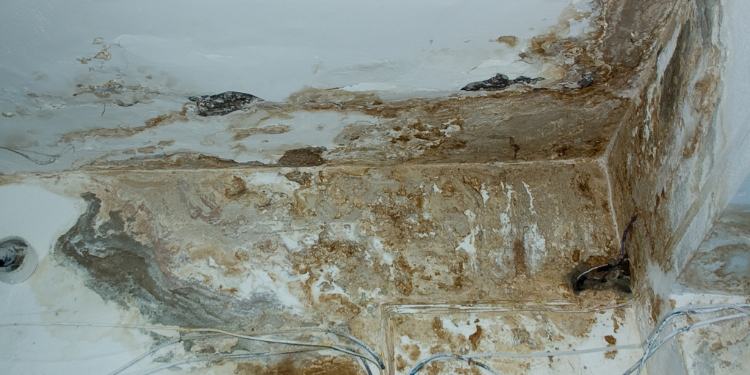
It’s Monday morning in Richardson, TX. You unlock your office or walk into your home and notice a musty smell, a warm spot on the floor, or a spike in your water bill you can’t explain. By the time you see visible water, the leak has often been there for weeks—sometimes months—silently damaging your foundation, walls, and mechanical systems.
Across Texas, plumbing leaks are one of the leading causes of property damage claims. Nationally, water damage and freezing account for nearly 1 in 4 homeowner insurance claims, with average losses running into the thousands of dollars. In North Texas, our clay soils, slab-on-grade foundations, and temperature swings make hidden leaks especially risky for both homes and commercial spaces.
This guide walks you through how leak detection really works, why it matters so much in Richardson, and how to protect your property with smart decisions—not panic moves. You’ll learn how to recognize early warning signs, what modern non-invasive leak detection looks like, how slab leaks threaten your foundation, and how Casto Leak Detection can help you solve problems efficiently and effectively.
Key Insight: The earlier you detect and repair a leak, the more you protect your foundation, your budget, and your long-term peace of mind.
Why Leak Detection Matters So Much in Richardson, TX
Richardson sits on expansive clay soil that swells when wet and shrinks when dry. That constant movement puts stress on your plumbing lines, especially those buried under concrete slabs or running through yards and driveways. Combine that with aging water lines in older neighborhoods and new construction settling in newer developments, and you’ve got a perfect storm for hidden leaks.
Water rarely announces itself loudly at first. You might see:
- A faint damp spot on carpet or flooring
- Slight warping in baseboards
- A warm or cold patch on a tile floor
- A water bill that’s 15–30% higher than normal
By the time water seeps through your slab or walls, it may have already eroded soil, rusted pipes, and weakened structural components. That’s when a simple plumbing issue turns into a foundation concern and a major restoration project.
“Most of the worst water damage jobs we see started as a small, slow leak that went unnoticed for months.” — Local Plumbing Expert
For businesses in Richardson’s office parks and retail centers, even a small leak can lead to:
- Downtime for your staff or tenants
- Mold concerns in shared spaces
- Damage to inventory, equipment, or IT rooms
Effective, fast leak detection services help you stay ahead of these issues, avoid unnecessary demolition, and get targeted repairs done before the damage spreads.
CALLOUT: Addressing a suspected leak early almost always costs less than waiting until it becomes obvious.
How Modern Leak Detection Works (Without Tearing Up Your Property)
Decades ago, leak detection often meant guesswork and jackhammers. Today, a trained water leak detection specialist uses advanced tools to pinpoint problems with minimal disruption.
Tools of the Trade
Modern leak detection may include:
- Acoustic listening equipment
Highly sensitive devices that “hear” leaks through walls, floors, and slabs by amplifying the sound of escaping water.
- Thermal imaging cameras
These reveal temperature differences in walls and floors, showing where hot or cold water is moving where it shouldn’t.
- Pressure and isolation testing
By isolating sections of your plumbing system, technicians determine which line is losing pressure and where to focus.
- Tracer gas or dye tests
In complex systems, safe tracer gas or dyes may be used to track the path of leaks.
A local Richardson homeowner recently called after noticing a small warm spot on their living room floor. Instead of ripping up the entire area, our technician used acoustic equipment and thermal imaging to narrow the leak to a 2-square-foot section under the slab. We then performed targeted plumbing leak detection and repair, saving the homeowner from replacing the entire floor.
Non-Invasive vs. Destructive Methods
Here’s how traditional “search and destroy” compares with modern non-invasive detection:
| Approach | Traditional (Destructive) | Modern (Non-Invasive) |
|---|---|---|
| Method | Cut walls/floors to search visually | Acoustic, thermal, pressure testing first |
| Property impact | High – large demo areas | Low – small, targeted access points |
| Time to locate leak | Hours to days | Often within 1–3 hours |
| Typical cost in Richardson | Higher due to repair/restoration | Lower overall, even with specialized equipment |
| Risk of “wrong spot” | Significant | Reduced with multiple diagnostic tools |
By combining multiple diagnostic techniques, a professional can give you a clear picture of what’s happening behind the scenes before any major decisions are made.
Slab Leaks: The Hidden Threat Beneath Your Foundation
In Richardson, most homes and many commercial properties sit on concrete slabs. When a water line running under that slab develops a leak, it’s called a slab leak—and it’s one of the most serious plumbing issues you can face.
Why Slab Leaks Happen Here
Common causes include:
- Soil movement from our North Texas clay
- Corrosion of copper pipes in older homes
- Poor installation or pipe support in newer builds
- High water pressure stressing joints and fittings
Over time, that hidden leak can wash out soil beneath your slab, weaken structural support, and cause:
- Cracks in walls or floors
- Doors and windows that stick or won’t close properly
- Hot spots on floors above hot water lines
- Persistent moisture or mildew smells
A local restaurant near US-75 called us after noticing their tile floor warming up in one section of the dining area. Their first thought was a faulty HVAC duct. Our diagnostics quickly found a hot water slab leak. Because we specialize as a concrete slab leak specialist, we were able to locate the leak precisely, bypass the damaged section, and keep the restaurant open with minimal downtime.
“Slab leaks are as much a structural issue as a plumbing issue. Catching them early can literally protect your foundation.” — Foundation & Plumbing Consultant
Repair Options for Slab Leaks
Depending on the location and extent of damage, slab leak repair services might include:
- Spot repair: Accessing the leak directly through the slab and repairing or replacing that section of pipe.
- Rerouting: Running new water lines through walls or ceilings to bypass damaged under-slab pipes.
- Repiping: In older homes with multiple leaks, replacing entire water lines may be more cost-effective long-term.
Here’s a quick comparison:
| Option | Best For | Pros | Cons |
|---|---|---|---|
| Spot repair | Single, accessible leak | Least invasive to walls/ceilings | Still relies on older under-slab piping |
| Rerouting | Repeated leaks in one area | Bypasses problem zone entirely | Some wall/ceiling access needed |
| Repiping | Older homes with widespread pipe issues | Long-term solution, improves reliability | Higher upfront investment |
A true foundation slab leak repair company will walk you through these options, with clear cost and disruption comparisons, so you can make an informed decision.
Protecting Your Water Heaters and Fixtures from Leak Damage
Not all leaks come from hidden pipes in the walls or under the slab. Water heaters, toilets, and fixtures are frequent sources of leaks that can cause significant damage if ignored.
Water Heaters: Silent Drips, Big Consequences
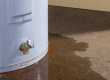
In Richardson, garages and utility closets often house water heaters. A slow drip from the tank, temperature and pressure relief valve, or connections can go unnoticed until you see rust, puddling, or mold.
Common signs you need water heater repair services:
- Rust-colored water
- Popping or rumbling sounds from the tank
- Water around the base of the unit
- Inconsistent hot water or sudden temperature changes
For tankless systems, leaks can occur at connections or from internal components. A homeowner in Canyon Creek recently called about “mysterious water” in a hallway closet. We traced it back to a small but steady leak on the hot outlet of their tankless unit. Quick tankless water heater repair prevented damage to the adjacent bedroom and flooring.
When replacement makes more sense than repair, water heater installation services can upgrade you to a more efficient system—standard tank, tankless water heater installation, or gas water heater installation—with proper pan, drain, and shutoff setup to minimize future leak risks.
Fixtures, Toilets, and Drains
Leaky faucets and toilets may seem minor, but they waste water and can damage cabinets, floors, and subfloors over time.
Casto Leak Detection also provides:
- fixture repair and installation to stop drips and upgrade aging fixtures
- toilet repair and installation to address running toilets, leaks at the base, and wax ring failures
- drain repair and installation when slow or backing-up drains indicate damaged or misaligned piping
“Small fixture leaks are like slow financial leaks—easy to ignore, but they add up on your bill and in repair costs over time.” — Plumbing Industry Report
Routine checks by a local licensed plumber can spot these problems early and keep your home or business running smoothly.
Preventing Drain and Sewer Leaks Before They Turn Ugly
Water supply leaks get a lot of attention, but drain and sewer leaks can be just as destructive—and more unpleasant. In Richardson’s mix of older and newer neighborhoods, we frequently see:
- Cast iron drain lines rusting through in older homes
- Tree roots invading sewer lines in established neighborhoods
- Bellied or sagging pipes causing backups and leaks
How Drain and Sewer Issues Show Up
Signs you may need drain cleaning and jetting or repair include:
- Recurring clogs in the same drain
- Multiple fixtures backing up at once
- Gurgling sounds in toilets or tubs when other fixtures drain
- Sewage odors inside or outside your property
- Wet or unusually green patches in your yard
A small office building off Arapaho Road experienced recurring backups in their restrooms. Standard snaking cleared the issue temporarily, but it kept coming back. We performed water, sewer, and gas diagnostics with camera inspection and found a cracked sewer line under the parking lot. Targeted drain repair and installation solved the problem and eliminated the need for constant emergency calls.
Cleaning vs. Repair: What’s Right for You?
| Need | Cleaning / Jetting | Repair / Replacement |
|---|---|---|
| Best for | Grease, scale, minor root intrusions | Cracked, collapsed, or severely offset pipes |
| Methods | Snaking, hydro-jetting | Pipe replacement, spot repair, rerouting |
| Property impact | Minimal (inside drains, cleanouts) | Depends on pipe location and access |
| Frequency | As-needed or preventive maintenance | One-time (with normal maintenance afterward) |
Addressing these issues proactively keeps leaks and backups from damaging flooring, walls, and landscaping—and keeps your business or household functioning without embarrassing interruptions.
Building a Comprehensive Plumbing Protection Plan
Leak detection is most powerful when it’s part of a broader strategy to protect your property. That means combining diagnostics, repairs, and preventive maintenance into a plan that fits your home or business.
Start with a System Check
A professional professional plumbing contractor can perform a comprehensive assessment that may include:
- Inspecting visible supply lines and shutoff valves
- Checking water pressure and recommending regulators if needed
- Evaluating water heater age, condition, and safety features
- Testing for hidden leaks and listening for slab issues
- Running camera inspections on older or problematic drains
For a Richardson small business owner with a retail shop on Campbell Road, this kind of check found three issues in one visit: a slow leak at the water heater, a failing toilet fill valve, and an early-stage slab leak under the back storage area. Because we addressed them together, the owner avoided separate emergency visits and costly downtime.
Proactive Steps You Can Take
You can significantly reduce risk with a few simple habits:
- Know where your main water shutoff is and how to use it
- Check your water bill monthly for unexplained increases
- Look around toilets, under sinks, and near water heaters every few weeks
- Schedule periodic inspections for older properties or those with prior leaks
- Call a leak detection services specialist at the first sign of trouble
“Plumbing issues rarely get better on their own. A small call today can prevent a big claim tomorrow.” — Insurance Industry Data Review
By partnering with a reliable residential plumbing company that understands Richardson’s unique conditions, you turn reactive emergencies into manageable maintenance.
Fast Response: Why Emergency Services Matter
Water doesn’t wait for business hours, and leaks rarely happen at convenient times. Whether it’s a burst line in winter, a failed water heater on a Sunday, or a sudden slab leak, you need help quickly.
The Cost of Waiting
Every hour a major leak continues, it can:
- Increase the area of water damage
- Raise the risk of mold growth
- Complicate insurance claims
- Disrupt your home life or business operations
A Richardson family returned from a weekend trip to find water coming from under their front door. A supply line to an upstairs sink had failed. Because they were able to reach a team that handles emergency plumbing services and emergency water heater repair, the water was shut down quickly, the source was repaired, and remediation started the same day—significantly limiting damage.
Why Choose a Specialist Over a “Handyman Fix”
Emergency situations are not the time for guesswork. You want:
- A licensed, insured local licensed plumber
- Access to proper diagnostic tools
- Experience with emergency slab leak repair if needed
- Technicians familiar with both residential and light commercial systems
With the right team on call, you transform an overwhelming situation into a manageable one, with clear communication and a path back to normal.
What This Means for Businesses in Richardson, TX
For property managers, business owners, and commercial tenants in Richardson, leak detection is more than a maintenance line item—it’s risk management.
Office buildings near the Telecom Corridor, retail shops along Coit and Campbell, medical offices, and restaurants all rely on consistent plumbing performance. A single undetected leak can:
- Shut down restrooms or kitchens
- Damage inventory, computers, or medical equipment
- Create slip hazards for staff and customers
- Trigger health department concerns (for food service)
By working with a team experienced in plumbing leak detection and repair, you gain:
- Faster resolution when something goes wrong
- Documentation and diagnostics that support insurance claims
- Insight into recurring problem areas in your building
- Smart planning for future upgrades or replacements
Many Richardson businesses now include periodic plumbing checks in their facility plans, just like HVAC maintenance or fire inspections. It’s a small investment that pays off in fewer emergencies and more predictable operating costs.
For multi-tenant properties, such as office suites and retail centers, proactive leak detection also reduces disputes between tenants and landlords, because issues are documented and addressed early, with clear findings.
Frequently Asked Questions
Q: How do I know if I have a hidden leak in my Richardson home or office?
A: Subtle signs often appear before obvious water damage. Watch for unexplained increases in your water bill, sounds of running water when everything is off, warm or damp spots on floors, cracks that appear or worsen in walls or ceilings, or a musty odor you can’t locate. If you suspect a problem, a water leak detection specialist can perform non-invasive tests to confirm whether a leak exists and pinpoint its location without tearing up floors and walls.
Q: What makes slab leaks so serious compared to other plumbing leaks?
A: Slab leaks occur in pipes buried under your concrete foundation. They can wash out supporting soil, lead to foundation movement, and cause cracks in walls and floors. Because they’re hidden, they often go undetected longer than other leaks. In Richardson’s clay soils, that combination of water and soil movement is especially risky. A qualified foundation slab leak repair company uses acoustic equipment, thermal imaging, and pressure testing to locate the leak and recommend the best repair method—spot repair, reroute, or repipe.
Q: How disruptive is non-invasive leak detection to my business operations?
A: Modern non invasive leak detection services are designed to minimize disruption. Technicians use listening devices, cameras, and other diagnostic tools while your building remains largely functional. In many cases, businesses can stay open while testing is performed. If a repair is needed, your plumber will coordinate timing to reduce impact—often scheduling work during off-hours or lower-traffic periods when possible.
Q: Should I repair or replace my water heater if it’s leaking?
A: It depends on the source and the age of the unit. Minor leaks from fittings or valves can sometimes be fixed with water heater repair services. However, if the tank itself is leaking or the unit is at or past its expected lifespan (often 8–12 years for standard tanks), replacement is usually more cost-effective and safer. A technician experienced in residential water heater replacement and professional hot water heater installation can help you decide whether repair or replacement makes more sense based on your situation.
Q: Are tankless water heaters less likely to leak than traditional tanks?
A: Tankless units don’t store large volumes of water, so they eliminate the risk of a tank rupture, which can cause significant flooding. However, they still have connections, valves, and internal components that can leak if not installed or maintained properly. Working with a qualified technician for tankless water heater installation and tankless water heater repair ensures proper setup, gas sizing, venting, and ongoing performance, reducing the risk of leaks and extending the life of the unit.
Q: How often should I have my drains and sewer lines checked or cleaned?
A: For most Richardson homes, drains don’t need annual cleaning unless you have a history of problems. However, older homes with cast iron pipes, properties with large trees near sewer lines, or businesses like restaurants may benefit from regular drain cleaning and jetting as preventive maintenance. If you experience recurring clogs in the same area, it’s time for a diagnostic camera inspection through water, sewer, and gas diagnostics to identify underlying damage rather than just clearing the symptom.
Q: What should I do first if I discover a major leak or burst pipe?
A: Step one is always safety. Turn off the main water supply to your property—know where this valve is ahead of time. If water is near electrical outlets or panels, avoid standing water and consider turning off electricity to affected areas. Then call a local licensed plumber who offers emergency plumbing services. While you wait, move valuables and electronics out of the affected area and, if safe, start soaking up standing water with towels or a wet/dry vacuum to reduce damage.
Ready to Get Started?
Water damage doesn’t wait, and neither should you. Whether you’re noticing early warning signs—a warm spot on the floor, an unexplained spike in your water bill, or recurring drain issues—or you’re facing an active leak, the most important step is acting quickly and intelligently.
Casto Leak Detection serves Richardson and the surrounding area with specialized diagnostics, targeted repairs, and full-service plumbing solutions. From leak detection services and slab leak detection and repair to same day water heater repair service, we focus on solving problems efficiently while protecting your property.
Seasonal shifts in North Texas—especially dry summers and wet springs—put extra stress on your plumbing and foundation. That makes now an ideal time to schedule an inspection, address lingering concerns, or simply get a professional opinion before a small issue becomes a major repair.
Reach out today, share what you’re seeing, and get clear guidance on next steps. The sooner you act, the more options you have—and the more money and stress you can save.
About Casto Leak Detection
Casto Leak Detection is a locally owned plumbing and leak detection specialist based in Richardson, TX. Our licensed technicians bring years of experience in plumbing services, slab leak repair services, water heater solutions, and comprehensive water, sewer, and gas diagnostics for homes and businesses across North Texas. We combine advanced technology with a customer-first approach to deliver accurate diagnostics, honest recommendations, and long-lasting repairs. Learn more about our team and services at Casto Leak Detection’s website.