Advantages of Professional Water Heater Repair
A cold shower on a Monday morning in Richardson isn’t just inconvenient—it can throw off your entire day. In North Texas, where hard water is common and temperature swings can be dramatic, water heaters work overtime. That extra strain means more wear, more potential for leaks, and more chances for an untimely breakdown. According to the U.S. Department of Energy, water heating can account for up to 18% of a home’s energy use. When your system isn’t working properly, you’re not only uncomfortable—you’re wasting money every single month.
That’s why having a trusted, local licensed plumber to handle water heater issues isn’t a luxury; it’s a smart way to protect your home, budget, and peace of mind. In this guide, you’ll see why professional water heater repair is worth it, how it compares to DIY or “handyman” fixes, and what Richardson-area homeowners can do to extend the life of their system and avoid surprise emergencies.
Key Insight: Professional water heater repair delivers safer operation, longer equipment life, lower utility bills, and fewer emergencies—while protecting your home from leaks, water damage, and costly foundation problems.
Why Professional Repair Beats DIY for Water Heaters
On the surface, a water heater looks simple: a tank, some pipes, a thermostat, maybe a gas line. That perceived simplicity tempts a lot of homeowners to “just Google it” and start turning wrenches. But modern water heaters—especially high-efficiency and tankless models—are far more complex than they appear.
A water heater involves:
- Pressurized hot water
- Gas or high-voltage electrical connections
- Combustion air and venting
- Temperature and pressure safety controls
A mistake in any of these areas can lead to leaks, carbon monoxide issues, scalding water, or even tank rupture.
In Richardson, a homeowner in a 1980s brick ranch recently tried to replace a gas control valve on his own. He watched a video, bought the part, and thought everything went smoothly—until his spouse noticed a faint gas smell in the garage. They called a professional plumbing contractor, who found a small but dangerous gas leak at the connection. The repair cost less than the potential damage, but it was a close call.
“Anytime gas, electricity, and pressurized water are involved, DIY stops being a money-saver and starts being a safety risk.” — Licensed Plumbing Pro
Professional plumbers bring more than tools. They bring:
- Diagnostic experience: Quickly identifying whether the problem is the thermostat, heating element, gas valve, dip tube, or something else.
- Code knowledge: Ensuring your system meets current Richardson and Texas plumbing and safety codes.
- Warranty protection: Many manufacturers require water heater repair services by licensed pros to keep warranties valid.
CALLOUT: A “cheap” DIY fix that shortens your water heater’s life by 3–5 years can cost you far more than a professional repair that adds years of reliable use.
Protecting Your Home from Leaks and Hidden Damage
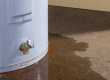
A failing water heater doesn’t always announce itself with a dramatic flood. Often, problems start as slow leaks, rust, or small temperature fluctuations. In North Texas, where many water heaters sit in garages, attics, or interior closets, those slow leaks can quietly damage drywall, flooring, and even your foundation.
Richardson homes built on slab foundations are especially vulnerable. A small hot water leak can seep into the concrete and surrounding soil, raising the risk of a slab leak. Once water starts traveling under your concrete, you may notice warm spots on the floor, higher water bills, or hairline cracks in tile and walls.
That’s where pairing expert water heater service with targeted plumbing leak detection and repair really pays off. A professional can:
- Check for corrosion around fittings and connections
- Test the temperature and pressure relief (TPR) valve
- Inspect for early signs of tank failure
- Identify whether a nearby slab leak is related to your hot water lines
Recently, a Richardson homeowner called about “sweating” around their water heater. The tank looked damp, but they couldn’t spot an obvious drip. A water leak detection specialist from Casto used non-invasive tools to determine the tank itself was intact, but a hot water line under the slab had developed a pinhole leak. Because it was caught early, a concrete slab leak specialist was able to perform slab leak detection and repair before major foundation damage set in.
CALLOUT: Professional water heater repair isn’t just about hot showers—it’s about preventing hidden water damage and protecting the most expensive part of your home: the foundation.
Safety, Code Compliance, and Peace of Mind
Water heaters are one of the few household systems where safety and code compliance intersect in a big way. Improper installation or repair can lead to:
- Gas leaks and carbon monoxide exposure
- Backdrafting of combustion gases
- Scalding hot water
- Tank over-pressurization and rupture
In Richardson, many homes have gas water heaters in garages, utility closets, or attics. Each of these locations carries specific code requirements for:
- Venting and combustion air
- Seismic strapping or bracing (where applicable)
- TPR valve discharge piping
- Drain pans and emergency drains (especially in attic installations)
A licensed gas water heater repair technician doesn’t just replace parts. They verify:
- Proper gas pressure and tight connections
- Correct vent size, slope, and termination
- Safe flue clearances from combustibles
- That the TPR valve is functional and properly piped
“Most serious water heater incidents we see aren’t from brand-new installs—they’re from years of small code violations and neglected maintenance adding up.” — North Texas Plumbing Inspector
A recent case in a Richardson townhouse illustrates this. The homeowner had a handyman replace their water heater to save money. The unit worked, but the vent was undersized and improperly sloped. Over time, combustion gases condensed in the vent, corroded the metal, and started leaking exhaust into the attic. A routine service call by a professional plumbing contractor caught the problem before anyone got sick, but it required a full vent replacement.
CALLOUT: Using a local licensed plumber means your water heater isn’t just “working”—it’s working safely and legally, which also protects your home insurance coverage.
Extending the Life of Your Water Heater and Saving on Energy
A well-maintained water heater can often last several years longer than a neglected one. In the Richardson area, hard water accelerates mineral buildup inside tanks and on heating elements, causing:
- Longer heat-up times
- Higher energy bills
- Noisy operation (popping or rumbling sounds)
- Premature tank failure
Professional water heater installation services and ongoing maintenance focus on both performance and longevity. That includes:
- Flushing sediment from the tank annually
- Testing and replacing anode rods before the tank starts rusting
- Checking thermostats and elements for proper operation
- Verifying insulation and pipe wrap where needed
Here’s how professional care compares to the “ignore it until it breaks” approach:
| Approach | Typical Lifespan in North Texas | Energy Efficiency Over Time | Risk of Sudden Failure | Overall Cost Over 12–15 Years (Richardson) |
|---|---|---|---|---|
| No maintenance / DIY only | 6–9 years | Declines significantly | High | Higher (more frequent replacements, higher bills) |
| Professional repair + maintenance | 10–15 years | Stays closer to rated level | Low to moderate | Lower (fewer replacements, lower energy use) |
A Richardson family in a 1995 home had their original water heater replaced with a high-efficiency model. They scheduled annual maintenance with a residential plumbing company, including flushes and anode checks. The plumber caught a failing anode rod at year 7 and replaced it. That $200 service helped the heater last 13 years before they opted for a residential water heater replacement—several years longer than their neighbors’ systems.
CALLOUT: A few small, professional repairs over the life of your heater often cost less than a single emergency replacement—and can save hundreds on your energy bills.
When Repair Isn’t Enough: Knowing When to Replace
Not every water heater can or should be repaired. Age, condition, and safety all play a role. An honest professional will help you decide whether to repair your current unit or move to a new system, such as a tankless or high-efficiency tank model.
Key signs that replacement may be smarter than repair:
- The tank is leaking from the body (not just fittings)
- The unit is 10–15+ years old and has frequent issues
- Rusty water comes from the hot side only
- Repairs would cost more than 40–50% of a new unit
In Richardson, many homeowners are upgrading from older tanks to modern systems through tankless water heater installation. Tankless systems can offer endless hot water and better efficiency, but they also require proper gas sizing, venting, and water quality management to perform as promised.
Here’s a simple comparison to help frame the decision:
| Option | Upfront Cost (Typical, Richardson) | Expected Lifespan | Pros | Cons |
|---|---|---|---|---|
| Repair older tank | Low–Moderate | 1–3 more years | Least expensive now | May be “throwing money” at an old system |
| New standard tank | Moderate | 8–12 years | Reliable, familiar, lower upfront cost | Less efficient than tankless |
| New tankless water heater | Higher | 15–20 years | High efficiency, endless hot water | Needs proper sizing, maintenance, good gas supply |
A local example: A Richardson homeowner with a 14-year-old gas tank called for emergency water heater repair when the pilot kept going out. The technician found significant rust and an impending tank failure. Instead of replacing the gas valve, they walked through options. The homeowner chose a professional hot water heater installation with a new high-efficiency tank. The new system cut their gas usage for water heating by roughly 20%, based on utility bills over the next year.
CALLOUT: A trustworthy pro won’t push replacement when a simple repair will do—but they’ll also be honest when repair is no longer the smart investment.
Fast Response and Emergency Protection When You Need It Most
Water heaters rarely fail at convenient times. It’s usually:
- Right before guests arrive for the holidays
- During a cold front when demand spikes
- Early in the morning before work and school
Having access to emergency water heater repair from a local Richardson plumber can be the difference between a quick fix and a full-blown disaster.
Emergency water heater issues can include:
- Major leaks or tank ruptures
- No hot water at all
- Gas smells near the unit
- Water that is dangerously hot
- Tripped breakers or burned wiring on electric units
A same day water heater repair service can:
- Shut off water and gas safely
- Stabilize the situation (cap lines, install temporary solutions)
- Protect flooring, walls, and nearby belongings
- Help you decide whether to repair immediately or schedule a replacement
In one North Richardson home, a 50-gallon tank in the attic started leaking late at night. The homeowners heard dripping but didn’t see anything until water stained the ceiling. An emergency call brought a crew that shut off the water, drained the tank, protected the attic insulation, and set up fans to dry the area. Because the response was fast, the ceiling didn’t collapse, and repairs were limited to some drywall and paint instead of a complete rebuild.
CALLOUT: A local licensed plumber who offers emergency plumbing services is an insurance policy for your home—one you only appreciate when something goes wrong.
What This Means for Homeowners in Richardson, TX
For Richardson homeowners, professional water heater repair is about more than comfort—it’s about protecting your investment in a region with unique plumbing challenges.
Local factors that make professional care especially important include:
- Hard water: North Texas water accelerates scale buildup, which shortens heater life and hurts efficiency unless managed professionally.
- Slab foundations: Hot water leaks can quickly become slab leaks, requiring specialized slab leak repair services if not caught early.
- Mixed housing ages: From mid-century homes near UTD to newer builds in expanding neighborhoods, plumbing systems and code requirements vary widely.
- Seasonal extremes: Rapid swings from warm to cold put added stress on water heaters and related plumbing.
Working with a residential plumbing company that understands Richardson’s housing stock, soil conditions, and local codes means:
- Better, faster diagnostics
- Repairs that address root causes, not just symptoms
- Guidance on when to repair vs. replace based on real-world experience
- Seamless coordination if related services are needed, like drain repair and installation or general plumbing repairs
Professional water heater repair also ties into your overall plumbing health. A thorough technician may spot early signs of drain issues, recommend drain cleaning and jetting before backups occur, or notice fixture problems that could lead to leaks. That “whole system” perspective is something DIY repairs simply can’t match.
For homeowners in Richardson, choosing expert water heater repair isn’t just about fixing what’s broken today. It’s about:
- Reducing the risk of costly emergencies
- Keeping energy bills under control
- Extending the life of your plumbing system
- Protecting your foundation and home value
Frequently Asked Questions
Q: How do I know if my water heater can be repaired or needs to be replaced?
A: Age and condition are the two biggest factors. If your heater is under 8–10 years old and the tank isn’t leaking, a repair is often a good option. Common issues like failed thermostats, heating elements, or gas valves can usually be addressed by a gas water heater repair technician or electric specialist. If the tank itself is leaking, there’s significant rust, or the unit is 12–15+ years old, replacement is usually more cost-effective. A local licensed plumber can inspect the unit, check for hidden damage, and give you an honest recommendation based on your specific system and usage.
Q: Are tankless water heaters worth it for homes in Richardson?
A: They can be, especially for households that use a lot of hot water or want the convenience of endless showers. Tankless units are more efficient and can last longer than traditional tanks, but they must be properly sized and installed. In Richardson, where gas line capacity and water hardness vary by neighborhood, professional tankless water heater repair and installation are critical. A pro will evaluate your home’s gas supply, venting, and water quality to determine if tankless is a good fit, and can recommend maintenance to prevent scale buildup that can shorten the life of a tankless system.
Q: Can a leaking water heater cause a slab leak or foundation damage?
A: Yes, over time it can. A slow, chronic leak around a water heater can seep into your slab or surrounding soil, especially in homes where the heater is located on or near the concrete foundation. In Richardson’s clay soils, moisture changes can contribute to movement and cracking. In some cases, what looks like a “water heater leak” is actually a hot water line leaking under the slab. That’s why pairing water heater service with leak detection services is so important. A water leak detection specialist can determine whether the problem is at the heater itself or in the piping below your concrete.
Q: How often should I have my water heater serviced in North Texas?
A: For most Richardson homes, annual service is a good rule of thumb, especially if you have hard water or a gas unit. A yearly visit from a residential plumbing company typically includes flushing sediment, checking the anode rod, testing safety controls, and inspecting for early signs of leaks or corrosion. Regular service helps prevent surprise breakdowns and can extend the life of your unit by several years. If your water heater is in an attic or above finished space, annual checks are even more important to reduce the risk of water damage.
Q: Are professional water heater repairs really that different from what a handyman offers?
A: Yes. A licensed professional plumbing contractor is trained and tested on plumbing codes, safety standards, gas systems, and diagnostics. They carry the proper insurance and are accountable to state licensing boards. Handymen may be skilled at general repairs, but they aren’t authorized to perform certain types of gas or plumbing work in Texas. For water heaters—which involve gas, electricity, and pressurized water—using a licensed plumber protects your safety, ensures code compliance, and helps maintain manufacturer warranties.
Q: My hot water runs out quickly. Does that mean I need a bigger water heater?
A: Not always. Running out of hot water can be caused by issues inside the heater, such as sediment buildup, a broken dip tube, or a failed heating element in a dual-element electric unit. It can also be related to fixture problems or recirculation systems. A local licensed plumber can evaluate your system, check related fixtures through fixture repair and installation expertise, and determine whether repair, maintenance, or a larger/reconfigured system is the best answer. Many Richardson homeowners are surprised to learn that a well-tuned existing heater can meet their needs without upgrading tank size.
Q: What if my water heater fails outside normal business hours?
A: That’s when access to emergency plumbing services matters most. A professional who offers same day water heater repair service can respond quickly to shut off the water, stabilize the situation, and either repair the unit or plan a timely replacement. This is especially critical if your water heater is in an attic or near finished areas, where leaks can quickly damage ceilings, floors, and walls. Keeping a trusted local plumber’s number handy before an emergency happens can save you time, stress, and money.
Ready to Get Started?
If your water heater is acting up—or you just realized you can’t remember the last time it was checked—this is the ideal moment to bring in a pro. Richardson’s hard water, slab foundations, and seasonal extremes put extra stress on every part of your plumbing system, especially the water heater. Waiting until it fails completely often means dealing with cold showers, rushed decisions, and potential water damage.
Scheduling a professional inspection now gives you options. You’ll know whether a simple repair, a tune-up, or a planned replacement makes the most sense for your home and budget. And if the technician spots early signs of leaks, drain issues, or slab concerns, you can address them on your terms instead of in crisis mode.
Casto Leak Detection offers local, licensed expertise in water heater repair, installation, and diagnostics, backed by years of experience in Richardson and the surrounding communities. Whether you need a quick fix, a second opinion, or a full system upgrade, the team is ready to help you get reliable hot water and peace of mind.
About Casto Leak Detection
Casto Leak Detection is a Richardson, TX–based plumbing and leak detection specialist focused on protecting local homes from hidden water damage and plumbing failures. The team combines advanced diagnostic tools with licensed plumbing expertise to deliver accurate, non-invasive solutions for water heaters, slab leaks, drains, and general plumbing systems. From precise water sewer gas diagnostics to expert toilet repair and installation, Casto is known for honest recommendations, quality workmanship, and responsive service across North Texas.