Repairing Slab Leaks: What Homeowners Need
On a quiet street in Richardson, a family recently noticed a warm spot on their living room floor and a water bill that had nearly doubled. There was no visible water, no dripping faucet, and no running toilet. The problem was hidden under their feet: a slab leak slowly eating away at their foundation.
In North Texas, where most homes sit on concrete slabs and shifting clay soil is a fact of life, slab leaks are more than an inconvenience—they’re a real threat to your home’s structure, comfort, and budget. Industry data suggests that undetected leaks can waste thousands of gallons of water a month and cause foundation repairs that quickly climb into the five-figure range.
This guide is designed to help you understand what slab leaks are, how to spot them early, what repair options you really have, and how a trusted Richardson-based team like Casto Leak Detection approaches slab leak detection and repair with precision and care.
Key Insight: The sooner you identify and repair a slab leak, the more control you keep over costs, damage, and disruption to your home and daily life.
Understanding Slab Leaks in North Texas Homes
A slab leak happens when the water lines running under your concrete foundation crack, corrode, or break. Because those pipes are buried, you rarely see obvious signs at first. Instead, you may feel them, hear them, or see the impact on your wallet.
In Richardson and the surrounding Dallas–Fort Worth area, slab leaks are especially common because:
- Many homes are built on concrete slabs with buried copper or galvanized pipes.
- Expansive clay soil swells when it’s wet and shrinks when it’s dry, stressing pipes and foundations.
- Older plumbing systems may already be weakened by age or prior movement.
Typical early signs include:
- Unexplained spikes in your water bill
- Hot or warm spots on your floor
- The sound of running water when all fixtures are off
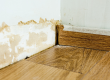
- Hairline cracks in walls or floors
- Constantly running water heater or short cycling
“Any time you notice your water bill jump without a clear reason, assume there’s a hidden leak until proven otherwise.” — Local Plumbing Pro
Because the leak is under the slab, accurate diagnosis is critical. A skilled plumbing leak detection and repair team uses specialized tools—acoustic listening devices, pressure testing, and sometimes thermal imaging—to pinpoint the problem without tearing up your entire floor.
CALLOUT: Slab leaks rarely fix themselves. The longer they run, the more they can undermine your foundation and increase your repair costs.
How Professional Slab Leak Detection Actually Works
Many homeowners imagine slab leak work as guesswork and jackhammers. Modern methods are very different. A concrete slab leak specialist uses non-invasive tools to isolate the problem before any cutting happens.
Here’s what a typical visit from a Richardson-based slab leak detection and repair team looks like:
1. Initial evaluation
The technician talks with you about symptoms—high bills, noises, warm spots, low water pressure. They’ll also visually inspect your fixtures, meter, and exposed piping.
2. Meter and pressure testing
They’ll test the water meter to confirm there’s a leak and then isolate whether it’s on the hot or cold line. Pressure tests help narrow down which section of the system is failing.
3. Acoustic and line tracing
Sensitive listening devices and line locators follow the sound of escaping water and map where your pipes run under the slab.
4. Confirmation and plan
Once they have a strong location, they’ll explain your repair options and the likely impact on flooring, concrete, and timelines.
A recent case in Richardson involved a homeowner who’d been told by another company they’d need to tear out 20 feet of flooring. Casto Leak Detection used non invasive leak detection services to pinpoint the exact break within a few inches, reducing demolition to a single 2’x2′ opening in the slab. The repair took one day instead of three.
CALLOUT: Accurate detection is the single biggest factor in minimizing damage to your floors and slab during repair.
Comparing Slab Leak Repair Options: Breakout vs. Reroute
Once the leak is located, you and your plumber have a decision to make: repair the pipe where it sits under the slab, or abandon that section and run new piping around it. Each approach has pros and cons.
Common Repair Methods
- Direct access (breakout): Cut a small section of concrete, expose the pipe, and repair or replace the damaged section.
- Reroute: Cap off the leaking line and run new pipe overhead through walls, attics, or closets.
- Repiping: In homes with multiple leaks or very old piping, replacing entire runs or systems can be more cost-effective long term.
Here’s a simple comparison, using typical considerations for homes in Richardson:
| Repair Method | Best For | Pros | Cons | Typical Local Impact |
|---|---|---|---|---|
| Direct Access (Breakout) | Isolated, accessible leaks | Small work area, lower upfront cost | Breaks concrete, impacts flooring | Good for newer homes |
| Reroute | Multiple leaks, hard-to-reach spots | Avoids slab, future leaks less likely in slab | More wall/ceiling work, sometimes higher cost | Good for older slabs |
| Partial Repiping | Aging systems with recurring issues | Long-term solution, improves whole system | Higher upfront cost, more invasive | Good resale benefit |
One Richardson homeowner with a 1970s-era house had already dealt with two slab leaks in five years. Instead of another direct access fix, their professional plumbing contractor recommended a hot water reroute through the attic. The cost was higher than a single spot repair, but lower than repeated emergency slab leak repair visits. Their water pressure improved, and they gained peace of mind knowing the hot lines were now accessible for any future work.
CALLOUT: In many older Richardson homes, rerouting or partial repiping can be smarter than repeatedly patching aging lines under the slab.
How Slab Leaks Affect Your Foundation, Floors, and Plumbing System
Slab leaks are more than a plumbing problem—they’re a structural and comfort problem too. Water escaping under your slab can wash away supporting soil, cause heaving or settling, and create uneven pressure under different parts of your house.
In our North Texas climate, where foundations already contend with dramatic soil movement, this extra moisture can accelerate issues such as:
- Cracks in drywall, brick, or tile
- Doors and windows that stick or don’t close properly
- Uneven or “bouncy” floors
- Musty odors from trapped moisture
“Water is one of the most destructive forces in a home because it works slowly and silently.” — Foundation & Plumbing Industry Saying
A local example: a Richardson homeowner called Casto Leak Detection about a faint hissing sound and a slightly warm hallway floor. During inspection, technicians also noticed hairline cracks running from the hallway into a bedroom and a misaligned front door. Leak detection confirmed a hot water slab leak that had been active for some time. By addressing the pipe and coordinating with a foundation specialist early, the homeowner avoided a much larger structural repair.
This is also where integrated plumbing services matter. A slab leak can stress your:
- Water heater (constant cycling to maintain temperature)
- Fixtures (sediment or pressure changes)
- Drains (if reroutes are needed)
Casto’s team often checks related systems—like water heaters, key fixtures, and drains—during slab leak visits to spot any additional issues.
Slab Leaks, Water Heaters, and Your Overall Plumbing Health
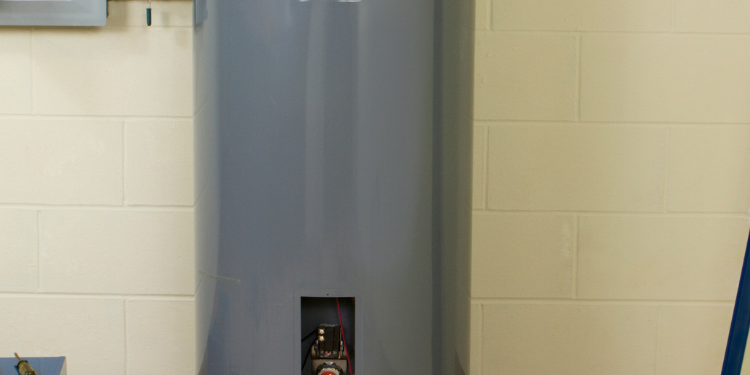
Slab leaks and water heaters are more connected than most homeowners realize. Many leaks occur in the hot water lines under the slab. That means your water heater is continually working to keep up with water escaping into the ground.
Signs your water heater might be affected:
- It runs more often, even when you’re not using hot water
- You hear it firing up at odd times
- Your gas or electric bill climbs along with your water bill
- Hot water recovery time gets worse
In one Richardson home, a hot water slab leak caused the gas water heater to short cycle constantly. The homeowner first called for water heater repair services, thinking the unit was failing. A thorough inspection revealed the real issue was a leak under the slab. After the slab leak repair services were completed, the water heater went back to normal operation—no replacement needed.
If your system is older, a slab leak visit can be a good time to evaluate:
- Whether you’re due for residential water heater replacement
- If tankless water heater installation might better suit your home
- Whether your current unit is properly sized and vented
Casto Leak Detection’s technicians regularly perform professional hot water heater installation and tankless water heater repair in tandem with slab-related work, so you have a single, coordinated plan for your home’s plumbing health.
CALLOUT: If you have both a suspected slab leak and water heater issues, handle them together. You’ll avoid duplicate visits and get a clearer picture of your system’s overall condition.
What to Expect During a Slab Leak Repair Visit
Knowing what will actually happen at your home can take a lot of stress out of the process. Slab leak repair sounds messy and overwhelming, but with a prepared team it’s usually a focused, well-managed project.
Here’s a typical flow for a Richardson homeowner:
1. Pre-visit planning
You’ll discuss symptoms, approximate age of your home, and any prior plumbing work. This helps the team bring the right tools and materials.
2. On-site diagnosis
The first part of the visit is dedicated to confirming the leak and locating it accurately—using the non invasive methods described earlier. No concrete is cut until there’s a confident plan.
3. Repair approach discussion
Your technician will walk you through:
- Where the leak is located
- Whether direct access or reroute makes more sense
- How the work will affect your flooring, walls, or yard
- Timeframe and estimated cost
You’ll have a chance to ask questions and understand any trade-offs.
4. Repair and restoration
For direct access, they’ll:
- Protect surrounding areas with plastic and drop cloths
- Cut a small opening in the slab
- Repair or replace the damaged pipe
- Backfill and patch the concrete
For reroutes, they’ll carefully open walls or ceilings as needed, run new pipe, and restore surfaces to a ready-for-paint state.
A recent emergency slab leak repair in Richardson started with a panicked call at 7 a.m.—the homeowner woke up to warm floors and a constantly running water heater. By that afternoon, the leak had been located, a direct access repair completed, and the family’s water fully restored. Flooring repair was limited to a small section of tile in the hallway.
CALLOUT: Good communication is just as important as good tools. You should always know what’s happening, why, and what comes next.
Preventing Future Slab Leaks and Protecting Your Investment
While you can’t change North Texas soil or the way your home was originally built, you can take practical steps to reduce the risk and impact of future slab leaks.
Smart preventive measures
- Monitor your water bill
Review your bill each month. Sudden, unexplained increases are often the first sign of trouble.
- Test your system periodically
Turn off all water-using fixtures and check if your meter is still moving. If it is, you may have a hidden leak.
- Address small leaks quickly
Dripping fixtures, running toilets, and minor pipe leaks signal stress in your system. Use plumbing services to fix them promptly.
- Maintain your drains
Clogged or damaged drains can cause back-ups and pressure issues. Regular drain cleaning and jetting and timely drain repair and installation help keep the system balanced.
- Check fixtures and toilets
Worn supply lines or loose connections can contribute to hidden leaks. Professional fixture repair and installation and toilet repair and installation keep everything tight and reliable.
“An annual plumbing check-up is like an oil change for your home—it’s much cheaper than an engine replacement.” — Experienced Local Plumber
For older Richardson homes, it can be wise to have a local licensed plumber perform periodic inspections that include:
- Visual checks of accessible piping
- Water pressure testing
- Quick review of your water heater, main shutoff, and visible slab areas
CALLOUT: The cost of proactive inspections is tiny compared to repairing advanced foundation damage from a long-running slab leak.
What This Means for Homeowners in Richardson, TX
Richardson is a great place to own a home—but our combination of slab-on-grade construction and clay soils makes plumbing vigilance essential. Local homeowners face:
- Seasonal soil movement that stresses foundations and buried pipes
- Aging infrastructure in established neighborhoods
- Increasing water costs that magnify the impact of hidden leaks
All of this means slab leaks aren’t rare outliers; they’re a realistic risk you should plan for. The good news is that with today’s technology and experienced local help, you don’t have to live in fear of what’s under your foundation.
A Richardson-based residential plumbing company that specializes in leak detection services and foundation slab leak repair can:
- Catch problems earlier through precise diagnostics
- Minimize damage to your flooring and slab
- Coordinate related work like water heater and drain repairs
- Help you make smart long-term decisions about reroutes or repiping
By understanding how slab leaks work, what your options are, and who to call, you gain control over a problem that might otherwise feel overwhelming. Your home is likely your biggest investment. Protecting it means paying attention to the systems you can’t see as much as the ones you can.
Frequently Asked Questions
Q: How do I know if I have a slab leak or just a normal plumbing leak?
A: A standard leak—like a dripping faucet or visible pipe issue—usually shows itself quickly. A slab leak is hidden under your foundation, so the signs are indirect. Look for warm spots on floors, unexplained water bill increases, the sound of running water when everything is off, or new cracks in walls or tile. If you suspect anything unusual, call a water leak detection specialist. They can test your system and use non-invasive tools to determine whether the problem is under your slab or in an accessible area.
Q: How urgent is a slab leak repair? Can I wait a few weeks?
A: A slab leak is always time-sensitive. While you might not need same-day work in every case, waiting weeks can allow water to erode soil under your slab, worsen foundation movement, and increase your water and energy bills. In Richardson’s clay soil, that extra moisture is especially risky. If you suspect a leak, schedule slab leak detection and repair as soon as possible. A professional can tell you whether your situation is an emergency or if you have a brief window to plan around your schedule.
Q: Will slab leak repair damage my floors or require major demolition?
A: With modern techniques, most repairs only require a small opening in the slab or strategic access through walls or ceilings. A concrete slab leak specialist will use non invasive leak detection services to pinpoint the issue before cutting anything. For direct access, they’ll remove a limited section of flooring and concrete, complete the repair, and patch the slab. Reroutes may involve opening small areas of drywall. The goal is always to minimize disruption while ensuring a reliable fix. Your technician should clearly explain what areas will be affected before work begins.
Q: Is rerouting better than repairing the pipe under the slab?
A: It depends on your home’s age, the location of the leak, and the condition of your plumbing. For a newer home with a single, easily accessible leak, direct repair under the slab can be cost-effective. In older Richardson homes with multiple leaks or aging pipes, rerouting lines through walls or the attic often provides a longer-term solution and reduces future risk under the slab. A professional plumbing contractor will evaluate your specific situation, explain the pros and cons, and help you choose the option that best balances cost, disruption, and long-term peace of mind.
Q: Can a slab leak damage my water heater or other plumbing fixtures?
A: Yes. Many slab leaks occur in hot water lines. When that happens, your water heater works overtime to keep up with water constantly escaping into the ground. This can shorten the unit’s lifespan and raise your energy bills. If you’re calling for water heater repair services and also notice high water usage, ask your technician to check for a potential slab leak. Addressing both issues together ensures your system is balanced and prevents unnecessary replacement of a water heater that’s actually reacting to a hidden leak.
Q: What does slab leak repair typically cost in Richardson?
A: Costs vary widely based on the leak’s location, whether direct access or reroute is needed, and the condition of your existing plumbing. Simple, single-point repairs are usually on the lower end, while extensive reroutes or partial repiping are more. Remember that ignoring a slab leak can lead to foundation repairs that are far more expensive than plumbing work. A reputable local licensed plumber will provide a clear estimate after diagnosis, explain your options, and help you prioritize based on budget and risk.
Q: Should I call my insurance company before or after slab leak repair?
A: Every policy is different, but many homeowners’ insurance plans may help with some portion of access and restoration costs, though not always the plumbing repair itself. It’s wise to review your policy and call your agent once a leak is confirmed and you have a written estimate. A foundation slab leak repair company that works regularly in Richardson can often provide the documentation your insurer needs. Acting quickly improves your chances of coverage and prevents questions about delayed response.
Ready to Get Started?
If you’re seeing signs of a possible slab leak—or you just have that nagging feeling something’s off—this is the time to act. In a city like Richardson, where soil movement and slab foundations are part of everyday life, early intervention makes the difference between a focused plumbing repair and a major foundation project.
Casto Leak Detection focuses on accurate, non-invasive diagnosis and practical repair options tailored to your home. Whether you need targeted plumbing leak detection and repair, help with a failing water heater, or a broader look at your home’s plumbing health, you get clear communication and solutions that respect your time, budget, and property.
Don’t wait for small signs to turn into major damage. Schedule an inspection, ask your questions, and get a straightforward plan for protecting your home and your foundation.
About Casto Leak Detection
Casto Leak Detection is a Richardson, TX–based residential plumbing company specializing in precise leak location, slab leak repair, and full-service plumbing diagnostics. As a trusted local licensed plumber, Casto combines advanced technology with years of hands-on experience in North Texas soils, foundations, and building practices. From leak detection services and slab leak repair to water heater and drain solutions, the team is committed to honest evaluations, quality workmanship, and long-term reliability for homeowners across Richardson and the surrounding communities.