Signs Your Water Heater Needs Repairs Now
On a cold North Texas morning, nothing snaps you awake faster than stepping into a shower and realizing the “warm up” never happens. In Richardson and the greater Dallas area, water heaters work hard year-round, especially with our mineral-heavy water and long hot summers that stress plumbing systems. That constant demand means even a good system can start to fail without much warning.
Industry data shows most tank-style water heaters last 8–12 years, but many in North Texas start having issues well before that due to sediment buildup and fluctuating water quality. And according to insurance reports, water damage from failed heaters and hidden leaks is one of the most common — and expensive — home claims.
This guide walks you through the warning signs your water heater is asking for help now, not “sometime later.” You’ll learn how to spot problems early, what’s urgent versus what can wait, and when it’s time to call a local licensed plumber in Richardson before a small issue becomes a major headache.
Key Insight: If you know what to look for, your water heater will “tell” you something’s wrong long before it fails. Catching these signs early can save you thousands in water damage and emergency plumbing services.
1. Lukewarm Water, Short Showers, and Temperature Swings
If your showers used to be long and comfortable but now turn lukewarm halfway through, that’s more than an inconvenience — it’s one of the clearest signs your system needs attention.
What’s Really Going On
Common causes include:
- Failing heating elements (electric) or burner issues (gas)
- Sediment buildup at the bottom of the tank
- Thermostat problems
- Undersized or aging unit that can’t keep up anymore
In Richardson, the water is moderately hard, which means mineral deposits build up faster inside tanks. That sediment acts like a blanket over the heating element or burner, forcing the system to work harder just to give you the same temperature — until it can’t.
“If your hot water runs out noticeably faster than it did a year ago, that’s a performance issue, not just ‘getting older.’” — Licensed Plumbing Contractor
Real-World Example
A homeowner near Arapaho and Plano Road called Casto Leak Detection because their family of four couldn’t get through two showers without running out of hot water. The tank was only eight years old, so they assumed they needed a bigger unit. After inspection, we found heavy sediment buildup and a failing thermostat.
We flushed the tank, replaced the thermostat, and recalibrated the temperature. Their “hot water time” nearly doubled — no new heater needed. That’s the difference a thorough evaluation and proper water heater repair services can make.
CALLOUT: Any sudden change in hot water temperature or duration is a sign to act now, especially if your unit is over 6–8 years old.
2. Strange Noises: Rumbling, Popping, or Banging From the Tank
Water heaters should be mostly quiet. A gentle hum or soft burner sound is normal. Rumbling, popping, or banging? That’s your system practically shouting for help.
Why Noises Matter
Those sounds usually mean:
- Significant sediment buildup trapping water underneath
- “Kettling” — water superheating and flashing to steam
- Expansion and contraction of metal from overheating
- Delayed ignition in gas units (potentially dangerous)
In North Texas, sediment issues are extremely common. When mineral deposits collect at the bottom of a tank, water gets trapped under that layer and superheats. As it escapes, it makes popping or rumbling sounds.
That extra heat and pressure can:
- Warp the tank over time
- Stress welds and joints
- Increase the risk of leaks or premature failure
Richardson Case Study
A homeowner near UTD called our team about a “mini thunderstorm” sound coming from their garage water heater. It was a 10-year-old gas unit that had never been flushed. The rumbling was so loud it vibrated the wall shared with the living room.
We performed a thorough flush, inspected the burner, and checked for any damage. The tank was still structurally sound, but we were honest: it was nearing the end of its life. We mapped out a plan — repair and maintain for now, then budget for residential water heater replacement in the next 12–18 months.
“Loud rumbling or banging is one of the clearest signs your heater is overdue for professional service. Ignoring it shortens the unit’s life and increases the risk of leaks.”
If noise is new or getting worse, that’s not a “wait and see” situation. It’s time to call a professional hot water heater installation and repair specialist to evaluate what’s happening inside the tank.
3. Rusty, Discolored, or Smelly Hot Water
Turn on a hot faucet and notice brownish, rusty, or cloudy water? Does it have a metallic taste or a faint rotten-egg smell? That’s your water heater raising a red flag.
What Discoloration and Odor Can Mean
- Rusty or brown water: Corrosion inside the tank or in older galvanized pipes
- Cloudy water with particles: Sediment or mineral deposits
- Rotten-egg smell: Bacteria reacting with the anode rod or sulfur in the water
In Richardson, many homes built in the 70s–90s have a mix of older plumbing materials and newer fixtures. That combination can hide issues until they show up as water quality problems at the tap.
Local Example
A couple in Canyon Creek noticed their hot water was slightly yellow and had a faint odor, especially in the guest bathroom. They’d been told by a friend it was “just old pipes” and lived with it for months.
When they finally called for water heater repair services, we found a heavily corroded anode rod and early rust inside the tank. We replaced the anode, flushed the system, and tested their lines. The odor disappeared, and water clarity improved immediately.
“Rust inside a tank is like rust on a car frame — once it starts, you’re on borrowed time.”
Why You Shouldn’t Ignore It
- Corrosion can eventually cause the tank to rupture
- Bacteria growth can spread through your hot water lines
- Rust and sediment can clog faucets, showerheads, and valves
If you see or smell something off in your hot water, especially from multiple fixtures, it’s time to have a professional plumbing contractor check both the heater and your plumbing system.
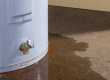
4. Visible Leaks, Moisture, or Mysterious Puddles Around the Heater
Any sign of water where it shouldn’t be near your heater deserves immediate attention — even a small, occasional puddle.
Types of Leaks You Might See
- Drips from the temperature-pressure (T&P) relief valve
Can indicate overpressure, overheating, or a failing valve.
- Moisture around the base of the tank
Could be condensation… or a tank beginning to fail.
- Water stains or damp drywall nearby
May point to a hidden line leak, not just the heater.
In slab-on-grade homes throughout Richardson, even a small leak can quickly turn into a slab or foundation issue. A slow, undetected leak near a water heater in the garage or utility closet can migrate under flooring and into the concrete.
“The biggest mistake we see is assuming a small puddle is just ‘condensation.’ If you see it more than once, you need a professional inspection.”
Real-World Slab Risk
We were called to a home off Belt Line Road where the owner noticed a damp corner near the water heater in the garage. They thought the car might be tracking in water, but the damp spot never fully dried.
Our water sewer gas diagnostics and plumbing leak detection and repair tools found a small hot-water line leak under the slab, right near the heater. Catching it early meant we could perform targeted slab leak detection and repair instead of tearing up half the garage.
If you suspect a slab issue, a concrete slab leak specialist can determine whether you need emergency slab leak repair or a planned, minimally invasive fix.
5. Age, Efficiency Drops, and Rising Utility Bills
Sometimes your water heater isn’t “broken” yet — it’s just costing you more than it should. Age and efficiency issues are quieter signs, but just as important.
How Old Is Too Old?
Average life expectancies:
- Traditional tank water heaters: 8–12 years
- Tankless units: 15–20 years (with proper maintenance)
If your tank is over 10 years old and located inside the home (closet, attic, interior utility room), most pros recommend planning for replacement before it fails. In Texas, many units are in attics, which makes leaks far more damaging.
The Hidden Cost of an Aging Heater
Signs of declining efficiency:
- Slower heating times
- Shorter hot water duration
- Higher gas or electric bills with the same usage
A Richardson homeowner near CityLine noticed their gas bill creeping up over three consecutive winters, even though their thermostat settings hadn’t changed. The culprit? A 12-year-old gas water heater running almost constantly to keep up.
We compared repair vs. replace and recommended a new unit. After a professional gas water heater installation, their monthly utility cost dropped noticeably — enough to help offset the new unit over time.
Cost Comparison: Keep Repairing or Replace?
| Factor | Older Tank (10+ yrs) | New High-Efficiency Tank |
|---|---|---|
| Upfront Cost | Low (minor repairs) | Higher (installation + unit) |
| Risk of Sudden Failure | High | Low |
| Energy Use | Higher | 10–20% lower |
| Likely Repairs in Next 2 Years | Multiple | Minimal |
| Impact if It Fails in Attic | Significant water damage | Unlikely in near term |
If your unit is older and acting up, a residential water heater replacement may be the smarter long-term move, especially in homes where a leak could damage floors, walls, or belongings.
6. Pilot Light, Error Codes, and Tankless Water Heater Red Flags
Modern water heaters, especially tankless units, have their own set of warning signs that go beyond water temperature and leaks.
Gas Water Heater Warning Signs
- Pilot light keeps going out
- Yellow or flickering flame (should be mostly blue)
- Soot or scorch marks near the burner compartment
- Gas smell near the unit
These are not DIY issues. A gas water heater repair technician should inspect for combustion problems, venting issues, or gas leaks.
“Any time you smell gas near your water heater, leave the area and call a licensed plumber or gas company immediately.”
Tankless System Red Flags
Tankless units are popular in Richardson remodels, but they’re not maintenance-free. Watch for:
- Error codes on the display
- “Cold water sandwich” — bursts of cold between hot water
- Hot water cutting out during longer showers
- Unit shutting down under heavy demand
We helped a homeowner in the Heights neighborhood whose tankless system kept throwing error codes and shutting off in the middle of showers. The problem turned out to be a combination of scale buildup and an undersized unit for their new bathroom addition.
Our team performed tankless water heater repair and descaling, then discussed options for upgrading to a properly sized system. In some cases, a new tankless water heater installation is the best way to match your home’s updated demands.
Traditional vs. Tankless: Which Fails How?
| Feature/Issue | Traditional Tank | Tankless System |
|---|---|---|
| Most Common Failure | Tank leaks, sediment, thermostat | Scale buildup, sensor errors |
| Typical Warning Signs | Noises, leaks, rusty water | Error codes, intermittent hot water |
| Flood Risk | Higher (full tank of water) | Lower (no stored water) |
| Maintenance Needs | Annual flush recommended | Annual descaling and servicing |
Regardless of type, if your system is showing error codes, shutting down unexpectedly, or behaving differently than usual, it’s time to schedule emergency water heater repair before you’re left with no hot water at all.
What This Means for Homeowners in Richardson, TX
In a city like Richardson, where many homes sit on concrete slabs and water heaters often live in garages, closets, or attics, you can’t afford to ignore early warning signs. A small leak or failing tank isn’t just an annoyance — it can quickly become a structural or mold problem that affects your home’s value.
Local weather swings, hard water, and older infrastructure in some neighborhoods all put extra stress on your plumbing system. Combining proactive maintenance with prompt attention to warning signs is the best way to avoid:
- Costly water damage claims
- Emergency calls in the middle of a cold snap
- Unplanned slab leak repair services
- Dangerous gas or combustion issues
Richardson homeowners also face another factor: busy lives. It’s easy to dismiss small changes — a bit less hot water, a new noise, a slightly higher bill — until they become a full-blown emergency. Working with a trusted residential plumbing company that understands local conditions means you can get honest advice on whether to repair, maintain, or replace.
If you’re noticing any of the signs in this guide, a quick visit from a local licensed plumber can give you clarity and a plan. Whether that’s simple maintenance, targeted repairs, or a new system, you’ll know where you stand — and you’ll be ahead of problems instead of chasing them.
Frequently Asked Questions
Q: How do I know if my water heater problem is urgent or can wait a few days?
A: Anything involving leaks, gas smell, or complete loss of hot water is urgent and should be treated as an emergency. Call for same day water heater repair service if you see active dripping, water pooling, or smell gas near the unit. Noises, reduced hot water, or fluctuating temperatures are serious but may give you a bit more time to schedule service. In Richardson, because many heaters sit over or near slabs, even a “small” leak can quickly escalate into a need for foundation slab leak repair company services, so it’s always better to have a professional evaluate sooner rather than later.
Q: My water heater is in the attic. Should I be more concerned about leaks?
A: Yes. Attic installations are common in North Texas, but they carry a higher risk for extensive water damage if the tank fails. A leaking attic unit can damage ceilings, walls, insulation, and flooring before you even notice a problem. If your attic heater is over 8–10 years old, talk with a professional hot water heater installation company about its condition and remaining lifespan. Regular inspections and drain pan/overflow protection are essential. If you see any staining on ceilings below the heater, call for leak detection services immediately.
Q: How often should I flush my water heater in Richardson’s water conditions?
A: With our local water quality, most manufacturers’ “annual flush” recommendation is a good minimum. In areas with higher mineral content or for homes that use a lot of hot water, twice-yearly flushing can significantly extend tank life and keep efficiency up. A professional plumbing contractor can handle this during routine service, checking the anode rod, valves, and thermostat at the same time. Tankless units also need regular descaling to prevent performance issues, especially if you don’t have a softener system.
Q: Can a small hot water line leak under the slab be related to my water heater?
A: It can. Hot water distribution lines often run under the slab from the heater to various fixtures. If you notice hot spots on the floor, higher water bills, or constant heater cycling, you may have a hidden leak. A water leak detection specialist can use non-invasive tools to locate the problem. If it’s a hot line near the heater, targeted slab leak detection and repair can address it without tearing up the entire floor. Catching these issues early is crucial to avoid major structural damage.
Q: Should I repair my old tank or switch to a tankless system?
A: It depends on your home, usage, and budget. If your existing tank is relatively young and the problem is minor, repair is often the best value. If it’s older, undersized, or you’re planning to stay in the home long-term, upgrading to a properly sized tankless water heater installation can provide endless hot water and better efficiency. A local expert can compare repair vs. replacement costs, factor in your family’s hot water needs, and help you choose between high-efficiency tanks or tankless options.
Q: What if the problem isn’t the heater but my drains or fixtures?
A: Sometimes what looks like a heater issue is actually a plumbing problem elsewhere. Slow hot water delivery, backed-up tubs, or gurgling sounds might point to drain or vent issues instead of the heater itself. A full-service drain repair installation and drain cleaning jetting provider can check both your water heater and your drainage system. They’ll also inspect fixtures and toilets — using fixture repair installation and toilet repair installation services if needed — to ensure the entire system is working together properly.
Q: Can I troubleshoot my water heater myself before calling a plumber?
A: You can safely check basics like the breaker (for electric units), the thermostat setting, and whether the gas valve is in the correct position. You can also look for visible leaks, listen for unusual noises, and note any error codes. But anything involving gas connections, internal wiring, or opening combustion compartments should be left to a local licensed plumber. In many cases, DIY “repairs” end up masking symptoms while the underlying issue — like sediment, corrosion, or a failing component — continues to worsen.
Ready to Get Started?
If your water heater is showing any of these warning signs — from lukewarm showers and strange noises to small leaks or rusty water — now is the time to act. North Texas weather doesn’t wait for a convenient moment to expose a weak system, and neither do hidden leaks under a slab or in an attic.
Scheduling a professional evaluation today can mean:
- Catching minor issues before they become major repairs
- Avoiding costly water damage to your home and foundation
- Knowing whether repair or replacement is the smarter investment
- Restoring reliable, efficient hot water for your family
Casto Leak Detection is based right here in Richardson, so we understand local homes, water conditions, and building practices. Our team provides thorough diagnostics, honest recommendations, and high-quality repairs — from water heater repair services to complex water sewer gas diagnostics and slab leak solutions.
If your system is making you nervous — or just not performing like it used to — reach out today and get clear answers, not guesswork.
About Casto Leak Detection
Casto Leak Detection is a locally owned plumbing and leak detection company serving Richardson and surrounding North Texas communities. Our licensed technicians specialize in non-invasive diagnostics, leak detection services, water heater repair and installation, and slab leak solutions. With years of hands-on experience in local homes and a reputation for honest, detailed work, we help homeowners protect their properties and restore peace of mind. Learn more about our services at Casto Leak Detection’s website.