More than 25% of a typical Richardson, TX home’s energy use can be tied directly to heating water, yet many homeowners don’t really know what their water heater needs until it fails in the middle of a shower. That sudden blast of cold water is often the first sign that an aging or poorly sized system has reached its limit. Understanding your water heater installation needs before you are in crisis mode not only protects your comfort, but also your budget, energy bills, and even the safety of your home.
Water heater installation is not a one-size-fits-all project. The right solution for a busy family in a two-story home may be completely wrong for a retired couple in a smaller house or condo. Local water quality, existing plumbing, gas or electric service, and even where the water heater is located all influence what you truly need. Companies like Casto Leak Detection in Richardson, TX see the consequences of rushed or uninformed installations every day: leaks, hidden water damage, mold growth, and high utility bills that could have been avoided with better planning.
Taking time to understand your water heater installation needs means looking beyond the basic question of “tank or tankless.” It involves evaluating your household’s hot water habits, your home’s infrastructure, and the long-term costs of operating the system you choose. When you approach installation with that mindset, you’re far more likely to end up with a system that delivers reliable hot water, minimizes the risk of leaks, and keeps your monthly bills under control.
Knowing Your Hot Water Demand
Every home in Richardson has its own hot water “personality.” Some households have multiple showers running in the morning, a dishwasher cycle at lunch, and laundry going all evening. Others only use significant hot water a few times a week. Properly sizing and selecting a water heater starts with honestly assessing these patterns. If you underestimate your demand, you will constantly run out of hot water. If you overestimate, you may pay too much upfront and waste energy heating water you rarely use.
For traditional tank-style heaters, the key factor is storage capacity combined with recovery rate. A typical family of four might assume a 40-gallon tank is fine, but if you have teenagers taking long showers, a large soaking tub, or multiple bathrooms being used at once, that tank may struggle to keep up. Recovery rate—how quickly the heater can reheat a fresh tank of cold water—is just as important as the number of gallons. Gas units usually recover faster than electric, which is something your installer should walk you through.
With tankless (on-demand) water heaters, the concept shifts from stored capacity to flow rate, measured in gallons per minute (GPM). Here, the question is how many fixtures you are likely to run at the same time. A single shower might require 2.0–2.5 GPM, while a dishwasher or washing machine could add another 1.5–2.5 GPM. If you want to shower while the dishwasher runs and someone else uses a sink, your tankless unit must be sized to handle that combined demand. Casto Leak Detection can help you calculate these needs based on your real-world habits rather than generic charts.
It is also important to consider future changes. Are you planning to add a bathroom, finish an attic, or grow your family? Installing a water heater that barely meets your current needs may leave you frustrated a few years down the road. A thoughtful installer will ask about these plans so they can recommend a system that has enough capacity to grow with your household without being wastefully oversized.
Choosing Between Tank And Tankless
One of the most common decisions Richardson homeowners face is whether to stick with a traditional tank-style water heater or switch to a tankless system. Each option has advantages and trade-offs, and the “best” choice depends on your priorities: upfront cost, long-term savings, space, and how you use hot water. Understanding these differences is key to making an installation decision that truly fits your home.
Tank-style water heaters are familiar, relatively affordable to install, and usually straightforward to replace with a similar model. They store a set amount of hot water, ready for use. The downside is standby heat loss: energy is used to keep that tank hot even when you’re not using water. Over time, sediment buildup at the bottom of the tank (especially in areas with hard water, like much of North Texas) can reduce efficiency and shorten the unit’s lifespan. Regular flushing helps, but tanks typically need replacement every 8–12 years.
Tankless heaters, on the other hand, heat water only when you turn on a tap. This can dramatically reduce wasted energy and provide practically endless hot water, as long as the unit is sized correctly. They also free up floor space because many models mount on a wall. However, installation can be more complex. Gas lines may need upgrading to supply the higher BTU demand, venting requirements are different, and electrical systems sometimes need modifications for electric tankless units. The upfront cost is higher, though many homeowners recoup that over time through lower energy bills.
In Richardson, the choice is also influenced by the layout of your plumbing and your existing utilities. For example, a home with long pipe runs from a central water heater to distant bathrooms might benefit from multiple smaller tankless units or a recirculation system. Casto Leak Detection can evaluate whether your current gas or electrical service can support a tankless upgrade or if a high-efficiency tank model would be a better, more cost-effective fit for your situation.
Installation Location And Safety Considerations
Where your water heater is installed is just as important as which model you choose. In many Richardson homes, water heaters are tucked into garages, closets, attics, or utility rooms. Each location carries specific safety, accessibility, and leak-risk considerations that should be evaluated before installation. Ignoring these factors can lead to hidden water damage, mold growth, or even serious safety hazards.
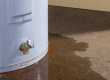
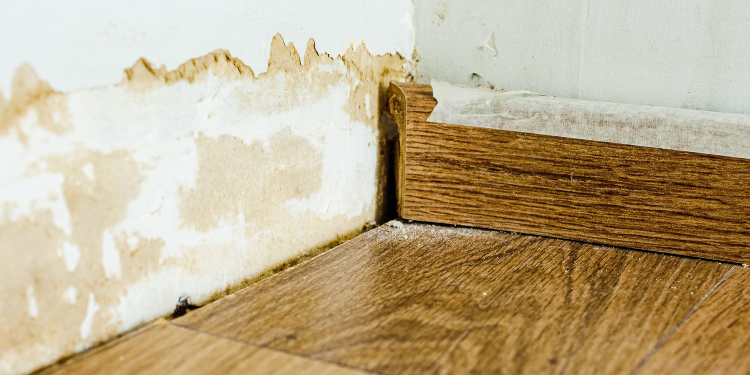
Attic installations, which are common in North Texas, are particularly risky if not done correctly. A leaking tank in the attic can send water through insulation, drywall, and ceiling materials long before anyone notices a problem, resulting in costly repairs. Proper drain pans, correctly routed drain lines, and emergency shutoff valves are crucial. This is where a company that specializes in leak detection, like Casto Leak Detection, brings added value. They understand how water travels through a structure and can help design an installation that reduces the risk of hidden damage.
Garage and utility room installations must account for combustion air, elevation requirements for gas units (to avoid ignition of flammable vapors at floor level), and local codes regarding seismic strapping or bracing. Adequate clearance is needed for maintenance and future replacement. If the unit is crammed into a tight closet with no ventilation, it may not operate efficiently and could even pose a safety concern. A good installer will evaluate not just whether the unit fits, but whether the space supports safe, reliable operation.
Ventilation and exhaust also play a critical role. Gas water heaters require proper venting to eliminate combustion byproducts like carbon monoxide. Incorrect vent sizing, improper slope, or poor termination points can create dangerous backdrafting issues. When upgrading to a high-efficiency or tankless gas unit, venting requirements often change, meaning the existing vent may not be adequate. These are not details to guess at; they are essential parts of understanding your true installation needs.
Plumbing, Gas, And Electrical Requirements
A water heater is at the intersection of multiple systems: plumbing, gas, and electrical. Each of these must be evaluated during installation planning. Many homeowners focus only on the heater itself and overlook the fact that their existing lines, valves, or panels may not support the new unit they want. This can lead to surprise costs or unsafe shortcuts if the installer is not thorough.
On the plumbing side, supply and discharge lines need to be properly sized and in good condition. Old galvanized pipes, corroded shutoff valves, or undersized lines can limit performance and increase the risk of leaks. Modern installations often include thermal expansion tanks, pressure-reducing valves, and upgraded shutoff valves. In an area like Richardson, where water pressure can vary significantly from one neighborhood to another, these details can greatly impact how well your system performs and how long it lasts.
Gas-fired units must be matched to gas line capacity and pressure. Upgrading from a smaller tank to a large high-BTU tankless unit, for example, may require a larger gas line to prevent performance issues or unsafe conditions. Similarly, properly sized and installed gas shutoff valves and flexible connectors are essential. A professional installer will perform calculations to confirm that your gas infrastructure can safely support the chosen heater, and if not, explain what upgrades are necessary.
For electric water heaters, your home’s electrical panel must have adequate capacity, correct breaker size, and appropriate wiring. Tankless electric units, in particular, can require significant amperage, sometimes necessitating panel upgrades or new circuits. Skipping these steps can lead to nuisance breaker trips, overheating wires, or worse. Understanding your installation needs means anticipating these system requirements upfront instead of discovering them mid-project.
Energy Efficiency And Long-Term Costs
When looking at water heater options, many homeowners focus primarily on the purchase price and installation cost. However, the largest portion of what you will spend on a water heater over its life is the energy used to heat your water. An inexpensive but inefficient unit can cost far more in the long run than a higher-efficiency model that reduces your monthly bills. Evaluating energy efficiency is therefore a central part of understanding your installation needs.
Modern water heaters come with Energy Factor (EF) or Uniform Energy Factor (UEF) ratings that indicate how efficiently they convert energy into hot water. Higher numbers generally mean lower operating costs. In a climate like Richardson’s, where air temperatures fluctuate and energy costs can be significant, upgrading to a more efficient model can lead to noticeable savings. High-efficiency gas units, condensing tankless models, and heat pump water heaters are all options worth discussing with your installer.
Insulation, recirculation systems, and pipe routing also influence efficiency. A well-insulated tank, insulated hot water lines, and strategically placed recirculation pumps can reduce the time you wait for hot water and the amount of heat lost in transit. However, recirculation systems must be designed carefully to avoid unnecessary energy waste. Casto Leak Detection’s experience with how water actually moves through a home’s plumbing can help fine-tune these choices for maximum benefit.
Finally, think about maintenance costs and lifespan. A cheaper tank might need replacement in 8–10 years, while a quality tankless unit, properly maintained, can last 15–20 years or more. Sediment flushing, anode rod replacement, and leak inspections are all part of protecting your investment. Choosing a system that you can realistically maintain, and working with a qualified Plumber to perform that maintenance, is just as important as the initial installation.
Why Professional Planning Matters
DIY videos and quick online calculators can make water heater installation look simple, but they rarely capture the full picture of what a particular home in Richardson, TX actually needs. Professional planning goes beyond just “hooking it up.” It involves code compliance, safety, long-term reliability, and protection against leaks and water damage. Skipping that level of planning can turn what seems like a cost-saving shortcut into an expensive problem later.
A company like Casto Leak Detection brings an additional layer of expertise because they deal with the consequences of failures every day. They see where installations typically leak, which fittings are most vulnerable, how poorly routed drain lines can cause hidden ceiling stains, and how minor drips can evolve into major structural issues. That perspective shapes a more cautious, comprehensive approach to new installations and replacements.
Proper planning also means clear communication. A good installer will ask detailed questions about your hot water habits, future renovation plans, budget constraints, and priorities (for example, do you care more about lowest initial cost or lowest long-term cost?). They will explain options in plain language, outline the pros and cons of each, and provide realistic expectations about performance and maintenance.
When all of these elements come together—accurate sizing, correct location, safe utilities, and thoughtful efficiency choices—you end up with a water heater installation that simply works. It delivers the hot water you need, when you need it, without constant worry about leaks, surprises on your utility bill, or premature failure.
Frequently Asked Questions
How do I know when it’s time to replace my water heater instead of repairing it? Age is a major factor: most tank-style water heaters last about 8–12 years, while tankless units can go 15–20 years with proper maintenance. Warning signs include rusty or discolored hot water, rumbling or popping noises from the tank, frequent repairs, water pooling around the base, or inconsistent hot water temperature. If your unit is near or past its expected lifespan and showing any of these symptoms, it is often more cost-effective and safer to replace it. A professional in Richardson can inspect the system and advise whether repair or replacement makes more sense.
What size water heater do I need for my home? Sizing depends on the number of people in your household, how many bathrooms you have, and how you use hot water. For tank-style heaters, professionals look at peak hour demand and match it with tank capacity and recovery rate. For tankless units, they calculate total gallons per minute (GPM) needed during your busiest hot water times. A family that runs multiple showers and appliances at once will need a larger system than a couple with modest use. An onsite evaluation by a qualified installer ensures the unit is sized to your specific habits rather than generic guidelines.
Are tankless water heaters always the best choice? Tankless heaters offer many benefits, including energy savings and virtually endless hot water, but they are not automatically the best choice for every home. They have higher upfront costs, may require gas line or electrical upgrades, and can be more complex to install. In some situations, such as homes with limited gas capacity or where budget is tight, a high-efficiency tank-style heater can be a better fit. The right choice depends on your infrastructure, budget, and how long you plan to stay in the home.
Can I install a new water heater in the same place as the old one? Often you can, but not always without adjustments. Changes in building codes, venting requirements, or the type and size of the new unit may require modifications to the location, drain pan, drain lines, or surrounding clearances. For example, replacing an older tank with a larger high-efficiency model or a tankless unit may affect how and where it can safely be vented. A professional assessment is needed to confirm that your existing location is still safe, compliant, and optimal for the new system.
How can I reduce the risk of leaks and water damage from my water heater? Several steps help protect your home: ensure the unit is installed in a proper drain pan with a correctly routed drain line, install or verify the operation of the temperature and pressure relief (T&P) valve, and consider leak detection devices or automatic shutoff valves. Regular inspections to check for corrosion, moisture around fittings, and signs of rust or bulging can catch problems early. Working with an installer who understands leak behavior, like Casto Leak Detection in Richardson, TX, means your system will be designed and installed with water damage prevention in mind from day one.