The first sign is often subtle: a faint hissing behind a wall, a warm patch on a cold tile floor, or a water bill in your Richardson mailbox that suddenly spikes for no obvious reason. In an older home, these clues can be easy to dismiss as quirks of an aging house. But what starts as a barely noticeable symptom can quickly turn into warped hardwood floors, crumbling foundations, or mold creeping into the corners of your favorite room. Effective leak detection for older homes is not just about finding a drip; it is about understanding how time, materials, and hidden plumbing combine to create silent, costly damage.
Many Richardson, TX neighborhoods are filled with charming homes built decades ago. They have character, history, and solid craftsmanship, but they also hide plumbing systems that have been patched, rerouted, and “temporarily” fixed over the years. Pipes run under concrete slabs, through tight crawlspaces, and inside thick walls that were never designed for easy access. In this environment, traditional guesswork repairs can mean unnecessary demolition, missed leaks, and repeated problems. That is why homeowners increasingly rely on professional leak detection specialists like Casto Leak Detection, who use advanced tools and a methodical approach tailored specifically to the challenges of older homes.
Effective leak detection is not a single tool or quick glance with a flashlight; it is a careful combination of technology, building knowledge, and experience with aging plumbing systems. By understanding the unique vulnerabilities of older Richardson homes, and applying non-invasive diagnostic methods, it becomes possible to pinpoint the exact location of a leak before walls are opened or slabs are broken. The result is less disruption, lower repair costs, and a much better chance of protecting the structure and value of your home.
Why Older Homes Are Vulnerable
Homes built 30, 40, or 60 years ago were constructed with materials and methods that reflected the standards of their time. Galvanized steel, cast iron, and early copper piping were common, and many of those materials are now at or beyond their expected service life. As pipes age, they corrode from the inside, develop pinhole leaks, or weaken at joints and fittings. In Richardson, where temperature swings and shifting soils are common, that natural aging process can be accelerated, leaving older homes especially prone to hidden leaks.
Another challenge lies in the way older plumbing systems were routed. Many older Richardson homes were built on concrete slabs, with water lines running directly underneath the slab or embedded within it. When these underground lines develop leaks, the water may not show up as a visible puddle. Instead, it can slowly erode soil, create unseen voids, and undermine the slab itself. Homeowners might only notice a warm or damp spot on the floor, minor cracking in tiles, or doors that suddenly start sticking as the foundation settles unevenly.
Over the decades, renovations and additions also add complexity. A bathroom might have been added in the 1980s, a kitchen remodeled in the 1990s, and a laundry room relocated more recently. Each project may have introduced new plumbing tied into old lines, sometimes without updating the original pipes or documenting the changes clearly. This patchwork history makes guessing the path of pipes risky and ineffective. Professional leak detection becomes essential, because it allows technicians to “see” through floors and walls without relying on outdated blueprints or assumptions.
Finally, older homes often lack modern moisture barriers, proper drainage, or up-to-date insulation. That means when a leak does occur, the surrounding building materials absorb water more readily and stay wet longer. Wood framing, plaster, and older drywall can all become breeding grounds for mold and mildew if leaks go undetected. Effective leak detection in these homes is as much about protecting indoor air quality and health as it is about preventing structural damage.
Key Warning Signs Homeowners Should Notice
One of the most important parts of leak detection is recognizing the early warning signs before the damage becomes severe. In older Richardson homes, these signs can be subtle. A water bill that creeps up over several months, even though your household habits have not changed, is often the first clue. Another common indicator is the sound of water running when all faucets and appliances are turned off. In a quiet house, especially at night, that faint sound can be a critical hint that water is escaping somewhere it should not.
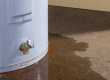
Changes in flooring are another red flag. In slab-on-grade homes, a hot water slab leak can create a warm area on the floor that you notice when walking barefoot. You might also see discoloration in grout lines, buckling wood planks, or vinyl that begins to bubble and separate. These are not just cosmetic issues; they often signal that water has been seeping under the surface for some time. Left untreated, this moisture can lead to rot in subflooring or compromise the adhesive holding your flooring in place.
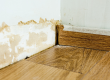
Walls and ceilings can also reveal hidden leaks. Stains that slowly expand, peeling paint, bubbling texture, or areas of drywall that feel soft to the touch indicate moisture intrusion. In older homes with original plaster, hairline cracks that widen or areas that chip away could be related to underlying water damage. Musty odors, even when you cannot see visible mold, should never be ignored. They often originate from dark, enclosed spaces like wall cavities or under cabinets where small leaks can drip for months or years.
Exterior signs matter as well. Unexplained wet spots in the yard, especially near the foundation, or areas of lush green grass in the middle of a dry spell can suggest underground leaks in supply lines. In Richardson’s clay-rich soils, excessive moisture from leaks can cause soil movement, which in turn affects your foundation. Catching these signs early and calling a specialist like Casto Leak Detection can prevent minor plumbing issues from turning into major structural repairs.
Modern Tools For Non-Invasive Detection
Effective leak detection in older homes depends heavily on technology that minimizes damage while maximizing accuracy. One of the most powerful tools is electronic acoustic detection. This method uses highly sensitive listening devices to pick up the sound of water escaping under pressure. Technicians can systematically check along walls, floors, and slabs, isolating the exact spot where the sound is strongest. This is particularly valuable in older Richardson homes where pipes are buried under concrete or hidden behind thick plaster walls.
Thermal imaging cameras are another essential tool. These cameras do not see water directly; instead, they detect temperature differences on surfaces. Hot water leaks often appear as warm streaks or patches behind walls or under floors. Even cold water leaks can change the temperature patterns of surrounding materials. By scanning a room with a thermal camera, a leak detection specialist can identify suspicious areas without drilling holes or tearing out materials, which is critical in preserving the original features of an older home.
Pressure testing and line tracing also play a major role. By isolating sections of the plumbing system and pressurizing them, technicians can determine whether a leak is present in that segment. Tracer gas or specialized equipment can then be used to pinpoint the exact location. This systematic approach prevents the need to cut blindly into walls or dig up long stretches of yard. In older Richardson properties, where landscaping and mature trees are part of the home’s character, minimizing excavation is a significant benefit.
Video pipe inspection is especially useful for older drain and sewer lines. Small, flexible cameras are fed into pipes through cleanouts or access points, allowing technicians to see corrosion, cracks, root intrusion, and other issues in real time. Many older homes in Richardson still rely on original cast iron or clay sewer lines, which are prone to deterioration. A video inspection can reveal whether backups and slow drains are caused by a localized break or a more extensive failure, guiding the most effective repair strategy.
How Professionals Approach Older Homes
Working on an older home requires a different mindset than a newer build. Experienced leak detection specialists like Casto Leak Detection start with a detailed conversation and visual inspection before touching any tools. They will ask about the age of the home, past plumbing repairs, remodeling projects, and any patterns you have noticed with leaks or water bills. Understanding the home’s history helps narrow down the most likely trouble spots and anticipate what types of materials and configurations they will encounter.
Next, a systematic survey of the plumbing system is performed. This often begins at the water meter in Richardson, where technicians can test for continuous flow when all fixtures are off. If the meter indicates a leak, they then work inward, isolating different sections of the system. For a slab-on-grade home, they might test the lines that run under the slab separately from those in the walls or attic. In pier-and-beam homes, they may inspect the crawlspace first, looking for damp soil, dripping pipes, or signs of long-term moisture.
Once the general area of the leak is identified, non-invasive tools come into play to pinpoint the exact location. The technician might use acoustic listening devices, thermal imaging, or tracer gas, depending on the situation. Their goal is to mark a precise spot so that any necessary access hole, tile removal, or slab penetration is as small and controlled as possible. This approach is particularly important in older homes that feature original hardwoods, custom tile, or plasterwork that homeowners want to preserve.
After the leak is located, a reputable company will clearly explain the findings and outline repair options. They will discuss whether a targeted repair is sufficient, or if the condition of the pipes suggests that a larger section should be replaced to prevent future issues. In some cases, rerouting a line above the slab or through an accessible area may be more practical than opening up the concrete. The emphasis is on long-term reliability, not just a quick patch that will fail again in a few months.
Preventive Strategies For Aging Plumbing
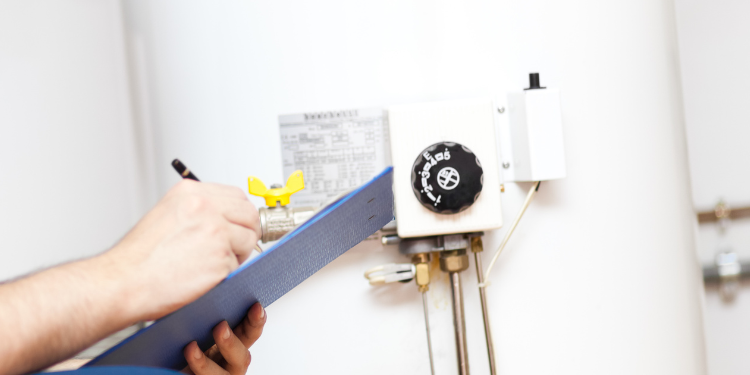
Effective leak detection is not only about solving current problems; it is also about preventing the next one. For older Richardson homes, a proactive strategy can dramatically reduce the risk of surprise leaks and expensive damage. One key step is scheduling periodic plumbing inspections, especially if your home is more than 30 years old and still has much of its original piping. A professional can assess visible lines, test water pressure, and identify areas where corrosion or wear is beginning to show.
Monitoring water pressure is another simple but powerful preventive measure. Excessively high pressure puts additional strain on aging pipes, joints, and fixtures, increasing the likelihood of leaks. A pressure-reducing valve, properly adjusted, can extend the life of your plumbing system and appliances. In Richardson, where municipal pressure can vary, ensuring your home’s internal pressure is within a safe range is an important part of protecting older systems.
Upgrading vulnerable sections of piping can also pay off over time. If a leak is found in an older galvanized or corroded copper line, it may be wise to replace a longer run instead of just the failed point. This is especially true for lines embedded in slabs or walls that are difficult to access. While a more comprehensive repair may cost more upfront, it can prevent repeated leaks and the disruption of opening the same area multiple times.
Homeowners can also adopt everyday habits that support a healthy plumbing system. Quickly addressing minor issues like dripping faucets, running toilets, or slow drains reduces stress on pipes and prevents hidden overflows. Installing leak detection devices or smart water monitors can provide early alerts if unusual water usage is detected. When combined with the expertise of a local specialist like Casto Leak Detection, these preventive steps create a strong defense against the unique leak risks older homes face.
Why Local Expertise Matters In Richardson
Leak detection is never one-size-fits-all, and local experience matters. Richardson, TX has its own mix of soil conditions, water chemistry, and building eras that influence how and where leaks develop. Clay soils expand when wet and contract when dry, contributing to foundation movement that can stress underground pipes. Water quality can affect the rate at which certain metals corrode. Neighborhoods built in different decades feature different typical plumbing materials and layouts.
A company that works extensively in Richardson, like Casto Leak Detection, becomes familiar with these patterns. They know which subdivisions are likely to have older galvanized lines, which areas commonly experience slab leaks, and what kinds of foundation issues often accompany plumbing problems. This local knowledge enables them to make faster, more accurate assessments and choose the most appropriate detection methods for your specific home.
Local specialists are also familiar with Richardson’s permitting requirements, utility layouts, and common renovation practices. They understand how past remodeling trends may have altered plumbing systems in older homes and what hidden surprises might be waiting behind walls. This insight helps them plan detection and repair strategies that respect both the structure and the history of your house.
Finally, having a trusted local partner means you are not just addressing today’s leak, but building a relationship with professionals who understand your home over time. Whether you are dealing with a suspected slab leak, mysterious moisture, or recurring plumbing issues, working with a Richardson-based expert who focuses on accurate, minimally invasive leak detection is one of the most effective ways to protect your older home and its value.
Frequently Asked Questions
How do I know if my older home has a slab leak? Common signs of a slab leak in an older Richardson home include unexplained increases in your water bill, warm or damp spots on floors, the sound of running water when all fixtures are off, and cracks appearing in floors or walls. You might also notice areas of flooring that are buckling or tiles that suddenly loosen. If you turn off all water in the home and the meter still shows movement, that is a strong indicator of a hidden leak somewhere, often under the slab.
Is leak detection going to damage my walls or floors? Modern leak detection methods are designed to be as non-invasive as possible. Tools like acoustic listening devices, thermal imaging cameras, and pressure testing allow technicians to pinpoint leaks without randomly cutting into walls or breaking up floors. In most cases, only a small access point is needed to complete the repair once the leak’s location is accurately identified. This approach is especially beneficial in older homes where preserving original finishes is important.
Why should I call a specialist instead of a general plumber? While many plumbers can repair visible leaks, specialized leak detection requires dedicated equipment and focused experience. Older homes in Richardson often have complex, hidden plumbing systems that make guesswork expensive and ineffective. A leak detection specialist like Casto Leak Detection uses advanced diagnostics to find the source of the problem precisely, reducing unnecessary demolition and helping ensure that the repair addresses the real issue rather than just the symptoms.
Can small leaks really cause serious damage over time? Yes, even a small, slow leak can cause significant damage if it is hidden and left untreated, particularly in older homes. Continuous moisture can lead to wood rot, mold growth, deterioration of drywall or plaster, and even foundation issues if the leak is under or near the slab. Because older building materials may not have modern moisture barriers, they can absorb and hold water longer, magnifying the damage. Early detection and repair are critical to avoiding large-scale structural and health problems.
What should I do if I suspect a leak but cannot find it? If you notice signs like rising water bills, musty odors, unexplained dampness, or changes in your flooring or walls, it is wise to act quickly. Turn off all water-using fixtures and check your water meter; if it continues to move, a hidden leak is likely. At that point, contacting a professional leak detection company in Richardson is the safest step. They can perform targeted tests and use specialized tools to locate the leak accurately. From there, you can proceed with appropriate repairs, such as targeted pipe replacement or, when necessary, services like Slab Leak Repair, to restore your home’s plumbing integrity.