Most homeowners in Richardson, TX assume that anything involving a slab leak automatically means a financial disaster: massive jackhammering, days without water, and a bill that rivals a kitchen remodel. That belief alone causes a lot of people to delay calling a specialist, hoping the problem will “settle down” or blaming the high water bill on seasonal use. In reality, waiting almost always makes the job more expensive. What most people get wrong is thinking there’s only one way to repair a slab leak, when modern techniques actually offer multiple affordable options tailored to the specific leak, the home’s layout, and the homeowner’s budget.
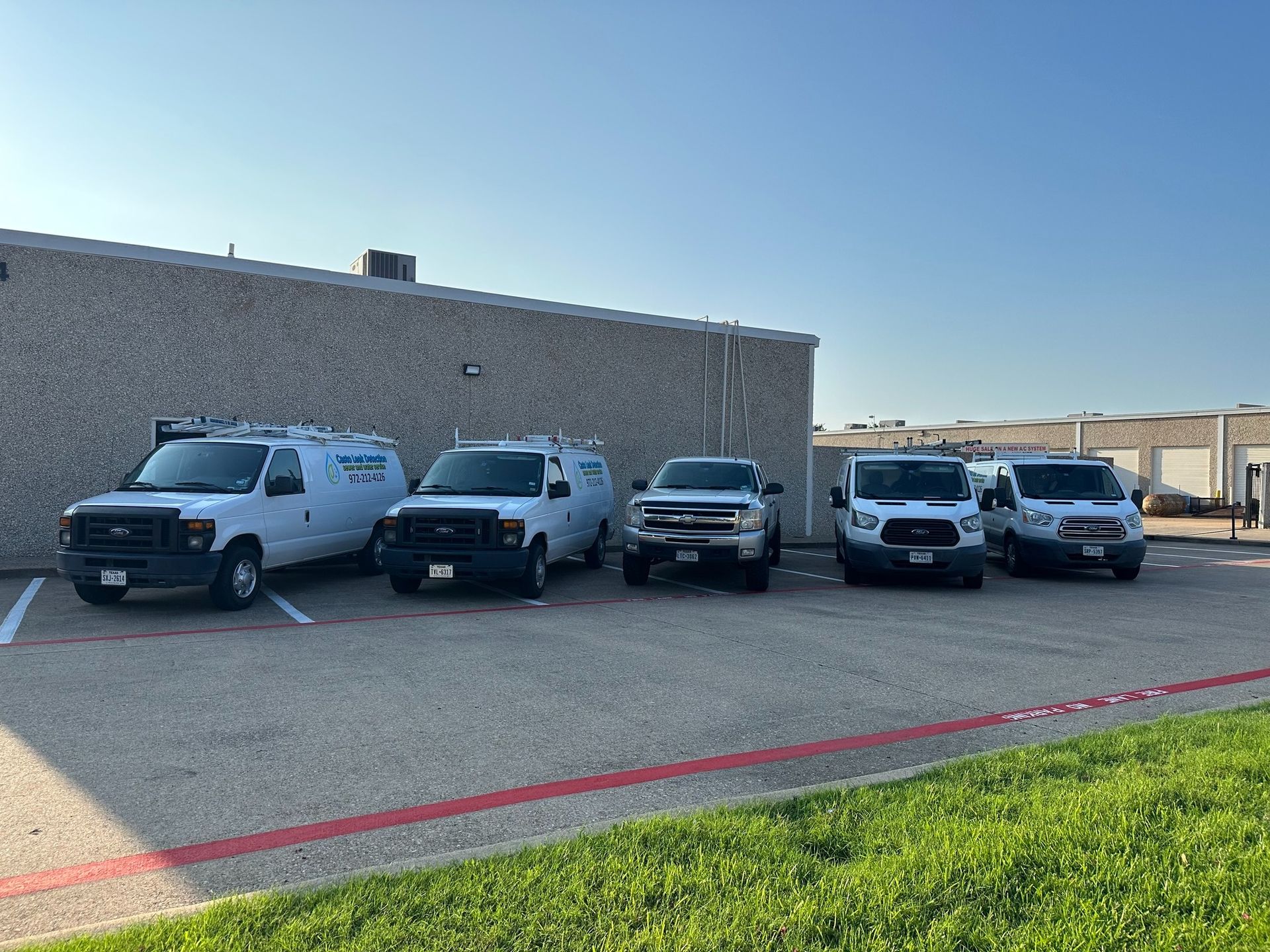
Another misconception is that “affordable” equals “cheap and temporary.” With today’s diagnostic tools and repair strategies, a well-planned, cost-conscious slab leak repair can be both budget-friendly and long-lasting. Companies like Casto Leak Detection in Richardson, TX specialize in narrowing down the problem with precision, so you pay for targeted work instead of guesswork and unnecessary demolition. That precision is what opens the door to a range of repair strategies, from simple spot repairs to full reroutes and epoxy lining, each with its own cost profile and benefits.
If you understand the choices available before you’re in crisis mode, you’re in a much better position to control costs. You can ask the right questions, compare repair paths, and understand why a technician might recommend one method over another. Instead of feeling trapped into one expensive option, you can weigh short-term savings against long-term reliability and choose a solution that makes sense for your home and budget.
Understanding Slab Leaks
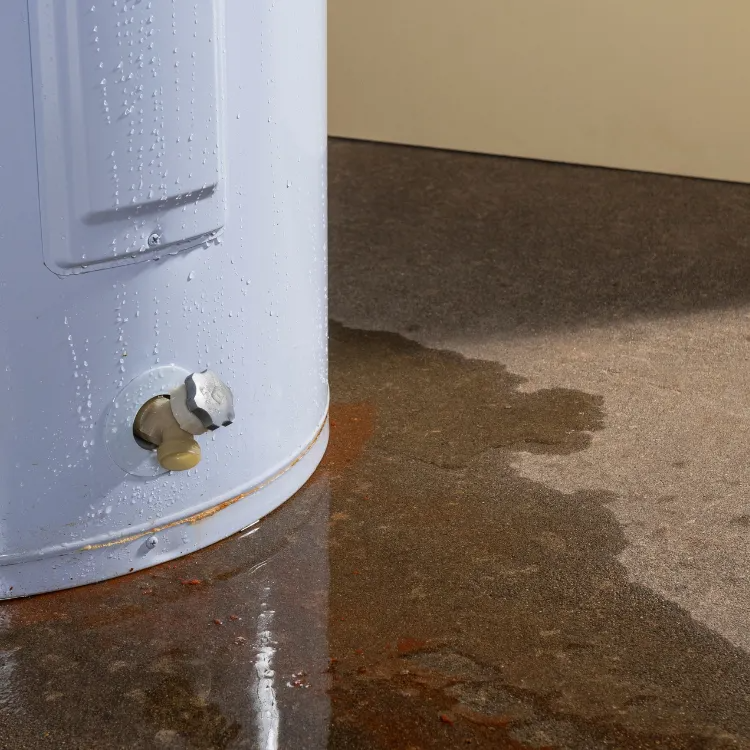
To make smart, affordable choices, it helps to know what a slab leak really is. In most Richardson homes, water lines run under or through the concrete slab foundation. Over time, those pipes can develop pinhole leaks, splits, or corrosion due to shifting soil, poor installation, or chemical reactions between the water and the pipe material. When a pressurized water line leaks under the slab, it can quietly wash away soil, raise your water bill, and eventually crack or destabilize the foundation if not addressed.
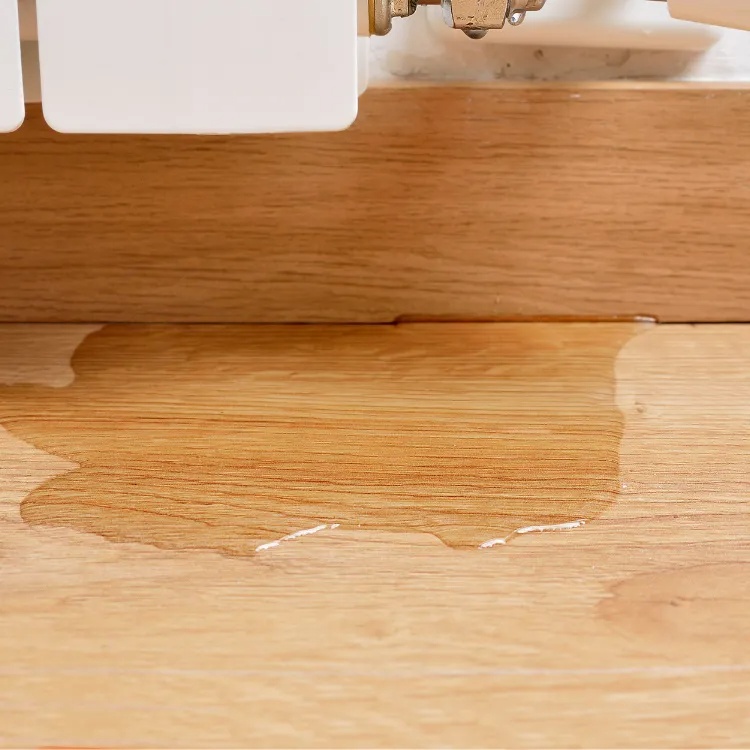
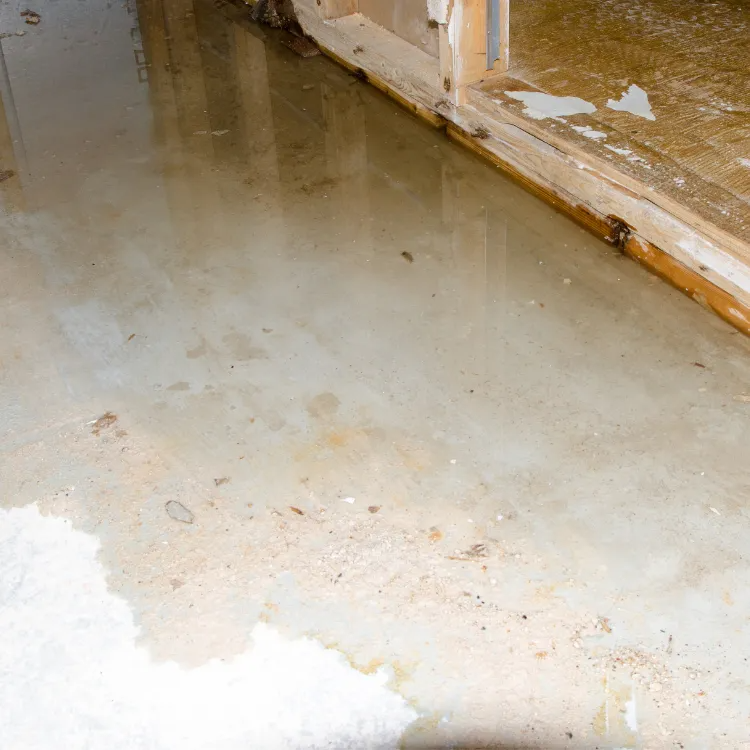
The tricky part is that slab leaks are often hidden. You might notice warm spots on the floor, hear faint hissing, see unexplained moisture at the base of walls, or notice your water meter spinning when every faucet is off. None of those symptoms tell you the exact location of the leak; they only tell you that something is wrong. This is where homeowners often burn money by hiring general plumbing help that relies on trial-and-error instead of precise leak detection.
Professional leak detection companies like Casto Leak Detection use specialized tools such as electronic listening devices, thermal imaging, and pressure testing to pinpoint the leak location with minimal disruption. Accurate location is the foundation of any affordable slab leak repair strategy. When you know exactly where the problem is, you can consider smaller, more targeted solutions instead of tearing up large areas of flooring or guessing at pipe routes.
Another key factor is understanding whether the leak is on a hot water or cold water line, and whether it affects a single branch of piping or a main trunk line. These details influence both the technical approach and the cost. An honest, detailed diagnosis lets you see the real options on the table, instead of being pushed into a single “one-size-fits-all” repair.
Why Early Detection Saves Money
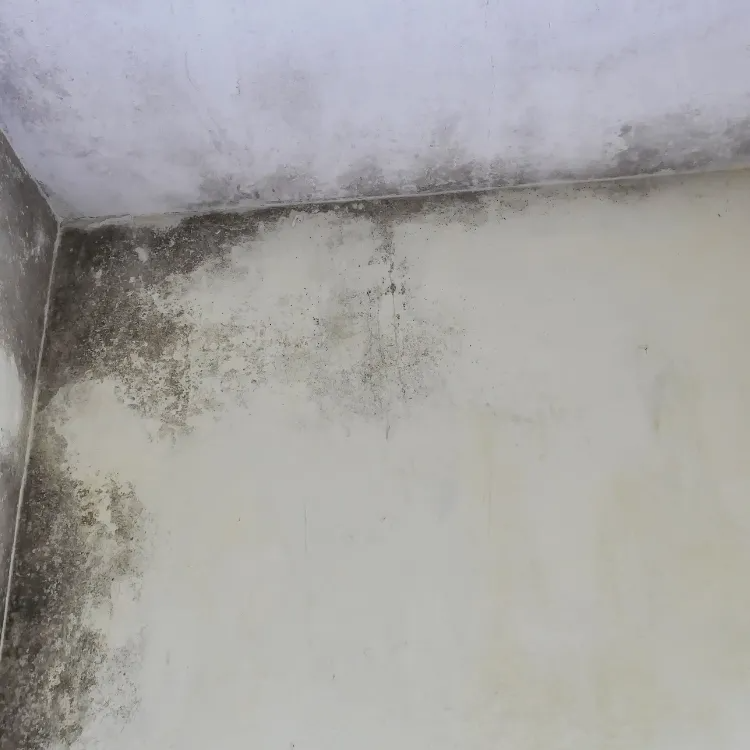
From an affordability standpoint, timing is everything. A small slab leak rarely stays small. As water escapes under the slab, it can erode soil, create voids, and gradually compromise the support under your foundation. That’s when costs start to escalate, because you’re no longer just repairing a pipe—you may be dealing with foundation repair, damaged flooring, mold remediation, or ruined finishes. Catching a leak early can be the difference between a focused plumbing repair and a multi-trade renovation project.
In Richardson, TX, where expansive clay soils are common, the ground naturally swells and shrinks with moisture changes. A slab leak accelerates this movement under your home, increasing the chances of cracks and uneven settling. Addressing the leak promptly stabilizes moisture levels around the foundation, helping you avoid the much higher cost of structural repairs later. In that sense, calling a specialist like Casto Leak Detection at the first sign of trouble is not an extra expense—it’s an investment in preventing far costlier damage.
Early detection also preserves your options. When a leak is small and localized, spot repair through the slab might be a viable, lower-cost solution. If the leak has already caused widespread damage or if multiple leaks are present, you may be forced into more extensive (and expensive) solutions such as whole-house repiping or major rerouting. By acting quickly, you give yourself the flexibility to choose among several affordable approaches rather than being cornered into the most drastic one.
Finally, early diagnosis helps you control water and energy waste. A hot water slab leak, for example, makes your water heater work overtime, quietly inflating your utility bills. Fixing the leak sooner saves you money every month, on top of avoiding additional damage. When you look at the total cost over time, quick action often ends up being the most economical decision.
Spot Repair Through The Slab
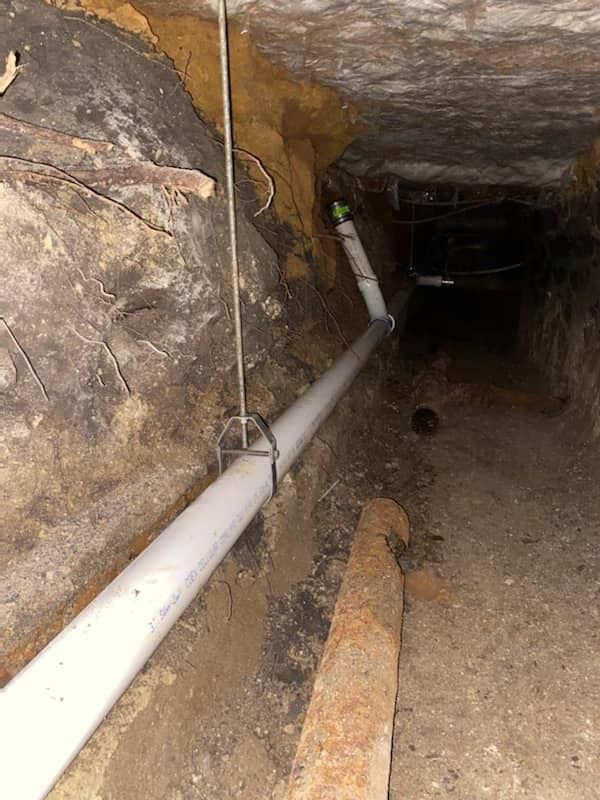
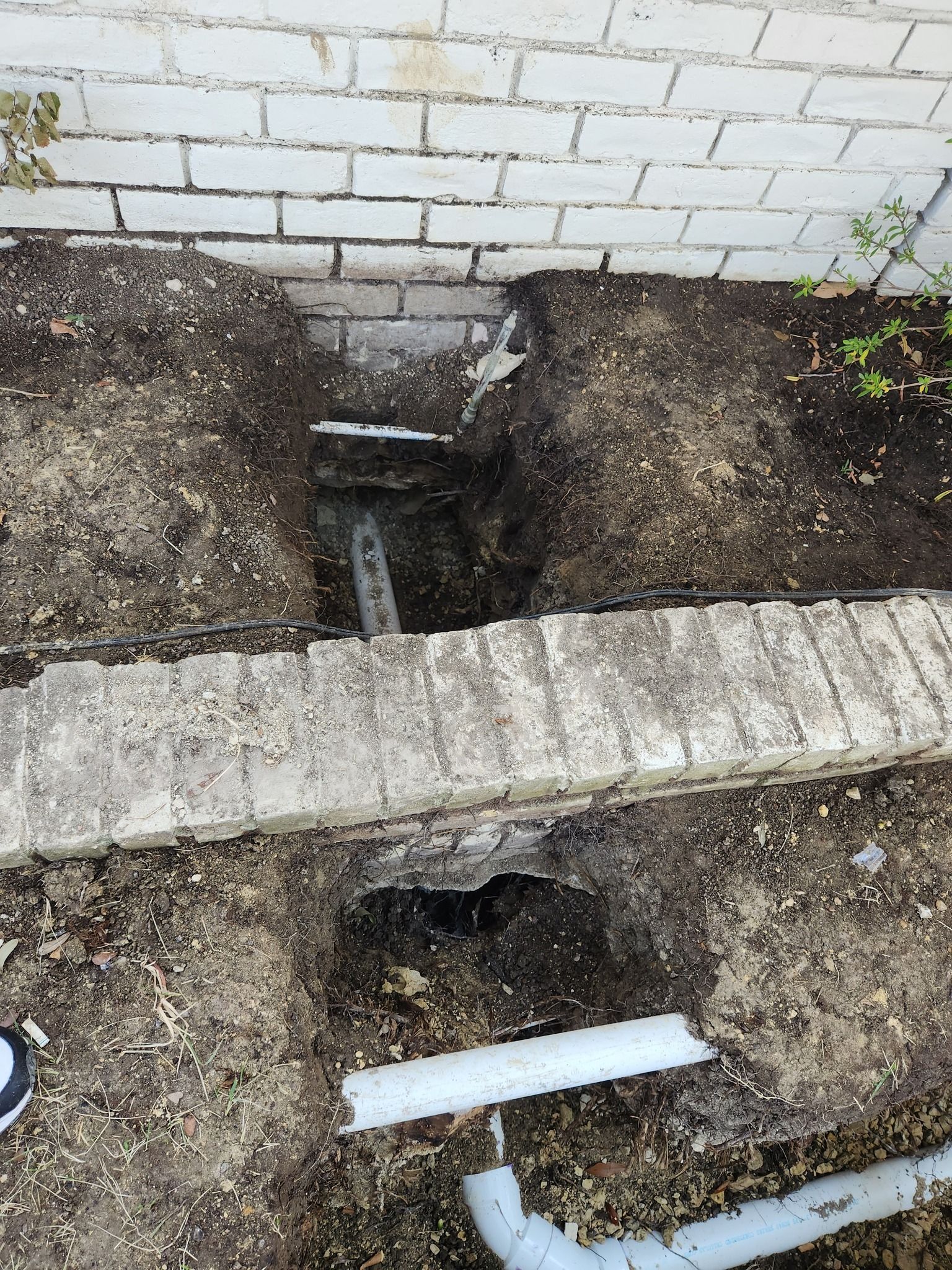
One of the most direct and often affordable options for slab leak repair is a spot repair through the slab. This method is generally used when the leak is clearly localized, the rest of the piping appears to be in good condition, and the affected area is reasonably accessible. After precise detection, the technician will break through the concrete at the leak location, expose the pipe, cut out the damaged section, and replace it with new pipe and fittings.
The main advantage of spot repair is its focused nature. Instead of rerouting long stretches of pipe or opening up multiple areas of your home, you target just the problem section. For many homeowners in Richardson, this can mean lower labor costs and less disruption to flooring and finishes. If the leak is in a practical location—such as under carpet that can be replaced or in a garage slab—this can be a cost-effective and straightforward option.
However, it’s important to weigh the long-term picture. If your home has older plumbing, or if the leak is a sign of widespread corrosion, a spot repair might be a short-term fix rather than a lasting solution. You might save money today but face another leak in a different section of the same line next year. A reputable company like Casto Leak Detection will evaluate the condition of the entire system and explain whether a spot repair is truly advisable or just a temporary Band-Aid.
Another consideration is the impact on your interior finishes. Breaking through a slab often means removing flooring, and sometimes cabinets or built-ins, depending on the location. While the plumbing repair itself might be relatively affordable, you should also factor in the cost of restoring flooring, tile, or other surfaces. In some cases, those restoration costs may make alternate methods, such as rerouting, more attractive overall.
Pipe Rerouting As A Budget-Friendly Strategy
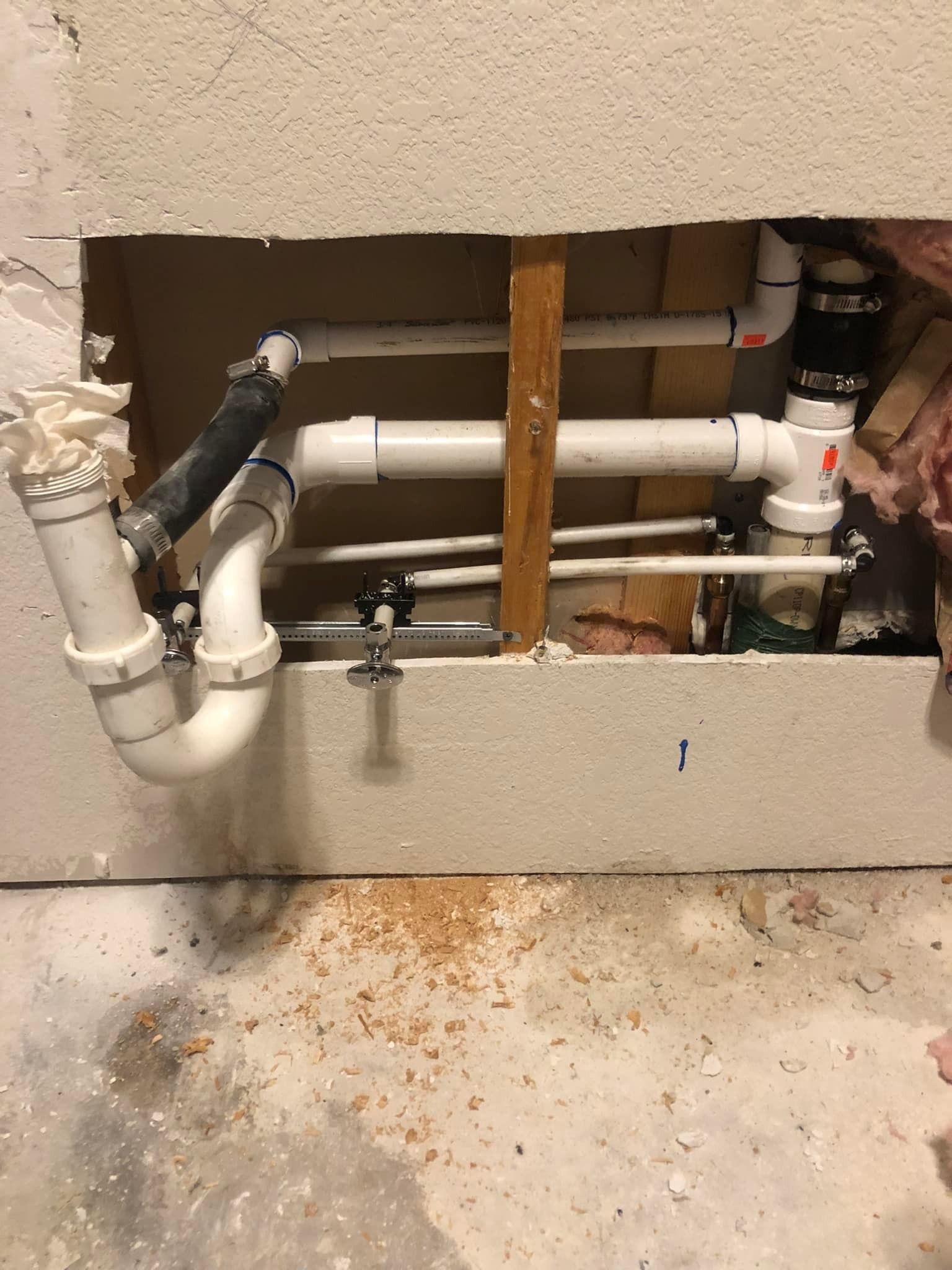
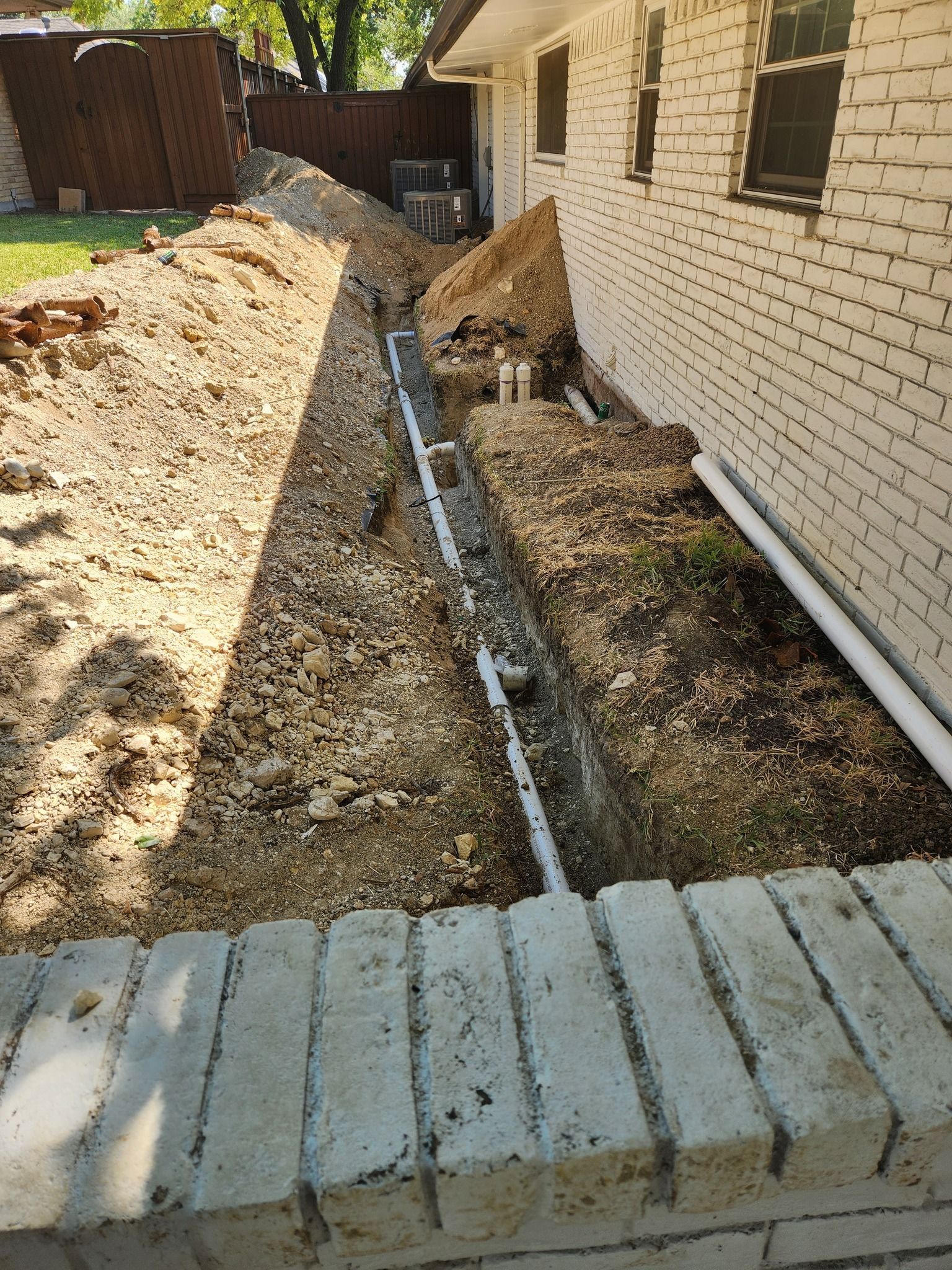
Pipe rerouting is another common and often cost-effective method for dealing with slab leaks, especially when the existing under-slab pipes are aging or difficult to access. Instead of digging through the slab to repair the leak, the plumber abandons the damaged line and installs a new water line through walls, ceilings, or the attic. The new route bypasses the slab entirely, reducing the risk of future slab leaks from that line.
From an affordability standpoint, rerouting can be surprisingly competitive. While it involves opening walls or ceilings, those repairs are often easier and cheaper than breaking and re-pouring concrete, then replacing flooring. In many Richardson homes with accessible attics or framed walls, rerouting can be done with minimal disruption to living spaces. When you spread the cost over the added lifespan and reduced risk, rerouting can be a very smart value choice.
Rerouting is particularly appealing when there have been multiple leaks on the same line or when the plumbing materials are known to have a limited lifespan. Instead of paying for repeated spot repairs through the slab, you invest once in a new, reliable route. This approach not only protects your budget but also adds peace of mind, knowing you’re less likely to face another slab leak from that line.
Of course, rerouting must be carefully planned. A knowledgeable technician from Casto Leak Detection will map the existing layout, consider structural framing, insulation, and aesthetic concerns, and design a route that balances accessibility, protection from freezing, and minimal visible impact. Clear communication about where access holes will be, how they’ll be patched, and what materials will be used helps you understand the total cost and outcome before work begins.
Epoxy Pipe Lining And Modern Alternatives
In some cases, especially when multiple small leaks or extensive corrosion are present, epoxy pipe lining may be presented as an alternative. This technique involves cleaning the inside of the existing pipe and then applying an epoxy coating that seals leaks and creates a new “pipe within a pipe.” While not ideal for every situation or every pipe material, it can be a useful option when access is extremely limited and demolition would be costly or highly disruptive.
Epoxy lining can be cost-effective because it reduces the need for extensive excavation or slab penetration. For some homeowners, the biggest expense in traditional slab leak repair is not the plumbing work itself but the repair of finished surfaces afterward. By working internally within the pipe, lining can sometimes sidestep that issue. However, it’s critical that the pipes are properly inspected and prepared; otherwise, the lining may not adhere correctly or may not fully solve the problem.
There are limitations to consider. Not all pipes are good candidates for lining, and it may not be recommended if the pipe is severely deteriorated or structurally compromised. Also, specialized equipment and materials mean that epoxy lining is not always the cheapest option upfront, even if it avoids some demolition costs. A company familiar with a range of methods, like Casto Leak Detection, can help you compare the total cost and expected lifespan of lining versus rerouting or repiping.
Alongside epoxy lining, other modern solutions—such as partial repipes using more durable materials like PEX—can offer a balance between affordability and longevity. Rather than treating a slab leak as an isolated incident, these approaches look at the overall health of the plumbing system and aim to prevent future leaks. While that can mean a higher initial bill than a simple patch, it often saves money over the long term by reducing recurring leak events and the associated damage.
Planning And Budgeting Your Repair
Knowing your technical options is only half the battle; the other half is planning and budgeting in a way that protects you from unpleasant surprises. Start by asking for a clear, written estimate that breaks down labor, materials, and any anticipated restoration work. If a contractor gives you a single lump sum without explanation, it becomes difficult to compare options or understand where you might be able to save money. Detailed estimates from a specialist like Casto Leak Detection help you see exactly what you’re paying for.
It’s also wise to talk openly about your budget and priorities. If keeping upfront costs as low as possible is critical, say so. Your technician can then explain which options fit that constraint and what trade-offs they involve in terms of longevity or potential future repairs. On the other hand, if you can invest more now to avoid repeated disruptions, ask about long-term solutions such as rerouting or partial repiping. Honest communication leads to repair plans that match both your finances and your tolerance for risk.
Don’t forget to involve your homeowners insurance. While policies vary, some will help with access and restoration costs even if they don’t cover the pipe repair itself. Prompt documentation, photos, and detailed invoices make it easier to file a claim. In some scenarios, insurance assistance can significantly reduce your out-of-pocket expenses, making higher-quality repair options more attainable.
Finally, consider ongoing maintenance and inspection as part of your budget strategy. Periodic checks, pressure testing, or targeted inspections in older homes can catch small issues before they become full-blown slab leaks. Establishing a relationship with a trusted local specialist in Richardson, TX means you have a resource to call quickly when something seems off, reducing both stress and long-term costs.
Frequently Asked Questions
How do I know if I have a slab leak? Common warning signs include unexpectedly high water bills, the sound of running water when all fixtures are off, warm spots on the floor, damp or discolored flooring, or cracks appearing in walls and floors. You can also perform a simple test by turning off all water fixtures and checking whether your water meter is still moving. If you suspect a problem, it’s best to contact a specialist like Casto Leak Detection for professional diagnostics rather than guessing at the cause.
What is the most affordable slab leak repair option? The most affordable option depends on your specific situation. A localized spot repair through the slab is often the lowest-cost choice when the leak is in a convenient location and the rest of the piping is in good shape. However, if your plumbing system is aging or you’ve had multiple leaks, rerouting or partial repiping may be more cost-effective over time. A thorough inspection in your Richardson home will reveal which method offers the best balance of upfront cost and long-term reliability.
Will my insurance cover slab leak repairs? Coverage varies widely by policy and insurer. In many cases, homeowners insurance may help pay for access and restoration (such as opening the slab or walls and then repairing them) but may not cover the actual plumbing repair. Some policies offer additional endorsements for water damage or foundation-related issues. The best approach is to review your policy, call your insurance company, and provide them with detailed documentation and estimates from your contractor. A clear scope of work from Casto Leak Detection can make that conversation easier.
How long does a typical slab leak repair take? The timeline depends on the repair method and the complexity of the job. A straightforward spot repair through the slab might be completed in a day, including breaking concrete, fixing the pipe, and patching the slab. Rerouting a line through walls or the attic can take one to several days, depending on access and the number of fixtures involved. Additional time may be needed for flooring or finish repairs, especially if tile or specialty materials are involved. Your contractor should give you a realistic schedule before work begins.
How do I choose the right company for slab leak repair? Look for a company with specific experience in leak detection and slab leak repair, not just general plumbing. Ask about their diagnostic tools, the repair methods they offer, and whether they are familiar with local soil and foundation conditions in Richardson, TX. Reading reviews, confirming licensing and insurance, and asking for detailed, written estimates can help you avoid surprises. Casto Leak Detection focuses on accurate diagnosis and tailored repair options, helping homeowners select the most sensible and affordable path forward. If you need fixture work as part of your project, you can also consult a professional Plumber to handle installations and related repairs.