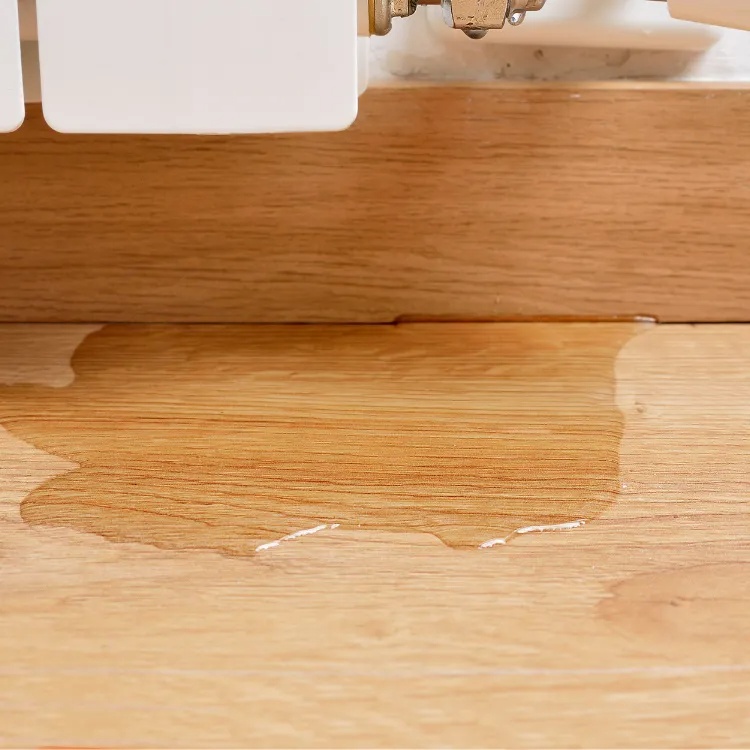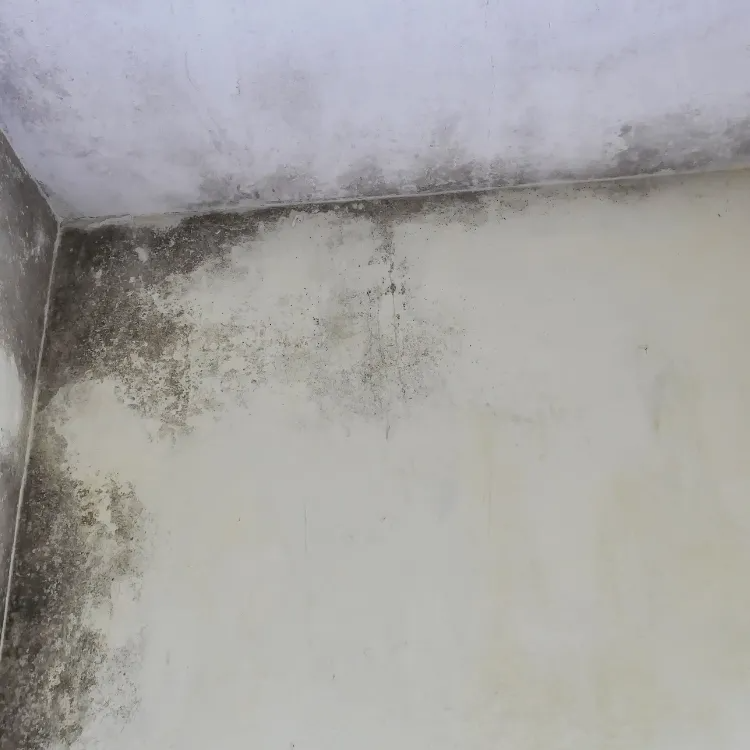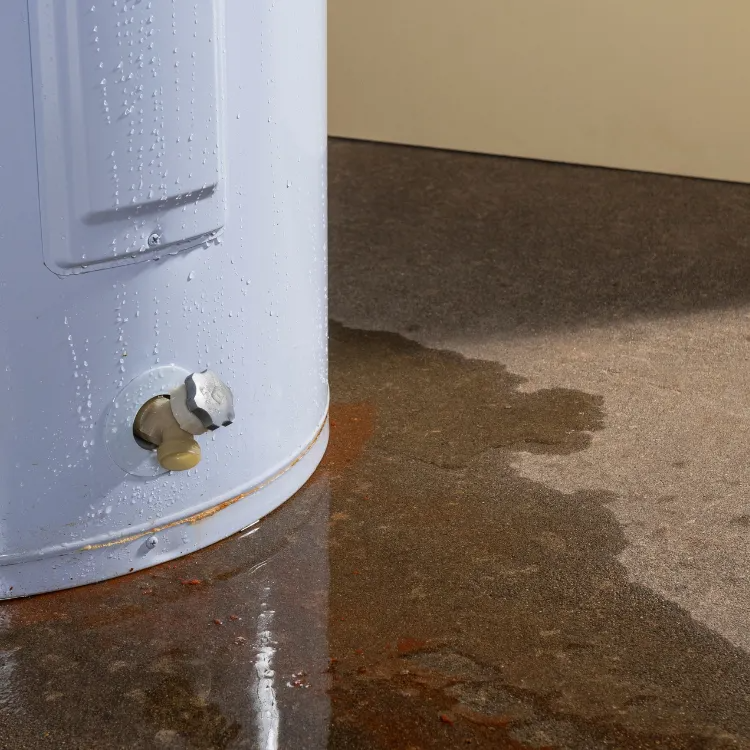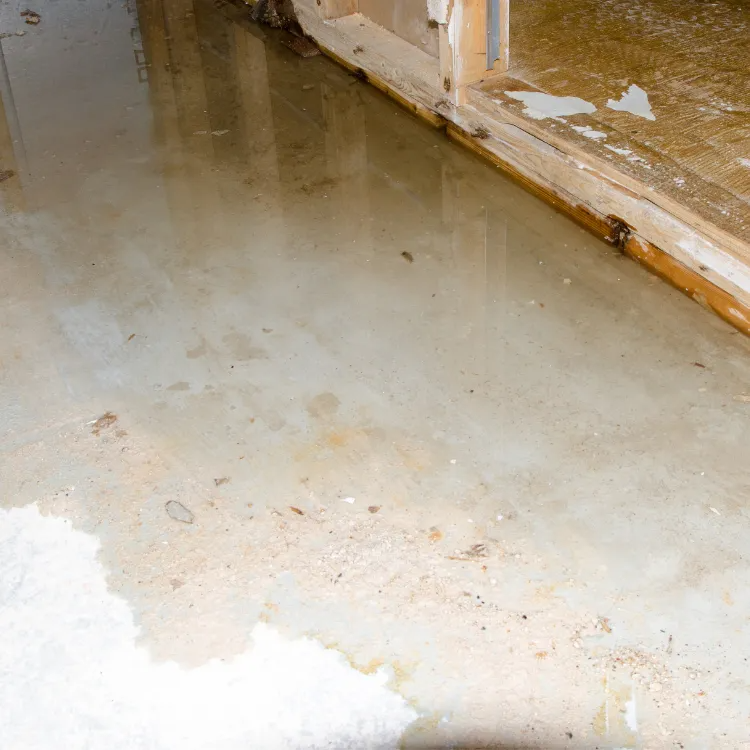
Most plumbing problems don’t start with a flood; they start with a question. A mysterious spike in your water bill, a faint sound of running water in the walls, or a damp spot on the floor in the middle of a Richardson, TX summer can all trigger the same thought: “Do I need a plumber?” Yet the more important thought is, “What should I ask this plumber before I let them touch my home?” Knowing the right questions to ask can be the difference between a precise repair and a costly guessing game.
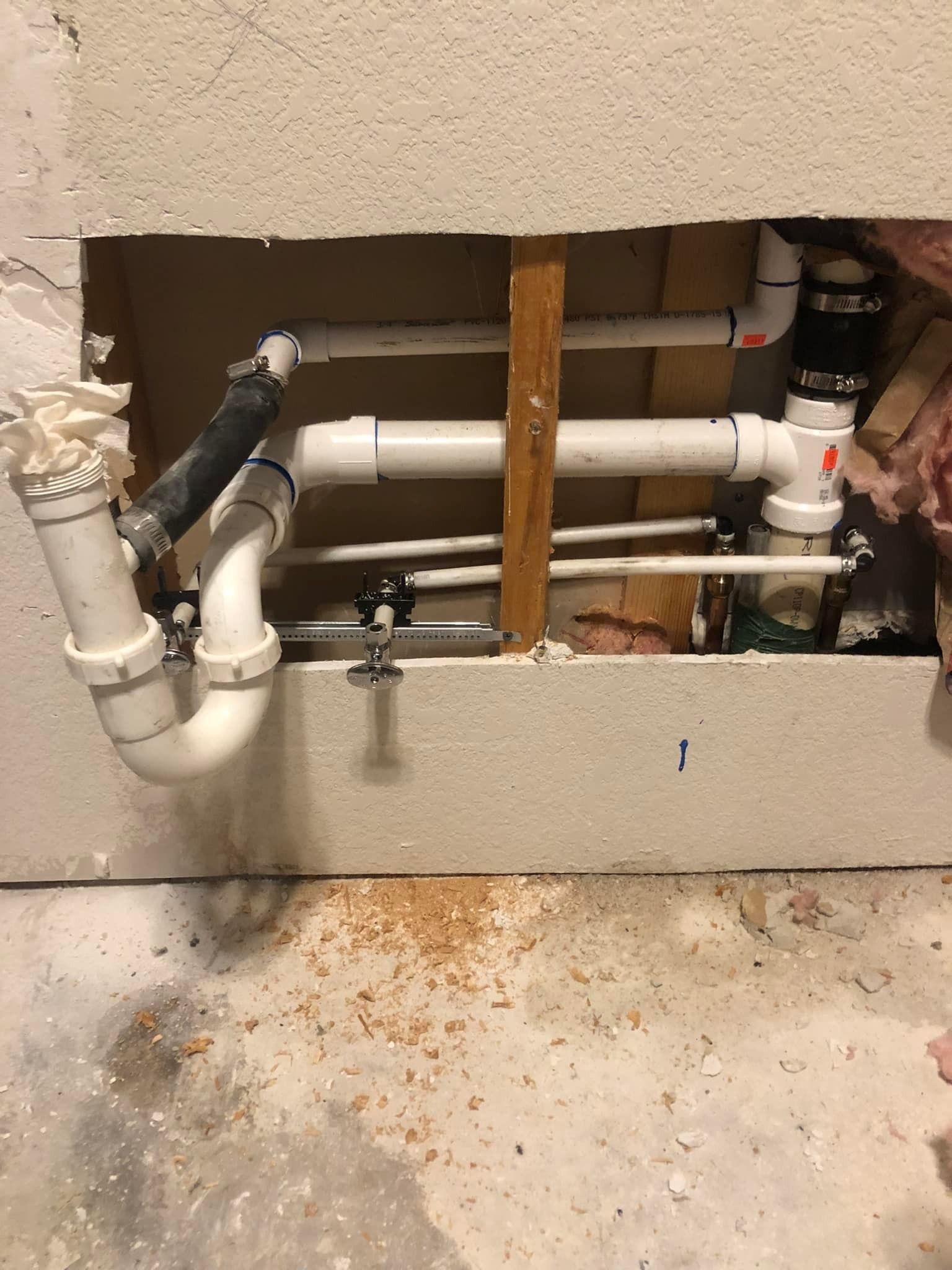
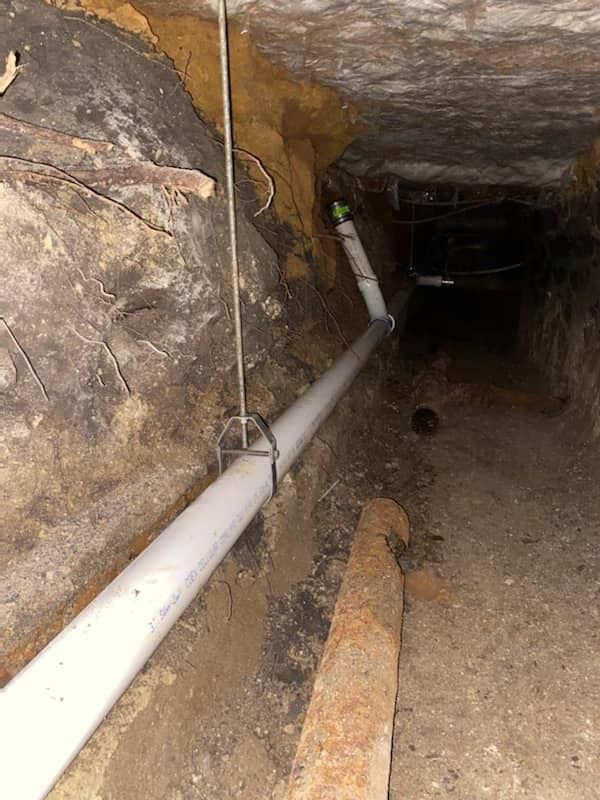
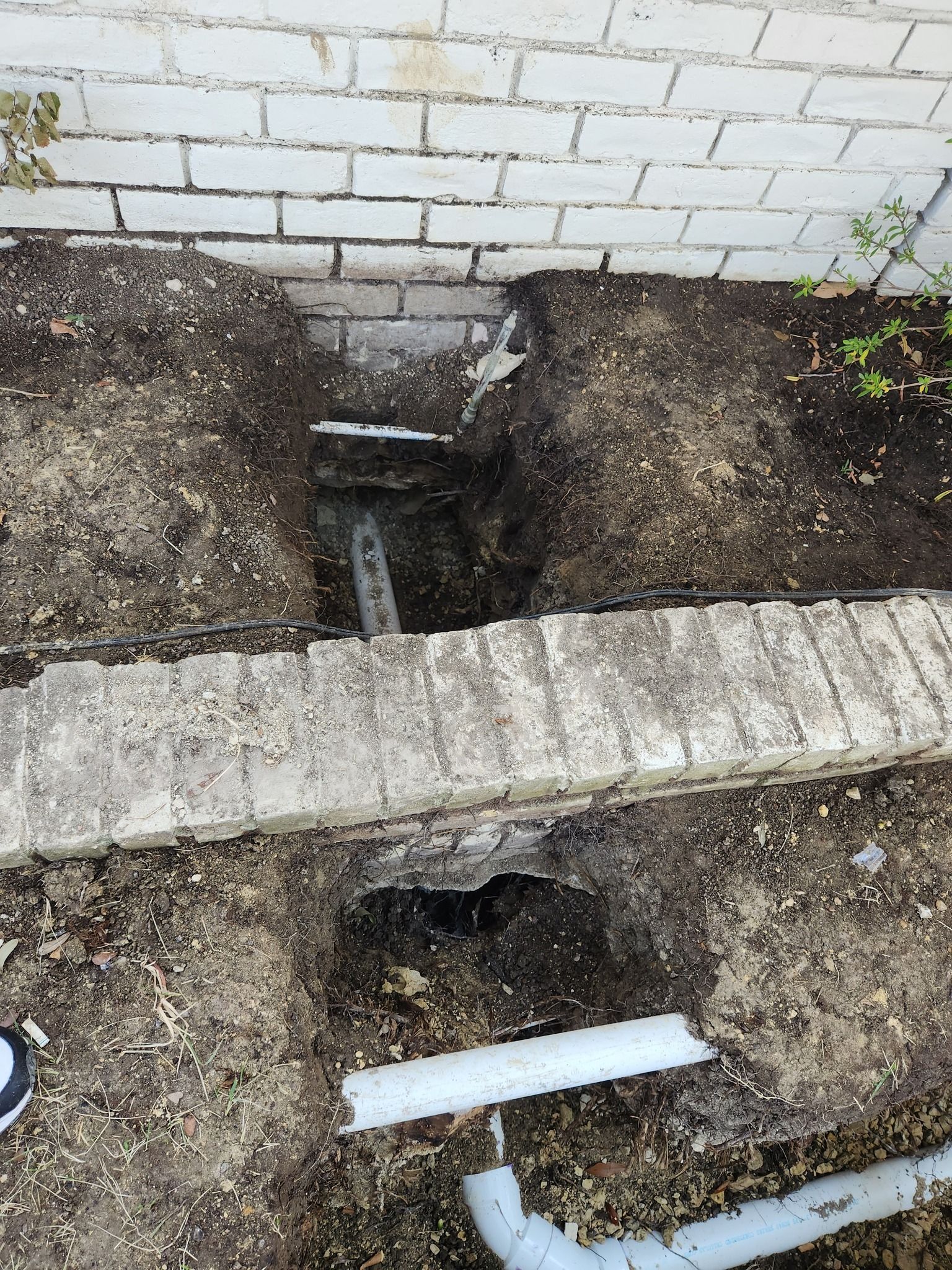
In areas like Richardson, where older homes, slab foundations, and shifting Texas soil are common, plumbing issues can be more complex than a simple clogged drain. Hidden leaks under concrete, aging pipes, and high water pressure all create conditions where you can’t afford vague answers or half-explanations. When you bring in a professional like Casto Leak Detection, you want clear information, not jargon. The questions you ask upfront help you judge whether your plumber is detail-oriented, transparent, and prepared to protect both your home and your budget.
Asking essential questions is not about interrogating your plumber; it’s about building a partnership. You’re inviting someone into your home to work on systems you can’t fully see and often don’t fully understand. A trustworthy plumber welcomes smart questions because it gives them the chance to explain their process and set realistic expectations. Below are key areas to cover before, during, and after your plumbing visit so you can move from uncertainty to confidence.
Clarifying Credentials And Experience
Before any tools come out of the truck, you should know exactly who is working in your home and what qualifies them to do so. In Texas, plumbers must be licensed, and that license level matters. One of the first questions to ask is: “What is your license type and number, and will the person doing the work hold the same license?” A reputable company like Casto Leak Detection in Richardson will have no hesitation sharing this information and explaining the difference between apprentice, journeyman, and master plumbers.
Experience is just as important as licensing, especially for complex issues like hidden leak detection or slab leaks. Ask, “How long have you been working specifically with leak detection and slab-related plumbing problems?” A plumber who mainly handles basic fixture installations may not be the best fit for a subtle, hard-to-find leak under your foundation. You want someone who has repeatedly solved the kind of problem you are facing, in homes similar to yours, in the same local soil and water conditions.
Another smart question is, “Have you worked on homes in my neighborhood or in similar Richardson properties?” Local familiarity can be a significant advantage. Plumbers who regularly work in Richardson, TX will recognize patterns: certain subdivisions with older galvanized pipes, areas prone to slab movement, or neighborhoods where water pressure tends to run high. Their answers will help you gauge whether they’re guessing or drawing from real, relevant field experience.
Understanding Diagnosis Methods
One of the most revealing questions you can ask a plumber is, “How will you diagnose the problem before recommending a repair?” This goes beyond curiosity; it tells you whether they rely on guesswork or on systematic testing. In leak detection work, especially under slabs or within walls, the process should involve more than a quick glance and a shrug. A professional like Casto Leak Detection will be able to walk you through their diagnostic approach step by step.
Follow up with, “What tools or technology do you use to locate leaks?” Modern leak detection may include acoustic listening devices, pressure testing equipment, thermal imaging, or moisture meters. When a plumber describes their tools and how they use them, you can assess whether they are up to date with current methods or still relying on outdated “trial-and-error” approaches that can lead to unnecessary digging or cutting into walls and floors.
You should also ask, “Will you perform any tests before opening walls, floors, or the slab, and can you explain those tests in simple terms?” A careful plumber will be able to describe how they confirm the presence and approximate location of a leak before any invasive work begins. Their willingness to take the time to explain this to you is just as important as the tests themselves. It indicates respect for your property and your understanding of what is about to happen.
Discussing Scope, Options, And Costs
Money conversations can feel awkward, but they are essential if you want to avoid surprises. A key question is, “Can you provide a written estimate that clearly outlines labor, materials, and any potential additional charges?” A detailed estimate protects both you and the plumber. It should list what is included, what could change the price, and how those changes will be communicated. In a place like Richardson, where slab leaks and underground issues can evolve as work progresses, clarity on pricing is critical.
It’s also wise to ask, “Do you charge a flat rate or by the hour, and does your rate change for evenings, weekends, or emergencies?” Understanding how the billing structure works helps you plan and prevents frustration later. If your issue involves leak detection and possible slab repair, ask whether the diagnostic fee is separate from repair costs, and if any portion of the diagnostic fee is applied to the repair if you move forward with the same company.
Another powerful question is, “Are there alternative repair options, and what are the pros and cons of each?” For example, a plumber might present options such as spot repair of a single leak, rerouting plumbing lines around a problem area, or more extensive replacement of aging pipes. In many Richardson homes built on slabs, rerouting supply lines through walls or attics may be a long-term solution. A thoughtful plumber will outline how each option affects cost, disruption to your home, and the likelihood of future issues, allowing you to make an informed decision rather than feeling pressured into one path.
Evaluating Warranty, Guarantees, And Follow-Up
Plumbing work does not end when the plumber leaves your driveway; its true test comes weeks or months later. That’s why you should ask, “What warranties or guarantees do you offer on both parts and labor?” Be sure to get specifics: how long is the warranty period, what exactly is covered, and what is excluded? For issues like slab leaks or complex leak detection, you want to understand whether the guarantee covers only the immediate repair or also any recurrence of the same problem.
It’s helpful to ask, “If the same issue reappears within the warranty period, what is your process for handling it?” The answer should outline how quickly they respond, whether there are additional diagnostic charges, and what threshold they use to determine if it’s a new problem or a continuation of the old one. A company like Casto Leak Detection, which specializes in pinpointing difficult leaks, should be confident enough in their findings to stand behind their work.
Don’t forget to ask, “Will I receive documentation of the work performed, including test results, photos, or diagrams if applicable?” For leak detection and slab-related repairs in particular, having a record of where the leak was found and how it was repaired can be valuable for future maintenance, insurance claims, or when selling your Richardson home. Detailed documentation reflects a professional, organized approach and gives you a reference if any questions arise later.
Minimizing Damage And Disruption
When plumbing problems are hidden inside walls or beneath concrete, the fear of damage to your home is very real. An essential question is, “What steps will you take to minimize cutting, digging, or other disruption to my property?” A skilled leak detection specialist focuses on precision, not demolition. They should be able to explain how their methods reduce unnecessary destruction and what areas of your home may be affected during the process.
You’ll also want to ask, “Who is responsible for restoring any areas that are opened up for access?” For example, if they must open a section of drywall or break through a small area of your slab, will they patch it, or will you need to hire another contractor? In some cases, a plumber may perform basic patching, while more extensive cosmetic restoration is left to a specialist. Understanding this ahead of time helps you plan and prevents finger-pointing later.
Another good question is, “How will you protect my floors, furniture, and surrounding areas while you work?” In a busy Richardson household, with kids, pets, and daily routines, the last thing you want is dust and debris spreading throughout the home. Professional plumbers will describe how they use drop cloths, plastic sheeting, shoe covers, and cleanup protocols. Their answer can reveal a lot about their respect for your home and their overall professionalism.
Planning For Prevention And Long-Term Health
Once an urgent issue is resolved, many homeowners simply move on and hope not to see the plumber again anytime soon. But a smarter approach is to ask, “What can I do to reduce the chances of this happening again?” A knowledgeable plumber will use your current problem as a starting point to discuss the overall health of your plumbing system. In Richardson, TX, that might include talking about water pressure regulation, inspection of aging lines, or monitoring for early signs of slab movement affecting pipes.
Ask, “Do you recommend any regular inspections or maintenance for a home like mine?” Just as HVAC systems benefit from periodic checkups, your plumbing can too. Particularly for homes with a history of leaks, older piping materials, or previous slab issues, a planned inspection schedule can catch small problems before they turn into major damage. Casto Leak Detection, for instance, can advise on whether periodic leak checks or pressure tests make sense for your specific situation.
You can also ask, “If I notice a future change in water usage, pressure, or sounds in my plumbing, what should I monitor or document before calling you?” A plumber who cares about long-term solutions will offer practical tips: tracking water bills, noting the location and timing of unusual sounds, or using simple shutoff tests to narrow down potential problem areas. These small steps make any future visit faster, more accurate, and often less expensive.
Frequently Asked Questions
How do I know if a plumber really specializes in leak detection and slab leaks? Ask them to describe recent jobs involving leak detection and slab repairs, and request specifics about their tools and methods. A true specialist will comfortably explain how they locate leaks without excessive demolition and may reference equipment like acoustic listening devices or pressure tests. In Richardson, TX, where slab foundations are common, a company such as Casto Leak Detection should be able to share clear examples of local projects and typical scenarios they handle.
What should I ask before approving a slab leak repair? Start with, “How confident are you in the leak location and how did you confirm it?” Then ask for a written explanation of the repair method, including whether they’ll do a spot repair, reroute lines, or recommend a more extensive solution. Finally, clarify the total estimated cost, expected duration of the work, how your home will be protected during the process, and what kind of warranty is provided for both the leak detection and the repair itself.
Can I get an accurate estimate over the phone? You can often get a ballpark range over the phone, but for complex issues like hidden leaks, a precise estimate usually requires an in-person evaluation. Plumbing systems are influenced by many variables: pipe material, access points, foundation type, and previous repairs. A reputable Richardson plumber will explain what they can estimate remotely and what requires on-site inspection, so you’re not misled by overly optimistic or generic pricing.
What questions should I ask about insurance and liability? Ask if the plumber carries general liability and workers’ compensation insurance and request proof if you’re unsure. You should also ask, “If an accident or additional damage occurs during the repair, how is that handled?” This ensures that any unforeseen issues are covered by the company’s insurance rather than becoming your financial burden. A professional outfit like Casto Leak Detection will be transparent about coverage and happy to explain how they protect homeowners.
Is there anything I should do before the plumber arrives? Yes. Ask the company when scheduling, “How can I best prepare for your visit?” Common recommendations include clearing access to the suspected problem area, knowing where your main water shutoff is located, and having recent water bills available if you suspect a hidden leak. If you’re dealing with a potential slab leak, it can also help to note any warm spots on the floor, damp areas, or unusual sounds beforehand and share those details with your plumber. For more complex issues, you can also review resources like Slab Leak Repair to better understand what may be involved.