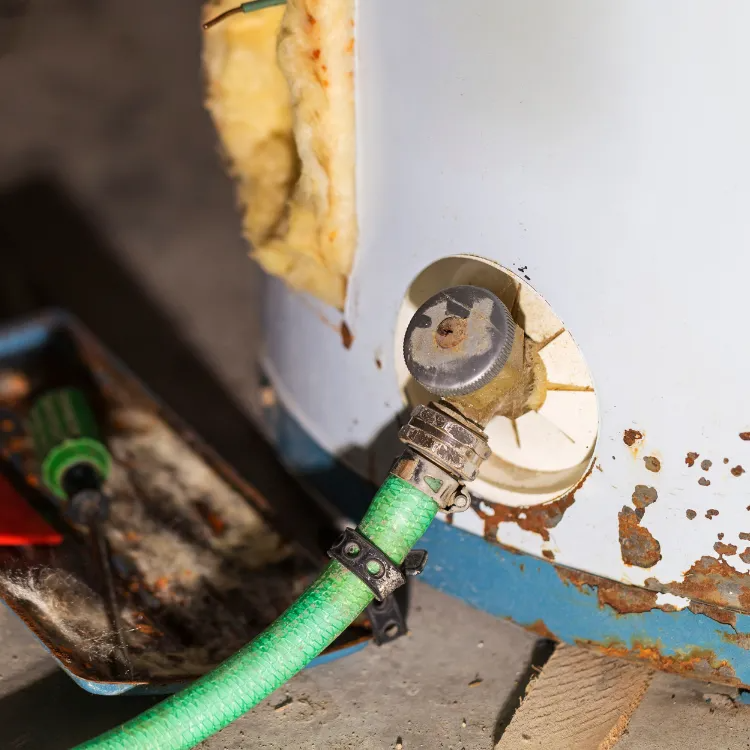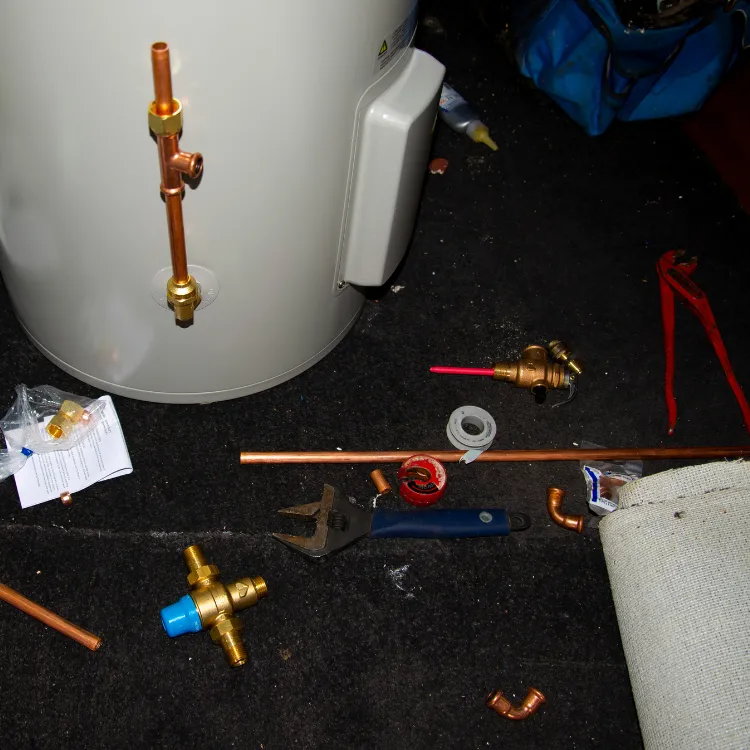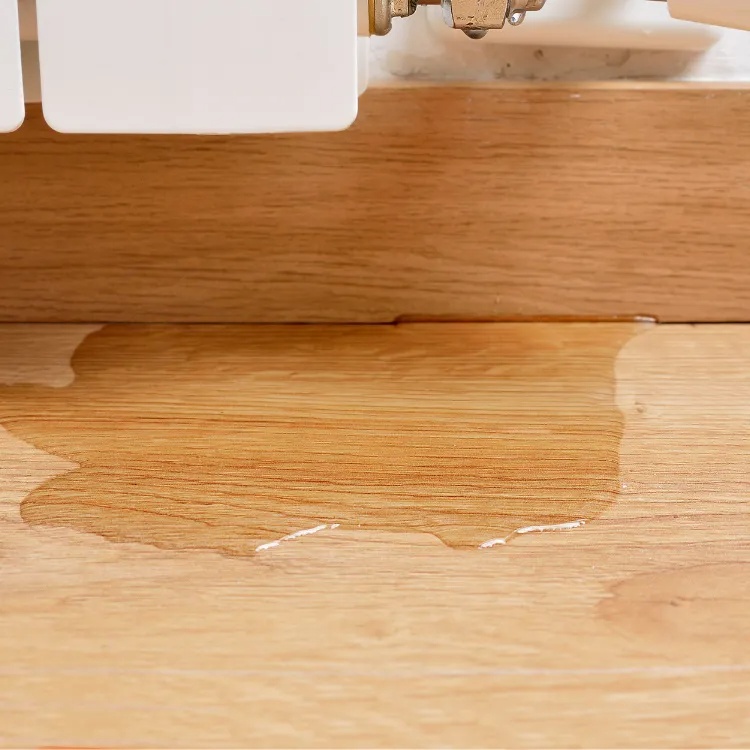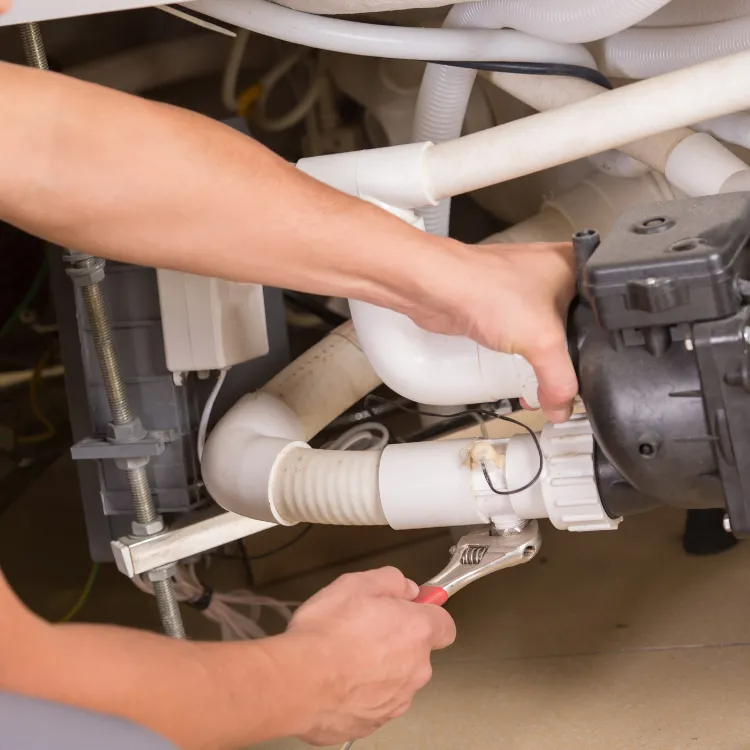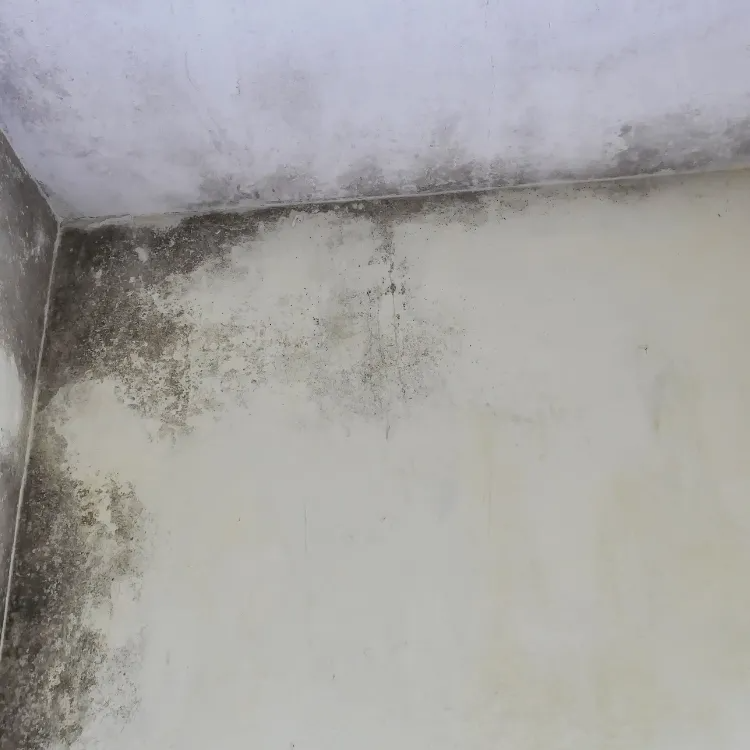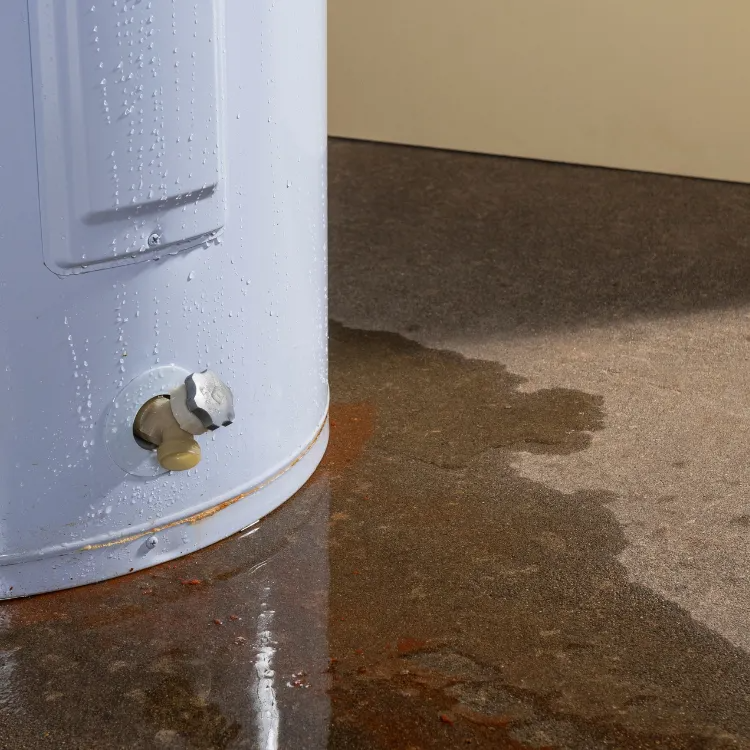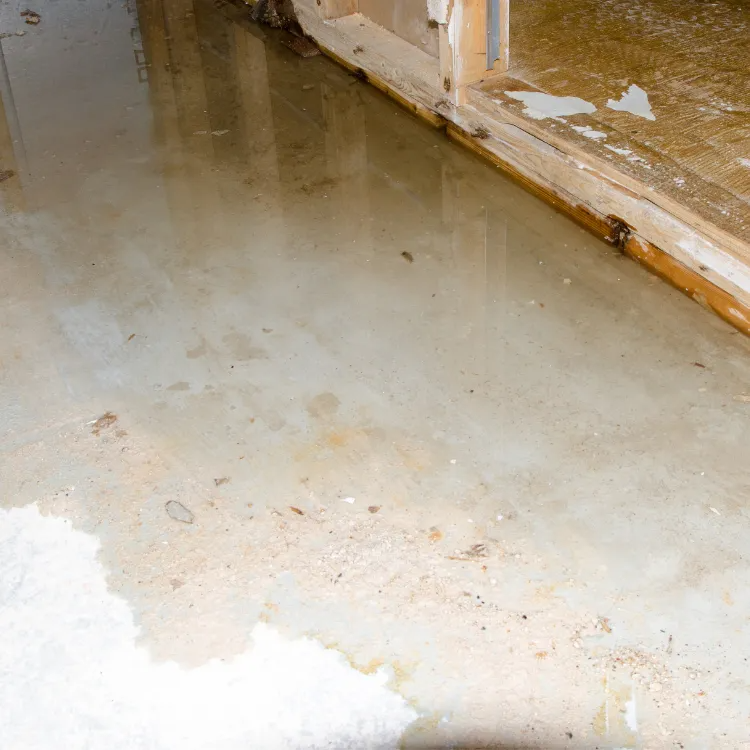
The first sign that something is wrong is usually subtle: lukewarm showers that never quite get hot, a faint popping noise from the utility closet, or a small rust-colored puddle that seems to reappear under the tank no matter how many times you wipe it up. For many homeowners in Richardson, TX, that’s the moment they realize the water heater has reached the end of its life. Replacing it sounds simple enough, but the way that new unit is installed can determine whether you enjoy years of reliable hot water or face constant leaks, high energy bills, and even safety hazards.
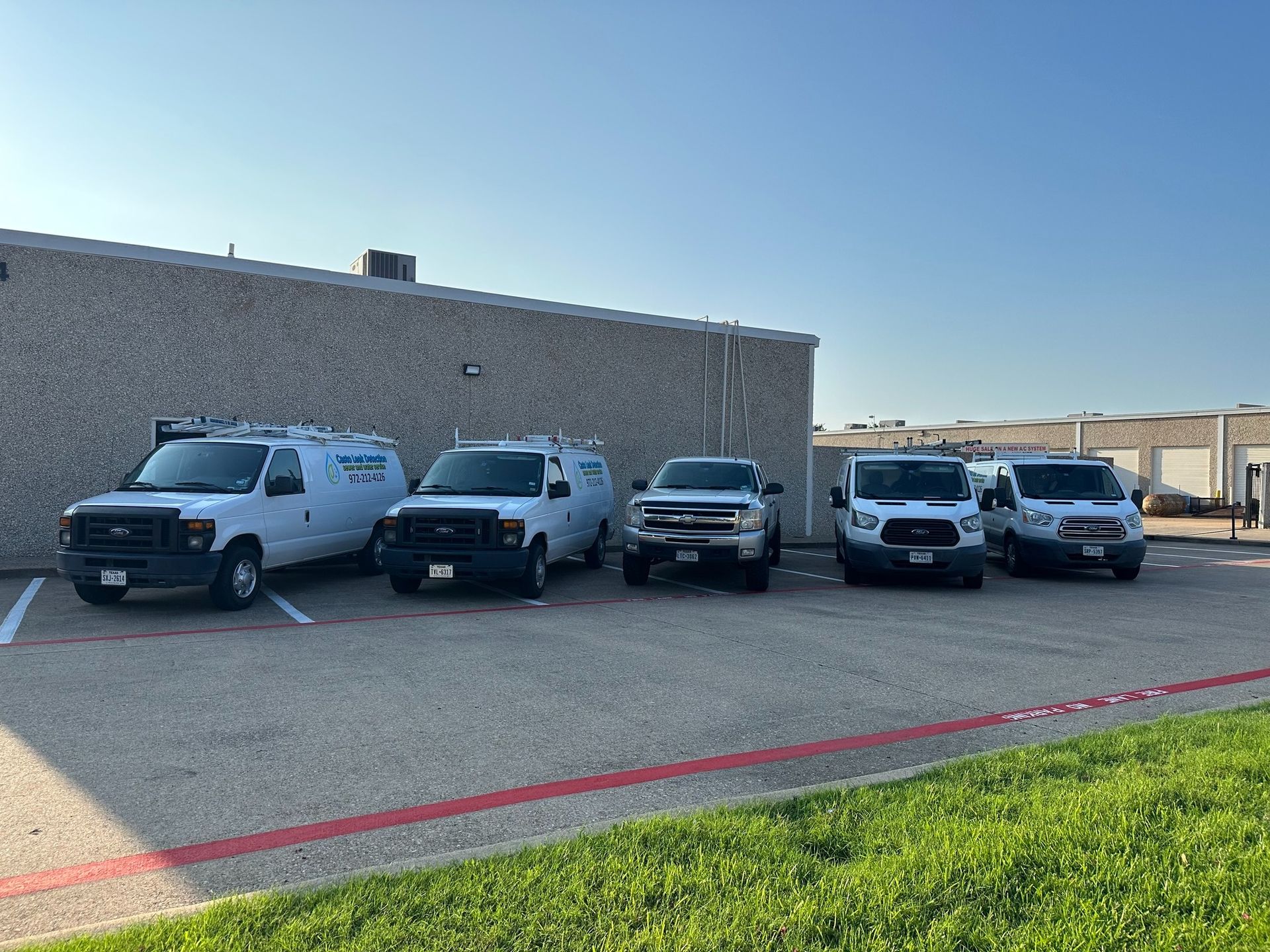
Water heater installation is not just a matter of connecting a few pipes and flipping a breaker. It involves understanding local plumbing codes, managing gas or electrical connections, providing proper venting, and protecting the home against leaks and pressure buildup. Skipping best practices can lead to hidden water damage inside walls, carbon monoxide risks, or premature failure of a brand-new heater. That is why companies like Casto Leak Detection in Richardson place such a strong emphasis on doing every installation by the book—and then going a step beyond the minimum code requirements.
When you hear “best practices,” it might sound like a vague industry phrase. In reality, it refers to specific, practical steps that experienced plumbers follow to make sure a water heater performs safely and efficiently. From choosing the right size and type of unit, to setting it on a stable platform, to testing every connection for leaks, each detail matters. Understanding these best practices helps you ask the right questions, recognize quality workmanship, and avoid the costly surprises that often follow a rushed or improper install.
Choosing The Right Unit
Best practices begin long before the old water heater is disconnected. The first step is selecting a unit that actually matches the home’s hot water demand. Many Richardson households simply replace a 40-gallon tank with another 40-gallon model without considering whether the family has grown, added bathrooms, or installed water-hungry fixtures like large tubs or multi-head showers. A professional will calculate the peak hour demand and recovery rate to determine whether a larger tank or a high-efficiency model is a better fit.
Fuel type is another critical decision. In parts of Richardson, gas water heaters are common, but electric units or hybrid heat-pump heaters may be more efficient depending on utility rates and home layout. Best practice means comparing long-term operating costs, not just the purchase price. A slightly more expensive high-efficiency model can pay for itself in lower energy bills over time, especially when it is properly sized and installed by a specialist like Casto Leak Detection.
Home conditions also drive the choice of unit. For example, tankless water heaters save space and offer endless hot water, but they require specific gas line sizing and venting that older homes may not have. Installing a tankless unit without upgrading the gas supply can lead to poor performance and potential safety issues. A thorough installer will inspect the home’s gas lines, electrical panel, and venting paths before recommending any particular type of heater, ensuring the new system integrates safely with the existing infrastructure.
Local building codes and climate also play a role in selection. In North Texas, where temperature swings and occasional freezes occur, placement and insulation matter. Choosing a unit that can be properly protected from temperature extremes, especially in garages or exterior closets, is part of a best-practice mindset. It is not just about what will work today, but what will withstand local conditions for many years.
Site Preparation And Safety
Once the right water heater is selected, preparing the installation site is the next major step. Best practices require more than just clearing a path to the old tank. The area needs to be evaluated for structural stability, ventilation, and access. If the heater is in an attic or elevated platform, weight and support must be considered, since a full tank can weigh several hundred pounds. An experienced installer will assess whether the platform needs reinforcement or whether relocation is a safer option.
Clearances around the unit are also crucial. Gas heaters, in particular, need sufficient space for combustion air and service access. Cramming a new heater into a tight closet without maintaining proper clearances can lead to inefficient burning, soot buildup, or even dangerous carbon monoxide accumulation. A professional will measure and verify clearances against manufacturer specs and local codes before final placement.
Safety planning includes evaluating shutoff locations for gas, water, and electricity. Best practice dictates that these shutoffs be accessible and clearly identifiable so that a homeowner or technician can quickly stop the flow of gas or water in an emergency. In older Richardson homes, valves may be corroded or partially inoperable. Replacing those valves during installation is a smart preventive step that helps avoid future leaks and gives the homeowner real control over the system.
Finally, site preparation must account for potential water discharge. If a leak or tank failure occurs, where will that water go? Installing or upgrading drain pans, ensuring proper drainage to a safe location, and considering leak detection devices are all part of a thorough plan. Companies like Casto Leak Detection, with a focus on preventing water damage, pay special attention here, because this is where many installations fail the homeowner over time.
Plumbing Connections And Leak Prevention
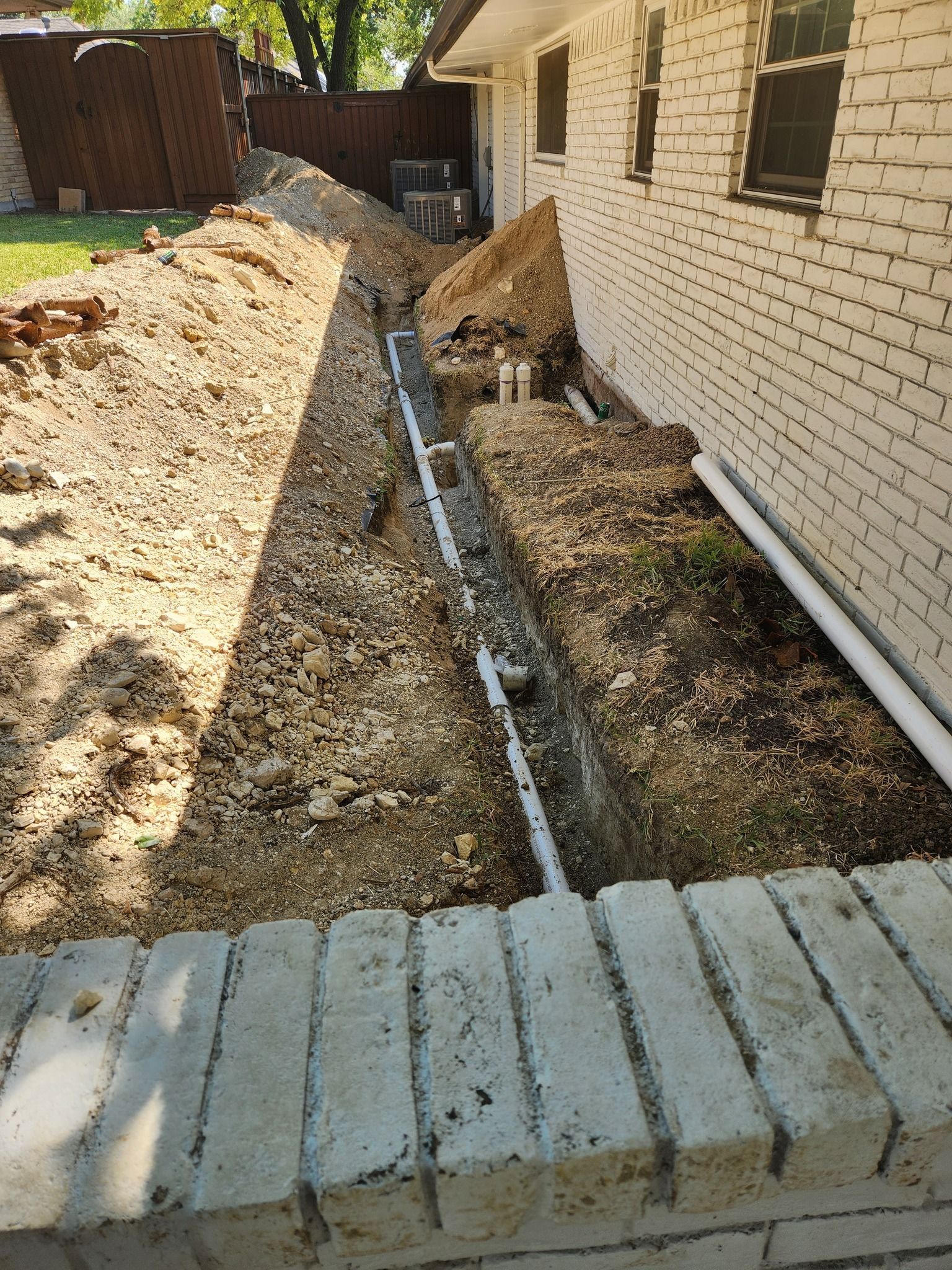
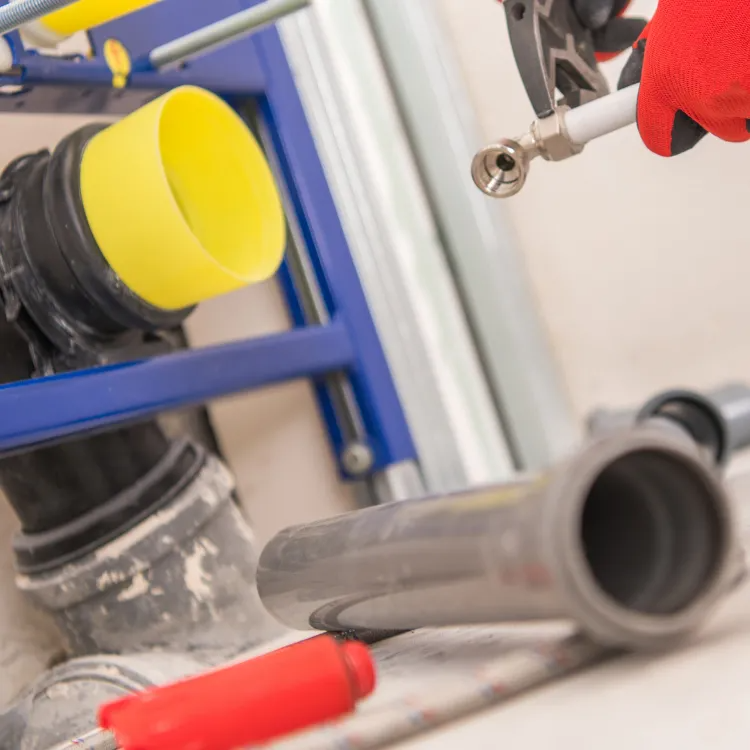
The heart of best practices in water heater installation lies in the plumbing connections. Even small mistakes—like using the wrong type of fitting or skipping a sealant—can create slow leaks that remain hidden until they have damaged subfloors, walls, or ceilings. A professional installer will carefully inspect the existing piping for corrosion, improper materials, or outdated connections such as old galvanized lines that may need upgrading before tying into a new heater.
Dielectric unions are a good example of a detail that matters. When copper pipes connect directly to steel tank nipples, galvanic corrosion can accelerate, leading to leaks at the top of the tank. Installing dielectric fittings helps separate dissimilar metals and reduces corrosion risk. While some quick installations skip these or use generic connectors, best practice is to follow manufacturer recommendations and local codes to the letter, which includes using the correct unions and rated materials.
Every threaded joint should be assembled using appropriate sealants—such as high-quality pipe thread sealant or Teflon tape approved for potable water—applied correctly and not excessively. After all connections are made, a detailed pressure test is essential. Rather than just turning on the water and glancing for drips, a meticulous installer will pressurize the system, bleed air properly, and inspect each joint under working pressure, often using both visual checks and touch to feel for moisture.
Beyond the immediate connections, best practices also include adding shutoff valves and flexible connectors where appropriate. Modern flexible water heater connectors, when properly rated and installed, can reduce stress on rigid piping and allow for easier service in the future. In seismic-prone areas, strapping the heater and securing piping are standard; even in Richardson, where earthquakes are rare, stabilizing the unit and its pipes helps reduce movement and strain, especially in garages or attics where vibrations and accidental bumps are more likely.
Gas, Venting, And Electrical Standards
For gas water heaters, correct gas line sizing and secure connections are non-negotiable best practices. Undersized gas lines can starve the burner, leading to poor performance and incomplete combustion. A qualified installer will calculate the total BTU load on the gas system, including other appliances like furnaces and stoves, to ensure that the line feeding the water heater is adequate. Each connection is then checked with an approved leak-detection solution or a gas detector, never by relying on smell alone.
Venting is equally critical. Atmospheric and power-vent gas heaters must be vented according to strict manufacturer and code requirements. Incorrect vent slope, improper materials, or unsupported vent runs can allow exhaust gases to spill back into the home. In a community like Richardson, where many homes have older venting systems, a best-practice installation often means upgrading or repositioning vents rather than simply reusing what is already there. Proper termination outside the home, away from windows and openings, is essential for safety.
Electric water heaters have their own set of standards. The electrical circuit must be correctly sized for the heater’s load, with an appropriately rated breaker and wire gauge. Best practice is to verify the integrity of the wiring, ensure grounding is correct, and confirm that the disconnect means is accessible. Loose electrical connections can cause overheating at terminals, which in turn can damage the heater or even pose a fire risk. A careful installer tightens all lugs to manufacturer specifications and checks for proper voltage before energizing the unit.
Specialized units like hybrid heat-pump water heaters or tankless systems add another layer of complexity. They may require dedicated circuits, condensate drains, or upgraded venting materials. This is where working with an experienced company that understands both plumbing and building systems, such as Casto Leak Detection, becomes particularly important. Best practices here are not just about passing inspection; they are about long-term performance and safety under real-world conditions.
Temperature, Pressure, And Drainage Protection
Even a perfectly installed water heater is incomplete without proper temperature and pressure protection. Every storage-type water heater must have a functioning temperature and pressure relief (T&P) valve. Best practice is to inspect the new valve, ensure it is correctly threaded into the designated port, and connect a discharge pipe that terminates in a safe, visible location. The discharge line must not be capped or reduced in size, as that would prevent it from relieving pressure in an emergency.
Thermal expansion is another often-overlooked issue. In many Richardson homes with closed plumbing systems and backflow preventers, water expanding as it heats has nowhere to go. Without an expansion tank, this can create excessive pressure in the system, stressing fixtures, valves, and the water heater itself. Installing a properly sized and pressurized expansion tank is a best-practice measure that protects the entire plumbing system and extends the life of the heater.
Drain pans and floor drains form the final layer of defense against water damage. A quality installation includes placing the heater in a corrosion-resistant pan that is large enough to catch leaks and connecting that pan to an appropriate drain line. In locations such as attics or interior closets in Richardson homes, the lack of a pan and drain is one of the most common causes of catastrophic ceiling and wall damage when a tank fails. Pro installers always plan for the worst-case scenario, not just the day of installation.
Some homeowners also choose to add leak detection devices or automatic shutoff valves. These systems sense moisture around the base of the heater and can shut off the water supply if a leak is detected. A company that specializes in leak detection, like Casto Leak Detection, can recommend and install these devices as part of a comprehensive protection strategy. While not always required by code, they reflect a higher standard of best practice aimed at minimizing damage and disruption.
Startup, Testing, And Homeowner Education
The final stage of a best-practice installation is careful startup and testing. Filling the tank correctly—ensuring all air is purged from the system before energizing the heater—is essential. Turning on the power or gas before the tank is full can damage heating elements or burners. A professional will open hot water faucets to bleed air, watch for consistent flow, and only then proceed to ignite the burner or energize the elements.
Performance testing follows. The installer checks burner flame characteristics on gas units, verifying a steady blue flame without excessive yellow tipping, which can indicate improper combustion. For electric units, they will confirm that both upper and lower elements cycle properly. Temperature measurements at nearby faucets ensure that the thermostat is set correctly, usually around 120°F, which balances comfort, energy efficiency, and scald protection.
Documentation and labeling are also important. Best practice includes recording the installation date, model and serial numbers, and recommended maintenance intervals. Clear labeling of shutoff valves and breaker locations helps homeowners and future technicians service the unit more easily. This level of organization makes warranty claims smoother and provides a useful reference if any issues arise later.
Finally, homeowner education completes the job. A responsible installer will walk the homeowner through basic operation, show them how to turn off gas, water, and power in an emergency, and explain what signs of trouble to watch for—such as unusual noises, discolored water, or moisture around the base. In Richardson, where busy schedules often mean home systems are “out of sight, out of mind,” this short conversation can save a homeowner from major headaches down the road.
Frequently Asked Questions
How long does a professional water heater installation usually take? For a standard tank-style replacement in a typical Richardson home, a professional installation usually takes about 2 to 4 hours. This includes shutting off utilities, draining and removing the old unit, preparing the site, making new connections, and performing startup and testing. If upgrades are needed—such as adding an expansion tank, updating venting, or relocating the heater—the job can extend to most of the day. Taking the extra time for thorough testing and code-compliant work is part of best practice and helps prevent callbacks and future problems.
Do I really need an expansion tank on my new water heater? In many modern plumbing systems, especially those with pressure-reducing valves or backflow preventers, an expansion tank is strongly recommended and sometimes required by code. When water heats up, it expands, and without a place for that extra volume to go, pressure in the system can spike. Over time, these pressure swings can damage fixtures, valves, and the water heater itself. Installing a properly sized expansion tank is a relatively small investment that protects the entire plumbing system and aligns with best practices followed by professional installers in Richardson, TX.
What temperature should my water heater be set to? For most households, a setting of around 120°F is considered ideal. This temperature is hot enough to provide comfortable showers and effective cleaning while reducing the risk of scalding, particularly for children and older adults. It also helps limit energy consumption and slows mineral buildup inside the tank. Your installer can adjust the thermostat during startup and show you where it is located. If you have specific needs—such as higher temperatures for certain appliances—those can be discussed and managed with mixing valves or other solutions that still prioritize safety.
Can I install a water heater myself to save money? While some handy homeowners attempt DIY installations, it is rarely advisable, especially for gas units. Water heater installation involves plumbing, gas or electrical work, venting, and safety devices that must all meet local codes. Mistakes can lead to gas leaks, electrical hazards, carbon monoxide issues, or hidden water damage. Moreover, many manufacturers’ warranties require professional installation. Working with a qualified company like Casto Leak Detection in Richardson ensures that best practices are followed, the unit is installed safely, and your warranty and local code requirements are fully satisfied.
How do I know if my current water heater was installed correctly? There are several visual clues you can look for. Check whether there is a drain pan under the heater (especially if it is in an attic or interior space) and whether that pan is connected to a drain line. Look for a properly installed T&P relief valve with a discharge pipe that terminates in a safe, visible location. Inspect gas lines for solid, supported connections and vents for secure, sloped piping that leads outdoors. If you see corrosion, mismatched materials, makeshift supports, or missing safety components, it is wise to have a professional inspection. A company focused on leak detection and installation best practices can evaluate your setup and recommend corrections if needed.
To learn more about professional Water Heater Installation and leak-safe plumbing solutions in Richardson, TX, working with an experienced team ensures that every best practice is followed from start to finish.