The trouble usually starts with good intentions. A homeowner in Richardson, TX heads to a big-box store on a Saturday morning, buys a shiny new water heater, watches a few online tutorials, and decides to tackle the installation alone. By Sunday night, they notice a slow drip from the fittings, a faint gas smell, or water that is either scalding hot or barely lukewarm. What looked like a simple weekend upgrade has turned into a safety risk, a potential leak, and a looming repair bill. This is exactly how common water heater installation mistakes quietly set the stage for future damage.
Water heaters are not just large metal cylinders that heat water; they are pressurized systems that combine plumbing, gas or electrical connections, and safety controls. When any part of that system is installed incorrectly, the consequences can be far more serious than a cold shower. From hidden leaks that damage walls and foundations to backdrafting combustion gases and tank failures, the margin for error is much smaller than many people realize. Avoiding key mistakes during installation is not just about comfort—it is about protecting your home and your family.
In Richardson, TX, where hard water, slab foundations, and hot summers already put extra stress on plumbing systems, a poorly installed water heater can quickly expose weak points in your home’s infrastructure. Companies like Casto Leak Detection often get called in after the damage is done—when a small oversight during installation has turned into a leak inside a wall or a damp, musty smell no one can locate. Understanding which installation errors to avoid can save thousands of dollars and countless headaches later.
Ignoring Local Codes And Permits
One of the most serious mistakes homeowners and even some handymen make is skipping local codes and permit requirements. Building and plumbing codes in Richardson, TX are not just bureaucratic red tape; they exist to keep homes safe and systems functioning correctly. When a water heater is installed without following code, it may lack essential components like proper venting, expansion tanks, or seismic strapping, all of which can create hazards or shorten the unit’s lifespan.
Many homeowners assume that because they are working on their own property, permits are optional. In reality, most municipalities require permits for water heater replacements, especially when gas lines or venting systems are involved. Without a permit and inspection, there is no second set of eyes verifying that the installation is safe and compliant. If something goes wrong—such as a gas leak, carbon monoxide issue, or water damage—insurance companies may deny claims if the work was done without permits or against code.
Another hidden risk of ignoring codes is what happens when you try to sell your home. A non-permitted water heater installation can be flagged during an inspection, delaying the sale or forcing you to pay for corrections under time pressure. Professional installers familiar with Richardson’s requirements, like Casto Leak Detection, understand local regulations and ensure that every detail—from vent pipe clearances to drain pan placement—meets or exceeds code.
Ultimately, trying to bypass permits to save a little time or money can backfire badly. The small upfront savings rarely justify the potential for safety hazards, failed inspections, and costly rework. Taking the time to do it right from the start is always the more economical and responsible choice.
Improper Sizing And Capacity Choices
Another frequent misstep is choosing the wrong size water heater for the household’s needs. Many people simply replace their old unit with the same size tank, assuming it must be correct. However, family size, hot water usage patterns, new appliances, and efficiency upgrades can all change what capacity is actually appropriate. A unit that is too small will constantly run out of hot water and work harder than it should, leading to premature wear and higher energy bills.
On the other hand, oversizing a water heater can be just as problematic. A larger tank holds more water that needs to be kept hot around the clock, which can significantly increase energy consumption. Oversized units may also suffer from more standby heat loss, where heat escapes from the tank into the surrounding space. In some cases, an oversized heater can even strain existing gas lines or electrical circuits that were never designed to handle the extra load.
In Richardson, TX, where households often run dishwashers, washing machines, and multiple showers in quick succession, accurate sizing becomes even more important. Professionals take into account peak demand, the number of bathrooms, and appliance specifications to determine the right tank size or tankless capacity. They also consider recovery rate—the speed at which the heater can reheat water after it has been used—rather than just the gallon rating on the label.
Choosing the correct size is not guesswork; it is a calculation. When homeowners skip that calculation and rely on rough estimates or sales-floor advice, they often end up with systems that never quite perform the way they should. Working with a knowledgeable installer helps ensure the water heater is matched to the home’s real-world demands, delivering consistent comfort without wasting energy.
Incorrect Venting And Combustion Air
For gas water heaters, venting is one of the most critical and most commonly mishandled aspects of installation. The vent system’s job is to safely carry combustion gases, including carbon monoxide, out of the home. If vent pipes are undersized, poorly sloped, improperly joined, or made from the wrong materials, exhaust gases may not move as intended. This can cause backdrafting, where dangerous fumes are drawn back into the living space instead of going outside.
In some older Richardson homes, new water heaters are connected to existing vent systems that were built for different appliances or older code standards. If the new unit has different venting requirements, simply reusing old piping can be a serious mistake. Gaps, corrosion, or incompatible fittings can lead to leaks in the vent system, and even small errors can have major safety implications over time. Professional installers carefully review manufacturer specifications and verify that venting materials and configurations meet current standards.
Another overlooked factor is combustion air—the fresh air supply needed for the burner to operate safely and efficiently. If a water heater is installed in a tight closet, garage, or sealed mechanical room without enough incoming air, it may struggle to burn fuel completely. This not only reduces efficiency but can increase carbon monoxide production and cause soot buildup. Installers must ensure that there are adequate openings or ducts providing fresh air to the unit, especially in energy-efficient homes that are tightly sealed.
Improper venting and insufficient combustion air are not issues that most homeowners can easily spot. There may be no obvious warning signs until a carbon monoxide detector goes off or a technician discovers the problem during a later service call. This is why relying on experienced professionals, rather than guesswork or generic instructions, is essential for any gas water heater installation.
Neglecting Expansion Tanks, Drain Pans, And Shutoff Valves
Many of the most damaging water heater installation mistakes are not dramatic; they are simple omissions of small but crucial components. One of these is the thermal expansion tank. In areas like Richardson, TX where many homes have closed plumbing systems with pressure-reducing valves or backflow preventers, water has nowhere to expand when it heats up. This can cause pressure spikes inside the pipes and the water heater itself, stressing joints, valves, and the tank lining.
An expansion tank absorbs this extra pressure, protecting the system from these fluctuations. Skipping the expansion tank, or installing one that is incorrectly sized or improperly charged with air, can lead to dripping relief valves, premature tank failure, and even hidden leaks. Homeowners who are unaware of this requirement might see a constantly dripping temperature and pressure relief valve and assume the heater is defective, when in fact the system is simply missing a key component.
Another often overlooked detail is the drain pan and its associated drain line. A properly installed pan under the water heater can catch small leaks and channel water safely to a floor drain or exterior discharge. Without this, even a slow leak can spread under flooring, into walls, or across a slab foundation, causing mold growth and structural damage. Casto Leak Detection frequently finds that concealed leaks around water heaters could have been contained or noticed much earlier if a drain pan and drain line had been correctly installed.
Finally, accessible shutoff valves on both the cold water supply and gas or electrical connections are vital for safety and maintenance. Some DIY installations reuse old, sticky valves or install them in hard-to-reach locations. When an emergency occurs, such as a burst tank or major leak, every second counts. Being able to quickly shut off water and fuel sources can dramatically reduce damage. Thoughtful placement and quality of valves are small details that make a big difference over the life of the system.
Poor Plumbing Connections And Leak Risks
Water heater installations live or die by the quality of their plumbing connections. Cross-threaded fittings, over-tightened joints, or mismatched materials can all create slow, persistent leaks. These leaks might not be obvious right away; sometimes they only show up as minor dampness, a musty smell, or slightly higher water bills. Over time, that trickle can damage drywall, framing, and even the slab foundation beneath the home.
Another common mistake is mixing incompatible metals without proper dielectric unions. Connecting copper directly to galvanized steel, for example, can set up galvanic corrosion, where one metal slowly eats away at the other. The result is weakened fittings and leaks that appear months or years after installation. Professional installers know when dielectric fittings are required and how to use them correctly to prevent this silent form of pipe damage.
Flexible connectors, while convenient, can also be misused. Cheap, undersized, or kinked flex lines may restrict flow or fail prematurely. Some DIY installers use connectors that are not rated for water heater temperatures and pressures, or they route lines in ways that put constant strain on the fittings. Over time, vibration, thermal expansion, and everyday use can cause these weak points to fail unexpectedly.
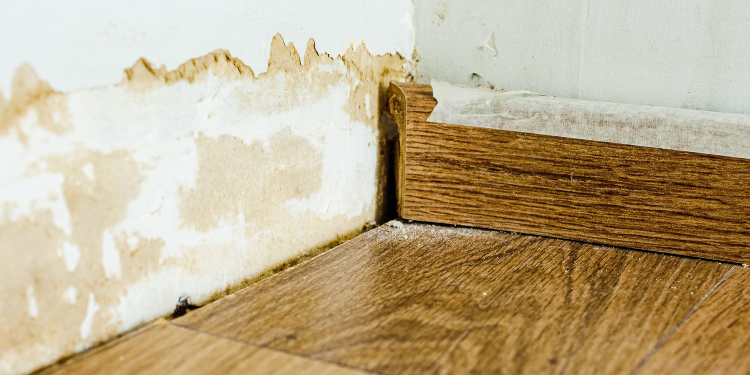
Companies like Casto Leak Detection are often called when these small mistakes finally show themselves as damp baseboards, warped flooring, or unexplained wet spots. By then, the water damage is already done. Careful attention during installation—using the right materials, tightening fittings to proper torque, and pressure-testing connections—can prevent the need for leak detection and extensive repairs later on.
Skipping Professional Help And Ongoing Maintenance
Perhaps the biggest overarching mistake is underestimating the complexity of water heater installation and assuming it is just another DIY project. While some homeowners in Richardson, TX have the skills and tools to handle parts of the job, many do not fully appreciate the interplay between gas lines, electrical circuits, venting requirements, and plumbing codes. One overlooked joint or miswired connection can undo all the effort and introduce serious risks.
Working with experienced professionals who specialize in water heaters and leak detection brings an extra layer of protection. They not only install the unit but also evaluate the surrounding plumbing, verify pressures, and identify potential weak points that could become future leaks. If an older home has existing issues, such as corroded lines or marginal venting, a professional can spot these and recommend corrections before the new heater is put into service.
Even a perfectly installed water heater needs ongoing attention. Flushing sediment, checking the anode rod, testing the temperature and pressure relief valve, and inspecting for early signs of leaks are all part of responsible ownership. Neglecting maintenance can shorten the life of the heater and increase the risk of tank failure or leaks that require specialized leak detection services. A brief annual checkup is far cheaper than repairing water damage or replacing a prematurely failed unit.
For homeowners considering upgrades like tankless systems, the need for expert involvement is even greater. Tankless units have specific flow, venting, and gas supply requirements that must be met. If you are evaluating options, the team at Casto Leak Detection can help guide you toward appropriate choices and connect you with professional installation resources, including services such as Slab Leak Repair when underlying plumbing issues are discovered.
Frequently Asked Questions
What is the most dangerous water heater installation mistake? The most dangerous mistake is improper gas or venting work. Incorrectly installed gas lines can leak, creating explosion and fire risks, while poor venting can allow carbon monoxide to accumulate inside the home. These problems are often invisible until they become emergencies, which is why gas and venting work should always be handled by qualified professionals familiar with local codes in Richardson, TX.
How can I tell if my water heater was installed incorrectly? Warning signs include fluctuating water temperatures, unusual noises, frequent pilot light outages, visible corrosion around fittings, or a temperature and pressure relief valve that drips constantly. You may also notice moisture around the base of the tank, rust stains, or a lingering gas smell. If you see any of these symptoms, it is wise to have a professional inspect the installation and check for leaks or code violations.
Do I really need an expansion tank on my water heater? In many modern homes with closed plumbing systems, an expansion tank is strongly recommended and may be required by code. When water heats up, it expands, and without somewhere to go, that pressure stresses your pipes, valves, and the water heater itself. An expansion tank absorbs this pressure, reducing the risk of leaks and extending the life of your system. A technician can test your home’s water pressure and configuration to determine if an expansion tank is necessary.
Can improper installation cause hidden leaks in my home? Yes. Poorly sealed connections, missing drain pans, or incorrect pressure control can all lead to slow, hidden leaks. These may soak into walls, flooring, or insulation without being immediately visible. Over time, this moisture can cause mold, rot, and even slab or foundation issues. Specialists like Casto Leak Detection use advanced tools to locate these hidden leaks and identify whether installation errors are to blame.
Should I replace my own water heater or hire a professional? While it might be tempting to save money with a DIY replacement, water heater installation involves plumbing, gas or electrical work, safety controls, and code compliance. Mistakes can lead to safety hazards, property damage, and denied insurance claims. In most cases, hiring a licensed professional who understands Richardson’s local codes and best practices is the safer and more cost-effective choice in the long run.