The first sign is usually something small: a faint hissing behind a wall, a patch of flooring that feels warmer than the rest, or a water bill that suddenly makes no sense. There is no waterfall pouring from the ceiling, no dramatic burst pipe, just a nagging feeling that somewhere in your Richardson, TX home, water is escaping where it shouldn’t. By the time stains show up on the drywall or your foundation starts to crack, the damage has already been quietly building. That is why understanding basic leak detection techniques is not just helpful; it can be the difference between a minor repair and a full-blown home disaster.
Most homeowners assume leaks will be obvious, but the most destructive ones are often invisible. They hide under slabs, in crawlspaces, behind cabinets, and inside walls. These leaks can undermine soil beneath foundations, feed mold growth, warp wood, and ruin insulation. Learning how to spot the subtle warning signs, use simple detection methods, and know when to call in professionals like Casto Leak Detection in Richardson, TX gives you a real advantage. It turns leak detection from a guessing game into a routine part of protecting your home.
The good news is that you do not need specialized equipment to catch many leaks early. With a combination of observation, a few simple tests, and an understanding of how your home’s plumbing behaves, you can often pinpoint problems before they spiral out of control. From checking your water meter to listening for hidden hissing noises at night, these methods are practical, repeatable, and accessible to any homeowner willing to pay a bit closer attention.
Understanding How Leaks Start
Before you can detect leaks effectively, it helps to know why they happen in the first place. In older Richardson homes, galvanized steel or copper pipes may have reached the end of their lifespan. Years of mineral buildup, corrosion, and temperature changes can cause pinhole leaks that release small amounts of water over long periods. Newer homes are not immune either; poor installation, shifting soil, or even defective fittings can create vulnerabilities that don’t show up until years after construction.
Texas soil adds another layer of complexity. Richardson sits in an area where clay soils expand when wet and contract when dry. This constant movement stresses plumbing lines, especially those running under slabs. Even a tiny change in soil moisture can shift a pipe just enough to cause a crack or joint failure. These slab leaks rarely appear as obvious puddles. Instead, you might notice warm spots on the floor, hairline cracks in tile, or doors that suddenly don’t close quite right because the foundation has subtly moved.
Pressure is another major factor. Your home’s plumbing is designed to handle a specific range of water pressure. If the pressure is too high, joints, valves, and flexible supply lines are under continuous strain. Over time, this can cause leaks at weak points such as behind toilets, under sinks, or at the water heater. Understanding that leaks are often the result of long-term stress rather than sudden events helps you appreciate why ongoing detection and maintenance are so important.
Finally, consider the role of temperature and seasonal changes. Winter cold snaps, even in North Texas, can cause exposed pipes to contract and expand. While Richardson doesn’t see the deep freezes of northern states, brief hard freezes can still crack exterior lines, irrigation systems, and pipes in uninsulated garages or attics. Recognizing how your local climate and soil conditions interact with your plumbing gives vital context to the signs you might see around your property.
Using Your Water Meter As A Detective Tool
One of the simplest and most reliable leak detection techniques every homeowner should know involves the water meter. Your meter is essentially a real-time report card on water usage, and it will often reveal hidden leaks long before you see physical damage. Start by locating your meter, usually near the curb or sidewalk in a concrete or plastic box. Carefully remove the lid, and you will see a dial or digital display showing water flow and total usage.
To use the meter for leak detection, first make sure all water-using fixtures and appliances inside and outside the home are turned off. That includes faucets, washing machines, dishwashers, sprinklers, and even ice makers. Once you are certain no water is intentionally running, check the meter’s small flow indicator. This is often a tiny triangle or star-shaped dial that spins even with very low flow. If that indicator is moving, you likely have a leak somewhere in your system.
For a more precise test, record the meter reading and leave all water off for at least 30 minutes to an hour. When you return, compare the reading. Any increase means water is going somewhere, and if you know no one used water during that time, it’s almost certainly a leak. This method is especially useful for catching slow slab leaks or underground line leaks that might not show obvious surface symptoms right away.
If the meter test suggests a leak, the next step is narrowing down whether it’s inside the home or in the line between the meter and the house. Many meters have a shutoff valve right at the box. If you close the valve to the house and the meter still moves, the leak is likely in the service line in your yard. If the meter stops when you shut off the house supply, the problem is inside. At this point, it may be time to bring in a professional like Casto Leak Detection, especially if you suspect a hidden or slab leak that requires specialized equipment to pinpoint.
Room-By-Room Visual And Sound Checks
While the meter test gives you a big-picture view, a thorough room-by-room inspection can uncover specific problem areas. Start in bathrooms and kitchens, as these are the most plumbing-heavy spaces. Open cabinet doors under sinks and run your fingers along the bottom of the cabinet and around supply lines. Look for dampness, staining, bubbling finishes, or warped wood. Even a small drip from a loose connection can cause long-term damage to cabinetry and flooring if ignored.
Toilets are another common source of hidden leaks. Remove the tank lid and listen closely. If you hear a constant trickle or hissing, water may be escaping into the bowl due to a worn flapper or faulty fill valve. A simple dye test can confirm this: add a few drops of food coloring to the tank and wait 10–15 minutes without flushing. If color appears in the bowl, you have a leak. While this may seem minor, a running toilet can waste hundreds of gallons of water each month and drive up your bill.
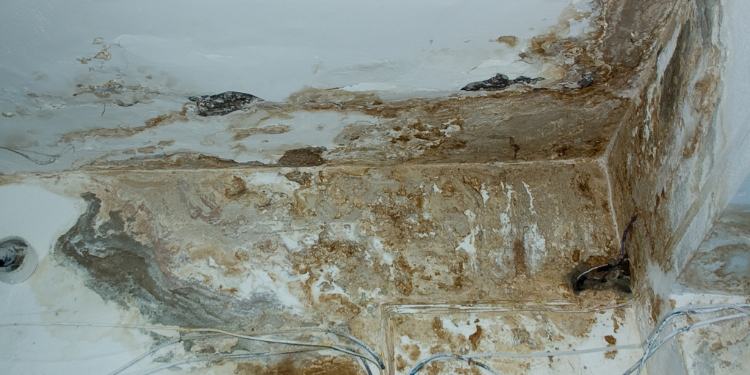
Elsewhere in the home, look closely at ceilings, baseboards, and walls for subtle clues. Discoloration, peeling paint, or bubbling texture can indicate water intrusion behind the surface. Pay attention to floors that feel soft, spongy, or unusually warm, especially in homes with slab foundations. In Richardson, where slab homes are common, a warm spot on tile or concrete flooring can be a classic sign of a hot water line leak beneath the slab.
Sound is just as important as sight. Choose a quiet time, preferably at night, and walk through your home with all fixtures turned off. Listen near walls, floors, and around appliances like water heaters. A faint hissing, dripping, or rushing noise where there should be silence is a red flag. This simple listening exercise is one of the most underestimated leak detection techniques, yet it can provide early warnings before visible damage appears.
Outdoor And Irrigation Leak Clues
Many homeowners focus only on the interior, but outdoor leaks can be just as destructive and expensive. In Richardson, where many properties have irrigation systems, leaks in sprinkler lines or valves are common. Start by walking your yard and looking for persistently wet or soggy areas, especially when it hasn’t rained recently. Patches of unusually green, fast-growing grass can also signal an underground leak that is constantly feeding water to that spot.
Inspect your sprinkler system zone by zone. Turn on each zone and watch the heads as they operate. Look for heads that never pop up, spray weakly, or gush water from around the base instead of spraying properly. These symptoms often point to broken heads, cracked risers, or damaged lateral lines. Also check for water bubbling up from the ground or pooling near valve boxes, which can indicate a leaking valve or main irrigation line.
Hose bibs and exterior spigots are another frequent trouble area. While obvious drips are easy to spot, more subtle leaks may only show as dampness on the wall or foundation below the faucet. Attach a hose and turn the water on, then feel around the connection and behind the mounting plate. If you notice moisture, corrosion, or a musty odor near the wall, water may be seeping into the structure.
Do not overlook auxiliary lines such as those feeding pool equipment, outdoor kitchens, or detached garages. Because these lines are often buried and run long distances, small leaks can go unnoticed for months. If your meter test indicates a leak but your indoor inspection comes up empty, these exterior lines become prime suspects. At that point, professional leak detection services with specialized listening devices and line-tracing equipment can save a lot of guesswork and unnecessary digging.
Simple DIY Tests Versus Professional Tools
Some leak detection techniques are well within the capabilities of most homeowners, while others are best left to specialists. DIY methods include the meter test, visual inspections, dye tests in toilets, and listening for unusual sounds. You can also use basic tools like moisture meters, which are relatively inexpensive and can help confirm whether a suspicious area in drywall or flooring is actually damp.
However, when leaks are hidden under slabs, behind thick walls, or in complex plumbing layouts, professional tools make a significant difference. Companies like Casto Leak Detection use electronic listening devices that can detect the sound of water escaping under concrete or soil, even when it is not audible to the human ear. They can also perform pressure tests on individual lines, isolating sections of the system to identify exactly where water is being lost.
Thermal imaging cameras are another advanced tool. These devices detect temperature differences in surfaces, allowing technicians to see patterns caused by hot or cold water moving through unexpected places. In a Richardson home with a suspected slab leak, for instance, a thermal camera can reveal a warm trail across the floor, pinpointing the area where a hot water line has failed beneath the concrete.
Knowing when to stop guessing and call in experts is itself an important skill. If you have high water bills, persistent moisture issues, or foundation symptoms but cannot locate the source using basic methods, continuing to search on your own can waste time while damage worsens. Professional leak detection may seem like an added expense, but in many cases it prevents far more costly structural repairs down the road, especially when slab leaks or main line issues are involved.
Preventive Habits To Catch Leaks Early
Leak detection should not only happen when something is clearly wrong. Incorporating preventive habits into your regular home care routine can catch small problems before they escalate. One effective approach is to schedule a quick monthly leak check. This can be as simple as reading your water meter, walking through the house to inspect visible plumbing, and taking a few minutes to listen for unusual sounds at night.
Pay special attention to high-risk areas: under sinks, around water heaters, near washing machines, and behind refrigerators with ice makers. Inspect flexible supply lines for bulges, rust, or fraying. These inexpensive parts are a common failure point and can be easily replaced long before they burst. In a climate like Richardson’s, check exterior plumbing and irrigation systems seasonally, especially after temperature swings or heavy rains that may shift soil.
Monitoring your water bill is another simple but powerful preventive technique. Get familiar with your typical monthly usage so you can spot anomalies quickly. A gradual, unexplained increase over several months often points to a slow leak. Sudden spikes may indicate a new, more serious problem. Treat any unexplained jump in water use as a reason to investigate, rather than assuming it is just a billing error.
Finally, consider having periodic professional inspections, particularly if your home is older or has a history of plumbing issues. A proactive assessment by a specialist like Casto Leak Detection can identify vulnerabilities, recommend upgrades, and give you a clear picture of your plumbing system’s condition. Combined with your own basic leak detection techniques, this creates a layered defense that greatly reduces the odds of being surprised by major water damage.
Frequently Asked Questions
How can I tell if a leak is under my slab? Slab leaks often show up through indirect signs rather than obvious puddles. You might notice warm spots on tile or concrete floors, a sudden increase in your water bill, or the sound of running water when all fixtures are off. Cracks in walls or flooring, or doors that suddenly stick, can indicate foundation movement caused by undermined soil. A water meter test can confirm that water is being lost, but locating the exact spot usually requires professional tools such as electronic listening devices and thermal imaging, which is where a company like Casto Leak Detection becomes essential.
Are small leaks really that serious? Even minor leaks can cause significant damage over time. A slow drip under a sink can rot cabinets, attract pests, and promote mold growth. A tiny pinhole in a pipe inside a wall can saturate insulation and framing, leading to structural issues and indoor air quality problems. From a financial perspective, small leaks also waste water and inflate your utility bills. Addressing leaks promptly, no matter how minor they seem, is one of the most effective ways to protect both your home and your wallet.
When should I call a professional instead of trying to find the leak myself? DIY techniques are a good starting point, but there are clear situations where professional help is the smarter option. If your meter test confirms a leak but you cannot find any visible signs, if you suspect a slab leak, or if you notice foundation movement, it is time to call an expert. Likewise, recurring leaks in the same area, unexplained musty odors, or water damage that keeps returning after repairs suggest a hidden source that needs specialized equipment to locate. In these cases, a focused inspection by a leak detection specialist in Richardson, TX can save time, money, and unnecessary demolition.
Can I use technology like smart devices to help with leak detection? Yes, smart leak detectors and automatic shutoff valves are increasingly popular tools for homeowners. Small battery-powered sensors can be placed under sinks, near water heaters, and by washing machines to alert you via smartphone if they detect moisture. More advanced systems monitor water flow patterns and can shut off the main supply if they detect continuous, unusual usage that suggests a major leak. These devices do not replace traditional techniques or professional inspections, but they add an extra layer of protection, especially when you are away from home.
What happens after a leak is found under the slab? Once a slab leak is confirmed and located, there are several repair options. In some cases, the floor is opened directly above the leak and the damaged section of pipe is repaired or replaced. In others, it may be more practical to reroute the affected line through walls or the attic, bypassing the slab entirely. The best approach depends on the location of the leak, the layout of your plumbing, and the condition of existing pipes. Working with an experienced company that regularly handles slab leaks in Richardson ensures the repair is both effective and minimally disruptive. For more information on this type of service, you can learn about Slab Leak Repair options and what to expect during the process.