How do you really know where a hidden water leak is coming from—without tearing through walls or digging up your yard? Accurate leak detection is not a guessing game; it’s a disciplined process that combines observation, data, and specialized tools. When you understand the essential steps professionals use, you can better protect your Richardson, TX home or business from unnecessary damage, high water bills, and long-term structural issues.
Accurate leak detection starts long before any equipment is turned on. It begins with understanding the building, the plumbing system, and the symptoms you are seeing: moisture spots, unusual sounds, mold growth, or a sudden spike in your water bill. From there, the process moves through a series of deliberate steps designed to narrow down the leak location with as little disruption as possible. Companies like Casto Leak Detection follow a proven, methodical approach to ensure that when they say, “The leak is here,” they’re not making an educated guess—they’re making a precise, evidence-based conclusion.
In a place like Richardson, TX, where homes range from older properties with galvanized pipes to newer builds with complex slab plumbing, a one-size-fits-all approach fails quickly. The essential steps for accurate leak detection must adapt to different pipe materials, layouts, soil conditions, and even seasonal changes. By walking through these steps, you’ll see why professional leak detection is about strategy as much as it is about technology.
Start With A Thorough Assessment
Every accurate leak detection job begins with listening and observing—not with cutting into walls. A detailed assessment lays the foundation for everything that follows. A technician from Casto Leak Detection will typically start by asking targeted questions: When did you first notice the problem? Do you hear water running when fixtures are off? Have there been previous repairs in this area? These answers help create a timeline and narrow down potential sources before any tools come out.
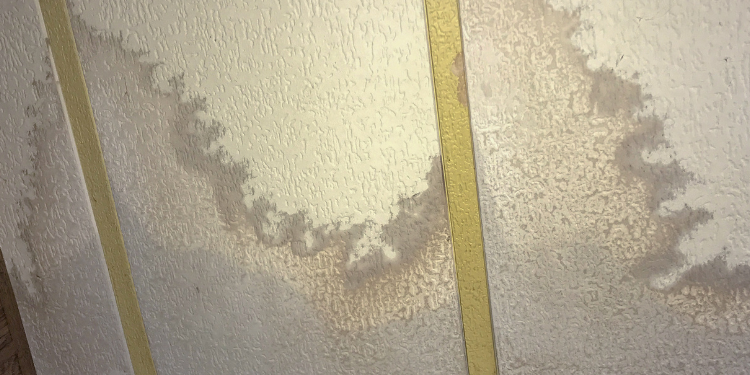
Next comes a visual inspection of the property. This step involves more than a quick glance at a wet spot. The technician looks for patterns: Is moisture traveling along baseboards? Are there hairline cracks in the slab? Is there efflorescence (white, chalky residue) on concrete that suggests water movement? In Richardson’s climate, condensation and humidity can sometimes mimic leak symptoms, so a careful eye is needed to differentiate between true leaks and environmental moisture.
A good assessment also considers the plumbing design. The technician will identify where supply lines enter the property, how they route through walls or under the slab, and where fixtures and appliances are located. On older Richardson homes, original plumbing diagrams may not exist, so professionals rely on experience and subtle clues—like pipe sounds or thermal patterns—to reconstruct the likely pipe paths. This mental map becomes the guide for every step that follows, keeping the process efficient and focused.
Verify There Is An Active Leak
Before anyone starts searching for the exact leak location, you must confirm that a real, active leak exists. This sounds obvious, but many homeowners in Richardson call for leak detection when the issue is actually a running toilet, a faulty irrigation timer, or condensation on ductwork. Accurate detection means ruling out these false alarms first, so time and money aren’t wasted.
One of the simplest verification tools is the water meter test. The technician will shut off all water-using fixtures and appliances inside and outside the property. Then they’ll observe the water meter. If the meter’s flow indicator is still moving, that’s a strong sign of an active leak somewhere in the system. In some cases, they’ll repeat the test by isolating parts of the property—such as turning off irrigation valves—to determine whether the leak is inside the building or in the yard.
Pressure testing is another key step. By applying a controlled amount of pressure to specific segments of the plumbing system and monitoring how quickly it drops, professionals can verify whether that section is holding water properly. If the pressure falls, a leak is present in that isolated zone. This kind of systematic testing helps Casto Leak Detection distinguish between a house-wide issue and a localized problem, which is crucial for planning the next steps and minimizing unnecessary exploration.
Use Non-Invasive Detection Tools
Once a leak is confirmed, the focus shifts to locating it as precisely as possible with minimal disruption. Modern leak detection relies heavily on non-invasive tools that “see” or “hear” through building materials. Acoustic listening devices, for example, amplify the sound of water escaping from pressurized pipes. By comparing sound intensity at different points along a wall or slab, a technician can triangulate the likely source of the leak.
Thermal imaging cameras are another powerful tool, especially for hot water leaks. These cameras detect temperature differences on surfaces, revealing patterns that the naked eye can’t see. A warm trail in a floor or wall might indicate a hot water line losing heat due to a leak. In Richardson homes with slab foundations, this can be especially helpful, because the leak may not show any surface moisture initially; the thermal camera reveals the hidden heat signature long before water appears on the floor.
Moisture meters, gas tracing equipment, and electronic pipe locators also play a role. Moisture meters measure the moisture content in building materials, helping distinguish between a small spill and a persistent leak. Gas tracing involves introducing a harmless gas into the plumbing system and using sensitive detectors to find where it escapes. Pipe locators help map where metal or plastic pipes actually run beneath floors or in walls. Each tool provides a different piece of the puzzle, and when combined, they significantly reduce guesswork and unnecessary demolition.
Systematically Narrow The Search Area
Accurate leak detection is often more like detective work than quick repair. After the initial scans and tests, professionals methodically narrow the search area. Instead of randomly opening walls, they use a process of elimination, guided by data gathered from their tools and observations. This step-by-step narrowing is one of the most essential components of precise detection.
For example, if the water meter test showed an active leak but pressure testing indicated that the cold water lines are intact, the technician may focus on the hot water system. Acoustic listening might reveal stronger noise near a particular section of the slab, while thermal imaging shows a localized heat anomaly in the same area. When multiple indicators align, the target area becomes much smaller, often down to a few square feet.
In Richardson, where many homes have landscaping, patios, and driveways directly over buried lines, narrowing the area before any digging or cutting is critical. Casto Leak Detection’s goal is to identify the leak location with enough confidence that the repair can be made through the smallest possible access point. This reduces cost, repair time, and disruption to your daily life. It also decreases the chance of collateral damage to other utilities or structural elements.
Confirm The Leak Before Repair
Even when the evidence points strongly to a specific spot, true accuracy requires verification before any major repair work starts. This is where experienced technicians double-check their findings. They may perform a localized pressure test on just that segment of pipe or use acoustic tools again from a different angle. The idea is to confirm, not assume, that the suspected area is indeed where the leak is occurring.
Sometimes, a small access opening is created to visually inspect the pipe or fitting. In a wall, this might mean cutting a modest inspection hole between studs; in a slab, it could involve a carefully measured core cut. Once exposed, the technician can confirm the leak with direct observation—seeing dripping, spraying, or corrosion at the pinpointed location. This confirmation step is vital to avoid unnecessary additional demolition if the initial assumption were slightly off.
In many Richardson properties, multiple issues can exist at once: a slab leak under the kitchen, a minor pinhole in a wall line, and a leaky irrigation valve outside. Without careful confirmation, it’s easy to repair one problem while another remains undetected. Casto Leak Detection emphasizes this verification step to ensure that when the repair is completed, the leak is truly resolved and not just temporarily improved.
Document Findings And Plan Repairs
The final essential step in accurate leak detection is documentation and planning. After locating and confirming the leak, professionals should clearly explain what they found, where it is, and what repair options exist. This is where the technical work translates into practical decisions for the property owner. Clear documentation might include diagrams, photos, notes from pressure tests, and thermal images that show the leak area.
A good leak detection report will outline different repair strategies: spot repair of the damaged section, rerouting the line, or, in some cases, replacing a longer stretch of pipe if the system shows widespread deterioration. In Richardson, where soil movement and aging infrastructure can affect plumbing, a short-term fix might not always be the smartest long-term decision. Casto Leak Detection can walk homeowners through the pros and cons of each approach, considering cost, disruption, and future reliability.
This planning step also helps coordinate with plumbers, restoration companies, or insurance providers. Having well-documented evidence of the leak’s location and cause can streamline insurance claims and ensure that any follow-up work is targeted and efficient. Proper documentation completes the leak detection process, turning raw findings into a clear roadmap for restoring your property safely and effectively.
Frequently Asked Questions
How do I know if I need professional leak detection instead of just calling a plumber? If you see obvious water spraying from an exposed pipe, a standard plumbing repair may be enough. However, if you have unexplained high water bills, damp floors, warm spots on the slab, moldy odors, or hear water running when everything is off, you likely need specialized leak detection. Companies like Casto Leak Detection in Richardson, TX use advanced tools and systematic methods that most general plumbers do not, allowing them to find hidden leaks without unnecessary demolition.
Can I perform accurate leak detection on my own? You can take some initial steps yourself, such as checking your water meter, turning off fixtures one by one, and looking for visible signs of moisture. These actions can help you decide if a leak might be present. However, accurately pinpointing the exact location—especially under slabs, behind walls, or in buried lines—typically requires professional-grade equipment and experience. DIY attempts often lead to guesswork and unnecessary damage, which can end up costing more than calling a specialist from the start.
Why is non-invasive leak detection so important? Non-invasive methods protect your home or business from needless destruction. Using tools like acoustic listening devices, thermal imaging, and moisture meters, technicians can zero in on leaks without tearing open large sections of walls or floors. In Richardson, where many homes have finished flooring, decorative patios, and complex landscaping, preserving these surfaces is a big priority. Non-invasive detection keeps repair areas small, controlled, and less expensive to restore.
How long does professional leak detection usually take? The time required depends on the building size, plumbing complexity, and how obvious the symptoms are. A straightforward residential job in Richardson might take a couple of hours, while a large commercial property or a building with multiple suspected leaks can take most of a day. The process includes assessment, testing, scanning, narrowing the area, and confirming the leak. Rushing these steps can lead to inaccurate results, so reputable companies like Casto Leak Detection take the time needed to be thorough.
What should I do if I suspect a leak in my Richardson, TX home? Start by checking for visible signs of moisture, listening for running water, and reviewing your water bill for unusual increases. Turn off all fixtures and see if your water meter still moves; if it does, you probably have an active leak. At that point, contact a specialist such as Casto Leak Detection for professional assessment. They can guide you through the next steps, provide accurate detection, and coordinate with repair services. For more information on professional services, you can visit Leak Detection to better understand how experts handle these issues.