Dripping faucets, mysterious wet spots on the floor, or the shock of an unexpectedly high water bill all have the same root problem: water is escaping where it shouldn’t. Most homeowners in Richardson, TX only think about leaks after the damage is obvious, but by that point drywall, flooring, and even the home’s foundation may already be compromised. Plumbers see the aftermath of hidden leaks every day, and their insights reveal a simple truth: many of these problems could have been prevented with a more proactive approach.
Plumber insights on preventing water leaks are less about fancy tools and more about understanding how water behaves in a real home. Professionals like the team at Casto Leak Detection spend their days tracking down elusive drips inside walls, under slabs, and in yards. Over time, they recognize patterns: the same weak plumbing materials, the same high water pressure, the same neglected maintenance that turns a small issue into a major repair. When you tap into that experience, you gain a roadmap for keeping your plumbing system tight, controlled, and far less likely to surprise you with a disaster.
Instead of waiting for stains, smells, and structural damage to tell you there is a problem, you can borrow the mindset of a leak detection specialist. That means learning where leaks typically start, how to recognize the earliest warning signs, and what adjustments or upgrades make your home’s plumbing more resilient. In Richardson’s shifting soils and hot summers, this knowledge is not just helpful; it can be the difference between a quick fix and an extensive, expensive restoration.
Why Leaks Start In The First Place
From a plumber’s point of view, leaks rarely happen “out of nowhere.” There is almost always a cause that has been developing quietly for months or years. One of the most common triggers is age and wear. Pipes made from older materials, such as galvanized steel, corrode over time from the inside out. As minerals build up and metal breaks down, tiny pinholes form. At first, they only seep, but as water pressure pushes against the weak spots, those pinholes become active leaks that can soak insulation or subfloors long before anyone notices.
Water pressure is another critical factor that plumbers in Richardson, TX pay close attention to. Municipal water systems can sometimes deliver pressure higher than what residential plumbing is designed to handle. When the pressure is consistently above about 80 psi, every joint, valve, and connection in your home is under stress. Plumbers see the evidence in premature failures: supply lines that split, fittings that loosen, and water heater valves that begin to leak. Controlling pressure with a properly installed and maintained pressure-reducing valve is one of the least understood, yet most powerful, forms of leak prevention.
Soil movement is a special concern in areas like Richardson where clay-heavy ground expands when wet and contracts when dry. This constant motion can put strain on water and sewer lines, especially those running under the slab foundation. Plumbers who specialize in leak detection, such as Casto Leak Detection, frequently find slab leaks where a pipe has been slowly bent or rubbed against rough concrete until it finally cracks. These leaks are rarely visible on the surface at first, but they can undermine the foundation and create long-term structural problems if not addressed quickly.
Everyday Habits That Prevent Leaks
Preventing water leaks is not just about what happens inside walls and underground; it is also about the small decisions homeowners make every day. Plumbers often notice that homes with fewer leaks belong to people who pay attention to changes. They notice when a faucet starts to drip, when a toilet runs longer than it used to, or when the water pressure in a shower suddenly changes. Acting on those early signals with a quick call to a professional can stop a manageable issue from turning into a hidden leak that festers for months.
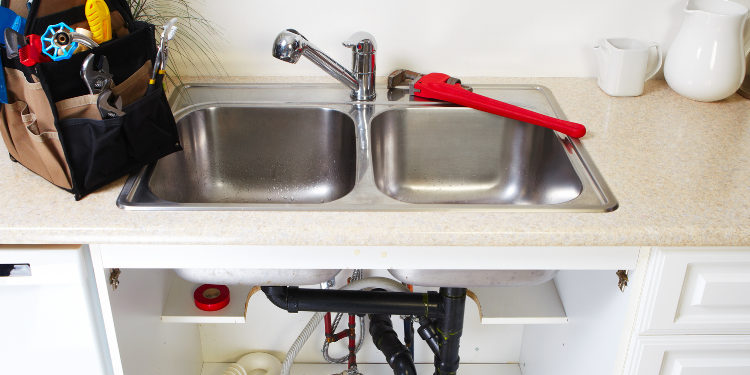
Another habit that makes a huge difference is routine visual inspection. You do not need specialized equipment to look under sinks, behind toilets, and around water heaters once a month. Plumbers recommend checking for moisture, corrosion, and staining in these areas because they are common leak points. Catching a slow drip in a cabinet or a rust line on a water heater tank gives you the chance to repair or replace components before the water escapes into surrounding walls or flooring.
Smart water use also plays a role. Plumbers often find that overloading washing machines and dishwashers, or running them with worn-out hoses, leads to sudden failures. Replacing old rubber supply hoses with braided stainless steel, and giving appliances some space so hoses are not kinked or crushed, are simple steps that dramatically reduce burst-hose scenarios. When these straightforward practices become habits, the likelihood of major leaks drops significantly, even in older homes.
Plumber-Recommended Upgrades And Materials
Experienced plumbers quickly learn which materials hold up and which ones are frequent troublemakers. In Richardson homes, older flexible supply lines, thin plastic fittings, and outdated pipe materials are common culprits in leak calls. Professionals often recommend upgrading to more durable options during renovations or whenever a repair is needed. For example, replacing old, brittle plastic shutoff valves with high-quality brass valves can improve reliability and make it easier to shut water off quickly if an issue arises.
Many plumbers favor modern piping materials such as PEX or updated copper systems installed with proper supports and expansion allowances. These materials can better tolerate temperature changes and minor ground movement compared to some older systems. When Casto Leak Detection identifies a recurring leak area, they may recommend repiping a section with more resilient materials rather than patching the same weak system repeatedly. While this may feel like a bigger investment in the moment, it often prevents multiple future leaks and the associated repair costs.
Plumbers also pay attention to connection points. Cheap, off-brand fittings, connectors, and fixtures are more likely to fail prematurely. Using quality parts from reputable manufacturers is a behind-the-scenes strategy that homeowners rarely see, but it is one of the reasons some plumbing systems seem to “just work” for years. When you invite a professional into your Richardson, TX home, asking about the types of materials they recommend and why can help you make decisions that prioritize long-term leak prevention over short-term savings.
Hidden Leaks: How Pros Track Them Down
Some of the most destructive leaks are the ones you do not see. Water can travel along pipes, beams, or insulation, showing up far from the actual source. This is where plumber insights really shine. Leak detection specialists like Casto Leak Detection use a combination of experience, diagnostic tools, and a detective’s mindset to locate hidden leaks without tearing apart half the house. They start with the symptoms: damp flooring, warm spots, musty odors, or unexplained spikes in water usage, then narrow down the possible sources step by step.
Professionals may use acoustic listening equipment to detect the sound of water escaping under a slab or behind a wall. Thermal imaging cameras can reveal temperature differences caused by hot or cold water leaking in concealed spaces. Pressure tests help determine whether the leak is on the supply side or within a particular branch of the plumbing system. While these tools are powerful, plumbers will tell you that interpreting the results correctly is just as important as owning the equipment. Their daily exposure to real-world leak scenarios gives them a sense of where to look first and how to confirm their suspicions.
The lessons from this work directly inform leak prevention. When plumbers notice that slab leaks often occur at certain bends in the piping or near transitions between materials, they can recommend targeted reinforcement or rerouting. When they see repeated failures in specific fixture brands or installation methods, they steer homeowners toward better options. This feedback loop between detection and prevention is why involving a specialist early, especially for issues under the foundation where a Slab Leak Repair might be needed, can protect both your plumbing and your home’s structure.
Richardson-Specific Challenges And Solutions
Every region presents its own plumbing challenges, and Richardson, TX is no exception. The combination of hot summers, occasional freezing temperatures, and expansive clay soil can be tough on water lines. Plumbers working here see patterns that might not appear in other parts of the country. For instance, outdoor hose bibs and exposed pipes can be vulnerable during sudden cold snaps. If they are not properly insulated or protected, small cracks from freezing can later become steady leaks once temperatures rise again.
Homes built on slab foundations are common in this area, and that brings its own leak risks. Water lines running under the slab can be affected by soil shifting, minor foundation movement, or even construction shortcuts from decades ago. Plumbers in Richardson often advise homeowners to pay close attention to signs that may indicate a slab leak: areas of the floor that feel unusually warm, the sound of water running when all fixtures are off, or unexplained dampness along baseboards. Addressing these early with a leak detection specialist can prevent more serious foundation issues.
Local water quality can also influence leak risk. Minerals in the water may contribute to scale buildup inside pipes and fixtures, gradually narrowing passages and increasing pressure on vulnerable spots. Plumbers sometimes recommend water conditioning or filtration systems not just for taste, but to help extend the life of plumbing components. By understanding these Richardson-specific factors and working with a company familiar with the area, such as Casto Leak Detection, homeowners can choose prevention strategies that are tailored to local realities rather than generic advice.
Building A Long-Term Leak Prevention Plan
From a plumber’s perspective, the most leak-resistant homes are not the ones with the newest fixtures, but the ones with a plan. That plan combines regular observation by the homeowner with periodic professional checkups. Scheduling routine plumbing inspections allows a trained eye to spot vulnerable areas, outdated components, and early signs of trouble. During these visits, plumbers can test water pressure, examine exposed piping, evaluate shutoff valves, and review any changes in water usage or household needs that might affect the system.
Part of that plan should include clear steps for emergencies. Plumbers recommend that every adult in the home know where the main water shutoff valve is and how to operate it. In many leak situations, the difference between a small cleanup and a major insurance claim is how quickly the water is stopped. Labeling shutoff valves, ensuring they are accessible and functional, and practicing how to use them are simple tasks that dramatically reduce potential damage when something does go wrong.
Finally, a long-term prevention mindset means viewing plumbing work as an investment rather than a nuisance expense. Opting for proper repairs instead of quick patches, choosing quality materials, and acting on professional recommendations may feel like more effort in the moment. However, plumbers see the cost of neglect every day: warped flooring, mold remediation, structural repairs, and families displaced during restoration. By aligning your decisions with the insights of leak detection experts, you set your Richardson home up for years of quieter pipes and far fewer surprises.
Frequently Asked Questions
How can I tell if I have a hidden water leak? Some of the most reliable clues are changes rather than obvious puddles. Watch for unexplained increases in your water bill, the sound of water running when all fixtures are off, musty odors, or areas of flooring that feel warmer, softer, or discolored. In Richardson, TX, slab leaks may show up as warm spots on tile or concrete floors or dampness along baseboards. If you notice any of these signs, a professional leak detection company like Casto Leak Detection can perform targeted testing to confirm whether a hidden leak is present and pinpoint its location.
How often should I have my plumbing inspected to prevent leaks? For most homes, a professional plumbing inspection every one to two years is a good baseline, with more frequent checks for older properties or those with a history of leaks. In between inspections, you can perform quick monthly visual checks under sinks, around toilets, and near your water heater. If you notice corrosion, moisture, or changes in water pressure, it is wise to schedule an inspection sooner. Regular inspections allow plumbers to catch small issues early, recommend upgrades, and verify that your water pressure and shutoff valves are in good condition.
Does high water pressure really cause leaks? Yes, consistently high water pressure is one of the most common underlying causes of leaks that plumbers see. When pressure is too high, every joint, seal, and fixture in your home experiences extra stress, which shortens their lifespan and increases the chance of failures. Over time, this can lead to pinhole leaks in pipes, burst supply lines, and dripping valves. A plumber can measure your home’s water pressure and, if needed, install or adjust a pressure-reducing valve to keep it within a safe range, significantly lowering your risk of leaks.
What can I do to reduce the risk of a slab leak in my home? While you cannot control soil movement under your home, you can minimize stress on your plumbing system. Maintaining proper water pressure, addressing any minor leaks or corrosion promptly, and using durable materials for repairs all help. Paying attention to early slab leak warning signs, such as warm floor spots or sudden changes in water usage, is also crucial. When concerns arise, contacting a leak detection specialist in Richardson, TX ensures that any necessary repairs are done correctly, which reduces the likelihood of repeat problems in the same area.
Are DIY leak detection gadgets enough, or should I call a professional? Home leak detection devices, such as smart water monitors or shutoff systems, can be useful tools in a prevention strategy, but they are not a complete substitute for professional insight. These gadgets may alert you to unusual water usage or obvious leaks, but they cannot interpret complex patterns or diagnose underlying causes the way an experienced plumber can. For subtle, hidden, or recurring issues—especially under slabs or inside walls—professional leak detection from a company like Casto Leak Detection provides the accuracy and context needed to fix problems at the source and keep them from returning.