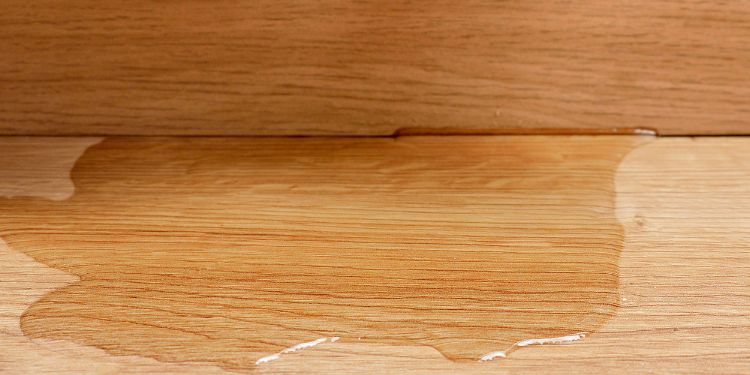
Most homeowners assume that slab leaks explode into obvious disasters: water bubbling through the floor, geysers in the yard, or giant cracks racing across the tile. In reality, the majority of slab leaks start quietly. The signs are subtle, easy to dismiss as “old house issues” or “just a higher water bill this month.” By the time water finally shows itself, the damage to your foundation, flooring, and plumbing system can already be significant. That’s why expert slab leak repair today is less about reacting to chaos and more about catching tiny warning signals before they turn into structural emergencies.
Another big misconception is that fixing a slab leak always means jackhammers, torn-up floors, and weeks of noisy construction. Modern leak detection and repair methods have changed that story. With the right equipment and experienced technicians, many slab leaks in homes around Richardson, TX can be pinpointed within inches and repaired with far less disruption than most people fear. Companies like Casto Leak Detection specialize in combining precise diagnostic tools with repair strategies tailored to the house, the pipe material, and the homeowner’s budget and schedule.
Expert slab leak repair today is really about three things: accurate detection, smart decision-making, and long-term protection. Finding the leak is only step one; choosing the right way to fix it and prevent future failures is just as critical. For homeowners in Richardson, that means working with a team that understands local soil conditions, aging plumbing systems, and how North Texas weather and shifting clay soils stress pipes running beneath your slab. When those pieces come together, slab leaks go from terrifying unknowns to manageable, solvable problems.
What A Slab Leak Really Is
A slab leak is a water leak that occurs in the plumbing lines buried beneath your home’s concrete foundation. These lines can be part of your hot or cold water supply, and in older homes, they are often made of copper or galvanized steel. Because the pipes are hidden under a thick layer of concrete and soil, you do not see the pipes themselves; you only see the effects the leak has on your home and yard. Water can travel along the path of least resistance, spreading sideways, soaking soil, and slowly undermining the stability of the slab sitting above it.
In Richardson, TX, the clay-heavy soil is constantly expanding and contracting with moisture changes and seasonal temperature swings. That movement puts added stress on the plumbing under the slab. Over time, tiny pinholes or cracks can form in the pipes. Sometimes the issue is corrosion from within the pipe, sometimes it’s outside forces from the ground, and often it’s a combination of both. The leak may start as a slow seep and gradually grow as water pressure continues to push through the weakened spot.
One of the reasons expert detection matters so much is that the actual location of the leak is often not where the symptoms appear. You might feel a warm spot in the hallway, but the compromised section of pipe is under the living room. You may see a damp area along a baseboard, even though the leak is several feet away. Trained specialists like the team at Casto Leak Detection use sensitive listening devices, thermal imaging, and pressure tests to map out what’s happening beneath the concrete rather than guessing based on surface clues alone.
Warning Signs Homeowners Overlook
Most slab leaks do not announce themselves with dramatic flooding. Instead, they whisper. One of the earliest clues is a water bill that creeps higher without a change in your household’s usage. Maybe you chalk it up to summer lawn watering or guests visiting, but if that bill keeps climbing, it can signal a hidden leak. Another subtle sign is the sound of water running when every faucet and appliance is off. This can be especially noticeable at night when the house is quiet and background noise is low.
Temperature-related clues are also common. A hot water slab leak can create persistent warm spots on tile or hardwood floors. In winter, that might feel like a pleasant surprise under bare feet, but it is actually heated water escaping beneath the slab. Over time, that warm, moist environment can invite mold growth or cause flooring materials to warp or separate. You may notice areas of the floor that feel slightly spongy, hollow, or uneven compared to surrounding sections.
Outside, slab leaks sometimes show up as unusual wet patches in the yard, especially close to the home’s perimeter. You might see grass that is greener and lusher in one strip, or soil that stays muddy long after rain has passed. In more advanced cases, you could see small cracks in the foundation, gaps forming around doors or windows, or doors that suddenly start sticking. These are all hints that water is affecting the soil and the stability of the slab. When homeowners in Richardson call Casto Leak Detection early, often it is because they trusted one of these subtle signs instead of waiting for a dramatic failure.
How Experts Pinpoint A Slab Leak
Finding a slab leak without tearing into concrete blindly is a specialized skill. Professional technicians begin with basic diagnostics: checking your water meter, performing shut-off tests, and isolating whether the leak is on the hot or cold line. Once they confirm a slab leak is likely, they move to more advanced tools. Electronic listening devices can pick up the sound of water escaping under the slab, even when it is too faint for human ears. By moving these sensors around the home, they can narrow down the leak’s location to a small zone.
Thermal imaging cameras are especially useful for hot water leaks. These infrared tools show temperature variations across the floor surface, allowing technicians to see where heat is radiating from the slab. A bright streak or patch on the camera often corresponds to a leaking hot water line. For cold water leaks, acoustic methods and pressure testing are more common. Pressure tests help determine which specific line is compromised and how significant the leak is.
In Richardson homes, where floor plans, pipe layouts, and foundation designs vary widely, experience matters as much as equipment. Casto Leak Detection’s specialists combine what their instruments reveal with an understanding of how builders typically routed pipes in different eras and neighborhoods. This blended approach reduces the amount of exploratory concrete removal needed. The goal is always to expose only the area that truly needs repair, saving the homeowner from unnecessary damage and cost.
Choosing The Right Repair Strategy
Once the leak is located, the next step is deciding how to fix it. There is no one-size-fits-all solution, and this is where expert guidance really pays off. The most traditional approach is direct access repair: cutting through the slab at the precise leak location, exposing the damaged pipe, and replacing or repairing that section. This method can be highly effective when the leak is isolated, the pipe is otherwise in good condition, and access is relatively straightforward. It typically involves concrete removal, plumbing repair, and then patching the slab and flooring.
However, if the plumbing lines under your slab are old, corroded, or have a history of multiple leaks, simply fixing one spot may be a temporary bandage. In those cases, rerouting the line can be a smarter long-term choice. Rerouting involves abandoning the problematic section under the slab and running a new line through walls, ceilings, or attic spaces where it is easier to access in the future. While rerouting may sound more invasive, it often avoids cutting into the slab and can significantly reduce the risk of future slab leaks on that line.
There are also trenchless and epoxy-based repair techniques in certain scenarios, though these are not suitable for every home or pipe material. An honest expert will explain the pros and cons of each option, including cost, disruption level, long-term reliability, and how each method fits with your specific plumbing system. Casto Leak Detection works with Richardson homeowners to evaluate not only the immediate leak but the overall health of the system, helping you choose a solution that makes sense for your home’s age, value, and your future plans.
Minimizing Damage And Disruption
Homeowners often delay calling for slab leak help because they imagine their home turning into a construction zone. While any foundation-related repair is serious, modern methods focus heavily on minimizing disruption. Careful planning can concentrate work in one or two targeted areas, keeping the rest of your home functional. Protective coverings, dust control measures, and clear work zones reduce the impact on your daily life. In many cases, families in Richardson can remain in their homes during slab leak repairs, especially when rerouting is chosen over extensive slab cutting.
Communication is another crucial part of minimizing disruption. A professional team will walk you through the steps before any concrete is cut or walls are opened. They will explain where access points will be, how long each phase should take, and what kind of noise or temporary shutoffs to expect. This allows you to plan around the work, move furniture if necessary, and protect valuables. With clear expectations, what could feel like chaos becomes a structured, manageable project.
After the pipe repair, restoring the affected areas is just as important. That includes properly patching the slab, addressing any moisture trapped in flooring or walls, and coordinating with flooring contractors if tile, wood, or carpet needs replacement. Addressing moisture quickly helps prevent mold and ensures your foundation remains stable. A company that specializes in leak detection and repair, like Casto Leak Detection, understands that the job is not finished until the leak is stopped, the structure is protected, and your home is on track to look and function as it did before.
Preventing Future Slab Leaks
Once you have experienced a slab leak, you naturally want to avoid a repeat. Prevention starts with understanding the condition of your plumbing system. If your home in Richardson was built decades ago and still has original copper or galvanized lines under the slab, it may be time to discuss proactive upgrades. Replacing or rerouting aging lines before they fail can be far less stressful and costly than dealing with repeated emergency repairs. This is especially true in areas where soil movement is known to be aggressive.
Regular plumbing inspections are another smart preventative step. Having professionals periodically check your water pressure, inspect visible piping, and test for hidden leaks can catch small issues early. Excessively high water pressure, for example, puts extra stress on your pipes and can contribute to slab leak formation. Installing a pressure regulator and keeping pressure within safe limits reduces wear on both above-slab and under-slab lines.
It is also wise to pay close attention to your home’s behavior over time. Track your water bills, note any recurring warm spots or damp areas, and listen for unexplained water sounds. Educate everyone in the household about these warning signs so they can report them quickly. If you are already working with a trusted plumbing and leak detection partner, you can call them for advice at the first sign of trouble. Preventative awareness, combined with professional support, gives homeowners in Richardson a strong defense against future slab leaks.
Frequently Asked Questions
How do I know for sure I have a slab leak? Definitive confirmation usually requires professional testing, but there are strong indicators you should not ignore. These include unexplained increases in your water bill, warm spots on hard floors, the sound of water running when all fixtures are off, damp or musty odors near baseboards, and persistent wet areas around the foundation. A specialist like Casto Leak Detection will perform meter tests, isolate lines, and use acoustic or thermal tools to confirm whether the leak is under your slab and identify its exact location.
Will slab leak repair damage my floors and foundation? Any direct-access repair under the slab involves cutting a controlled opening in the concrete, which means some impact on flooring in that area. However, expert technicians work to minimize the size and number of openings by accurately locating the leak first. In many cases, only a small section of flooring and slab needs to be removed. When rerouting is chosen instead, the slab may not be disturbed at all, with access gained through walls or ceilings. After the plumbing work, the slab is properly patched and flooring can be restored, leaving your foundation structurally sound.
How long does slab leak repair usually take? The timeline depends on several factors: the complexity of your plumbing layout, the number of leaks, and the repair method chosen. Simple, single-leak direct repairs can sometimes be completed in a day or two, including access and pipe replacement. Rerouting projects may take a few days, especially if multiple lines are involved or if extensive drywall or ceiling access is required. Your technician should provide a realistic schedule after assessing your specific situation so you can plan around the work.
Are slab leaks covered by homeowners insurance? Coverage varies widely by policy and provider. In many cases, insurance may help with the access and restoration portions of the job (such as tearing out and replacing concrete or flooring) but not the actual plumbing repair itself. Some policies offer endorsements that provide more comprehensive coverage for slab leaks and foundation-related water damage. It is important to review your policy or speak with your insurance agent as soon as a slab leak is confirmed. Companies like Casto Leak Detection can often provide documentation and details your insurer may request.
Can upgrading other plumbing systems help prevent slab leaks? Yes, keeping your overall plumbing system in good condition can reduce stress on under-slab lines. Managing water pressure, replacing aging fixtures and shutoff valves, and ensuring your water heater is operating correctly all contribute to a healthier system. For example, if you are already planning plumbing upgrades, such as a Water Heater Installation, it can be an ideal time to discuss the state of your under-slab piping and whether proactive rerouting or replacement makes sense. Coordinating improvements can save time, reduce disruption, and strengthen your home’s long-term protection against leaks.