Plumber Insights on Preventing Slab Leaks
Most property owners in Richardson don’t think much about the pipes buried under their concrete slab—until something goes wrong. Yet a single slab leak can waste thousands of gallons of water, damage flooring and drywall, and quietly weaken your foundation. In some North Texas homes, hidden leaks under the slab have led to repair bills in the tens of thousands, all from a pipe no thicker than your thumb.
Our clay soils, big temperature swings, and aging plumbing combine to create a perfect storm for slab issues in the Dallas–Fort Worth area. The good news: many slab leaks are preventable with the right habits, inspections, and upgrades.
In this guide, you’ll learn how to spot early warning signs, what actually causes slab leaks, and which proactive steps protect your home or rental properties. You’ll also see real examples from around Richardson and nearby cities, so you can compare your situation and make informed decisions before a small issue becomes a major foundation slab leak repair project.
Key Insight: Preventing slab leaks isn’t about guessing; it’s about understanding how your plumbing, soil, and foundation interact—and using targeted, professional strategies to keep that system stable and leak‑free.
Why North Texas Homes Are Especially Vulnerable to Slab Leaks
Richardson and the surrounding DFW area sit on expansive clay soil. When this soil gets wet, it swells; when it dries, it shrinks. That constant movement puts stress on the concrete slab—and on any water or sewer lines running through or under it.
Over time, that movement can:
- Shift pipes slightly out of alignment
- Rub copper or galvanized lines against rough concrete
- Create small fractures at fittings and joints
One recent example: a homeowner near the Telecom Corridor noticed a warm spot in the living room floor. Their water bill had crept up only $20–$30 per month, nothing dramatic. But thermal imaging and acoustic testing revealed a hot‑water slab leak that had been slowly eroding soil under the slab for months. By the time they called a slab leak detection and repair specialist, the flooring and part of the subfloor had to be replaced.
“In North Texas, the soil is as much a part of your plumbing system as the pipes themselves.” — Senior Technician, Casto Leak Detection
Other local risk factors include:
- Older copper or galvanized piping in homes built before the 1990s
- High water pressure from municipal lines
- Seasonal droughts followed by heavy rains
CALLOUT: If your home is more than 20–25 years old and sits on a slab foundation, you’re automatically in a higher‑risk category for slab leaks—especially if you’ve had foundation or plumbing issues before.
Understanding these local conditions is the first step. Next, you need to know what’s actually happening inside those pipes.
The Real Causes of Slab Leaks (And What You Can Control)
Slab leaks rarely happen “out of the blue.” There’s almost always an underlying cause—or a combination of them. Some you can’t change (like soil movement), but many you can manage with smart choices and regular plumbing services.
Common technical causes
- Corrosion from water chemistry
Slightly acidic or mineral-heavy water can slowly eat away at copper pipes from the inside.
- Abrasions against concrete
Pipes that weren’t properly sleeved or cushioned during construction can rub against the slab as it shifts.
- Excessive water pressure
Pressures above 80 psi accelerate wear on fittings and joints throughout your system.
- Poor installation practices
Tight bends, unsupported runs, and improper backfilling all increase stress on buried lines.
A real-world case: A Richardson duplex built in the late 1980s had repeated leaks in the same general area of the slab. After a thorough assessment, the issue turned out to be high water pressure—over 100 psi—combined with thin-wall copper lines. Once a pressure‑reducing valve was installed and damaged lines were rerouted overhead, the recurring leaks stopped.
What you can actually control
- Installing pressure‑reducing valves where needed
- Replacing vulnerable pipe materials during renovations
- Supporting proper drainage around your foundation
- Using a water leak detection specialist for early diagnostics
You can’t stop the soil from moving, but you can make sure your plumbing is strong, flexible, and monitored well enough to handle it.
Early Warning Signs: Catching Slab Leaks Before They Escalate
Slab leaks are most destructive when they go unnoticed. The earlier you catch them, the more options you have—and the less invasive and expensive repairs tend to be.
Here are signs homeowners and property managers in Richardson should watch for:
- Unexplained increases in your water bill
- The sound of running water when fixtures are off
- Warm or damp spots on flooring
- Cracks in walls or flooring that appear or widen suddenly
- Doors that start sticking or not latching properly
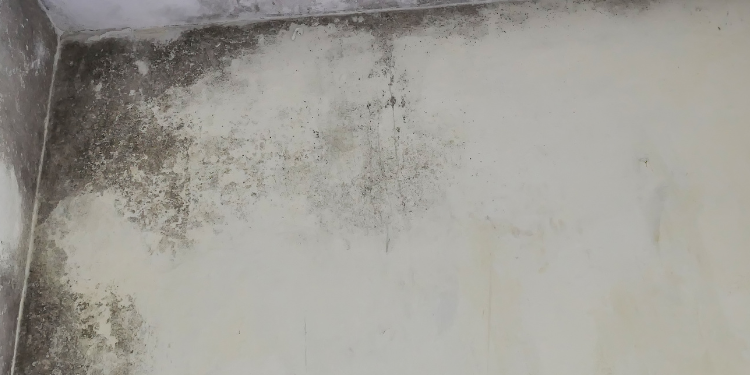
- Mildew or musty odors near baseboards
One landlord near UTD called for plumbing leak detection and repair after tenants complained of a musty smell in a bedroom. There were no visible puddles. Using non‑invasive acoustic equipment, technicians pinpointed a small leak in a hot‑water line below the slab. Because it was caught early, the repair only required opening a small section of flooring instead of tunneling under the home.
“By the time water surfaces, the damage under the slab is often already extensive.” — Master Plumber, Casto Leak Detection
Simple DIY checks you can do
- Meter test:
Turn off all water fixtures and appliances. Check your water meter. If it continues to move, you may have a hidden leak.
- Thermal “feel test”:
Walk barefoot across your floors, especially over areas with hot‑water lines (kitchens, bathrooms, hallways). Unusual warm spots can signal a hot‑water slab leak.
- Foundation walk‑around:
Look for new cracks, separations between brick and window frames, or soil pulling away from the foundation.
CALLOUT: If you notice more than one warning sign—say, a higher bill plus a warm floor spot—treat it as urgent. Contact a concrete slab leak specialist for non invasive leak detection services before calling a foundation company. It’s often a plumbing issue at the root.
Modern Leak Detection vs. Old-School Guesswork
Technology has changed how professionals find and fix slab leaks. That’s important for homeowners, because better accuracy usually means less demolition and faster repairs.
Traditional vs. Modern Slab Leak Detection
| Approach | Traditional Methods | Modern Methods Used in Richardson |
|---|---|---|
| Primary tools | Sledgehammers, manual probing | Acoustic listening, thermal imaging, gas tracing |
| Accuracy | General area only | Pinpoint or within a few inches |
| Impact on home | Multiple holes in slab or walls | 1–2 small access points in many cases |
| Time to locate | Several hours to a full day | Often under 2–3 hours |
| Risk of misdiagnosis | Higher | Much lower |
| Typical customer experience | Noisy, messy, disruptive | Targeted, planned, minimally disruptive |
A homeowner off Arapaho Road once hired a contractor who relied on “educated guesses” to find a leak. After three holes in the slab and no success, they called an underground leak detection company. Using advanced acoustic equipment and tracer gas, the technician located the exact spot in under an hour—about three feet from the last hole.
Modern leak detection services focus on:
- Listening for subtle sound signatures in pressurized lines
- Using infrared cameras to visualize hot‑water line leaks
- Isolating sections of your system to narrow down the source
- Employing tracer gases for especially tricky cases
These methods help preserve more of your slab and flooring—and give you clear information before making repair decisions.
Smart Repair Strategies That Also Prevent Future Slab Leaks
Once a slab leak is confirmed, you usually have more than one repair option. The right choice can not only fix the immediate problem but also reduce the chance of repeat issues.
Common repair approaches
- Direct spot repair
Open the slab at the leak location and fix or replace that section of pipe. This can be effective for newer systems with no history of leaks.
- Rerouting lines overhead
Abandon the compromised line under the slab and run new piping through walls, attics, or ceilings. This is a popular long‑term solution in older Richardson homes where multiple leaks have occurred.
- Repiping sections or the entire home
Replace aging copper or galvanized lines with modern materials (like PEX) that are more flexible and resistant to corrosion.
One family near Canyon Creek experienced two slab leaks in three years, both on hot‑water lines. For the third issue, instead of another spot repair, they chose to reroute all hot‑water lines through the attic. While the upfront cost was higher than a single repair, it eliminated the risk of future hot‑water leaks under the slab.
“The cheapest repair today isn’t always the least expensive solution over the next ten years.” — Casto Leak Detection Project Manager
How repair decisions affect prevention
- Rerouting gets vulnerable lines out of the slab entirely
- Upgraded materials handle movement and pressure changes better
- Thoughtful design can improve hot‑water delivery and efficiency
During repairs, it’s also a good time to address related systems:
- Evaluate your water heater lines and consider water heater installation services if the unit is aging
- Inspect drains; if they’re sluggish, drain cleaning and jetting can restore flow and reduce backup risks
- Check gas line routing with water sewer gas diagnostics during major plumbing work
CALLOUT: If you’ve had more than one slab leak, ask specifically about rerouting or partial repiping. It often costs less over time than repeating invasive spot repairs.
Everyday Habits That Dramatically Reduce Slab Leak Risk
Not every prevention strategy involves construction. Many of the most effective steps are simple habits and routine maintenance tasks that Richardson homeowners can build into their yearly schedule.
Manage water pressure
High pressure is a quiet killer of plumbing systems.
- Install a pressure‑reducing valve if your pressure exceeds 80 psi
- Test annually; pressure can change when municipal systems are upgraded
- Protects not just slab lines but also fixtures, appliances, and hoses
Maintain stable moisture around your foundation
In our climate, you want to avoid extreme wet‑dry cycles.
- Use soaker hoses or drip irrigation around the perimeter during dry spells
- Avoid overwatering; you want consistent, moderate moisture
- Ensure gutters and downspouts direct water away from the slab
A homeowner near Richardson Heights who had minor foundation shifting noticed more interior cracks every summer. After adjusting irrigation to maintain more stable soil moisture and addressing a hidden leak with slab leak repair services, new cracking significantly slowed.
Stay proactive with plumbing systems
- Schedule periodic inspections with a residential plumbing company
- Fix “small” leaks like drips and running toilets quickly—they’re often symptoms of system stress
- Use fixture repair and installation services when upgrading faucets and valves to ensure proper connections
These habits don’t just prevent slab leaks—they extend the life of your entire plumbing system and protect your foundation investment.
How Water Heaters and Drains Tie Into Slab Leak Prevention
It’s easy to think of slab leaks as separate from water heaters and drains, but they’re all part of the same ecosystem. Stress in one area can create problems in another.
Water heaters: a key piece of the puzzle
Hot‑water lines are more prone to slab leaks because heat accelerates expansion, contraction, and corrosion. That means your water heater setup matters.
- Aging tanks can send rust and sediment into lines, abrading pipes
- Incorrect temperature settings can stress hot‑water piping
- Poorly installed systems may lack proper expansion control
A homeowner off Campbell Road had repeated issues with hot‑water slab leaks. A closer look revealed an oversized, aging gas water heater running at a very high temperature. After a professional gas water heater installation with proper expansion management and updated piping, the system stabilized.
If your water heater is more than 10–12 years old, consider:
- tankless water heater installation to reduce stored hot water under pressure
- residential water heater replacement with modern, efficient models
- Calling for water heater repair services at the first sign of leaks or inconsistent hot water
Drains and sewer lines: avoiding hidden erosion
Leaking or broken drains under the slab can wash away soil and destabilize the foundation, even if you don’t see water inside.
- Slow drains may signal partial blockages or pipe damage
- Recurring backups can indicate root intrusion or collapsed lines
- Foul odors around the home’s perimeter can point to sewer leaks
Using drain repair and installation services, along with periodic drain cleaning and jetting, keeps wastewater where it belongs and protects the soil supporting your slab.
“Healthy supply lines, drains, and water heaters work together. Neglect one, and the others feel the strain.” — Casto Leak Detection Field Supervisor
What This Means for Businesses in Richardson, TX
If you own or manage rental properties, office suites, or light commercial buildings in Richardson, slab leak prevention has an added dimension: business continuity and tenant satisfaction.
Water damage in a small retail space on Belt Line, for example, can mean days of closure while flooring is replaced and plumbing is repaired. For a multifamily property near UTD, a slab leak can affect multiple units, leading to temporary relocations and potential loss of rent.
Local factors make proactive planning even more critical:
- Richardson’s mix of older and newer construction means some buildings still rely on original under‑slab piping.
- Busy commercial corridors see frequent tenant build‑outs, which can stress existing plumbing if not done correctly.
- Our hot summers and occasional deep freezes add thermal stress to water and sewer lines.
For local businesses, a relationship with a trusted professional plumbing contractor is more than a convenience—it’s risk management. Regular inspections, pressure checks, and targeted plumbing leak detection and repair can:
- Reduce emergency calls and after‑hours disruptions
- Protect inventory, equipment, and finishes from water damage
- Provide documentation for insurance and future buyers
- Help plan capital improvements like repiping or professional hot water heater installation
For both homeowners and businesses in Richardson, the takeaway is the same: treat the plumbing under your slab as a critical asset, not an afterthought. Proactive care now is far less costly than emergency slab leak repair later.
Frequently Asked Questions
Q: How can I tell if a high water bill is from a slab leak or just higher usage?
A: Start by ruling out obvious causes: seasonal lawn watering, guests, or new appliances. Then perform a simple meter test—turn off all fixtures and appliances, including your ice maker and irrigation, and watch the meter. If it continues to move, you may have a hidden leak. At that point, calling a water leak detection specialist is wise. They can isolate whether the leak is in the slab, walls, or yard lines. In Richardson, where soil movement is common, it’s better to investigate early than wait for visible damage.
Q: Is it always necessary to break my slab to repair a slab leak?
A: No. While direct access through the slab is one option, it’s not the only one. Depending on your home’s layout and plumbing design, a concrete slab leak specialist may recommend rerouting the line through walls, ceilings, or the attic instead. This approach avoids cutting into the slab and can be especially attractive if you’ve had more than one leak. Modern slab leak repair services focus on minimizing disruption and providing long‑term solutions, not just patching a single spot.
Q: How fast do I need to act if I suspect a slab leak?
A: Treat it as time‑sensitive, especially if you notice warm floors, damp spots, or the sound of running water. The longer water flows under the slab, the more soil it can wash away, potentially affecting your foundation. Early emergency slab leak repair can often be handled with smaller access points and less damage to flooring. In Richardson’s clay soils, undermining can happen faster than in other regions, so calling a local licensed plumber within a day or two of noticing signs is a smart move.
Q: Will my homeowner’s insurance cover slab leak repairs?
A: Policies vary, but many cover at least part of the cost related to access and restoring damaged finishes, especially if the leak caused sudden and accidental damage. Coverage for the actual plumbing repair can differ. Having detailed documentation from a plumbing leak detection and repair report helps when working with your adjuster. In Richardson, insurers are familiar with slab issues due to soil conditions, but they still expect prompt action once a problem is suspected.
Q: Are tankless water heaters better for preventing slab leaks?
A: Tankless units don’t automatically prevent slab leaks, but they can reduce some risk factors. Because they don’t store large volumes of hot water under constant pressure, they can lessen thermal stress on hot‑water lines. During tankless water heater installation, a skilled plumber can also reroute vulnerable hot‑water lines out of the slab. If your existing tank is old or undersized, upgrading with professional water heater installation services is a good opportunity to improve the overall design of your hot‑water system.
Q: How often should I have my plumbing inspected to prevent slab leaks?
A: For most Richardson homeowners, a plumbing inspection every 2–3 years is a good baseline, with more frequent checks for older homes or properties with a history of leaks. During an inspection, a local licensed plumber can test water pressure, inspect visible piping, evaluate your water heater, and look for early signs of foundation or drainage issues. For landlords or commercial properties, annual inspections offer better protection and can be coordinated with other building maintenance.
Q: Can slow drains or sewer issues contribute to slab problems?
A: Yes. Leaking or broken sewer lines under the slab can erode supporting soil and create voids, similar to water line leaks. If you have recurring backups, gurgling drains, or odors, especially on the ground floor, it’s important to have a professional assess the system. Services like drain repair and installation and drain cleaning and jetting can restore proper flow and prevent wastewater from undermining your foundation.
Ready to Get Started?
Slab leaks don’t wait for a convenient time. In Richardson, they tend to show up right when the soil is under the most stress—during summer heat waves or after heavy rains. If you’ve noticed warning signs, or your home is in that 20+ year age range with no recent plumbing evaluation, now is the right moment to act.
A focused assessment from a team that specializes in plumbing leak detection and repair gives you clarity: Is there a problem? Where is it? What are your best repair and prevention options? From there, you can decide whether simple adjustments, targeted repairs, or a more comprehensive solution makes sense.
Casto Leak Detection has helped homeowners and businesses across Richardson, Plano, Garland, and the greater DFW area protect their properties from hidden leaks and unexpected water damage. Whether you need diagnostics, foundation slab leak repair, or guidance on upgrades like same day water heater repair service, the first step is a conversation.
Schedule an inspection, ask your questions, and get a clear plan to keep the pipes under your slab working quietly in your favor.
About Casto Leak Detection
Casto Leak Detection is a Richardson, TX–based plumbing specialist focused on precise leak location and long‑lasting repair solutions. With years of experience in North Texas soil and building conditions, our licensed team combines advanced technology with practical field expertise to protect local homes and businesses. From slab leak detection and repair to general plumbing repairs, water heaters, and diagnostics, we provide honest assessments and high‑quality work backed by a strong local reputation.