Signs It’s Time for Water Heater Installation
North Texas water heaters work hard. Between Richardson’s hot summers, sudden cold snaps, and high mineral content in the water, your system is under stress year-round. Many homeowners don’t think about their water heater until they’re standing in a cold shower on a Monday morning—or worse, dealing with a leak that’s damaging their floors or slab.
According to the U.S. Department of Energy, most traditional tank water heaters last 8–12 years. Yet many units in older Richardson and Dallas-area homes are pushing 15–20 years or more. That’s a recipe for surprise failures, higher utility bills, and sometimes serious water damage.
This guide will walk you through the clearest signs it’s time to plan for new water heater installation, how to tell if repair is still a smart option, and what homeowners in Richardson should consider when choosing between traditional and tankless systems. You’ll also see real-world examples from homes just like yours and learn when it’s wise to call a local licensed plumber before a small issue becomes an emergency.
Key Insight: Paying attention to early warning signs from your water heater—and acting before it fails—can save you thousands in damage, reduce energy costs, and keep your home comfortable and safe.
1. Age, Rust, and Reliability: What Your Water Heater Is Telling You
The first and most overlooked sign that it’s time to consider residential water heater replacement is simply the age of your unit. If your tank is over 10 years old, it’s no longer working as efficiently or as safely as it once did, even if it still “seems fine.”
You can usually find the manufacture date on the rating plate on the side of your tank. If you’re not sure how to read it, a professional plumbing contractor can decode it in seconds and give you an honest assessment of its condition.
Red flags related to age and rust
Watch for these warning signs:
- The water heater is 10+ years old (especially gas units in garages or attics)
- You see rust on the tank, fittings, or around the temperature and pressure relief valve
- Hot water looks rusty or discolored, especially after it’s been sitting overnight
- You hear popping or rumbling noises when the burner or heating element runs
Those popping sounds are usually hardened mineral deposits from our North Texas hard water. Over time, sediment builds up at the bottom of the tank, making your heater work harder and increasing the risk of overheating or tank failure.
“Once a tank starts rusting from the inside, there’s no repair that will reverse it. At that point, you’re buying time—not reliability.” — Master Plumber, Casto Leak Detection
Local example: A 20-year-old heater in Richardson
We recently inspected a 20-year-old gas water heater in a Richardson home near Campbell Road. The homeowner called for water heater repair services because the hot water ran out quickly. The tank showed rust at the bottom seam and heavy sediment buildup. While we could have tried a temporary fix, the risk of the tank failing and flooding their hallway was high.
We recommended professional hot water heater installation of a new, efficient model instead. Their new system now heats water faster, uses less gas, and is far safer than the aging original.
CALLOUT: If your tank is 10–15 years old and showing any signs of rust or discoloration, replacement is usually more cost-effective and safer than repeated repairs.
2. Inconsistent Hot Water, Lukewarm Showers, and Rising Energy Bills
Your water heater doesn’t have to completely quit to be costing you money. Subtle performance changes are often early indicators that it’s time to plan for a new installation.
Signs your heater is struggling
You may notice:
- Showers turning lukewarm faster than they used to
- Hot water that fluctuates in temperature during use
- Long wait times for hot water to reach fixtures
- A noticeable increase in gas or electric bills without changing your usage
These issues often point to worn heating elements, a failing gas control valve, or a tank choked with sediment. In some cases, targeted water heater repair services can help, especially with newer units. But when the system is older and efficiency is dropping, replacement tends to be the smarter long-term choice.
Real-world Richardson scenario
A family in a Richardson townhouse called us for same day water heater repair service because three consecutive showers in the morning weren’t possible anymore—by the second shower, the water was lukewarm.
We flushed the tank and tested all components. The tank was 13 years old, and sediment had reduced its effective capacity. While we improved performance temporarily, we also walked them through the numbers: a modern, efficient tank model would lower their utility bill and reliably support their busy household.
They chose a residential water heater replacement a few months later, before the unit failed. Now, they have consistent hot water and lower monthly bills.
“If your water heater can’t keep up with normal daily routines, that’s often the system telling you it’s near the end of its useful life.”
3. Leaks, Puddles, and Slab Concerns: When Water Damage Is the Bigger Risk
A slow drip around your water heater might not seem like a big deal at first, but in a slab-on-grade home—common throughout Richardson—that moisture can migrate into your foundation, walls, or flooring. That’s where water heater problems can turn into structural issues.
Visible leaks vs. hidden leaks
Obvious warning signs include:
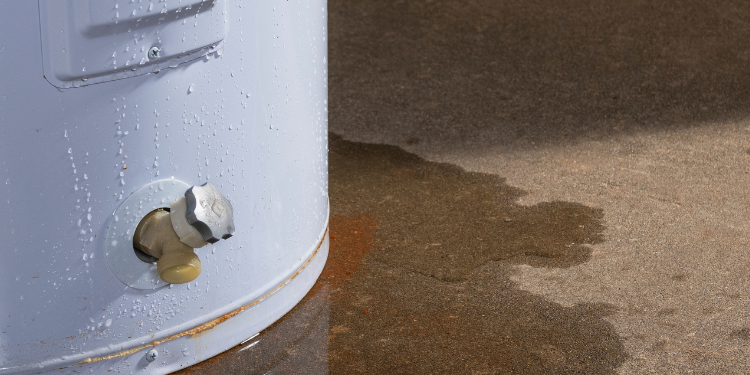
- Puddles or dampness under or around the water heater
- Corrosion on connections and shutoff valves
- The sound of water hissing or trickling from the tank
If you see any of these, shut off the water supply to the heater and call a local licensed plumber immediately. Often, the safest and most practical fix is a new water heater installation rather than patchwork repairs.
More concerning are the leaks you don’t see. A water heater located over or near a concrete slab can contribute to moisture under flooring or even a slab leak if associated piping is compromised.
A company experienced in slab leak detection and repair can determine whether the moisture is limited to the heater or part of a bigger problem. Modern, non invasive leak detection services can pinpoint the issue without tearing up your floors.
Local example: Slab leak versus water heater leak
We were called to a Richardson home where the homeowner noticed warm spots on the floor near the hallway and a musty smell. They assumed it was their aging water heater. Our plumbing leak detection and repair process showed the heater was leaking slowly at the base, but we also found a separate hot water line leak under the slab.
We replaced the failing heater and performed targeted slab leak repair services, saving the homeowner from extensive flooring damage and higher water bills.
CALLOUT: Any sign of a leak near your water heater—especially on or near a slab—deserves immediate attention. Ignoring it risks damage that can far exceed the cost of a new unit.
4. Safety Concerns: Gas Odors, Carbon Monoxide, and Code Compliance
Safety should always be a top priority with gas and electric water heaters. Older units, improper installations, and DIY fixes can create serious hazards.
Gas and combustion issues
If you smell gas near your water heater, hear a hissing sound, or see visible damage to the gas line, leave the area and contact your gas company and a qualified gas water heater repair technician immediately.
Other safety-related signs include:
- Sooting or burn marks around the burner compartment or vent
- A pilot light that constantly goes out
- Backdrafting (exhaust gases spilling back into the room instead of venting outside)
In these cases, an experienced professional plumbing contractor will inspect combustion, venting, and gas connections. Sometimes a targeted gas water heater repair is possible, but if the unit is older or not up to current codes, they may recommend a full replacement.
“Modern water heater installations must meet strict safety and venting standards. A new, properly installed unit is often safer and more efficient than trying to nurse along a failing system.”
Code and permitting in Richardson
The City of Richardson and surrounding municipalities follow current plumbing and mechanical codes for water heater installations. That means:
- Proper expansion tanks where required
- Correct vent sizing and clearances
- Safe gas line sizing and shutoff valves
- Proper drain pan and discharge piping
We’ve seen older installations in Richardson garages and closets that would not pass today’s codes. When we upgrade those systems, we bring everything up to standard—protecting your home and ensuring you’re covered with insurance and inspections.
5. Tank vs. Tankless: Which Installation Makes Sense in Richardson?
Once you’ve decided it’s time for new water heater installation services, the next big decision is whether to replace your existing tank with another tank model or upgrade to a tankless system.
Both have advantages, and the right choice depends on your household’s size, budget, and long-term plans.
Basic comparison
Here’s a simplified look at how traditional tanks compare to tankless units for a typical Richardson home:
| Feature | Traditional Tank Heater | Tankless Water Heater |
|---|---|---|
| Upfront Cost | Lower | Higher |
| Operating Cost | Moderate (more standby loss) | Lower (heats water on demand) |
| Lifespan | ~8–12 years | ~15–20 years |
| Hot Water Supply | Limited to tank size | Continuous (within unit’s capacity) |
| Space Requirements | Larger footprint | Compact, wall-mounted |
| Ideal For | Smaller budgets, typical use | Larger families, long-term savings, space savings |
| Common in Richardson Homes | Very common | Growing quickly, especially in remodels |
Local example: Tankless upgrade in a Richardson remodel
A homeowner near UTD in Richardson was remodeling and wanted endless hot water for multiple showers and a soaking tub. Their existing 40-gallon tank couldn’t keep up.
We evaluated their gas line sizing and recommended a tankless water heater installation with proper venting. With a new dedicated gas line and upgraded vent, they now enjoy continuous hot water and lower utility bills. Their tankless unit also freed up floor space in the garage.
For many households, a modern high-efficiency tank is still the most cost-effective choice. But if you plan to stay in your home long-term, or you have high hot water demand, tankless water heater installation can be a smart investment.
CALLOUT: Don’t choose a tankless system based on online advice alone. Have a local expert size the unit to your home’s fixtures, gas supply, and actual usage.
6. Repair vs. Replacement: Making a Smart Financial Decision
Sometimes, a water heater is clearly done—leaking tank, severe rust, or major safety issues. Other times, the choice between repair and replacement is less obvious.
A trusted residential plumbing company will walk you through both options, not just push you toward the most expensive solution.
When repair makes sense
Repair is often reasonable if:
- The unit is under 8 years old
- The issue is limited (failed thermostat, heating element, or igniter)
- The tank itself is not leaking or heavily rusted
- The cost of repair is significantly less than replacement
In these cases, targeted emergency water heater repair or scheduled service can add years to your system’s life.
When replacement is the better investment
Replacement usually makes more sense when:
- The heater is 10–15+ years old
- There are multiple issues (rust, sediment, unreliable heating)
- The tank is leaking or has visible corrosion
- Repair costs are approaching 40–50% of a new unit
We often see this with older systems in Richardson where homeowners have already paid for several repairs. At some point, you’re better off putting that money toward a new, efficient system.
Here’s a quick comparison of typical scenarios we see:
| Situation | Recommended Action |
|---|---|
| 5-year-old heater, failed thermostat | Repair |
| 12-year-old heater, rusty water, noisy tank | Plan replacement |
| 15-year-old heater, leaking at base | Immediate replacement |
| 9-year-old heater, minor valve leak | Repair + full inspection |
| 14-year-old heater, repeated pilot issues | Replace (especially before winter) |
“A good plumber should explain both short-term and long-term costs so you can decide what’s best for your budget and peace of mind.”
If a leak or failure has already caused damage to nearby lines or drains, we may also recommend drain repair installation or drain cleaning and jetting at the same time, so your new heater isn’t connected to compromised piping.
What This Means for Businesses in Richardson
While this guide focuses on homes, small businesses in Richardson—offices, salons, restaurants, and medical practices—face many of the same water heater challenges, often with higher stakes.
A failed water heater in a salon on Campbell Road doesn’t just mean cold water; it can mean lost appointments and unhappy clients. A leaking heater in a medical office near Methodist Richardson can disrupt operations and put sensitive equipment at risk.
For local businesses, the key takeaways are:
- Plan proactively. If your commercial water heater is nearing the end of its typical lifespan, schedule an assessment before it fails.
- Watch for early performance issues. Inconsistent hot water is more than an inconvenience; it can affect customer experience and even health code compliance.
- Protect your foundation and building. Many commercial structures in Richardson sit on slabs. A leaking water heater or associated piping can contribute to slab movement and costly repairs. A company experienced in leak detection services and water sewer gas diagnostics can catch problems early.
- Factor in efficiency. Upgrading to a more efficient tank or tankless system can significantly reduce operating costs over time, especially for businesses with steady hot water demand.
Working with a professional plumbing contractor that understands both residential and light commercial systems means you get sizing, installation, and maintenance tailored to your actual usage—not just a “standard” solution.
Frequently Asked Questions
Q: How long should a water heater last in a Richardson home?
A: Most traditional tank water heaters last 8–12 years, while tankless units can often reach 15–20 years with proper maintenance. In the Richardson area, hard water and frequent temperature swings can shorten that lifespan if the system isn’t flushed or serviced regularly. If your unit is over 10 years old, it’s wise to have a local licensed plumber evaluate its condition, efficiency, and safety. They can help you decide whether continued water heater repair services make sense or if it’s time to budget for replacement.
Q: My water heater is working, but it’s noisy. Do I need a new one?
A: Popping, rumbling, or banging sounds usually mean sediment has built up inside the tank. In many cases, a professional flush can quiet the noise and improve efficiency, especially if the unit is under 8–10 years old. However, if the heater is older, noisy, and your hot water doesn’t last as long as it used to, that combination often signals it’s nearing the end of its life. A water heater repair services visit can determine whether a cleaning will help or whether residential water heater replacement will be more cost-effective over the next few years.
Q: How do I know if I should choose tankless instead of another tank heater?
A: The choice between tank and tankless depends on your household size, hot water habits, budget, and long-term plans. Tankless systems offer endless hot water and lower operating costs, but they have higher upfront installation costs and may require gas line or venting upgrades. A specialist in tankless water heater installation can evaluate your Richardson home’s gas supply, existing plumbing, and fixtures to recommend the right size and type of unit. If you have a growing family, multiple bathrooms, or plan to stay in your home long-term, tankless is often worth serious consideration.
Q: Can a leaking water heater cause a slab leak or foundation damage?
A: A leaking tank itself doesn’t directly cause a slab leak, but it can mask or contribute to moisture problems around your foundation. In slab-on-grade homes common in Richardson, hot water lines running under the slab can develop leaks, and a nearby water heater leak can make it harder to identify the true source. If you notice warm spots on the floor, higher water bills, or dampness near your heater, call a concrete slab leak specialist with experience in slab leak detection and repair. They can differentiate between a failing heater and an actual slab leak and provide emergency slab leak repair if needed.
Q: Is it safe to keep repairing a very old water heater?
A: Once a water heater reaches 12–15 years old, repeated repairs often become a bandage rather than a solution. Each fix may address a symptom, but the risk of tank failure, leaks, or safety issues like gas or exhaust problems increases over time. In many older Richardson homes, we see units that have been repaired multiple times when a new gas water heater installation or electric replacement would have been more economical and safer. A trusted residential plumbing company should be transparent about when continued repairs no longer make financial or safety sense.
Q: How quickly can a plumber replace my water heater if it fails suddenly?
A: Many plumbing companies in the Richardson area, including Casto Leak Detection, offer emergency plumbing services and same day water heater repair service or replacement in most cases. Timing depends on the type and size of your unit and any code or venting upgrades required. For straightforward replacements of similar units, installation can often be completed in a single visit. More complex upgrades—such as switching to tankless or relocating the heater—may take longer but can usually be scheduled quickly, especially when hot water is out completely.
Q: Will a new water heater help with water quality or just temperature?
A: A new water heater primarily improves temperature consistency and efficiency, but it can also improve the appearance and smell of your hot water if the old tank was rusting or filled with sediment. If you’re dealing with discolored or foul-smelling water from both hot and cold taps, that may indicate a broader plumbing issue. In that case, a team experienced in water sewer gas diagnostics, general plumbing repairs, and leak detection services can inspect your entire system, not just the heater, to identify the root cause.
Ready to Get Started?
If your water heater is aging, unreliable, or showing any of the warning signs we’ve covered, this is the perfect time to act—before you’re stuck without hot water or facing water damage. Richardson’s weather can swing quickly, and cold showers in a surprise cold snap are nobody’s idea of fun.
Planning your water heater installation services now gives you time to choose the right system, understand your options (tank vs. tankless), and schedule work at a convenient time. It also helps avoid rushed decisions during an emergency, when you’re more focused on getting hot water back than on long-term value.
Casto Leak Detection has deep experience with plumbing services throughout Richardson and the surrounding area—from water heater repair services and tankless water heater repair to plumbing leak detection and repair and fixture repair installation. Our team can inspect your current system, explain your options in plain language, and provide a clear, upfront estimate.
If you’re noticing inconsistent hot water, leaks, or rising energy bills, schedule an inspection today and get ahead of problems before they become emergencies.
About Casto Leak Detection
Casto Leak Detection is a locally trusted plumbing and leak detection company based in Richardson, TX. Our licensed technicians specialize in non invasive leak detection services, foundation slab leak repair, and expert water heater repair installation for both traditional and tankless systems. With years of hands-on experience in North Texas homes and businesses, we understand the unique challenges of our soil, climate, and building styles—and we bring that insight to every job we do.