Why Hire a Plumber for Leak Detection?
On a quiet Sunday morning in Richardson, a homeowner notices a warm spot on the living room floor and a slightly higher water bill. Nothing dramatic. No gushing pipes. No soaked carpets. By Tuesday, that “small concern” has turned into buckling hardwood and the first signs of foundation movement from a hidden slab leak.
Stories like this are more common than you might think. The Environmental Protection Agency estimates that household leaks waste nearly 1 trillion gallons of water nationwide each year. In Texas, where many homes are built on concrete slabs and clay soil that expands and contracts, a hidden leak isn’t just a nuisance—it can become a foundation problem and a major expense.
This is where a licensed plumbing professional makes a real difference. You’re not just paying someone to confirm you have a leak. You’re investing in accurate diagnosis, non-destructive testing, and a repair plan that protects your home and foundation.
You’ll learn why professional leak detection matters, how experienced plumbers actually find and fix leaks, what it looks like in real Richardson homes, and how to choose the right partner when time and accuracy really count.
Key Insight: Hiring a licensed plumber for leak detection isn’t about “finding water”—it’s about preventing structural damage, avoiding unnecessary demolition, and getting a repair that’s safe, code-compliant, and built to last.
Why DIY Leak Hunts Cost More Than Professional Leak Detection
Walking around the house listening for hissing pipes or guessing where a damp spot is coming from feels like a money-saver at first. But with water, what you see is rarely where the problem starts.
A professional who specializes in leak detection services uses tools and training that go far beyond what’s available at the hardware store:
- Acoustic listening equipment that hears leaks through concrete and walls
- Thermal imaging cameras to spot temperature changes from hot water leaks
- Pressure testing to isolate sections of your plumbing system
- Tracer gas or other specialized methods for underground lines
“Most of the real damage from leaks happens between the time you first suspect a problem and the day it’s accurately located.” — Senior Plumbing Technician, DFW
A real Richardson example
A family near the University of Texas at Dallas noticed a wet spot in their hallway. A handyman suggested cutting into the drywall because “it’s probably a pinhole in the wall pipe.” They opened multiple sections of wall over two days and still didn’t find the source.
When a licensed plumber arrived with professional water leak detection specialist equipment, the actual leak was traced to an under-slab hot water line 12 feet away from the visible damp area. The wall repairs were completely unnecessary.
CALLOUT: Accurate leak location almost always costs less than “exploratory demolition” and guesswork repairs.
Why professionals save you money
- Less demolition: Non invasive plumbing leak detection and repair means fewer holes in floors, walls, and ceilings.
- Faster diagnosis: Advanced tools find the leak faster, so you spend less on labor.
- Right repair, first time: Fixing the wrong section of pipe means paying twice—and living with the mess twice.
Instead of chasing symptoms around your home, a licensed plumber gives you a clear answer: where the leak is, what’s causing it, and the most cost-effective way to fix it.
Slab Leaks and Your Foundation: Why You Need a Specialist
If your Richardson home sits on a concrete slab—and most here do—your water lines likely run under that slab. A leak in one of those lines is called a slab leak, and it can quietly undermine your foundation before you see any obvious signs.
Common signs include:
- Warm or damp spots on the floor
- Unexplained spikes in your water bill
- The sound of running water when fixtures are off
- Cracks in walls or flooring that seem to appear “out of nowhere”
A true concrete slab leak specialist approaches these issues very differently from a general handyman.
“You only want to break into a slab once—and in the right place.” — Foundation Slab Leak Repair Specialist, North Texas
Why slab leaks demand expert handling
Slab leaks interact with our clay soil and foundations in complicated ways. If the leak undermines the soil, parts of the slab can settle. If a repair is done poorly, or the wrong line is capped or rerouted, you may worsen the structural stress.
A professional foundation slab leak repair company will:
- Perform precise under-slab leak location before any concrete is broken
- Evaluate whether spot repair, reroute, or repiping is the best long-term solution
- Coordinate with foundation professionals if movement is suspected
- Ensure all work meets local codes and pressure-test the system afterward
Traditional vs. Modern Slab Leak Approach
| Approach | Traditional Handyman Method | Professional Slab Leak Detection and Repair |
|---|---|---|
| Leak Location | Guessing based on surface moisture | Acoustic, thermal, and pressure testing |
| Concrete Removal | Large exploratory openings | Targeted, minimal access points |
| Long-Term Solution | Patch the obvious pipe break | System evaluation and best-practice repair |
| Impact on Foundation | Often ignored or not assessed | Considered part of the repair strategy |
| Risk of Repeat Leaks | High | Significantly reduced |
A local case study
In a neighborhood off Campbell Road, a homeowner called after noticing unusually warm tiles. A slab leak detection and repair technician confirmed a hot water slab leak under the kitchen.
Instead of cutting a large section of slab in the middle of the kitchen, the plumber used acoustic equipment to pinpoint the exact location and rerouted the line through the attic. The result: less mess, shorter downtime, and no additional stress on the foundation.
When you’re dealing with concrete, soil, and structural integrity, hiring a plumber with real slab leak experience isn’t optional—it’s protection for one of your biggest investments.
Hidden Leaks in Water Heaters and Fixtures: Why “Small Drips” Aren’t Small
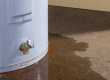
Not every leak is dramatic. Many start as slow drips from water heaters, fixtures, or toilets—and they can still cause serious damage over time.
A licensed plumber who handles water heater repair services, fixtures, and toilets daily knows where these leaks hide and how to fix them before they turn into bigger issues.
Water heaters: more than a puddle on the floor
A minor leak at your water heater might come from:
- A failing temperature and pressure relief valve
- Corrosion at the tank seams
- Loose or deteriorated connections on hot and cold lines
- Internal tank failure (which often means replacement is safer)
A Richardson homeowner in Canyon Creek noticed occasional moisture under their water heater but assumed it was condensation. A routine inspection by a gas water heater repair technician revealed early tank corrosion. Because it was caught early, they were able to plan a residential water heater replacement on their schedule—before the tank failed and flooded the utility room.
Fixtures and toilets: quiet water wasters
A running toilet or a slow drip at a faucet can waste hundreds or even thousands of gallons a year. A plumber experienced in fixture repair and installation and toilet repair and installation doesn’t just swap parts—they identify why components failed and whether water pressure, age, or installation issues are contributing.
“By the time you hear a toilet running at night, it may have already cost you months of higher water bills.” — Licensed Plumber, Richardson
Professional leak detection in these areas means:
- Testing water pressure to prevent premature fixture failure
- Inspecting supply lines and shutoff valves for hidden seepage
- Ensuring toilets are properly sealed to prevent subfloor damage
Those “small drips” add up—in water costs, structural damage, and mold risk. A licensed plumber spots them early and addresses root causes, not just symptoms.
Modern Leak Detection Technology vs. Old-School Guesswork
Many homeowners still imagine leak detection as “tapping on walls and listening with a stethoscope.” Modern techniques are far more advanced—and far more accurate.
Professionals who specialize in water sewer and gas diagnostics use a combination of tools and methods. No single tool is magic; the real value is in knowing which combination to use for each situation.
Common tools in professional leak detection
- Acoustic listening devices: Detect the unique sound signature of leaks in pressurized lines
- Thermal imaging cameras: Reveal temperature anomalies from hot or cold water movement
- Video inspection equipment: Navigate through drains and sewer lines to find breaks and blockages
- Pressure and isolation testing: Narrow down which segment of pipe is compromised
Technology comparison
| Method | DIY / Old-School Guessing | Professional Leak Detection Technology |
|---|---|---|
| Accuracy | Low | High |
| Damage to Property | Often high (unnecessary holes) | Minimal (non-invasive testing first) |
| Time to Diagnosis | Long, with trial and error | Shorter, targeted |
| Ability to Find Underground | Very limited | Specialized underground leak detection company tools |
| Overall Cost Impact | Appears cheap, often costs more later | Higher upfront, lower total project cost |
How this plays out locally
In older Richardson neighborhoods, some homes still have original galvanized or cast-iron lines. A homeowner in an older home near Downtown Richardson reported recurring dampness in the yard. A basic visual inspection found nothing.
By using camera inspection and acoustic tools, a plumber traced the issue to a cracked underground line between the house and the street. Because the exact location and depth were known, the crew could dig a small, precise trench to repair the line rather than tearing up the entire yard.
CALLOUT: Technology doesn’t replace expertise; it amplifies it. The best results come from licensed plumbers who combine modern tools with years of field experience.
Why a Licensed Plumber Matters for Safety, Code, and Long-Term Protection
Water leaks can feel like just a “maintenance issue,” but they intersect with building codes, safety standards, and even insurance requirements—especially when gas lines, sewer lines, or water heaters are involved.
Working with a professional plumbing contractor means you’re getting more than a quick fix:
- Proper permits when needed
- Repairs that meet or exceed local plumbing codes
- Documentation that can support insurance claims
- Protection from safety risks like gas leaks or cross-contamination
“The cheapest repair is the one you only have to do once—and that your insurance company accepts if there’s ever a claim.” — Master Plumber, Texas
Safety and code issues tied to leaks
- Gas lines: A leak in or near a gas line is an emergency. Only a licensed plumber should perform water sewer and gas diagnostics on these systems.
- Sewer lines: A broken sewer line can release harmful bacteria and gases. Proper materials and slope are critical.
- Water heaters: Whether you have a traditional or tankless water heater installation, proper venting, gas sizing, and T&P discharge are all code issues.
Example: a “simple” water heater swap
A homeowner in Richardson bought a big-box-store water heater and had a friend install it. A slow leak developed at an improperly sealed connection, causing damage to the surrounding wall. When they filed a claim, the insurance adjuster flagged the unpermitted installation and non-compliant venting. The homeowner ended up paying for both the damage and a proper professional hot water heater installation out of pocket.
A licensed local licensed plumber understands Texas codes, Richardson permitting, and manufacturer requirements. That means safer systems, better performance, and fewer surprises when it matters most.
From First Drip to Full Repair: What Working With a Professional Looks Like
Knowing what to expect reduces stress when you suspect a leak. A good residential plumbing company follows a structured process so nothing gets missed and you’re never left guessing.
Step 1: Initial assessment
The plumber will:
- Listen to your observations (no detail is too small)
- Inspect visible plumbing, fixtures, and areas of concern
- Review recent changes (new appliances, remodels, weather events)
Step 2: Targeted diagnostics
Depending on what’s suspected, they may:
- Perform pressure testing on specific lines
- Use acoustic or thermal tools to narrow the leak location
- Run a camera through drains if a sewer or drain issue is likely
This is where specialized non invasive leak detection services really shine.
Step 3: Clear explanation and options
You should receive:
- A straightforward explanation of what’s leaking and why
- Photos or video from cameras when available
- Options for repair (for example, spot repair vs. reroute)
- Transparent pricing and timelines
Step 4: Professional repair
Depending on the issue, this might include:
- Drain repair and installation for damaged lines
- Drain cleaning and jetting if blockages contributed to the problem
- Emergency slab leak repair for active under-slab leaks
- Same day water heater repair service if your heater is involved
Step 5: Testing and cleanup
After repairs, a professional will:
- Re-pressurize and test the system
- Verify there are no additional leaks
- Clean the work area and, when applicable, restore concrete or surfaces as agreed
This process is designed to take you from “something’s wrong” to “everything’s working and documented” with as little disruption to your life as possible.
What This Means for Businesses in Richardson, TX
While most of these examples involve homes, the stakes can be even higher for local businesses in Richardson.
A leak in a restaurant kitchen near East Main Street can shut down operations for a day—or longer—if health inspectors find standing water or unsanitary conditions. A slow leak in an office building near the Telecom Corridor can damage servers, records, and tenant spaces, leading to lost revenue and strained relationships.
For commercial properties, hiring a plumber with strong leak detection services and emergency plumbing services experience isn’t just about fixing pipes. It’s about:
- Minimizing downtime and protecting revenue
- Avoiding health code violations and liability claims
- Preserving property value and tenant satisfaction
Richardson’s mix of older buildings and new construction means plumbing systems vary widely. Some have aging galvanized lines and cast-iron drains; others feature modern PEX and high-efficiency fixtures. A plumbing partner who understands this local mix can quickly adapt their diagnostic approach—whether the issue is a slab leak in a one-story office or a drain line failure in a multi-tenant building.
For both homeowners and business owners, the message is the same: when you suspect a leak, the quality of your first call matters. A licensed, experienced plumber in Richardson can mean the difference between a simple repair and a long, expensive ordeal.
Frequently Asked Questions
Q: How do I know if I need professional leak detection or just a simple repair?
A: If you see an obvious drip at a faucet or showerhead, a straightforward repair may be all you need. But if you notice higher water bills, damp flooring, warm spots on concrete, running toilets you can’t adjust with the handle, or the sound of water when everything is off, it’s time to call a water leak detection specialist. In Richardson, slab foundations and older underground lines make hidden leaks common. A professional can quickly determine whether you’re dealing with a minor fixture issue or something that requires more advanced diagnostics.
Q: Aren’t leak detection services expensive compared to just opening the wall or floor?
A: It may feel that way at first, but targeted non invasive leak detection services usually cost less overall. Without proper diagnostics, you can end up paying for multiple trips, unnecessary demolition, and “repairs” in the wrong area. In one Richardson home, accurate leak location prevented thousands of dollars in extra concrete and flooring work. When you factor in restoration costs—drywall, paint, flooring—paying for precise leak detection is almost always the more economical option.
Q: How urgent is a slab leak? Can I wait a few weeks?
A: Slab leaks are time-sensitive. The longer water flows under your slab, the more it can erode supporting soil and contribute to foundation movement. In North Texas clay soils, this risk is even higher. While you might be able to wait a few days for scheduling, putting off slab leak repair services for weeks can increase both repair complexity and cost. If you suspect a slab leak—warm floors, unexplained water use, or constant meter movement—contact a foundation slab leak repair company promptly.
Q: Can a plumber really fix my water heater leak, or will they just try to sell me a new one?
A: A reputable plumber will evaluate whether repair or replacement makes the most sense. For newer units with minor issues, water heater repair services often solve the problem. For older tanks showing significant corrosion, a residential water heater replacement may be safer and more cost-effective. In Richardson, many homes are upgrading to efficient tankless water heater installation, especially during planned replacements. The key is working with a plumber who explains your options clearly rather than pushing a single solution.
Q: What’s the difference between tankless and traditional water heater leaks?
A: Traditional tank-style heaters usually leak from the tank itself or connections, and a failed tank typically requires replacement. Tankless units, on the other hand, tend to develop leaks at fittings, internal components, or from installation issues. A plumber experienced in tankless water heater repair can often fix these without a full replacement, depending on age and condition. Both systems should be inspected by a licensed gas water heater repair technician if you see water where it shouldn’t be.
Q: Do plumbers handle leaks in drains and sewer lines, or is that a different company?
A: Licensed plumbers are the right professionals for leaks in drains and sewer lines. Using camera inspections and other tools, they can determine whether you need drain repair and installation, drain cleaning and jetting, or full line replacement. In Richardson, tree roots and aging materials are common causes of sewer leaks. A plumber who handles both diagnostics and repair can manage the entire process—locating the issue, explaining options, and completing the work to code.
Q: What should I ask a plumber before hiring them for leak detection?
A: Ask if they are licensed and insured, how much of their work involves leak detection, and what types of equipment they use. It’s also wise to ask whether they provide written estimates, photos or video of findings when possible, and whether they offer emergency plumbing services. For slab leaks or complex issues in Richardson, look for a company that specifically mentions emergency slab leak repair and under-slab diagnostics.
Ready to Get Started?
If you’re seeing signs of a leak—or you just have a feeling something isn’t right—this is the moment to act. Water rarely stays where it starts, and in a slab-foundation city like Richardson, a hidden leak can move from “minor annoyance” to “major repair” faster than you expect.
By calling a licensed plumber who specializes in leak detection services, you gain clarity: Is there a leak? Where is it? What’s the safest, most cost-effective way to fix it? That clarity lets you protect your home, your foundation, and your budget.
Casto Leak Detection offers prompt, professional service throughout Richardson and the surrounding areas, with advanced diagnostics, honest recommendations, and repairs that meet Texas codes. Whether you need help with a suspected slab leak, a troublesome water heater, or a mystery spike in your water bill, you don’t have to guess—or go it alone.
Schedule an inspection, ask your questions, and get a clear plan for moving forward. Your home or business will be better for it, and you’ll have the peace of mind that comes from knowing a caring expert has your back.
About Casto Leak Detection
Casto Leak Detection is a locally focused plumbing and leak detection company serving Richardson, TX and nearby communities. With years of experience in under-slab diagnostics, plumbing leak detection and repair, and full-service plumbing services, the team combines advanced technology with hands-on expertise. From slab leak detection and repair to water heater installation services and general repairs, Casto is committed to accurate diagnosis, quality workmanship, and honest communication for every customer.