Water Heater Installation: Key Considerations
North Texas homeowners tend to notice their water heaters twice a year: when the first real cold front hits, and when a surprise leak shows up on the garage floor. In Richardson and the greater Dallas area, temperature swings, hard water, and slab foundations all put extra stress on water heaters and plumbing systems. That’s why decisions about water heater installation aren’t just about comfort—they’re about protecting your home and managing long‑term costs.
Nationally, water heating accounts for about 18% of a home’s energy use, and according to the Department of Energy, upgrading to a high‑efficiency system can cut that portion by 8–34%. Add in the risk of leaks and water damage, and the stakes get even higher for homes on concrete slabs.
This guide walks you through the key considerations before you install or replace a water heater in Richardson—whether you’re thinking traditional tank, tankless, gas, or electric. You’ll learn how to choose the right size and type, what local code and safety issues matter, how installation ties into leak prevention, and when to call a local licensed plumber instead of trying it yourself.
Key Insight: Smart water heater decisions balance comfort, safety, energy efficiency, and leak prevention—especially in slab‑on‑grade homes common across Richardson and North Texas.
Choosing the Right Type of Water Heater for Your Home
The first big decision is whether a traditional tank or tankless system makes more sense for your household, your budget, and your home’s plumbing layout.
Tank vs. Tankless: How They Really Compare in Richardson Homes
Tank water heaters store and heat a large volume of water (typically 40–50 gallons for most homes). Tankless systems heat water on demand as it flows through the unit. Both have pros and cons:
| Feature | Standard Tank Heater | Tankless Heater |
|---|---|---|
| Upfront cost (installed) | Lower | Higher |
| Operating cost | Higher (standby losses) | Lower (no standby losses) |
| Expected lifespan | 8–12 years | 15–20+ years |
| Space required | Larger footprint | Compact / wall-mounted |
| Hot water supply | Limited to tank size | Continuous (if properly sized) |
| Best fit for | Budget-conscious, moderate use | Long-term savings, high or variable usage |
In a typical Richardson 3‑bedroom home with 3–4 occupants, a 50‑gallon gas tank or a properly sized tankless water heater installation can both work well. The right choice often comes down to:
- Whether you plan to stay in the home long enough to recoup a higher upfront cost
- Available gas line capacity and venting options
- Your tolerance for occasional “cold sandwich” effects with undersized tankless units
“The best water heater isn’t just the newest or most efficient—it’s the one that fits your home’s plumbing, your family’s habits, and your long‑term plans.” — Senior Plumbing Technician, Casto Leak Detection
A Local Example
A family near Canyon Creek in Richardson was constantly running out of hot water with teenagers showering back‑to‑back. Their 40‑gallon tank heater was 11 years old and starting to rust. After a home visit, the technician recommended a larger 50‑gallon tank or a mid‑sized tankless unit. Because they planned to stay in the home 10+ years, they opted for tankless. Their gas line and venting needed small upgrades, but the family now has consistent hot water, and their gas bills dropped noticeably within the first year.
CALLOUT: If your existing water heater is over 10 years old or you’re seeing rust in the hot water, it’s often more cost‑effective to plan a replacement now rather than wait for an emergency failure.
Sizing and Capacity: Matching Your System to Real Usage
Even the best water heater will disappoint if it’s undersized—or waste money if it’s oversized. Sizing is where a professional plumbing contractor adds real value.
How Much Hot Water Do You Really Use?
For tank units, capacity is usually based on:
- Number of bathrooms and fixtures
- Number of occupants
- Typical simultaneous uses (showers + dishwasher + laundry)
For tankless units, plumbers calculate “flow rate” (gallons per minute) and temperature rise needed. In North Texas, incoming water temperature is warmer than in northern states, which helps tankless performance—but winter cold snaps still matter.
A 2‑bath, 3‑person home in Richardson might be fine with a 40‑gallon tank. A 4‑bath home with a soaking tub and frequent guests may need a larger tank or multiple tankless units in series.
Why Correct Sizing Matters for Slab Homes
Many Richardson homes are built on concrete slabs. That means hot water lines often run under the slab, and long distances to distant bathrooms can cause:
- Delays in hot water reaching fixtures
- More heat loss in the piping
- Higher risk of hidden leaks
Incorrectly sized heaters can lead to longer run times and more stress on those underground lines. In some cases, upgrading the water heater is also a chance to assess the condition of the piping and consider options like hot water recirculation.
A homeowner off Belt Line Road recently called for what they thought was a simple water heater installation services visit. Their old unit was undersized and running constantly. During the evaluation, the technician noticed signs of a potential hot water slab leak—warm spots on the floor and high water bills. This led to slab leak detection and repair at the same time as the new installation, saving them from serious foundation and flooring damage.
CALLOUT: Sizing isn’t just about comfort—proper sizing reduces wear on both your water heater and your hot water lines, extending the life of your entire system.
Safety, Code Compliance, and Gas Line Considerations
Water heaters involve gas, high temperatures, and pressure. In a dense suburban area like Richardson, with homes close together and many on older infrastructure, safety and code compliance aren’t optional details.
Gas Water Heater Safety
For gas models, a professional hot water heater installation should always include:
- Confirming correct gas line sizing and pressure
- Proper venting to remove combustion gases
- Adequate combustion air in the room or closet
- Correct placement of the temperature and pressure relief valve and discharge pipe
Improperly installed gas heaters can lead to carbon monoxide buildup, gas leaks, and fire hazards. Richardson follows the International Plumbing Code (IPC) and International Fuel Gas Code (IFGC), with local amendments, so a professional plumbing contractor familiar with local regulations is essential.
“Any time you’re dealing with gas, venting, and open flames, DIY is not your friend. Code exists because real people have been hurt by shortcuts.” — Master Plumber, DFW Region
Local Case: Gas Line Upgrade in an Older Neighborhood
In an older Richardson neighborhood near Cottonwood Park, a homeowner wanted to switch from electric to gas water heating. During the site visit, the plumber discovered the existing gas line feeding the furnace was undersized for an additional load. Instead of simply tying in the new heater, they:
- Evaluated total gas demand for all appliances
- Installed a new appropriately sized gas branch line
- Performed pressure testing and leak checks
- Verified venting clearances and combustion air
The result was a safe gas water heater installation that passed inspection the first time and operates efficiently.
If you’re upgrading to a higher BTU unit or going tankless, a water, sewer, gas diagnostics check is a smart step to ensure your existing infrastructure can support it safely.
CALLOUT: Never ignore faint gas odors, yellow burner flames, or soot around the draft hood. These are all signs you need a qualified gas water heater repair technician immediately.
Leak Prevention, Slab Foundations, and Long-Term Protection
For many Richardson homeowners, the most expensive plumbing problems aren’t visible—until they are. Water heaters and slab‑on‑grade foundations are closely connected in ways that matter for long‑term protection.
How Water Heaters Tie into Slab Leak Risk
Hot water lines under your slab are under near‑constant stress:
- Temperature changes cause expansion and contraction
- Hard water can accelerate corrosion
- Small leaks can run for months before being noticed
A failing water heater can mask or mimic slab leak symptoms, and vice versa. That’s why experienced plumbers often look at the bigger picture during installation.
A homeowner near the University of Texas at Dallas (UTD) area requested leak detection services after noticing a spike in their water bill. The initial suspicion was a toilet or fixture leak. During diagnostics, the technician discovered:
- The water heater’s drain pan was rusted and weeping
- There was also a small hot water leak under the slab near the kitchen
Using non‑destructive methods from an underground leak detection company, they pinpointed the slab leak and coordinated both the water heater replacement and targeted slab repair. Addressing both issues at once minimized disruption and cost.
Non-Invasive Leak Detection and Why It Matters
Modern non invasive leak detection services can:
- Listen for leaks with acoustic equipment
- Use thermal imaging for hot water line leaks
- Correlate meter readings with fixture isolation
This is especially valuable just before or during a new water heater installation. Catching a hidden leak early can:
- Prevent foundation movement
- Avoid damage to flooring, baseboards, and cabinetry
- Reduce mold and air quality problems
CALLOUT: A well‑planned installation doesn’t just hook up a new tank; it evaluates how that system interacts with your slab, drains, and overall plumbing health.
Energy Efficiency, Operating Costs, and Rebates
With Texas energy prices fluctuating and summers putting heavy demand on the grid, efficiency is more than a buzzword—it’s a budgeting tool.
Understanding Efficiency Ratings
Water heaters carry different efficiency metrics:
- EF/UEF (Energy Factor / Uniform Energy Factor) for tanks and tankless units
- ENERGY STAR® certification for high‑efficiency models
Higher ratings generally mean:
- Lower monthly utility bills
- Faster recovery times
- Less wasted heat
In the Richardson area, gas is often cheaper than electricity per BTU, so high‑efficiency gas models can be a strong choice. That said, modern electric heat pump water heaters are gaining ground in some homes with the right layout and electrical capacity.
Local Cost Comparison Snapshot
Here’s a simplified cost snapshot for a typical Richardson household (actual quotes vary by brand, venting needs, and site conditions):
| Option | Approx. Installed Cost | Est. Annual Energy Cost | Typical Lifespan |
|---|---|---|---|
| Standard 50‑gal gas tank | $$ | $$$ | 8–12 years |
| High‑efficiency 50‑gal gas tank | $$$ | $$ | 10–12 years |
| Mid‑range gas tankless | $$$$ | $–$$ | 15–20+ years |
Over 10–15 years, the higher upfront cost of a quality tankless or high‑efficiency tank often pays back through reduced energy use and fewer emergency calls for water heater repair services.
A homeowner near Galatyn Park upgraded from a standard 40‑gallon gas tank to a high‑efficiency 50‑gallon unit. Their initial investment was a bit higher, but they reported:
- Shorter recovery time between showers
- Noticeable reduction in gas usage on their utility bills
- Quieter, more reliable operation
“Think of an efficient water heater as a small monthly raise—it quietly puts money back in your pocket every billing cycle.” — Energy Analyst, North Texas Utility Consultant
CALLOUT: Ask your plumber about available manufacturer rebates or utility incentives. These can sometimes offset a significant portion of the upgrade cost.
Installation Quality, Maintenance, and Avoiding Emergencies
The difference between a “cheap install” and a professional job often shows up a few years down the road—when valves seize, pans overflow, or leaks develop in hidden places.
What a Quality Installation Should Include
A thorough installation from a reputable residential plumbing company typically covers:
- Properly sized and code‑compliant supply lines and shutoff valves
- New expansion tank if required by local code or system design
- Secure venting and draft testing for gas units
- Drip pan installation and properly routed drain line (especially in attics or closets)
- Seismic strapping or bracing where applicable
- System flushing and startup testing
One Richardson homeowner in a townhouse near CityLine had a “budget” installation from a handyman. Two years later, a clogged drain pan and missing safety drain caused water to overflow into the ceiling below. The repair ended up costing far more than a proper installation would have in the first place.
Maintenance and Same-Day Emergency Support
Even a perfect install needs periodic attention. Common maintenance tasks include:
- Annual flushing to reduce sediment buildup (especially with hard water)
- Anode rod inspection and replacement when needed
- Checking the T&P valve for proper operation
Skipping maintenance can shorten the lifespan of your heater and increase the chance you’ll need emergency water heater repair on a weekend or holiday.
For sudden leaks, loss of hot water, or gas odor, a company that offers same day water heater repair service can:
- Shut down the failing unit safely
- Protect flooring and nearby finishes
- Provide temporary solutions while planning replacement
CALLOUT: A small investment in proper installation and routine maintenance drastically lowers your odds of 2 a.m. leaks, cold showers, and panicked calls for emergency plumbing services.
What This Means for Businesses in Richardson, TX
For property managers, small business owners, and landlords in Richardson, water heater decisions have operational and financial consequences beyond simple comfort.
- Restaurants and salons rely heavily on hot water for sanitation and customer service. A failed unit can shut down operations or trigger health code issues.
- Office buildings and retail spaces may not use as much hot water, but leaks from poorly installed heaters can damage inventory, electronics, and tenant spaces.
- Multi‑family properties must balance upfront costs with reliability and ease of maintenance across dozens of units.
Local commercial and residential properties also sit on similar slab foundations, so the connection between water heaters, supply lines, and potential slab leaks still applies. A proactive relationship with a local licensed plumber who understands both plumbing leak detection and repair and water heater systems pays off in fewer disruptions.
In Richardson’s competitive business environment—especially around hotspots like CityLine, Downtown Richardson, and the Telecom Corridor—unexpected closures or damage from water issues can erode hard‑won customer trust. Thoughtful planning, code‑compliant installation, and scheduled maintenance help businesses stay open, safe, and efficient.
Frequently Asked Questions
Q: How do I know if I should repair or replace my existing water heater?
A: Age is the first factor. Most standard tank heaters last 8–12 years. If yours is in that range and you’re seeing rusty water, popping noises, or leaks around the base, replacement is usually wiser than repeated repairs. If the unit is younger and the issue is minor—like a faulty thermostat or pilot assembly—a targeted water heater repair services visit may be enough. In Richardson, where hard water is common, sediment buildup can also shorten heater life, so a plumber will look at maintenance history, tank condition, and energy use before recommending repair vs. replacement.
Q: Is a tankless water heater worth it for my Richardson home?
A: It often is, especially if you plan to stay in your home for many years or your household has high or variable hot water demand. A properly sized tankless water heater installation can provide endless hot water, lower energy bills, and a longer service life than a standard tank. However, you’ll need to consider gas line capacity, venting, and the initial investment. A site visit from a professional plumbing contractor can evaluate your existing infrastructure and provide real numbers so you can compare total cost of ownership over 10–15 years.
Q: Can a faulty water heater cause a slab leak in my home?
A: The heater itself doesn’t usually create a slab leak, but the hot water lines it supplies run under the slab in many Richardson homes. When an aging heater runs constantly or is oversized, it can stress those lines by keeping them hotter for longer periods. Over time, this can contribute to pinhole leaks. If you suspect a slab leak—warm spots on floors, high water bills, or running water sounds—ask about slab leak detection and repair during your water heater evaluation. A concrete slab leak specialist can use non‑destructive tools to locate problems and coordinate both leak repair and heater replacement if needed.
Q: How long does a typical water heater installation take in a Richardson home?
A: Most straightforward replacements of similar type (gas tank to gas tank, same location) can be completed in 3–5 hours, including removal of the old unit, installation, testing, and cleanup. More complex projects—such as switching from tank to tankless, relocating the heater from an interior closet to the garage, or upgrading gas lines and venting—can take most of the day. If leak detection services or additional plumbing work are needed, your plumber should provide a clear timeline and phased plan so you know what to expect.
Q: What can I do to extend the life of my new water heater?
A: Regular maintenance is key. In North Texas, annual flushing helps remove sediment that can overheat the tank bottom and shorten its life. Having a plumber inspect and, when needed, replace the anode rod can also add years to a tank’s lifespan. Make sure the temperature is set correctly (typically around 120°F for most homes) to balance comfort, safety, and efficiency. If your home has older plumbing or a history of leaks, consider periodic water, sewer, gas diagnostics to catch small issues before they affect the heater or cause foundation problems.
Q: Are there signs my water heater could fail soon and cause water damage?
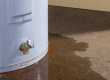
A: Yes. Warning signs include water pooling around the base of the heater, corrosion on fittings or the tank itself, frequent pilot light outages, rumbling or popping sounds, or a drain pan that’s constantly wet. In attics or closets above living areas, these signs are especially urgent because a tank rupture can damage ceilings, walls, and flooring. If you notice these issues, contact a local licensed plumber promptly. They can determine whether you need immediate emergency water heater repair or a planned replacement to prevent a bigger problem.
Q: Should I replace my water heater when I remodel my bathroom or kitchen?
A: It’s often smart to at least evaluate it. If your water heater is already 8–10 years old and you’re investing in a remodel, planning a residential water heater replacement at the same time can prevent your new finishes from being damaged by an old tank failure. This is also a good moment to address related plumbing issues—like upgrading drain repair installation, adding recirculation lines, or improving venting. Coordinating these projects with one plumbing team minimizes disruption and can be more cost‑effective than tackling them separately later.
Ready to Get Started?
If your water heater is aging, unreliable, or making strange noises, waiting rarely makes things better—especially in a slab‑on‑grade city like Richardson where leaks can quickly turn into foundation and flooring problems. Planning your installation now, on your schedule, is far less stressful than scrambling during a cold front or after a tank rupture.
Casto Leak Detection can help you evaluate your current system, recommend the right size and type for your home or business, and install it to current safety and efficiency standards. If there are signs of hidden leaks, our team can also provide precise plumbing leak detection and repair so you’re not putting a new heater on top of old problems.
Next steps are simple:
- Schedule an on‑site assessment
- Review clear, written options and pricing
- Choose the solution that fits your comfort, safety, and budget goals
With years of experience in Richardson and the surrounding communities, and a focus on both water heater and leak detection expertise, you get more than a quick install—you get long‑term peace of mind.
About Casto Leak Detection
Casto Leak Detection is a locally trusted plumbing specialist based in Richardson, TX, focused on accurate leak diagnostics, water heater repair installation, and long‑lasting plumbing solutions. Our licensed technicians bring deep experience with North Texas slab foundations, gas systems, and residential plumbing, helping homeowners and businesses prevent damage and improve efficiency. From slab leak repair services to general plumbing repairs, we combine advanced tools with a straightforward, honest approach. Learn more about our services at Casto Leak Detection’s website.