Comprehensive Leak Detection for Home Safety
A tiny, hidden water leak in your Richardson home can quietly cause thousands of dollars in damage before you ever see a wet spot. Nationwide, household leaks waste nearly 1 trillion gallons of water every year, and the EPA estimates that 10% of homes have leaks that waste 90 gallons or more per day. In North Texas, where foundation movement, aging plumbing, and extreme temperature swings are common, those “small” leaks often turn into structural and safety problems.
For homeowners in Richardson and the surrounding Dallas–Fort Worth area, understanding leak risks isn’t just about saving on your water bill. It’s about protecting your foundation, indoor air quality, and long-term home value. From slab leaks under your concrete to slow drips inside walls or near gas lines, the sooner you find and repair them, the safer your home will be.
This guide walks you through how modern leak detection works, what warning signs to watch for, how it ties into your overall plumbing and water heater system, and when to call a specialist like Casto Leak Detection for professional help.
Key Insight: The faster and more accurately you locate a leak, the less you’ll spend on repairs and the better you’ll protect your home’s structure, health, and safety.
Why Leak Detection Matters More in North Texas Homes
North Texas homes face unique plumbing and foundation challenges. Expansive clay soils around Richardson swell when wet and shrink when dry, putting constant stress on buried pipes and concrete slabs. Add in older neighborhoods with galvanized or cast iron lines, and you have a recipe for hidden leaks.
A few reasons leak detection is especially critical here:
- Foundation movement: Even minor shifts can crack water or sewer lines under your slab.
- Temperature swings: Hard freezes followed by hot summers accelerate wear on pipes and water heaters.
- Aging infrastructure: Many Richardson homes built in the 70s–90s now have plumbing systems at or past their expected service life.
One Richardson homeowner called Casto after noticing a warm spot on their living room floor and a water bill that had doubled. Our team used non invasive leak detection services to pinpoint a hot water line leak under the slab—without tearing up half the house. We opened a small section of flooring, repaired the line, and the homeowner avoided major foundation issues.
“Most slab leaks start small and invisible. By the time you see cracks or standing water, the damage is already extensive.” — Casto Leak Detection Technician
Beyond water waste, undetected leaks can:
- Undermine your slab and cause cracks
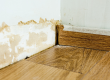
- Promote mold growth behind walls and under flooring
- Damage cabinets, baseboards, and finishes
- Create musty odors and poor indoor air quality
CALLOUT: In Richardson’s soil and climate conditions, a “wait and see” approach to leaks almost always costs more in the long run.
How Professional Leak Detection Actually Works
Modern leak detection is very different from the “jackhammer and guess” approach of the past. A qualified water leak detection specialist uses a combination of tools and techniques to locate the exact source of a leak with minimal disruption.
Common tools and methods
- Acoustic listening devices: Amplify the sound of water escaping under concrete or behind walls.
- Thermal imaging cameras: Reveal temperature differences from hot water leaks or saturated building materials.
- Pressure testing: Confirms whether a plumbing system is holding pressure or losing water.
- Tracer gas or dye testing: Tracks the path of leaks in stubborn cases.
- Video inspection cameras: Run through drains and sewer lines to locate breaks, offsets, or root intrusion.
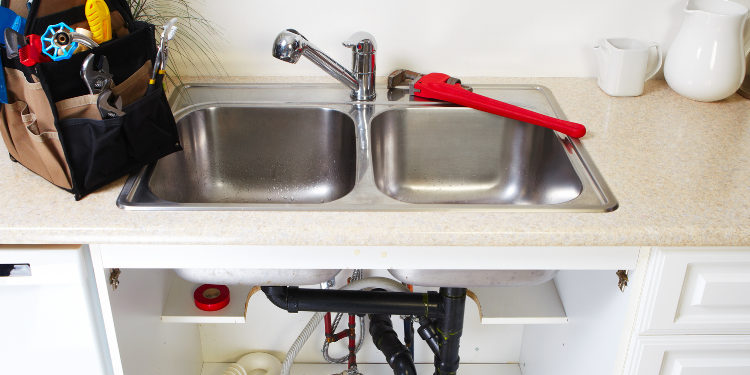
For a Richardson homeowner with a mysterious wet spot near their kitchen, our team combined pressure testing with acoustic equipment. We isolated the problem to a cold-water line in the wall behind the sink. Instead of tearing out the entire cabinet run, we opened a small access panel, completed the plumbing leak detection and repair, and preserved the kitchen finishes.
“Accurate leak detection is 80% diagnosis and 20% repair. The better the diagnostics, the less damage to your home.” — Senior Leak Technician, Casto Leak Detection
This technology-driven approach is especially valuable for:
- Slab leaks under concrete floors
- Leaks in finished walls and ceilings
- Underground yard leaks between the meter and the house
- Multi-story homes where water can travel far from the source
Slab Leaks: The Hidden Threat Beneath Your Foundation
A slab leak is a leak in the water lines or sometimes drain lines that run beneath your concrete foundation. In Richardson and nearby cities, these are some of the most serious and expensive leaks if not handled by a true concrete slab leak specialist.
Common warning signs of a slab leak
- Warm or damp spots on floors
- Sudden increases in water bills
- The sound of running water when no fixtures are on
- Cracks in walls, flooring, or the slab
- Mildew or musty odors, especially in low areas
- Continuous operation of your water heater
A couple in an older Richardson neighborhood called us after noticing their hardwood floors cupping and separating. Their home inspector suspected a slab leak. Our team performed slab leak detection and repair, locating a hot water leak near an interior wall. Because the leak was caught relatively early, we were able to repair the line through a small opening and help them address minor flooring damage—before it became a full foundation repair.
Options for slab leak repair
Depending on the location and condition of your plumbing system, a trusted foundation slab leak repair company may recommend:
- Direct repair at the leak location
- Rerouting the line through walls or attic
- Re-piping sections of the home if multiple leaks are present
CALLOUT: Multiple slab leaks over a few years usually indicate a systemic issue. In those cases, rerouting or re-piping is often more cost-effective than repeated spot repairs.
With Richardson’s active soils, proper diagnosis is key. A quick patch without understanding why the pipe failed can lead to repeat leaks in other areas.
Leak Detection, Drains, and Sewer Lines: The Bigger Picture
Not all leaks involve fresh water lines. Drain and sewer problems can be just as damaging and far more unpleasant. Slow leaks in drain lines often go unnoticed until you see ceiling stains, wall damage, or smell sewer gas.
A local homeowner near the University of Texas at Dallas area called Casto after noticing a recurring stain on their first-floor ceiling under an upstairs bathroom. Our technicians used cameras to inspect the drain line and discovered a cracked fitting slowly leaking wastewater into the ceiling cavity. We performed targeted drain repair, replaced the damaged section, and coordinated with a restoration company to address the affected drywall and insulation.
Drain and sewer-related leak services
- Drain repair and installation for failing or outdated lines
- Drain cleaning and jetting to remove obstructions and reduce pressure on pipes
- Water, sewer, and gas diagnostics to pinpoint complex issues
“Slow leaks in drain lines can go on for months, saturating framing and insulation. By the time stains appear, mold may already be present.” — Plumbing Inspector, North Texas
Because many Richardson homes have two-story layouts, even a small upstairs drain leak can damage ceilings, walls, and flooring on both levels. Investing in proper diagnostics and repair protects more than just your plumbing—it protects every finish below it.
Water Heaters and Leak Risks: Storage vs. Tankless
Your water heater is one of the most common sources of leaks in a home. As tanks age, they can develop rust, corrosion, and weak spots that eventually fail. Connections, valves, and temperature-pressure relief (T&P) valves can also drip or leak.
Common water heater leak scenarios
- Slow drips from valves or fittings
- Leaks from the tank seam (often a sign of end-of-life)
- Corroded connections on older units
- Condensation mistaken for leaks
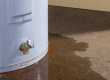
A Richardson homeowner in a 1980s house called us after waking up to water pooling in their garage. Their 15-year-old gas water heater had developed a tank leak overnight. Our technician recommended immediate replacement and completed residential water heater replacement the same day, preventing water from reaching the interior walls.
For another family in a newer build, a “leak” turned out to be a minor issue with the T&P valve discharge line. In that case, a simple water heater repair solved the problem without full replacement.
Traditional vs. Tankless: Leak and Safety Comparison
| Feature / Risk | Traditional Tank Water Heater | Tankless Water Heater |
|---|---|---|
| Primary leak risk | Tank corrosion, seam failure, valve leaks | Fittings, heat exchanger leaks (no large tank to burst) |
| Typical lifespan in North Texas | 8–12 years | 15–20 years |
| Potential water volume if tank fails | 40–50+ gallons at once | Limited, usually only line volume |
| Space and ventilation | Larger footprint, may be in garage/closet | Compact, wall-mounted, often outdoors or well-ventilated areas |
| Energy efficiency | Lower, especially for older models | Higher; heats water on demand |
| Maintenance needs | Periodic flushing to reduce sediment | Annual flushing/descaling recommended |
For many Richardson homeowners, upgrading to a tankless system with tankless water heater installation reduces both energy use and catastrophic leak risk. However, even tankless systems need proper installation and maintenance by a qualified professional hot water heater installation contractor to ensure safety and reliability.
CALLOUT: Any water heater over 10 years old deserves a yearly inspection. A small preventive visit can save you from a flooded garage or utility room.
Gas, Fixtures, and General Plumbing: Safety Beyond Water Damage
Home safety around leaks isn’t limited to water. Gas leaks and faulty fixtures can create fire hazards, health issues, and property damage. A comprehensive approach to leak detection considers the entire plumbing and gas system.
Gas line and fixture concerns
- Corroded or improperly installed gas lines
- Loose connections behind ranges, dryers, or water heaters
- Faulty shutoff valves at toilets, sinks, and appliances
- Dripping faucets and running toilets wasting water and stressing systems
Casto Leak Detection was called to a Richardson home where the owner smelled gas near their water heater. Our water, sewer, gas diagnostics confirmed a small gas leak at a joint behind the unit. We shut off the gas, repaired the leak, and tested the system to ensure it was safe before re-lighting the appliance.
On the water side, another homeowner struggled with a constantly running toilet and a dripping shower. Our team performed toilet repair and fixture repair and installation, reducing their water bill and preventing moisture buildup in the bathroom.
“Water leaks damage property. Gas leaks endanger lives. Both deserve prompt attention from a licensed professional.” — Master Plumber, Texas
Leak detection and prevention should be part of regular general plumbing repairs and maintenance. Addressing small fixture leaks, corroded valves, and outdated flex lines lowers your risk of both water and gas emergencies.
Traditional “Search and Destroy” vs. Modern, Non-Invasive Leak Detection
Homeowners often worry that finding a leak means tearing up floors, walls, or landscaping. That used to be true more often than not. Today, with the right equipment and experience, most leaks can be found and repaired with far less disruption.
Approach Comparison
| Aspect | Traditional “Search and Destroy” | Modern Non-Invasive Approach |
|---|---|---|
| Method | Guesswork, large exploratory demolition | Targeted diagnostics with advanced tools |
| Impact on home | Multiple holes in walls/floors, extensive demo | Small access points at precise locations |
| Time to locate leak | Hours to days | Often within a single visit |
| Overall repair cost | Higher, due to extra demo and restoration | Lower, due to minimized damage |
| Stress for homeowner | High – uncertain scope and cost | Lower – clear plan and defined work area |
| Best suited for | Outdated practices, limited equipment | Professional leak detection specialists |
A Richardson homeowner told us another contractor wanted to break up a large section of their living room slab to “look for” a leak. Instead, they called Casto. Using acoustic and pressure testing, our technicians pinpointed the leak within a 2-foot area. We opened a single, small section of concrete, completed the repair, and the homeowner only had to patch one area instead of replacing an entire floor.
CALLOUT: Choosing a specialist that offers true leak detection services can be the difference between a focused repair and a major renovation.
Modern methods not only save money but also preserve finishes that are hard or impossible to match, like older tile, specialty hardwoods, or custom cabinetry.
What This Means for Homeowners in Richardson, TX
For homeowners in Richardson, leak detection isn’t an abstract, “maybe one day” concern. It’s a practical, everyday reality shaped by our soil, climate, and housing stock.
- Foundation protection: With expansive clay soils, even a small slab leak can accelerate foundation movement. Early detection keeps plumbing issues from turning into structural repairs.
- Water conservation: North Texas communities periodically face drought conditions and watering restrictions. Fixing leaks quickly is one of the easiest ways to conserve water and control utility bills.
- Aging neighborhoods: Many Richardson neighborhoods—like Canyon Creek, Cottonwood Heights, and Springpark—have homes old enough that original plumbing, water heaters, and drains are reaching the end of their design life.
- Extreme weather: Hard freezes like those in recent Texas winters can cause pipe bursts, while scorching summers stress materials and joints.
“Richardson homes have character—and that often comes with original plumbing. Proactive leak detection helps protect that character for the long term.” — Casto Leak Detection
Working with a local, experienced team that understands North Texas construction methods, soil conditions, and code requirements means you get solutions tailored to your home, not generic advice. Whether you’re dealing with a suspected slab leak, a sudden spike in your water bill, or unexplained dampness, having a trusted leak detection partner on call gives you peace of mind.
Frequently Asked Questions
Q: How do I know if I have a hidden leak in my Richardson home?
A: Some of the most reliable signs are changes over time: a water bill that jumps without any change in usage, the sound of running water when fixtures are off, warm or damp spots on floors, or new cracks in walls and tile. Musty odors, recurring mold, or a constantly running water meter are also red flags. If you notice any of these, it’s worth calling for leak detection services. A specialist can perform pressure tests and use acoustic or thermal tools to confirm whether a leak exists and where it’s located, without unnecessary demolition.
Q: Are slab leaks covered by homeowners insurance in Texas?
A: Coverage varies by policy, but many Texas homeowners policies will help with access and repair of a covered plumbing leak, and sometimes with resulting damage (like damaged flooring). They often do not cover the cost to replace the entire plumbing system if it’s simply old or failing due to age. When we perform slab leak repair services, we provide detailed documentation and photos you can share with your insurance adjuster. It’s a good idea to review your policy or speak with your agent before an emergency, so you understand what’s included.
Q: How fast should I act if I suspect a slab leak or gas leak?
A: For gas leaks, you should act immediately: leave the home, avoid using electrical switches, and call your gas company or 911. Once the area is safe, a professional plumbing contractor can repair the issue. For slab leaks, you don’t need to evacuate, but you shouldn’t wait weeks or months. Continuous water under your slab can erode soil and contribute to foundation movement. Contact a foundation slab leak repair company as soon as you notice symptoms; earlier intervention almost always means a smaller, less expensive repair.
Q: Is it better to repair a leaking water heater or replace it?
A: It depends on the age and condition of the unit and where the leak originates. If the tank itself is leaking—especially on a unit over 8–10 years old—replacement is usually the safest and most cost-effective option. In those cases, we recommend water heater installation services for a new, more efficient model. If the issue is a valve, fitting, or minor component on a relatively young heater, water heater repair services can often restore proper operation. A licensed technician will inspect the system and walk you through your options and costs.
Q: Are tankless water heaters less likely to leak than traditional tanks?
A: Tankless units eliminate the risk of a large storage tank rupturing, which significantly reduces the chance of major flooding. However, they still have connections, heat exchangers, and internal components that can leak if not installed or maintained properly. With professional tankless water heater installation and regular maintenance, leak risks remain low. If you ever notice dripping, error codes, or inconsistent hot water, a tankless water heater repair visit can catch problems early and protect your investment.
Q: Can I handle leak detection myself, or do I always need a plumber?
A: You can perform some basic checks on your own—like monitoring your water meter with all fixtures off, looking for visible drips, or placing food coloring in toilet tanks to see if they leak into the bowl. These steps can help you decide whether you need help. But for anything involving your slab, underground lines, or gas, it’s important to work with a local licensed plumber. They have specialized equipment and training to perform water, sewer, gas diagnostics safely and accurately, which prevents unnecessary damage and missed leaks.
Q: How often should I have my plumbing system inspected in an older Richardson home?
A: For homes over 20–25 years old, an inspection every 1–2 years is a smart investment. This can include checking exposed piping, shutoff valves, fixtures, and water heaters, as well as targeted tests if you’ve noticed any warning signs. If your home has a history of slab leaks, you may benefit from more frequent monitoring or proactive solutions like re-routing vulnerable lines. During a maintenance visit, a residential plumbing company can also perform minor repairs that reduce the risk of emergencies—like replacing corroded valves or addressing slow drains before they fail.
Ready to Get Started?
Small leaks rarely stay small for long—especially in Richardson’s shifting soils and extreme weather. If you’ve noticed higher water bills, new cracks, damp spots, or sounds of running water, now is the time to act. Waiting often means trading a focused repair for extensive demolition, mold remediation, or even foundation work.
Casto Leak Detection specializes in accurate, minimally invasive leak detection and repair tailored to North Texas homes. Whether you need help with a potential slab leak, a suspicious water heater, or unexplained dampness, our licensed technicians bring the right tools and experience to protect your home and your peace of mind.
Your next step is simple: schedule an evaluation. We’ll listen to your concerns, perform the appropriate diagnostics, and explain your options clearly—no pressure, no surprises. From there, we can complete the necessary repairs or coordinate with your existing plumber or restoration team.
About Casto Leak Detection
Casto Leak Detection is a locally owned specialist serving Richardson, TX and surrounding communities. Our team focuses on precise leak location, slab leak repair, and comprehensive water, sewer, and gas diagnostics for homeowners who want accurate answers and long-lasting solutions. With years of experience in North Texas construction and soil conditions, we combine advanced technology with hands-on expertise to protect your home’s foundation, plumbing, and safety.