Water Heater Installation Mistakes to Avoid
On a cold North Texas morning, nothing wakes you up faster than stepping into a shower and realizing the “hot” water is barely lukewarm. For many homeowners in Richardson and across the Dallas area, that rude awakening often traces back to one root cause: a poorly installed water heater.
According to the U.S. Department of Energy, water heating accounts for about 18% of a home’s energy use. In a climate like ours—where incoming water temperatures swing dramatically from summer to winter—mistakes during installation can cost you comfort, efficiency, and even the safety of your home.
For local businesses and homeowners alike, a water heater isn’t just another appliance. It’s a critical system tied into your gas, water, and sometimes electrical infrastructure. Errors during installation can lead to leaks, property damage, or dangerous combustion issues. In extreme cases, they can even jeopardize your foundation.
In this guide, you’ll learn the most common water heater installation mistakes, how they show up in real Richardson homes, and what to do instead. You’ll also see when it’s time to call in a professional hot water heater installation specialist to protect your home, your budget, and your peace of mind.
Key Insight: The biggest water heater problems in Richardson rarely start with the heater itself—they start with shortcuts during installation that quietly set you up for leaks, damage, and higher bills down the road.
Mistake #1: Choosing the Wrong Size and Type for Your Home
A water heater that’s too small leaves you with cold showers; one that’s too large wastes energy and money. Around Richardson, where many homes have been added onto or remodeled over the years, this sizing mistake happens more often than you’d think.
Why Size and Type Matter
Water heater capacity isn’t just about the number of gallons in the tank. It’s about:
- Number of people in the home
- Number of bathrooms and simultaneous hot water uses
- Whether you have high-demand fixtures (rain showers, large soaking tubs)
- Whether you’re using gas or electric
For example, a family of five in a Richardson two-story with three bathrooms will have vastly different needs than a retired couple in a one-story cottage near Downtown Richardson.
We frequently see older homes where a 30–40 gallon tank was installed decades ago and then the home was expanded. Suddenly, that same undersized heater is trying to keep up with an added bathroom, laundry, and dishwasher—and failing.
“Right-sizing your water heater is one of the simplest ways to improve comfort and reduce energy waste.” — Local Plumbing Technician, Richardson TX
Traditional Tank vs. Tankless
Here’s where many homeowners guess—and guess wrong. A tankless unit might sound appealing, but it’s not always the best fit without proper evaluation.
| Feature | Traditional Tank Heater | Tankless Water Heater |
|---|---|---|
| Upfront Cost (Richardson avg.) | Lower ($1,500–$2,800 installed) | Higher ($3,000–$5,500 installed) |
| Operating Cost | Higher over time | Lower with proper sizing |
| Space Needed | More (requires floor space) | Less (wall-mounted) |
| Best For | Steady, predictable use | High-demand, multiple fixtures, long-term energy savings |
| Lifespan | ~10–12 years | ~15–20 years |
A Richardson homeowner recently called us after installing a small tankless unit from a big-box store on their own. It worked fine for one shower, but when someone ran the dishwasher and a second shower, water went cold. The unit simply wasn’t sized for real-life usage.
Working with a tankless water heater installation specialist ensures your system is sized for peak demand—not just the label on the box.
CALLOUT: Before you buy any water heater, have a local licensed plumber perform a usage and demand assessment. It’s quick, inexpensive, and can save you thousands over the life of the system.
Mistake #2: Ignoring Local Codes, Permits, and Safety Requirements
Water heaters may look simple, but they’re tied into gas lines, electrical systems, venting, and your home’s plumbing. Every city in the Dallas–Fort Worth area, including Richardson, adopts building and safety codes that dictate how these systems must be installed.
Skipping permits or cutting corners on code requirements is one of the most dangerous mistakes a homeowner or unqualified handyman can make.
Why Codes Matter in Richardson
Richardson follows the International Plumbing Code (IPC) and relevant gas and mechanical codes with local amendments. These rules exist to prevent:
- Gas leaks and carbon monoxide buildup
- Scalding injuries from overheated water
- Tank ruptures or explosions
- Backdrafting of combustion gases
- Flood and property damage from failed safety valves
We’ve seen “budget” installations in rental properties where:
- There was no expansion tank on a closed water system
- Temperature and pressure relief (T&P) valves were capped off
- Flexible gas connectors were kinked or undersized
- Vent pipes weren’t properly sloped or terminated
In one Richardson duplex, a landlord installed a gas heater in a closet without adequate combustion air or proper venting. Tenants complained of headaches and fatigue. A check with our water sewer gas diagnostics tools showed elevated carbon monoxide levels—an immediate life-safety hazard.
“If your installer says, ‘We don’t need a permit,’ that’s your sign to hit the brakes and call someone else.” — Senior Plumbing Inspector, Dallas County
Permit vs. No-Permit: What’s at Stake
| Factor | With Permit / Code-Compliant Install | Without Permit / Non-Compliant Install |
|---|---|---|
| Home Insurance Claims | Typically honored | May be denied if cause is improper install |
| Resale Value | Buyers more confident | Red flags during inspection |
| Legal Liability | Protected by licensed contractor’s insurance | Homeowner may be fully liable |
Working with a professional plumbing contractor means permits, inspections, and code compliance are built into the job. You’re not just buying a water heater—you’re buying peace of mind that your installation meets local standards.
Mistake #3: Improper Venting and Gas Line Work
For gas water heaters, venting and fuel supply are non-negotiable safety issues. Missteps here can lead to carbon monoxide exposure, gas leaks, or even explosions.
Common Venting Mistakes
In Richardson, many older homes have atmospheric vent gas heaters tied into masonry chimneys or metal flues. When homeowners upgrade appliances or remodel, those venting systems are often altered—sometimes incorrectly.
We frequently find:
- Vent pipes that are too small or too large for the heater
- Long horizontal runs with inadequate slope
- Shared vents with other gas appliances that don’t meet code
- Vent terminations too close to windows or soffit vents
One North Richardson homeowner added a powerful new range hood directly above the mechanical room. The hood created negative pressure, pulling combustion gases back down the water heater flue—a dangerous backdraft situation they only discovered after a CO alarm went off.
Gas Line Sizing and Connections
A new high-efficiency or tankless water heater often requires more BTUs than the old unit. If the gas line isn’t sized correctly, the heater can starve for fuel, run inefficiently, or shut down.
Errors we see in DIY or handyman installs:
- Tapping into an undersized existing gas line
- Using improper or unapproved connectors
- Failing to perform a pressure test
- Not checking for leaks with appropriate tools
A trained gas water heater installation technician will:
- Calculate gas load for all appliances
- Verify gas meter capacity
- Size and install new gas piping if needed
- Test for leaks with approved methods and equipment
“You can’t ‘eyeball’ gas line sizing. It’s math, not guesswork.” — Master Plumber, Richardson TX
If you ever smell gas near your water heater or hear a hissing sound, leave the area, avoid operating electrical switches, and call for emergency plumbing services and your gas utility immediately.
CALLOUT: Any water heater installation involving gas work should be handled only by a licensed, insured local licensed plumber. This is not a safe DIY zone.
Mistake #4: Skipping Proper Drainage, Pans, and Leak Protection
Water heaters fail. Even the best brands eventually corrode, leak, or rupture. The difference between a nuisance and a disaster often comes down to one thing: did the installer plan for water going where it shouldn’t?
The Cost of Poor Drainage
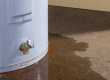
In slab-on-grade homes common in Richardson, water from a leaking heater can:
- Soak flooring and baseboards
- Wick into walls and insulation
- Seep into cracks in the slab
- Contribute to mold and mildew growth
In multi-story homes or townhomes, an upstairs water heater without a proper drain pan and drain line can cause catastrophic ceiling and wall damage below.
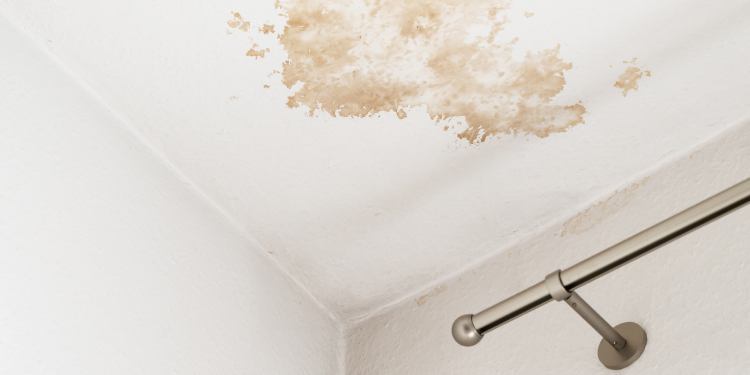
We recently helped a family in Canyon Creek whose second-floor heater failed. The unit had been installed without a pan or drain line. By the time they noticed water spots on the downstairs ceiling, water had been running for hours. The resulting repairs—drywall, insulation, paint, flooring—cost more than five times what a proper install would have.
Simple Protections That Make a Huge Difference
A code-compliant installation typically includes:
- A correctly sized, corrosion-resistant drain pan
- A dedicated drain line to a safe discharge point
- Properly routed T&P relief valve discharge piping
- Optional leak detection shutoff valves for high-risk areas
In homes where water heaters sit on the slab, undetected leaks can also contribute to hidden foundation moisture problems. We’ve traced mysterious wet spots in Richardson homes back to slow water heater leaks that eventually required slab leak detection and repair.
“Water always finds the path of least resistance—and it usually isn’t the path you’d choose.” — Leak Detection Specialist, North Texas
If you suspect a hidden leak around your water heater, especially in a garage or interior closet on slab, a water leak detection specialist can use non-invasive tools to pinpoint the source before major damage occurs.
Mistake #5: Neglecting Expansion Tanks, Valves, and System Balance
Modern plumbing systems in Richardson often include pressure-reducing valves and backflow prevention at the meter. While that’s great for protecting the municipal supply, it also means your home may be a “closed” system—where water has nowhere to go when it expands as it’s heated.
Why Expansion Tanks Matter
When water is heated, it expands. In a closed system, that expansion can:
- Spike water pressure in your pipes
- Stress fixtures, valves, and your water heater tank
- Trigger premature failure of the T&P relief valve
- Contribute to leaks in weak points of your plumbing
An expansion tank acts like a shock absorber, giving that expanded water somewhere to go. Skipping it during installation might save a few dollars up front, but it can cost you in reduced equipment life and more frequent repairs.
We inspected a Richardson home where the homeowner had replaced their own heater without adding an expansion tank. Within a year, they’d gone through two T&P valves and started noticing intermittent banging noises in the pipes. A simple expansion tank install stabilized the system and solved the problem.
Valves and Shutoffs: Small Parts, Big Impact
A quality installation should also include:
- A full-port cold water shutoff valve near the heater
- Properly functioning T&P relief valve and discharge piping
- Dielectric unions when needed to prevent galvanic corrosion
- Clearly labeled shutoff locations for emergencies
A residential plumbing company that takes the time to balance your system isn’t just installing a box—they’re integrating your new heater into the plumbing “ecosystem” of your home.
“Your water heater doesn’t live on an island. It has to play nicely with every other part of your plumbing system.” — Service Manager, Richardson Plumbing Firm
CALLOUT: If your installer never mentions expansion tanks, system pressure, or shutoff valves, you’re not getting a complete solution—you’re just getting a tank swap.
Mistake #6: Overlooking Accessibility, Maintenance, and Future Repairs
Even a perfect installation can turn into a headache if the water heater is crammed into a tight space, surrounded by stored items, or installed without any thought to future service.
Planning for the Long Term
In many Richardson homes, water heaters live in:
- Garage corners
- Attic spaces
- Interior closets
- Utility rooms shared with HVAC and laundry
Poor planning can mean:
- No room to replace the unit without cutting walls
- Unsafe working conditions for technicians
- Increased labor costs for every future service call
- Higher risk of unnoticed leaks in hidden areas
A homeowner in far North Richardson called us for water heater repair services on a unit tucked behind built-in shelving. A previous remodeler had boxed the heater in to “clean up” the space, leaving no clearance. To replace the failing unit, we had to remove part of the shelving and drywall—time-consuming and expensive work that could have been avoided with better planning.
Maintenance Access and Serviceability
Thoughtful installation considers:
- Clearances specified by the manufacturer
- Easy access to gas valves, shutoffs, and electrical connections
- Room to remove and replace anode rods
- Safe access if the unit is in an attic (lighting, decking, railings)
For tankless units, serviceability is even more critical. Annual or biannual descaling is common in North Texas due to hard water. A proper tankless water heater repair and installation setup includes isolation valves and service ports for flushing.
“If a technician can’t get to it, they can’t maintain it. And if they can’t maintain it, it won’t last.” — Field Supervisor, DFW Plumbing Company
What This Means for Businesses in Richardson, TX
Whether you manage a small office off Campbell Road, own a restaurant near CityLine, or operate a retail space along Plano Road, hot water is more than a comfort—it’s often a health and code requirement.
For local businesses, water heater installation mistakes can mean:
- Health code violations or shutdowns (for food service, salons, healthcare)
- Lost revenue from unexpected downtime
- Damage to inventory or equipment from leaks
- Higher utility bills from inefficient systems
A boutique fitness studio in Richardson recently upgraded to on-demand systems to handle showers after classes. The initial installer undersized the tankless units and failed to consider simultaneous use. During peak times, clients reported lukewarm water and fluctuating temperatures—hardly the luxury experience the owner wanted.
We evaluated their demand, corrected the sizing, and reworked the gas supply. With a properly designed system, they now have consistent hot water, lower energy usage, and fewer complaints.
This level of planning and execution is where a seasoned professional plumbing contractor makes all the difference. They understand:
- Local code requirements specific to commercial properties
- How to schedule work to minimize disruption to your operations
- When to recommend redundancy or backup systems
- How to integrate leak detection and shutoffs to protect your build-out
For any Richardson property—residential or commercial—your water heater is tied into the broader health of your plumbing. Mistakes in installation can ripple out, leading to issues that later require plumbing leak detection and repair, drain repair installation, or even foundation slab leak repair company services.
Investing in a correct, code-compliant, and future-ready installation now is one of the most cost-effective decisions you can make for your property in Richardson.
Frequently Asked Questions
Q: How do I know if my current water heater was installed correctly?
A: Start with a visual check. Look for a drain pan (if the unit is in an attic or interior space), a properly routed T&P relief valve discharge pipe, and a dedicated shutoff valve on the cold water line. For gas units, check that the vent pipe is firmly connected, properly sloped, and terminates outdoors. If you see corrosion, flexible connectors under strain, or makeshift supports, those are red flags. The most reliable way to know is to have a local licensed plumber perform a quick safety and code compliance inspection, especially if you’ve recently purchased the home.
Q: Is tankless always better than a traditional tank water heater in Richardson?
A: Not always. Tankless units offer endless hot water and can be more efficient, but they require correct sizing, adequate gas supply, and proper venting. For some smaller homes or properties with modest hot water needs, a well-installed tank-style heater may provide better value. In larger homes or businesses with high or variable demand, professionally designed tankless water heater installation can be a great fit. A site visit and usage assessment will determine which option best balances comfort, upfront cost, and long-term operating expenses.
Q: Can a bad water heater installation cause slab leaks or foundation issues?
A: Indirectly, yes. A poorly installed heater that leaks slowly over time can saturate the area around your foundation. In slab-on-grade homes common in Richardson, that moisture can migrate under flooring, into walls, or along cracks in the slab. In some cases, chronic moisture issues mask or contribute to underlying plumbing problems that require slab leak repair services. If you notice warm spots on your floor, higher water bills, or unexplained moisture near your heater, it’s wise to bring in a water leak detection specialist for a thorough evaluation.
Q: How long should a properly installed water heater last in North Texas?
A: For a traditional tank-style heater, 10–12 years is typical with proper installation and maintenance. In areas with hard water like Richardson, lifespan can be shortened if the unit isn’t flushed periodically or if anode rods aren’t checked. Tankless units may last 15–20 years or more when installed correctly and serviced regularly. Poor installation—such as incorrect gas line sizing, lack of expansion control, or inadequate drainage—can significantly shorten these timelines. Partnering with a residential water heater replacement specialist helps ensure you get the full life out of your investment.
Q: What are signs that my water heater was not installed to code or safely?
A: Warning signs include: no permit or inspection record, missing drain pan in an attic or interior closet, a T&P relief valve with no discharge pipe or one that’s capped, flexible gas connectors that look kinked or stretched, vent pipes that are loose, rusted, or sloping the wrong way, and any evidence of scorching or discoloration around the draft hood. Frequent pilot light outages, soot buildup, or carbon monoxide detector alerts near the heater are serious red flags. If you see any of these, call for emergency water heater repair and inspection right away.
Q: I’m handy. Which parts of a water heater install can I safely do myself?
A: Homeowners can often handle tasks like clearing the area, building a simple platform under guidance, or installing basic earthquake straps if needed. However, any work involving gas lines, venting, electrical connections, or tying into existing plumbing should be left to a professional plumbing contractor. Richardson’s codes require permits and inspections for water heater replacement, and DIY work that goes wrong can lead to safety hazards, denied insurance claims, or expensive corrections later. Many homeowners choose to let pros handle the full install while they focus on routine maintenance like flushing (once the system is properly set up).
Q: What should I ask a plumber before hiring them to install my water heater?
A: Ask if they are licensed and insured, whether they pull permits and coordinate inspections, and what brands and models they recommend for your specific home or business. Request a detailed written estimate that includes removal of the old unit, any necessary gas or vent upgrades, expansion tank installation, and safety devices like drain pans and shutoffs. It’s also smart to ask about warranties on both the equipment and their labor. A reputable water heater installation services provider will welcome these questions and provide clear, straightforward answers tailored to your Richardson property.
Ready to Get Started?
North Texas weather isn’t getting any milder, and neither are utility rates. If your water heater is more than 8–10 years old, showing signs of rust, or struggling to keep up, now is the time to plan a proper replacement—before it fails on a busy weekday morning or during a cold snap.
A thoughtful, code-compliant installation protects more than your hot water supply. It safeguards your home from leaks, shields your foundation, and reduces the risk of gas or carbon monoxide hazards. It also sets you up for lower operating costs and fewer surprise repairs over the life of the system.
Casto Leak Detection can evaluate your current setup, recommend the right size and type of heater, and handle everything from safe gas connections to leak protection. If we uncover related issues—like aging shutoff valves, stressed drains, or early signs of a slab leak—we can address them with the same care and precision.
Take a proactive step today. Schedule an assessment, ask your questions, and get a clear plan and price before problems escalate.
About Casto Leak Detection
Casto Leak Detection is a trusted plumbing and leak detection specialist based in Richardson, TX, serving homeowners and businesses across the Dallas–Fort Worth area. Our licensed technicians focus on accurate diagnostics, non-invasive solutions, and code-compliant installations—from water heater repair services to non invasive leak detection services and emergency slab leak repair. With deep local experience and a commitment to doing the job right the first time, we help protect your property, your comfort, and your investment.