
Understanding Slab Leak Causes and Solutions
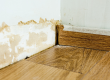
A homeowner in Richardson recently called because their water bill had quietly doubled over three months. No dripping faucets. No visible puddles. But their wood floors near the kitchen felt slightly warm. By the time they reached out, a hot water slab leak had already washed away soil under the foundation and warped several rooms of flooring.
Stories like this are more common in North Texas than most people realize. Our clay-heavy soil, temperature swings, and aging plumbing under concrete foundations create a perfect storm for slab leaks—often hidden until the damage is costly.
Industry data suggests water leaks waste up to 10,000 gallons of water per home each year in the U.S., and foundation-related repairs in Texas can easily run into the tens of thousands if a slab leak goes unchecked.
You don’t have to become a plumbing expert, but understanding what causes slab leaks, how to spot early warning signs, and what repair options you have can save you serious money and stress. In this guide, you’ll learn how slab leaks form, how modern plumbing leak detection and repair actually works, and what long-term solutions make sense for your Richardson home.
Key Insight: Slab leaks are rarely a “sudden” problem—they develop slowly. The sooner you recognize the signs and call a qualified concrete slab leak specialist, the more options you have and the less damage you face.
What Exactly Is a Slab Leak—and Why They’re So Common in North Texas
A slab leak is a water leak in the pressurized plumbing lines (typically copper) that run underneath your home’s concrete foundation. Instead of leaking inside walls or ceilings where you might see it quickly, the water seeps into the soil under your slab, often staying hidden for weeks or months.
Why Richardson and the Dallas Area See So Many Slab Leaks
Several local factors make slab leaks a recurring problem in Richardson and surrounding communities:
- Expansive clay soil
Our soil swells when wet and shrinks when dry, putting constant stress on pipes and foundations.
- Temperature swings and drought cycles
Long, hot summers followed by heavy rains cause the ground to move, flexing pipes beneath the slab.
- Homes built on concrete slabs
Many Richardson neighborhoods from the 70s, 80s, and 90s run all main water lines under the slab instead of above ground or in crawl spaces.
- Aging piping materials
Older copper or galvanized steel lines can weaken over time, especially at joints or bends.
A homeowner off Campbell Road recently noticed a faint hissing sound near their dining room wall late at night when the house was quiet. Their water meter was spinning, even with every fixture off. A slab leak had formed under their living room, slowly undermining the foundation. Because they called quickly, Casto Leak Detection was able to use non-invasive leak detection services to pinpoint the issue before major structural damage occurred.
“You rarely see the first gallons of water that escape a slab leak. You see the last ones—after they’ve already softened soil and stressed your foundation.” — Senior Technician, Casto Leak Detection
CALLOUT: If your Richardson home was built before the early 2000s and sits on a concrete slab, you’re automatically in a higher-risk category for slab leaks.
The Real Causes Behind Slab Leaks: Beyond “Old Pipes”
People often blame slab leaks on “old plumbing,” but age is only part of the story. Understanding the actual causes helps you make better decisions about repairs and prevention.
1. Soil Movement and Foundation Stress
The expansive clay common across Richardson and the greater Dallas area is a major culprit. When soil expands and contracts, it can:
- Push and pull on pipes beneath the slab
- Create pressure points at pipe joints and elbows
- Gradually cause tiny cracks that grow into full leaks
A homeowner near Canyon Creek had foundation work done after years of drought. The foundation stabilized, but a few months later, they noticed a warm spot and a hairline crack in their tile. The shifting that occurred before and during the foundation work likely stressed a hot water line under the slab, eventually leading to a leak.
2. Poor Installation or Inferior Materials
Not every plumbing system was installed to today’s standards. Common installation-related issues include:
- Pipes laid directly against rough concrete or rebar
- Tight bends with excessive stress points
- Inadequate pipe support
- Use of thin-walled or lower-grade copper
“Tiny imperfections that don’t matter on day one can become leak points 15–25 years later.” — Plumbing Industry Best Practices Report
3. Corrosion and Chemical Reactions
Even good copper lines can corrode:
- Water chemistry (pH, mineral content) can slowly wear down pipe walls
- Electrolysis can occur when copper contacts other metals
- Stray electrical currents in the ground can accelerate corrosion
A Richardson homeowner with a gas water heater noticed rust-colored spots in one area of their grout. It turned out a corroded hot water line under the slab was pinhole-leaking for months. Our water heater repair services visit quickly turned into a full slab leak assessment—and we discovered both issues early enough to avoid a major foundation repair.
4. High Water Pressure and Thermal Expansion
Excessively high water pressure (over 80 PSI) or rapid temperature changes can stress pipes:
- Hot water lines expand and contract more than cold lines
- Sudden pressure spikes can weaken weak spots or old solder joints
Installing pressure regulators and expansion tanks where appropriate is a smart long-term move, especially if you’ve had other plumbing issues.
CALLOUT: Slab leaks usually have multiple contributing factors—soil, age, installation, and water chemistry all work together over time.
How to Spot a Slab Leak Before It Becomes a Foundation Emergency
Slab leaks are sneaky, but they’re not invisible. The earlier you catch them, the more repair options and lower costs you typically face.
Subtle Signs You Shouldn’t Ignore
Watch for these early warning signs in your Richardson home:
- Unexplained increase in your water bill
- Sound of running or hissing water when everything is off
- Warm or damp spots on tile, wood, or carpet
- Cracks in walls, baseboards, or flooring that seem to grow
- Mildew or musty smells with no visible source
- Constantly running water heater (for hot water slab leaks)
One family near the University of Texas at Dallas noticed that their tankless unit kept firing even when no one was using hot water. A quick check of their meter confirmed water was flowing 24/7. Our technicians used slab leak detection and repair tools to identify a pinhole leak in a hot water line under their hallway.
“If you wait for visible flooding, you’ve waited too long. The damage under the slab has already started.” — Foundation Repair Association Study
Simple Checks You Can Do Yourself
Before you call for professional leak detection services, try these steps:
- Turn off all water fixtures and appliances
- Check your water meter; if the dial is still moving, you may have a hidden leak
- Feel floors for warm spots, especially over concrete
- Look for dampness at the bottoms of walls or near baseboards
When to Treat It as an Emergency
Certain signs mean you shouldn’t wait:
- Rapidly rising water bill from one month to the next
- Visible water seeping through floors or walls
- Sudden drop in water pressure throughout the house
- Areas of the floor that feel “spongy” or hollow
In these cases, calling a local licensed plumber who offers emergency slab leak repair is critical. The faster the response, the better your chances of avoiding major foundation or flooring replacement.
CALLOUT: If your water meter is spinning with everything off, treat it as an urgent issue—even if you don’t see water yet.
Modern Leak Detection: How Pros Find a Leak Under Solid Concrete
Many homeowners imagine that finding a slab leak means jackhammering half the house. Fortunately, modern technology allows a skilled underground leak detection company to locate leaks with remarkable precision—often within inches.
Non-Invasive Leak Detection Tools
A water leak detection specialist will typically use a combination of:
- Acoustic listening devices
Sensitive microphones and amplifiers listen for the sound of water escaping under the slab.
- Thermal imaging cameras
Detect temperature differences that point to hot water leaks.
- Electronic line tracing
Maps out the path of metal water lines under your slab, so technicians know where to focus.
- Pressure testing and isolation
Different sections of the plumbing system are tested to narrow down the leak’s location.
A recent job in a Richardson cul-de-sac involved a suspected leak under a kitchen. Instead of tearing up cabinets and tile, our team used non invasive leak detection services to track the sound of escaping water to a specific area near the sink. We marked a small section of floor, confirmed the location with thermal imaging, and only opened a tight 2’x2’ area—saving the homeowner thousands in unnecessary demolition.
“The goal is always to locate the leak as precisely as possible before we ever touch the concrete.” — Casto Leak Detection Technician
Traditional vs. Modern Leak Detection
Here’s how older methods compare with today’s technology:
| Approach | Traditional “Guess & Break” | Modern Non-Invasive Detection |
|---|---|---|
| Method | Break concrete where symptoms show | Use acoustic, thermal, and line tracing tools |
| Damage to Property | High (multiple holes possible) | Low (1–2 small access points) |
| Accuracy | Moderate (trial and error) | High (often within a few inches) |
| Time to Locate Leak | Several hours to days | Usually 1–3 hours |
| Overall Cost | Higher due to demolition/repairs | Lower due to targeted access |
| Best For | Very old systems without access | Most modern homes on slab foundations in Richardson |
CALLOUT: The more precisely your plumber can locate the leak, the more repair options you’ll have—and the less restoration you’ll need afterward.
Repair Options: From Spot Fixes to Whole-House Reroutes
Once the leak is located, you’ll face an important decision: repair that specific section of pipe, or consider a broader solution to prevent future leaks.
1. Direct Access and Spot Repair
This is the most straightforward approach:
- Break through the slab at the leak location
- Expose and repair or replace the damaged section of pipe
- Backfill and patch the concrete
This method can be effective when:
- The leak is in an easily accessible area
- The rest of the plumbing is in good condition
- It’s your first slab leak and there’s no history of recurring problems
A homeowner near Cottonwood Park had a single cold-water slab leak under their laundry room. The pipes were otherwise in good shape. Our team performed a focused repair, patched the slab, and coordinated with a flooring contractor for final restoration. The total cost was far less than a full repipe.
2. Pipe Rerouting (Above-Slab Bypass)
In many cases, especially in older homes with multiple leaks, rerouting makes more sense:
- Abandon the leaking under-slab section
- Run new water lines through walls, ceilings, or attic spaces
- Tie back into the system above the slab
This approach avoids repeated slab penetrations and often adds value by bringing your plumbing closer to current standards.
3. Whole-House Repiping
If your home has:
- Frequent leaks
- Galvanized steel or severely corroded copper
- Multiple under-slab repairs already
A whole-house repipe may be the most cost-effective long-term solution. While it’s a larger project upfront, it dramatically reduces the risk of future slab leaks and can improve water quality and pressure.
Cost and Disruption: What to Expect in Richardson
Local costs vary based on home size, plumbing layout, and finishes, but as a general comparison:
| Option | Typical Use Case | Relative Cost | Disruption Level | Long-Term Benefit |
|---|---|---|---|---|
| Spot Repair | First-time, isolated leak | $ | Low–Medium (1–2 rooms) | Good if system is otherwise sound |
| Reroute Single Line | Repeated leaks on one line | $$ | Medium (walls/ceilings) | High for that branch |
| Whole-House Repiping | Aging, leak-prone system | $$$$ | High (multi-room project) | Excellent, future-proofing |
CALLOUT: The “cheapest today” option isn’t always the least expensive over the next decade—especially in older slab homes.
How Slab Leaks Connect to Water Heaters, Drains, and Other Plumbing Systems
Slab leaks rarely happen in isolation. They often show up alongside other plumbing issues, especially in older Richardson homes.
Hot Water Lines and Your Water Heater
Most slab leaks we see involve hot water lines. Why?
- Hot water pipes expand and contract more, stressing joints
- Corrosion can be faster in hot water systems
- Constant recirculation (if you have a loop) increases wear
If your water heater runs constantly, or you notice hot floors, there’s a good chance the leak is on the hot side. That’s when water heater repair services and slab leak diagnostics go hand in hand.
For homes with tankless units, tankless water heater repair may reveal slab leak symptoms like:
- The unit firing when no fixtures are open
- Error codes related to flow sensors
- Temperature fluctuations due to hidden leaks
A homeowner in southwest Richardson had a relatively new tankless system. They thought they needed a gas water heater repair technician because the unit kept cycling. Testing showed the heater was fine—water was escaping under the slab, causing constant demand. Addressing the slab leak solved both problems.
Drain Lines and Slab Movement
While slab leaks usually refer to pressurized supply lines, drain lines under the slab can also crack or separate, leading to:
- Sewer odors
- Slow drains
- Foundation undermining from long-term leakage
Our drain repair installation and drain cleaning jetting services often uncover hidden issues in cast iron or PVC drains under slabs.
Whole-Home Plumbing Health
If you’re dealing with a slab leak, it’s a smart time to assess:
- Fixture conditions (faucets, showers, toilets)
- Toilet leaks or loose bases
- General water pressure and flow
Bundling necessary work—like toilet repair installation, fixture repair installation, or general plumbing repairs—can save repeat visits and disruptions.
CALLOUT: A slab leak is often a “check engine light” for your entire plumbing system. Use it as an opportunity to get a full-picture assessment, not just a patch.
What This Means for Homeowners in Richardson, TX
Richardson sits in one of the most foundation-sensitive regions in the country. Between clay soil, hot summers, and widespread slab-on-grade construction, slab leaks are more a matter of “when” than “if” for many homes—especially those 20+ years old.
For local homeowners, that reality has a few important implications:
- Early detection is worth real money.
Catching a slab leak when it’s just affecting water usage is dramatically cheaper than waiting until you see foundation movement, cracked tiles, or buckling hardwoods.
- Choosing the right partner matters.
A foundation slab leak repair company that specializes in water sewer gas diagnostics and non-invasive technology can reduce damage to your home and give you more options.
- Short-term fixes vs. long-term strategy.
In neighborhoods with older homes—like Canyon Creek, Duck Creek, or the UTD area—you may be better served by planning for strategic reroutes or repiping instead of repeated spot repairs.
- Insurance and documentation.
Some homeowners’ insurance policies may help with access and restoration, even if they don’t cover the pipe itself. Detailed reports and photos from a professional plumbing contractor can make a big difference in your claim.
Richardson’s mix of older established neighborhoods and newer developments means no two slab leak situations are identical. A customized approach—backed by accurate diagnostics and clear options—will always serve you better than a one-size-fits-all solution.
Frequently Asked Questions
Q: How do I know if I have a slab leak or just a regular plumbing leak?
A: A regular leak is usually visible—dripping under a sink, a wet spot on a wall, or a running toilet. A slab leak is hidden under your concrete foundation. Signs often include a suddenly higher water bill, warm or damp areas on your floor, the sound of water running when everything is off, or cracks in floors and walls. If your water meter spins with all fixtures off, but you see no obvious leaks, it’s time to call for leak detection services. A water leak detection specialist can test and isolate the problem to confirm whether it’s under the slab or in an accessible area.
Q: Are slab leaks covered by homeowners’ insurance in Richardson?
A: Coverage varies by policy, but many insurers distinguish between the plumbing repair itself and the damage caused by the leak. Often, the actual pipe repair is considered maintenance and not covered, while access (like breaking and patching concrete) and resulting damage (flooring, drywall) may be partially covered. It helps to work with a foundation slab leak repair company that documents the issue thoroughly with photos, measurements, and written findings. Always call your insurance agent early in the process and ask specifically about coverage for “access, tear-out, and restoration” related to slab leaks.
Q: How long does slab leak repair usually take?
A: For a straightforward spot repair where the leak is quickly located and easily accessible, the actual repair may take one day, with an additional day or two for concrete patching and any necessary drying time. More complex situations—such as multiple leaks, rerouting lines through walls or attic, or whole-house repiping—can take several days to a week. In Richardson, scheduling can also depend on material availability and coordination with restoration contractors for flooring or drywall. A professional plumbing contractor should provide a clear timeline after the diagnostic visit.
Q: Should I repair the slab leak or reroute the line instead?
A: It depends on your home’s age, pipe condition, and leak history. If this is your first leak and the rest of the plumbing appears sound, a direct repair under the slab may be the most cost-effective option. But if your Richardson home has older galvanized or badly corroded copper, or you’ve had multiple leaks on the same line, rerouting that line above the slab is often smarter. A concrete slab leak specialist can evaluate the overall system and present both immediate and long-term options, including cost comparisons and disruption levels, so you can make an informed choice.
Q: Can a slab leak affect my water heater or vice versa?
A: Yes. Many slab leaks occur on hot water lines. If you notice your water heater running constantly, or your gas or tankless unit cycling when no hot water is being used, a hidden hot water leak is a real possibility. During water heater repair services or tankless water heater repair, a good technician will check for unusual flow or pressure patterns that could indicate a slab leak. Conversely, a failing water heater can sometimes mask or complicate leak symptoms, so it’s wise to have both systems evaluated together when something seems off.
Q: How disruptive is slab leak detection and repair to my home life?
A: Modern non invasive leak detection services are designed to minimize disruption. The diagnostic phase usually involves listening devices, cameras, and line tracing—no breaking of concrete at this stage. If a repair is needed, disruption depends on the chosen method: a small access hole in a tile floor is less disruptive than rerouting lines through multiple walls or ceilings. In most Richardson homes, you can remain in the house during the work, though you may be without water for parts of the day. A reputable residential plumbing company will protect your belongings, contain dust, and explain exactly what areas will be affected.
Q: How can I reduce the risk of future slab leaks?
A: While you can’t change Richardson’s soil or climate, you can lower your risk with smart preventative steps. These include maintaining reasonable water pressure, addressing minor plumbing issues quickly, replacing outdated water heaters and corroded lines before they fail, and considering reroutes for lines that have already leaked. Regular checkups from a local licensed plumber, especially if your home is 20+ years old, can catch early warning signs. During any major project—like general plumbing repairs or residential water heater replacement—ask your plumber for a quick assessment of your under-slab risk.
Ready to Get Started?
Slab leaks don’t fix themselves, and in our North Texas soil, time is rarely on your side. Every day a hidden leak continues, more water seeps under your foundation, softening soil, stressing concrete, and setting the stage for cracks and costly structural repairs.
If you’ve noticed a higher water bill, warm floors, or just have a nagging suspicion something isn’t right, this is the moment to act. A focused visit from a water leak detection specialist can either give you peace of mind—or catch a developing problem early, when it’s still manageable.
Casto Leak Detection serves homeowners throughout Richardson and the surrounding area with precise slab leak repair services, advanced diagnostics, and honest, straightforward recommendations. From same day water heater repair service to full leak location and repair, our team is equipped to handle the entire process.
Schedule an evaluation, get clear answers, and protect the foundation you’ve invested so much in. The sooner you know what’s happening under your slab, the more options you’ll have.
About Casto Leak Detection
Casto Leak Detection is a locally focused plumbing and leak detection company serving Richardson, TX and nearby communities. Our licensed technicians specialize in non-invasive slab leak detection, plumbing leak detection and repair, and comprehensive water, sewer, and gas diagnostics. With years of hands-on experience in North Texas soil and foundations, we understand the unique challenges local homeowners face and provide solutions that balance immediate needs with long-term reliability. Learn more about our services at castoleakdetection.com.