Essential Guide to Water Heater Installation
A cold shower on a North Texas winter morning is a quick reminder of how much you rely on your water heater. In Richardson and the greater Dallas area, water heaters work overtime—hard water, temperature swings, and heavy household use all take a toll. Yet many homeowners don’t think about their system until there’s no hot water, a leak in the garage, or a surprise spike in the gas or electric bill.
Industry data shows most tank-style water heaters last 8–12 years. In the Dallas–Fort Worth area, it can be even shorter if the unit isn’t sized or installed correctly. Poor installation doesn’t just shorten lifespan—it can create safety hazards, hidden leaks, or code violations that cause headaches when you sell your home.
This guide walks you through what you need to know about water heater installation in Richardson: how to choose the right system, what a proper install looks like, local code and safety issues, costs, and how to avoid common problems. You’ll also see real examples from local homes and learn when it’s time to bring in a licensed pro.
Key Insight: A properly sized, professionally installed water heater is one of the best investments you can make in your home’s comfort, safety, and long-term value—especially in a climate like North Texas.
Understanding Your Options: Tank vs. Tankless in North Texas Homes
Before you think about installation, you need to understand what you’re installing. In Richardson, homeowners typically choose between traditional tank-style heaters and tankless units, with gas being more common than electric due to efficiency and energy costs.
Tank-Style Water Heaters
These are the familiar cylinders you see in garages, closets, or attics. They store and heat a set volume of water—usually 40–50 gallons for most homes.
Pros:
- Lower upfront cost
- Simple technology and repairs
- Works well for average hot water needs
Cons:
- Standby heat loss (you pay to keep water hot all day)
- Limited hot water supply—showers and laundry can drain the tank
- Typically shorter lifespan than tankless
A Richardson family in a 2,000 sq. ft. home off E. Campbell Road recently replaced a 12-year-old 40-gallon gas unit. Their old heater struggled to keep up with two teenagers, and they ran out of hot water most mornings. Replacing with a properly sized 50-gallon high-efficiency model, installed by a professional plumbing contractor, solved the issue without the higher upfront investment of tankless.
Tankless Water Heaters
Tankless (on-demand) units heat water only when you turn on a faucet. They’re gaining popularity in Richardson, particularly in remodels and newer homes.
Pros:
- Endless hot water (when properly sized)
- Higher efficiency and lower energy bills
- Longer lifespan (often 15–20 years)
- Space-saving design
Cons:
- Higher upfront cost and more complex installation
- May require gas line upgrades or venting changes
- Needs experienced tankless water heater installation
A homeowner near Prairie Creek Park converted from a 50-gallon tank to a tankless unit during a kitchen and bath remodel. The water heater installation services included upsizing the gas line and rerouting venting to meet Richardson code. Their upfront cost was higher, but they gained closet space and eliminated the “no hot water left” problem with three bathrooms in constant use.
Side-by-Side Comparison
| Feature | Tank-Style Water Heater | Tankless Water Heater |
|---|---|---|
| Typical Lifespan | 8–12 years | 15–20 years |
| Upfront Cost (Richardson avg.) | $$ | $$$–$$$$ |
| Energy Efficiency | Moderate | High |
| Hot Water Supply | Limited to tank size | Continuous (if sized correctly) |
| Space Requirement | Larger footprint | Compact, wall-mounted |
| Ideal For | Budget-conscious, average usage homes | Larger families, long-term efficiency seekers |
CALLOUT: Choosing between tank and tankless isn’t just about budget—it’s about how your family actually uses hot water day in and day out.
Sizing and Placement: Getting the Basics Right the First Time
Even the best water heater will disappoint if it’s the wrong size or installed in the wrong place. In Richardson’s mix of older ranch homes and newer two-story builds, those decisions matter more than you might think.
How to Size Your Water Heater
For tank-style heaters, sizing is based on:
- Number of people in your home
- Number of bathrooms
- Peak-hour demand (morning showers, laundry, dishes)
Typical guidelines:
- 2–3 people: 40–50 gallon tank
- 4–5 people: 50–60 gallon tank
- 6+ people: 60–80 gallon tank
For tankless, pros look at:
- Flow rate (gallons per minute for showers, sinks, appliances)
- Incoming water temperature (colder in winter)
- Simultaneous use (two showers + dishwasher, for example)
A townhome near UT Dallas had constant hot water issues despite having a 40-gallon tank. After a diagnostic visit, a local licensed plumber discovered that the original builder undersized the unit for three full baths and a large soaking tub. Upgrading to a higher-capacity heater solved the problem and reduced strain on the system.
“Most water heater problems we see in Richardson start with sizing mistakes or poor placement—not the equipment itself.” — Casto Leak Detection Technician
Placement and Safety Considerations
Where your water heater sits affects:
- Safety and code compliance
- Risk of water damage
- Efficiency and maintenance access
Common locations in Richardson homes:
- Garage
- Utility closet
- Attic (especially in older homes)
Attic installations, popular in North Texas, require special care—proper drain pans, emergency shutoff valves, and safe access. A leak in the attic can quickly turn into a ceiling collapse if not caught early.
A homeowner off Belt Line Road ignored a slow drip from their attic water heater. By the time they called, ceiling drywall had sagged and water had seeped into wall cavities. A team used plumbing leak detection and repair tools to confirm additional hidden damage and prevent mold growth.
CALLOUT: Proper sizing and placement aren’t DIY decisions—they’re based on building codes, safety standards, and years of field experience.
Gas vs. Electric: Safety, Efficiency, and Local Code Requirements
Richardson homeowners often ask whether they should go with gas or electric. While both can work well, local infrastructure and energy prices make gas a common choice for many single-family homes.
Gas Water Heaters
Gas units heat water quickly and are often more cost-effective to run in our area.
Advantages:
- Faster recovery time (ideal for larger families)
- Lower operating costs where natural gas is available
- Widely available parts and service
Considerations:
- Requires proper venting and combustion air
- Must be installed to strict safety codes
- Needs a qualified gas water heater installation specialist
A household near Canyon Creek had a gas water heater installed years ago by a handyman. The venting was undersized and back-drafting into the attic space, creating a dangerous carbon monoxide risk. A water, sewer, gas diagnostics inspection caught the issue, and the system was rebuilt to current code.
Electric Water Heaters
Electric units are common in condos, apartments, and areas without easy gas access.
Advantages:
- No combustion or venting required
- Simpler installation in some configurations
- Good option where electricity is competitively priced
Considerations:
- Slower recovery times
- May require electrical upgrades for larger units
- Operating costs can be higher than gas in some cases
Local Code and Permit Requirements
Richardson follows the International Plumbing Code (IPC) with local amendments. That means:
- Permits are required for water heater replacement and installation
- Earthquake straps, drain pans, T&P relief valves, and discharge piping must meet code
- Gas lines and venting must be sized and installed correctly
“Cutting corners on venting or gas connections is never worth the risk. Safety and code compliance are non-negotiable.” — Senior Installer, Casto Leak Detection
A detailed inspection by a professional hot water heater installation team ensures your system passes city inspection and keeps your family safe.
CALLOUT: If your installer doesn’t pull a permit or talk about local code, that’s a red flag.
The Installation Process: What Really Happens on Installation Day
Knowing what to expect on installation day helps you plan, ask better questions, and spot corners being cut. A quality installation in Richardson typically follows a structured process.
Step 1: Assessment and Removal
- Shut off gas/electric and water supply
- Drain the old tank safely
- Disconnect existing lines and venting
- Inspect surrounding area for water damage or corrosion
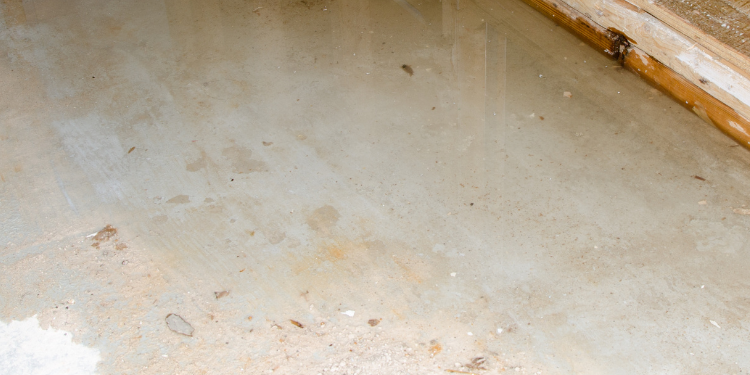
If there are signs of hidden leaks or damp concrete, a concrete slab leak specialist may use non-invasive tools to confirm there isn’t a deeper problem under the slab.
Step 2: Preparing the Site
- Install or upgrade the drain pan
- Add or adjust seismic straps if required
- Ensure proper combustion air and clearances
- Address any corroded piping or valves
A homeowner off Arapaho Road had a 20-year-old heater with no pan and a corroded shutoff valve. The team replaced the valve, added a code-compliant pan with a drain line, and made sure any future leaks would be directed safely outside instead of into the interior walls.
Step 3: Installing the New Unit
- Position and level the new heater
- Connect water lines (often upgrading to flex lines or new copper)
- Run and secure gas line or electrical connections
- Install venting or flue pipe to manufacturer specs
For tankless units, the process also includes:
- Mounting the unit on a wall
- Running condensate lines (for high-efficiency models)
- Potentially upsizing gas lines for higher BTU demand
Step 4: Testing and Commissioning
- Fill the tank and purge air from lines
- Check for leaks at all connections
- Test gas pressure and combustion (for gas units)
- Verify temperature settings and safety devices
A thorough job may also include checking nearby drains for proper function, especially if your water heater is in an attic or closet. If there are slow drains or backups, a quick drain cleaning and jetting service can prevent future overflows or water damage.
CALLOUT: A true pro doesn’t just “swap the tank.” They evaluate the entire system around it for safety and reliability.
Preventing Leaks and Damage: Protecting Your Home and Foundation
In Richardson, water damage from failed water heaters is more common than most homeowners realize. When a tank fails, it often fails fast—and if it’s in the attic or on a platform over finished space, the results can be expensive.
Common Leak Risks Around Water Heaters
- Corroded tank bottoms
- Failing T&P (temperature and pressure) valves
- Rusted or poorly installed drain pans
- Old flex lines or shutoff valves
A couple in a Richardson Heights bungalow woke up to water dripping from a light fixture. Their attic water heater’s tank had ruptured overnight. By the time they called for help, water had migrated down into walls and onto hardwood floors. Along with replacing the heater, technicians used non invasive leak detection services to ensure there were no additional plumbing leaks contributing to the damage.
Slab Leaks and Water Heater Issues
Not all leaks start at the heater itself. Sometimes, increased pressure or corrosion from an aging system can contribute to slab leaks in older Richardson homes.
A homeowner near Yale Park noticed a warm spot on their tile floor and a higher water bill. Initial suspicion fell on the water heater, but a slab leak detection and repair specialist used acoustic and thermal imaging tools to pinpoint a hot water line leak under the slab, several feet from the heater. Addressing the hidden leak and replacing the aging heater together prevented future foundation damage.
“Whenever we see unusual hot spots on floors, unexplained water usage, or low hot water pressure, we immediately think about hidden leaks—not just the heater.” — Casto Leak Detection Specialist
Prevention Strategies
- Replace aging heaters before they fail (especially 10+ year-old tanks)
- Install high-quality drain pans with proper drainage
- Add leak detection alarms in attics and closets
- Schedule periodic inspections for older systems
If your home has a history of leaks or foundation movement, working with a foundation slab leak repair company that also understands water heater systems provides a more comprehensive solution.
CALLOUT: A few preventative upgrades during installation can save you thousands in water and foundation repairs later.
Repair vs. Replacement: Making the Right Call (and What It Costs Locally)
Not every water heater problem means you need a new unit. In many cases, a skilled technician can extend the life of your system with targeted repairs. The key is knowing when repair makes sense—and when replacement is the smarter choice.
When Repair Makes Sense
- Unit is under 8–10 years old
- Issue is limited to components (thermostat, igniter, gas valve, elements)
- Tank itself is not leaking
Typical water heater repair services in Richardson include:
- Replacing thermostats or heating elements (electric units)
- Fixing pilot lights and ignition systems (gas units)
- Addressing minor leaks at fittings or valves
- Flushing sediment to restore performance
A family near Cottonwood Park noticed their gas water heater wasn’t staying lit. Instead of pushing a full replacement, a gas water heater repair technician diagnosed a faulty thermocouple and dirty burner assembly. A same-day repair restored hot water at a fraction of replacement cost.
When Replacement is the Better Option
- Tank is leaking or heavily corroded
- Unit is 10–12+ years old
- Frequent breakdowns or rising energy bills
- System no longer meets your household’s needs
A homeowner in southwest Richardson had called for emergency water heater repair twice in six months. At 14 years old, the unit was near the end of its life, and parts were becoming harder to source. After reviewing costs and risks, they chose a full replacement with a more efficient model.
Typical Costs: Repair vs. Replacement (Local Overview)
| Service Type | Typical Scenario | Relative Cost (Richardson) |
|---|---|---|
| Minor repair (valves, igniters) | Unit under 10 years, no tank damage | $ |
| Major repair (gas valve, elements) | Unit in generally good shape | $$ |
| Tank replacement (standard) | Aging/leaking tank, like-for-like swap | $$$ |
| Tankless conversion | Upgrade + gas/venting changes | $$$$–$$$$$ |
CALLOUT: A trustworthy residential plumbing company will walk you through both options, not just push a replacement.
What This Means for Businesses in Richardson, TX
While this guide focuses on homes, every point applies to small businesses, offices, and commercial spaces in Richardson that rely on consistent hot water—restaurants, salons, medical offices, and more.
For businesses, hot water is more than comfort; it’s compliance, sanitation, and customer satisfaction. A hair salon off Central Expressway can’t afford cold water in the middle of a Saturday rush. A dental office near CityLine needs reliable hot water for sterilization and cleaning. That’s where professional planning and installation make a real difference.
Why It’s Especially Critical for Local Businesses
- Downtime is expensive. A failed water heater can shut down operations, cancel appointments, or violate health codes.
- Usage patterns are different. Businesses often have concentrated peak demand—morning open, lunch rush, or end-of-day cleaning—requiring careful sizing and often favoring tankless systems.
- Code and inspection requirements are stricter. Commercial spaces in Richardson must meet more stringent plumbing and safety standards, with regular inspections.
Working with a professional plumbing contractor who understands both residential and light commercial systems ensures:
- Proper sizing for your specific business model
- Thoughtful placement that doesn’t interfere with operations
- Integration with existing drains and fixtures, often alongside fixture repair and installation
- Preventative strategies to avoid emergency shutdowns
In addition, leak risks can be even more damaging in commercial spaces. A failed heater over a retail area at a Richardson shopping center can damage inventory and require costly repairs. Partnering with a team that also provides leak detection services and drain repair and installation gives you a single point of contact for your entire water system.
For businesses in Richardson, thoughtful water heater installation isn’t just a “nice to have”—it’s part of your risk management and customer service strategy.
Frequently Asked Questions
Q: How do I know if my water heater is installed to current Richardson code?
A: If your water heater was installed more than 10–15 years ago, there’s a good chance current code has changed. Signs of an outdated install include missing drain pans, improperly routed T&P discharge lines, flexible vent pipe on gas units, or no seismic strapping where required. The safest approach is to have a local licensed plumber perform a code and safety inspection. They’ll check venting, gas line sizing, combustion air, and drainage, and can tell you whether your system would pass a city inspection or might pose a safety risk.
Q: My water heater is in the attic. Is that safe, or should I move it?
A: Attic installations are common in Richardson, but they come with higher risk if not done correctly. Key protections include a high-quality, properly sized drain pan, a dedicated drain line to the exterior, a working shutoff valve, and, ideally, leak detection alarms. If your attic heater is older or lacks these protections, talk with a water leak detection specialist about your options. In some remodels, homeowners choose to relocate the heater to a garage or closet, but that typically requires more extensive plumbing changes.
Q: How long does a typical water heater installation take?
A: For a straightforward tank-for-tank replacement in Richardson, most installs can be completed in 3–5 hours, including removal of the old unit, installation of the new one, and testing. More complex projects—such as tankless water heater installation, relocating the heater, or upgrading gas lines and venting—can take most of the day. If your installer also discovers related issues such as corroded shutoff valves, failing drains, or signs of slab leaks, they may recommend addressing those during the same visit to avoid future problems.
Q: What are the warning signs that my water heater needs replacement, not just repair?
A: Age is the first indicator—most tank units in North Texas should be evaluated for replacement around the 10–12 year mark. Other red flags include rusty or discolored hot water, rumbling or popping sounds from sediment buildup, visible corrosion on the tank, or water pooling around the base. If the tank itself is leaking, no repair will fix it; that’s a clear signal for residential water heater replacement. A trusted same day water heater repair service can inspect the unit and give you honest options.
Q: Can a bad water heater cause a slab leak in my Richardson home?
A: While a failing water heater doesn’t directly “cause” a slab leak, the same conditions that wear out a heater—age, high pressure, hard water—also stress your hot water lines under the slab. In some cases, homeowners notice low hot water pressure, warm spots on floors, or higher water bills and assume it’s only a heater problem. A qualified team may combine water heater inspection with slab leak repair services to make sure there isn’t an underground leak contributing to the issue. Addressing both the heater and any hidden leaks protects your foundation and plumbing system.
Q: How often should I service my water heater to extend its life?
A: For most Richardson homes, an annual checkup is a smart investment—especially if you have hard water. A typical service visit may include flushing sediment from the tank, inspecting and testing the T&P valve, checking the anode rod, and verifying gas or electrical connections. For tankless units, descaling and cleaning the heat exchanger is critical. Working with a professional plumbing contractor who offers ongoing maintenance can add years to your system’s life and reduce the likelihood of sudden failures or leaks.
Q: What should I do if my water heater suddenly starts leaking or fails completely?
A: First, turn off the water supply to the heater using the shutoff valve on the cold water line. If you have a gas unit, shut off the gas at the valve nearby. For electric units, switch off the breaker in your panel. Then call a company that provides emergency plumbing services and emergency water heater repair. If water is spreading quickly, move valuables out of harm’s way and, if safe, use towels or a wet vac to contain it. A team experienced in plumbing leak detection and repair can assess whether the problem is limited to the heater or if there’s additional damage.
Ready to Get Started?
North Texas weather and water conditions are tough on water heaters. Waiting until yours fails can mean cold showers, water damage, and rushed decisions. Planning ahead—especially if your unit is over 10 years old—gives you time to choose the right system, avoid emergency premiums, and protect your home or business.
If you’re in Richardson or the surrounding area, now is an ideal time to schedule an evaluation. A licensed technician can inspect your current setup, discuss tank vs. tankless options, check for any signs of leaks or code issues, and provide clear, upfront pricing. Whether you need a simple replacement, a tankless upgrade, or help tracking down a hidden leak, having a trusted partner on call makes all the difference.
Casto Leak Detection offers comprehensive plumbing services, from water heater installation services to drain repair and installation and advanced leak detection services. Schedule a visit, get your questions answered, and enjoy the peace of mind that comes with a safe, efficient hot water system.
About Casto Leak Detection
Casto Leak Detection is a locally trusted plumbing and leak detection company based in Richardson, TX. With years of experience in residential plumbing company services, slab leak diagnostics, and water heater installation, the team combines advanced technology with hands-on expertise to protect homes and businesses across North Texas. From emergency slab leak repair to toilet repair and installation, Casto focuses on accurate diagnosis, honest recommendations, and quality workmanship on every job.