Effective Leak Detection Techniques for Homeowners
On a hot August afternoon in Richardson, a homeowner notices a slightly warm spot on the tile floor near the kitchen. No visible water. No dripping sounds. Just a higher water bill in the mail and that one strange patch of flooring. Two weeks later, the “mystery” turns into buckled floors and a crack along the wall: a hidden slab leak that’s been slowly washing out the soil beneath the foundation.
Most water leaks in North Texas don’t start as disasters. They start as small, quiet problems that go unnoticed—especially when they’re under a concrete slab, in a wall, or running under your yard. With our clay soils, extreme temperature swings, and aging infrastructure, Richardson and the surrounding area see more than their share of hidden leaks.
This guide walks you through effective leak detection techniques you can use at home, where those techniques stop being DIY and become a job for a water leak detection specialist, and how modern, non-invasive methods can protect your home, your wallet, and your foundation.
Key Insight: Catching leaks early is less about luck and more about knowing what to look for—and who to call—before minor moisture turns into major structural damage.
Reading the Early Warning Signs Before Damage Spreads
Most homeowners don’t see a pipe spraying water; they see the symptoms. Learning to spot these early signs is your first line of defense.
Common indicators of a hidden leak include:
- Unexplained spikes in your water bill
- The sound of running water when all fixtures are off
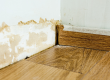
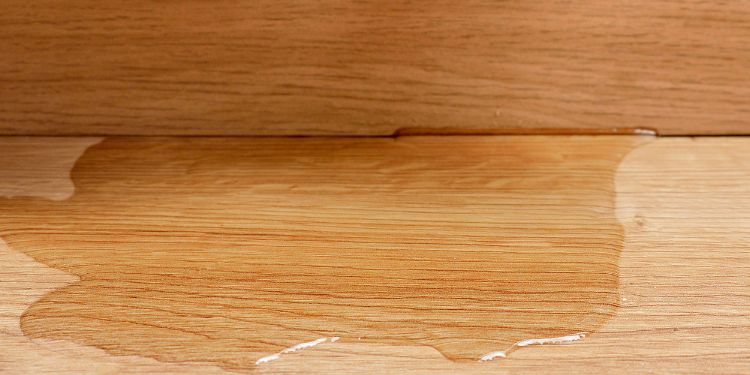
- Warm or damp spots on floors or carpet
- Musty odors, especially in closets or along baseboards
- Cracks appearing in walls, ceilings, or tile
- Areas of your yard that stay soggy or greener than the rest
In Richardson, one family in a 1970s ranch home called about a “ghost” water usage issue. Their bill had doubled, but they saw no visible water. A simple meter test revealed the culprit: the meter dial moved even with every faucet and appliance off. That was the clue they needed to call a plumbing leak detection and repair specialist before the problem escalated.
How to do a quick home leak check:
- Turn off all water-using appliances and fixtures.
- Locate your water meter (usually near the street).
- Check if the small leak indicator dial is spinning.
- If it is, you likely have a hidden leak somewhere in the system.
“Water that you can’t see is often the most destructive. The earlier we’re called, the more we can do without opening walls or floors.” — Casto Leak Detection Technician
CALLOUT: If your meter is moving with everything shut off, that’s your signal to stop guessing and bring in a local licensed plumber to pinpoint the source.
Modern Tools vs. Old-School Guesswork: How Pros Find Hidden Leaks
Not long ago, leak detection often meant tearing open walls or jackhammering concrete based on “best guesses.” Today, modern water sewer gas diagnostics technology has changed the game, especially for North Texas homes built on slabs.
Common professional leak detection tools include:
- Acoustic listening equipment – Sensitive microphones detect the sound of water escaping under concrete, in walls, or underground.
- Thermal imaging cameras – Show temperature differences that reveal hot water leaks behind walls or under floors.
- Electronic line tracing – Locates the exact path of underground or in-slab piping.
- Pressure testing – Confirms which section of the system is leaking (domestic water, irrigation, or sewer).
In a Richardson home near US-75, a family noticed a warm hallway floor but no visible puddling. Using acoustic equipment and thermal imaging, a technician located a hot-water slab leak within a few inches—without breaking multiple holes in the slab. Only one access opening was needed to repair the pipe, saving the homeowner thousands in restoration costs.
Here’s how traditional “search and destroy” compares to modern non-invasive methods:
| Approach | Traditional Guesswork | Modern Non-Invasive Detection |
|---|---|---|
| Method | Multiple holes, trial-and-error | Acoustic, thermal, electronic line locating |
| Damage to Home | High – opened walls/floors in several areas | Minimal – 1 targeted access point in most cases |
| Time to Locate Leak | Hours to days | Often under 2 hours |
| Typical Cost Range (Richardson) | Higher due to demo and repairs | Lower overall, even with advanced equipment |
| Accuracy | Moderate – based on experience and luck | High – pinpoints leak within inches |
CALLOUT: Advanced, non invasive leak detection services don’t just save you stress—they reduce demolition, speed up repairs, and preserve more of your home.
Slab Leaks: Why Richardson Homes Are Especially Vulnerable
If your home in Richardson sits on a concrete slab (and most do), slab leaks are one of the most serious threats you face. A slab leak occurs when a water line running under or through the concrete foundation develops a break, pinhole, or crack.
Why they’re so common here:
- Expansive clay soils – Our soil swells when wet and shrinks when dry, putting stress on buried pipes.
- Aging copper or galvanized lines – Many 1960s–1980s homes have original piping that’s now decades old.
- High water pressure – Some neighborhoods see consistently high pressure, increasing wear on pipes.
Typical slab leak warning signs:
- Warm or damp spots on tile or hardwood
- Cracks in walls, ceilings, or the slab itself
- Sounds of running water with everything off
- Mildew or musty smells near baseboards
- Higher water bills without visible leaks
One homeowner off Campbell Road noticed a persistent warm area near their dining room. They ignored it for months until their wood flooring cupped and a crack appeared across the ceiling. By the time a concrete slab leak specialist inspected the home, water had been eroding soil under the slab for weeks.
Slab leak repair options often include:
- Direct spot repair – Opening the slab at the leak and repairing that section.
- Rerouting – Running new lines through walls/attic to bypass problem areas.
- Repiping – Replacing older systems with more durable materials if leaks are recurring.
“With slab leaks, speed matters. The longer water runs under your foundation, the greater the risk of settlement and structural damage.” — Casto Leak Detection Slab Specialist
CALLOUT: A dedicated foundation slab leak repair company can often locate and plan repairs in a single visit, reducing both disruption and long-term risk.
Drain, Sewer, and Gas Leaks: The Hidden Hazards Beneath Your Feet
Not every leak involves fresh water. Drain, sewer, and gas leaks bring their own health and safety concerns—and they’re just as common in Richardson’s older neighborhoods as water leaks.
Drain and sewer leaks
Signs of trouble include:
- Frequent clogs or slow drains throughout the house
- Gurgling sounds in toilets or tubs
- Sewage odors in the yard or near cleanouts
- Unusually lush patches of grass above buried lines
A family in southwest Richardson kept battling a “mystery clog” in their main line. A camera inspection revealed a cracked clay sewer pipe under the front yard, with roots invading the line. Targeted drain repair installation and drain cleaning jetting restored flow and stopped sewage from seeping into the soil.
Gas leaks
Gas leaks are more urgent and dangerous. Warning signs:
- Sulfur or “rotten egg” smell
- Hissing sounds near gas lines or appliances
- Dying vegetation in a line pattern across the yard
- Unexplained headaches or dizziness indoors
In these cases, you don’t troubleshoot—you evacuate and call the gas company and emergency plumbing services immediately.
Here’s a quick comparison of these leak types:
| Type of Leak | Main Risks | Typical Signs | Who to Call First |
|---|---|---|---|
| Water (pressurized) | Structural damage, mold, high bills | Warm spots, high bill, running water sound | Leak detection services |
| Drain/Sewer | Health hazards, property damage | Odors, backups, soggy yard | Professional plumbing contractor |
| Gas | Fire, explosion, health risks | Smell, hissing, dead vegetation | Gas company + local licensed plumber |
CALLOUT: For non-emergency sewer and drain issues, a residential plumbing company with camera inspection and jetting equipment can often diagnose and fix the problem in a single visit.
Water Heaters and Fixtures: Small Leaks, Big Consequences
Not all leaks are underground. Some of the most damaging ones start right in front of you—around fixtures and water heaters—then slowly soak into floors and walls.
Water heater leaks
Common sources:
- Corroded tank (especially in older units)
- Loose or failing connections
- Leaking temperature and pressure (T&P) relief valve
- Internal failures in tankless units
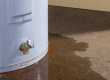
A Richardson homeowner with a 15-year-old gas water heater noticed a small puddle under the tank. They put a towel down and “kept an eye on it” for a month. By the time they called for water heater repair services, the subfloor and adjacent wall framing were saturated and mold had begun to form.
In many cases, it’s more cost-effective to opt for residential water heater replacement instead of repairing an aging, inefficient unit. Upgrading to a modern system—whether a standard tank or tankless water heater installation—can reduce future leak risk and energy costs.
Fixtures and toilets
Slow leaks at:
- Faucet bases
- Under-sink connections
- Shower valves
- Toilet supply lines and seals
can waste water and cause hidden damage in cabinets and subfloors.
One family in Richardson discovered a decades-old toilet leak only when the bathroom tile started moving underfoot. The wax ring had failed long ago, and water had been seeping into the subfloor. A straightforward toilet repair installation plus subfloor repair solved the issue, but it could have been caught earlier.
“Most fixture leaks start small and stay small for a while. The problem is that they’re often out of sight, so homeowners don’t notice the damage until it’s extensive.” — Casto Leak Detection Plumber
CALLOUT: Regular inspections and timely fixture repair installation can prevent many of the slow, hidden leaks that insurance often doesn’t fully cover.
DIY vs. Professional Help: Knowing Where to Draw the Line
There’s a lot you can do as a homeowner to monitor for leaks. But there’s also a point where continued DIY “investigation” can make things worse or delay critical repairs.
Smart DIY steps
- Monitor your water bill for unusual spikes.
- Perform the meter test a few times a year.
- Inspect visible plumbing under sinks, at hoses, and around water heaters.
- Listen and look: nighttime is best for hearing subtle running water.
These habits cost nothing and can catch issues early.