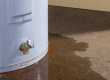
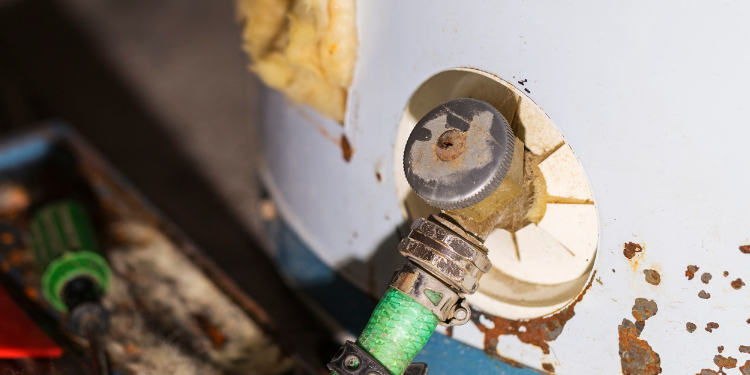
The first sign was a lukewarm shower on a chilly North Texas morning. Then came the rattling noises from the garage, followed by a faint metallic smell. By the time the homeowner in Richardson, TX, walked out to investigate, there was a small puddle creeping across the floor from the base of the water heater. In that moment, the question wasn’t just “Do I need a new water heater?” but “How do I make sure the next one is installed the right way so this doesn’t happen again?”
Water heater installation isn’t just about swapping an old tank for a new one. It’s a combination of sizing, safety, plumbing layout, gas or electrical requirements, drainage, and leak prevention. When any of these pieces are overlooked, you can end up with higher energy bills, recurring leaks, or even dangerous conditions. That’s why homeowners in Richardson turn to specialists like Casto Leak Detection, who understand both the equipment and the hidden risks inside the plumbing system. Getting the installation right the first time can add years to your heater’s lifespan and protect your home from water damage.
Before you sign off on a new unit or let anyone start cutting pipes, it helps to understand the key decisions that shape a proper installation. From choosing the right type of heater for your family’s usage to planning for future repairs and leak detection, these considerations will determine how dependable, safe, and efficient your hot water system will be in the long run.
Choosing The Right System
The first major decision in water heater installation is what kind of system you actually need. Many Richardson homes still rely on traditional tank-style heaters, which store and heat a large volume of water continuously. These can be a good fit for families with predictable hot water usage and enough space in a garage or utility closet. However, even within standard tanks, there are variations in capacity, recovery rate, and energy efficiency ratings that will influence how well the unit serves your household. An undersized tank will leave you with cold showers, while an oversized one can waste energy every hour of the day.
Tankless, or on-demand, water heaters have become increasingly popular, especially in areas like Richardson where homeowners may be remodeling older homes and looking to free up space. Instead of keeping water hot around the clock, tankless units heat water only when you turn on a tap. That can mean lower energy usage, but it also requires careful planning of gas line size, venting, and flow rates. Installing a tankless heater without properly matching it to your home’s plumbing layout can lead to inconsistent temperatures and frustrating delays in getting hot water to distant fixtures.
Fuel source is another critical factor. In Richardson, TX, many homes have natural gas service, which is often preferred for its fast heating and lower operating cost compared to electricity. However, electric water heaters may be the only option in some properties or may make sense when paired with solar or other energy-saving strategies. Each fuel type has different installation requirements: gas needs proper combustion air, venting, and gas line sizing; electric requires sufficient panel capacity and correct wiring. A knowledgeable installer like Casto Leak Detection can evaluate your existing utilities and recommend a system that fits your infrastructure instead of forcing the house to fit the heater.
Finally, consider the long-term direction of your home. Are you planning to add a bathroom, convert a garage, or install a larger soaking tub? If so, installing a water heater that barely meets today’s needs may quickly become inadequate. A thoughtful installer will ask about future plans and size the system with a margin of safety, avoiding the cost and hassle of another upgrade in just a few years.
Location, Space, And Code Requirements
Where the water heater goes is just as important as which one you choose. In many Richardson homes, the unit sits in a garage, attic, or interior utility closet. Each of these locations has different code requirements and practical considerations. For example, a water heater in the attic needs a properly constructed drain pan, a dedicated drain line, and reliable access for maintenance. If any of those are missing, a small leak can quickly become a major ceiling collapse. In a garage, the heater may need to be elevated to reduce ignition risk and protected from vehicle impact.
Clearance space is another key detail. Water heaters need room around them for airflow, combustion, and safe servicing. Crowding a new unit into a tight corner or surrounding it with stored items can create fire hazards and make future repairs more expensive and time-consuming. Professional installers will measure the space, check for required clearances, and sometimes recommend relocating the unit if the current spot is unsafe or non-compliant with local codes in Richardson.
Building codes also dictate specific safety features. In North Texas, that often includes seismic strapping in certain installations, temperature and pressure relief (T&P) valves correctly piped to a safe discharge location, and, for gas heaters, proper venting to the exterior. A sloppy installation that ignores these rules may look fine on the surface but can cause serious problems during an inspection, a home sale, or an insurance claim. Casto Leak Detection’s experience with local requirements helps ensure that the heater isn’t just functioning, but actually meets the standards that protect you legally and physically.
Access for future service is a detail many homeowners overlook. A water heater that is boxed in behind framing, built-ins, or tight mechanical spaces may be nearly impossible to replace without cutting walls or ceilings. Thoughtful planning at installation time can preserve access panels, leave room for tools, and route plumbing in a way that minimizes demolition the next time the unit needs to be serviced or swapped out.
Plumbing Connections And Leak Prevention
Every water heater installation is essentially a major plumbing project, and water is relentless when it finds a weak point. The way the cold and hot lines are connected, the materials used, and the supports provided all influence whether those joints will stay dry over the long term. In older Richardson homes, you might find a mix of copper, galvanized steel, and newer PEX lines. Transitioning between these materials must be done with the right fittings and corrosion-resistant connectors, or slow leaks and pinhole failures can develop years down the line.
Shutoff valves are another critical component. A proper installation will include a reliable cold-water shutoff accessible near the heater, and in many cases, additional isolation valves that allow for easier maintenance or future replacement. If these are missing or installed in awkward locations, even a simple repair can turn into a whole-house water shutdown. Casto Leak Detection often encounters installations where the lack of thoughtful valve placement has made leak diagnostics and repairs far more disruptive than they needed to be.
Drainage planning is central to leak prevention. A correctly sized drain pan under the heater, a dedicated drain line to an appropriate termination point, and, when needed, a drain for the T&P valve discharge are all part of a safe setup. If the drain line is undersized, clogged, or routed incorrectly, water can back up and overflow into living spaces. In multi-story homes around Richardson, this is especially important, as an attic or second-floor water heater failure can affect multiple rooms below. Professional installers will test these drains during installation rather than assuming they work.
Beyond the visible plumbing, a leak detection expert looks at how the system behaves under pressure. If the home’s water pressure is too high, it can stress the water heater and connected piping. Installing a pressure-reducing valve or expansion tank where appropriate can relieve that stress and prevent premature failure. This is where the expertise of a diagnostic-focused company like Casto Leak Detection becomes invaluable: they think not just about today’s installation, but how the system will respond to years of daily use.
Gas, Venting, And Electrical Safety
For gas water heaters, safety starts with the gas line itself. The line must be properly sized to supply enough fuel to the heater without starving other appliances like furnaces or cooktops. Undersized or poorly routed gas lines can lead to weak burner performance or, in the worst case, dangerous pressure issues. Connections should be tight, tested for leaks, and clearly accessible. In Richardson, where many homes were built decades ago, upgrading an aging gas line is often part of a responsible water heater installation.
Venting is equally crucial. Combustion produces exhaust gases that must be safely carried outside the home. The vent material, slope, and termination point all need to comply with manufacturer instructions and local codes. Improperly vented water heaters can allow carbon monoxide to accumulate indoors, which is both odorless and deadly. Installers must consider roof penetrations, proximity to windows, and potential backdraft conditions. In some cases, switching to a power-vent or direct-vent system is the safest option, especially in tightly sealed modern homes.
Electric water heaters come with their own set of requirements. The electrical panel must have enough capacity to handle the new load, and the circuit must be correctly sized and protected. Undersized wiring or improper breakers can overheat, posing a fire risk. Grounding and bonding are also important; they help ensure that any fault current is safely directed away from people and sensitive equipment. A professional installer will verify these details rather than simply assuming that whatever wiring is already present is sufficient.
Safety devices should never be treated as optional add-ons. Carbon monoxide detectors near gas appliances, proper labeling of shutoff switches and breakers, and clear access to emergency controls all contribute to a safer home. When a company like Casto Leak Detection installs or coordinates a water heater installation, they look at the whole environment: gas, vent, and electrical systems working together, not just the tank or unit itself.
Efficiency, Maintenance, And Long-Term Costs
The sticker price of a new water heater is only part of the story. How efficiently it operates and how often it needs repairs will determine the true cost over its lifetime. Choosing a unit with a higher energy factor (EF) or uniform energy factor (UEF) can save money month after month, especially in a climate like Richardson’s where water heaters work year-round. Insulation quality, burner design, and control technology all influence how much energy is wasted between heating cycles.
Installation details also affect efficiency. Properly sized hot and cold pipes, insulated lines in unconditioned spaces, and minimizing long, convoluted runs to distant fixtures can all reduce heat loss. For tankless systems, correct sizing and placement help avoid the “cold sandwich” effect where hot and cold slugs alternate at the tap. A thoughtful installer will consider how quickly hot water reaches your most-used fixtures and whether simple layout changes can improve comfort and reduce waste.
Maintenance access is another long-term cost factor. If the heater is installed in a way that makes it difficult to drain, flush, or replace anode rods, those tasks are less likely to be done regularly. Sediment buildup is a major cause of early failure in tank-style heaters, especially in areas with harder water. Making it easy for a technician to service the unit means you are more likely to get a full lifespan from it. Casto Leak Detection’s familiarity with common failure points helps them position valves, drains, and access points where they are actually usable.
Finally, think about how the installation supports future diagnostics. Clear labeling of pipes, valves, and shutoffs, sensible routing of lines, and adherence to best practices make it much easier to find and fix problems later. In an emergency, you do not want to be guessing which valve controls what or where a hidden line might be leaking. A carefully planned installation sets you up not just for efficient daily operation, but for faster, less invasive repairs if something ever goes wrong.
Why Work With Leak Detection Specialists
Most homeowners think of water heater installation as a job for a general plumber, and that is often true. But involving a leak detection specialist like Casto Leak Detection in Richardson, TX, adds an extra layer of protection. Their core expertise is finding where water, sewer, or gas systems are vulnerable, and that perspective is invaluable when installing a new major appliance. Instead of focusing solely on making the new heater work today, they pay attention to how the whole system might fail tomorrow.
For example, during a replacement, a leak detection expert will often spot early signs of trouble in nearby lines: corrosion at joints, subtle slab leaks, or poorly supported pipes that could crack over time. Addressing these at the moment of installation, when the area is already open and accessible, can prevent future emergencies. They can also advise on the optimal placement of shutoff valves and drains so that potential leaks are easier to control and less damaging.
Another advantage is their familiarity with diagnostic technology. Tools such as acoustic leak detectors, thermal imaging, and line tracing equipment allow them to verify connections and identify weak points more precisely than a basic visual inspection. This can be especially useful in older Richardson homes, where previous modifications may not have been done to current standards. By pairing installation with advanced diagnostics, Casto Leak Detection helps ensure that the new water heater is integrated into a sound, reliable system.
When needed, they can also coordinate with a licensed Plumber to handle any additional work uncovered during inspection. That collaboration streamlines the process for the homeowner: instead of juggling multiple contractors, you have a team that understands both the installation and the underlying infrastructure. The result is a water heater that is not only properly installed, but also supported by a plumbing system that has been carefully evaluated and tuned for safety and performance.
Frequently Asked Questions
How do I know what size water heater I need? Sizing depends on how many people live in your home, how many bathrooms you have, and how you use hot water. A family that runs multiple showers, laundry, and a dishwasher at the same time needs more capacity than a couple with modest usage. For tank-style heaters, professionals look at peak demand and first-hour rating; for tankless units, they calculate flow rates and temperature rise. In Richardson, TX, Casto Leak Detection can evaluate your fixtures and habits to recommend a size that meets your needs without wasting energy.
How long does a typical water heater installation take? Most straightforward replacements can be completed in a few hours, often within half a day. However, if the installation involves relocating the heater, upgrading gas or electrical lines, adding proper drain pans and lines, or bringing an older setup up to current code, it can take longer. Leak detection specialists may also spend additional time inspecting nearby plumbing to catch potential issues early. While this adds some time upfront, it helps avoid repeat visits and unexpected problems later.
Do I really need a drain pan and drain line under my water heater? In most cases, yes, especially if your water heater is located in an attic, closet, or any space above finished areas. A drain pan with a properly routed drain line provides a critical layer of protection if the tank leaks or overflows. Without it, even a slow leak can damage flooring, walls, and ceilings before you notice. In Richardson homes, where attic installations are common, this feature is not just a convenience but a major safeguard against expensive water damage.
What are the signs that my current water heater was installed incorrectly? Warning signs include inconsistent water temperature, frequent pilot light issues, visible corrosion at connections, water pooling around the base, loud banging or popping noises, or exhaust odors near gas units. You might also notice that there is no visible T&P valve discharge line, no drain pan, or inadequate clearance around the heater. If you see any of these, it is wise to have a professional like Casto Leak Detection inspect the installation to determine whether corrections are needed for safety and performance.
How can I extend the life of my new water heater after installation? Regular maintenance makes a substantial difference. Flushing the tank annually to remove sediment, checking and replacing the anode rod as needed, testing the T&P valve, and inspecting connections for early signs of leaks can all add years to the unit’s lifespan. Keeping the area around the heater clear, monitoring for unusual noises or smells, and maintaining proper water pressure also help. Partnering with a company experienced in both installation and leak detection ensures that small issues are identified and addressed before they turn into major failures.