How much water could be silently escaping from your pipes right now without you seeing a single drop? Hidden leaks rarely announce themselves with dramatic floods; instead, they creep along behind walls, under slabs, and beneath foundations, slowly damaging structures and driving water bills higher. This is where professional plumbers step into a critical role: they are not just the people who fix obvious drips, but the trained specialists who track down the leaks you cannot see, interpret what they mean, and stop them before they become a crisis.
In a place like Richardson, TX, where homes range from older slab-on-grade houses to newer builds with complex plumbing layouts, leak detection is both an art and a science. A plumber who focuses on leak detection, like the team at Casto Leak Detection, combines technical tools with hands-on experience to locate problems that would be nearly impossible for a homeowner to pinpoint alone. Their work protects foundations, preserves indoor air quality, and even safeguards the safety of drinking water. Understanding their role in leak detection can help you know when to call for help and what to expect when a specialist arrives.
Far beyond tightening a loose fitting or replacing a worn-out faucet, leak detection plumbers act as investigators. They listen, test, measure, and map out your plumbing system to find the exact source of water loss. Each step they take is designed to answer a core question: where is the leak, how serious is it, and what is the least invasive way to repair it? That investigative mindset is what transforms a vague symptom—like a high water bill or a warm spot on the floor—into a clear diagnosis and an effective solution.
Why Leaks Are So Difficult
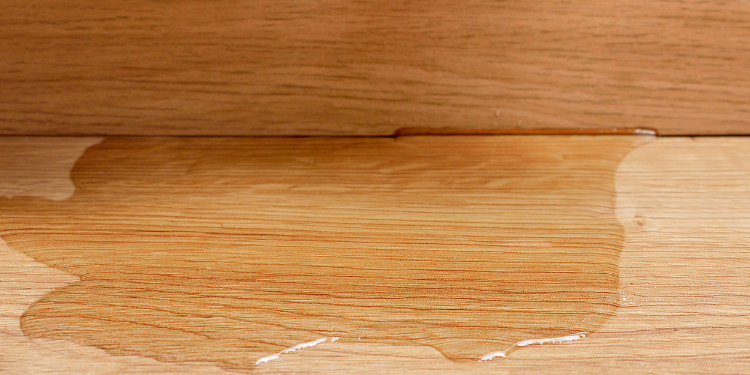
Many homeowners assume that if there is a leak, they will see water on the floor or notice obvious damage. In reality, the most dangerous leaks are often completely hidden. In Richardson, TX, many homes are built on concrete slabs, which means the water lines can run underneath the slab where you cannot see or access them. A small pinhole leak in a pressurized line under the slab may not show up as standing water indoors, but it can wash away soil, weaken the foundation, and cause floors to shift over time.
Another reason leaks are difficult to detect is the way water travels. It rarely appears directly beneath the source of the leak. It can run along framing, follow the path of least resistance, and emerge in a completely different area. That’s why a spot on the ceiling might not be directly under the leaking pipe, and a damp wall may not contain the actual break. Plumbers trained in leak detection understand how water behaves inside structures and use that knowledge to interpret clues that might seem confusing to a homeowner.
Modern plumbing systems are also more complex than many people realize. Between supply lines, drain lines, irrigation systems, and appliances, there are multiple potential leak points. Each type of leak behaves differently. A slow drain leak might create mold and odors, while a pressurized line leak can erode soil or cause a sudden spike in water usage. Casto Leak Detection’s plumbers learn to differentiate between these scenarios by listening to symptoms, asking detailed questions, and methodically testing different segments of the system.
Finally, environmental conditions in North Texas add another layer of complexity. Shifting clay soils, temperature swings, and aging infrastructure can all contribute to pipe movement and stress. A pipe that looks fine from the outside may have tiny internal fractures or corrosion that only a skilled plumber can identify through pressure testing or other diagnostic methods. All of this makes leak detection a task that demands both specialized skills and the right equipment.
The Plumber As Investigator
When a plumber from Casto Leak Detection arrives for a suspected leak in Richardson, they don’t immediately start tearing into walls or concrete. Instead, they approach your home like a detective arriving at a scene, gathering information before acting. They start with a detailed conversation: When did you first notice the problem? Have your water bills changed? Are there any odd noises, odors, or temperature variations? These questions help build a picture of the possible leak source and narrow down the starting point for testing.
Next comes a careful visual and sensory inspection. Experienced plumbers pay attention to details that most people overlook: faint discoloration on walls, slight buckling in baseboards, hairline cracks in tile, or unusual warmth in a section of floor. They also listen. A trained ear can sometimes detect the subtle hiss of water escaping under pressure or the faint sound of dripping inside a wall cavity. These initial observations help them decide which tools and tests will be most effective.
Plumbers then move into systematic testing. They may isolate different parts of the plumbing system to see where pressure drops occur, indicating a leak. For example, they may test the main supply line separately from branch lines or check whether the irrigation system is contributing to the issue. This structured approach prevents guesswork and reduces the risk of unnecessary demolition. Each test result refines their understanding of the problem, leading them closer to the exact location and nature of the leak.
Throughout this process, communication is a key part of the plumber’s investigative role. A good leak detection specialist explains what they are doing and why, translating technical findings into clear, practical information. For homeowners in Richardson, that means you are not left wondering what is happening under your floors or behind your walls. Instead, you gain a clear explanation of the situation, possible repair options, and what each option means for your home and budget.
Tools That Make Detection Precise
While experience and observation are essential, modern leak detection would not be nearly as accurate without specialized tools. One of the most common technologies used by plumbers is electronic listening equipment. These sensitive devices amplify the sound of water escaping from pressurized lines, even when the leak is buried under a slab or behind thick walls. By moving the listening device across different areas and comparing sound intensity, plumbers can pinpoint the leak’s location with impressive accuracy.
Thermal imaging cameras are another powerful tool in the leak detection toolkit. These cameras do not see water directly; instead, they detect temperature differences in surfaces. A hidden hot water leak, for example, may show up as a warmer area on a slab or wall compared to surrounding surfaces. In a Richardson home with a suspected hot water slab leak, a thermal camera can quickly confirm whether heat patterns line up with the plumbing layout, guiding the plumber to the most likely trouble spot.
Pressure testing and line tracing are also vital. Plumbers can pressurize specific sections of the plumbing system with air or water and monitor how quickly pressure drops. A rapid drop indicates a leak in that section. In some cases, non-toxic tracer gases or dyes may be introduced into the system to help locate extremely elusive leaks. Combined with acoustic and thermal tools, these methods provide multiple layers of confirmation before any repair work begins.
For slab leaks and underground issues, plumbers may also rely on specialized locating equipment that maps out where pipes run beneath concrete or soil. Knowing the exact path of the pipe allows them to correlate tool readings with the physical layout, reducing the chance of misdiagnosis. The goal is always the same: find the leak as accurately as possible with the least amount of disruption to your home or yard, then plan repairs that are targeted rather than destructive.
From Detection To Repair
Locating a leak is only the first part of the plumber’s role. Once the source is identified, the next step is determining the best repair strategy. This is where experience in both leak detection and general plumbing repair becomes critical. A seasoned plumber evaluates factors like pipe material, age of the system, accessibility, and the extent of damage before recommending a solution. In some cases, a small localized repair is sufficient; in others, a section of piping may need to be replaced to prevent future issues.
For leaks under slabs, the options can range from spot repairs to rerouting lines. A spot repair involves accessing the pipe at the exact leak location—often by opening a small section of slab—and fixing or replacing the damaged portion. This approach can be effective when the rest of the line is in good condition. However, if the line is old or shows signs of widespread deterioration, the plumber may recommend bypassing the damaged section and running new piping through more accessible areas, such as walls or ceilings, to reduce the risk of additional slab leaks.
Casto Leak Detection’s experience with Richardson homes allows them to weigh these options in a way that respects both structural integrity and homeowner budget. They understand that cutting into a slab or opening walls is disruptive, so they focus on solutions that balance long-term reliability with minimal intrusion. This is also where coordination with other services, such as Slab Leak Repair, becomes important, ensuring that detection and repair are seamlessly connected.
After repairs are completed, responsible plumbers verify that the leak has been fully resolved. They may perform follow-up pressure tests or visual inspections to ensure there are no residual issues. This final verification step is crucial; it gives homeowners confidence that the problem has been fixed correctly and that hidden damage is not continuing out of sight. The role of the plumber, in this sense, extends beyond simply patching a pipe—they are safeguarding the overall health of your plumbing system and, by extension, your home.
Preventive Value Of Professional Detection
One of the most overlooked aspects of a plumber’s role in leak detection is prevention. By catching small leaks early, they help homeowners in Richardson avoid far more serious and expensive problems. A minor leak in a supply line today can become a major structural issue if it erodes soil under a foundation or feeds mold growth inside walls. The cost of professional leak detection is often far less than the cost of repairing long-term water damage to flooring, drywall, and framing.
Regular inspections and prompt attention to warning signs are part of this preventive approach. Plumbers can perform routine checks on high-risk areas, such as older galvanized pipes, water heaters, and exterior hose bibs, to identify weak points before they fail. They may also recommend upgrades, like replacing aging lines with more durable materials or installing pressure regulators to reduce stress on the system. These proactive measures reduce the likelihood of future leaks and extend the lifespan of your plumbing.
Education is another preventive tool that plumbers provide. During a service visit, a knowledgeable leak detection specialist can point out early indicators homeowners should watch for: unexplained water bill increases, faint sounds of running water when fixtures are off, musty smells, or small cracks appearing in walls and floors. In a community like Richardson, where soil movement and temperature extremes are common, understanding these early signs can make the difference between a simple repair and a major restoration project.
Ultimately, the preventive value of leak detection lies in protecting what you cannot easily see. Pipes are hidden behind finishes and under concrete, and most homeowners only think about them when something goes wrong. Plumbers bridge that gap, using their tools and training to monitor the hidden parts of your home and keep them functioning safely. When you work with a specialized team like Casto Leak Detection, you are not just responding to leaks—you are actively reducing your risk of future emergencies.
Why Local Expertise Matters
Plumbing systems may follow general principles everywhere, but local conditions shape how they age, fail, and need to be repaired. In Richardson, TX, factors like soil type, typical construction practices, and regional water quality all influence how and where leaks tend to appear. Plumbers who work in this area every day, such as those at Casto Leak Detection, build a mental map of common problem spots and recurring patterns in local homes and commercial buildings.
For example, clay-rich soils in North Texas expand and contract with moisture changes, placing stress on buried pipes and slab foundations. A plumber familiar with these conditions understands that certain types of leaks are more likely to occur in specific parts of a home, such as around perimeter lines or near heavy plumbing loads like bathrooms and kitchens. This local insight helps them interpret test results more accurately and choose repair methods that are appropriate for the environment.
Local building codes and historical construction trends also matter. Older Richardson homes may have different pipe materials, layouts, and installation techniques than newer houses. A leak detection specialist who knows the era and style of your home can often predict where pipes run without opening walls, simply based on experience with similar structures. This reduces unnecessary exploration and allows them to move quickly to the most likely problem areas.
Finally, working with a local leak detection plumber means faster response times and more personalized service. When you call someone who regularly serves your neighborhood, you benefit from a team that understands typical water usage patterns, common municipal supply pressures, and even seasonal issues that affect plumbing performance. That combination of technical skill and local familiarity is what makes professional plumbers indispensable partners in protecting your property from hidden leaks.
Frequently Asked Questions
How do I know if I need a leak detection plumber? You should consider calling a leak detection specialist if you notice unexplained increases in your water bill, hear water running when no fixtures are on, feel warm or damp spots on floors, see cracks appearing in walls or tile, or notice musty odors that could indicate hidden moisture. In Richardson, TX, even subtle signs like a slightly humming sound near walls or a small area of lush grass in the yard can point to an underground leak. If something feels “off” with your plumbing but you cannot see a visible leak, that is exactly when a leak detection plumber is most valuable.
What makes professional leak detection different from DIY methods? While homeowners can perform simple checks—like turning off all fixtures and watching the water meter—professional leak detection goes far beyond that. Plumbers use advanced tools such as acoustic listening devices, thermal imaging cameras, pressure testing equipment, and line locators to find leaks that are completely hidden from view. More importantly, they have the training to interpret the results correctly. DIY attempts often rely on guesswork and can lead to unnecessary damage if you open walls or floors in the wrong place. A professional focuses on precision, minimizing disruption while delivering accurate results.
Will leak detection damage my home? Modern leak detection is designed to be as non-invasive as possible. Most of the work involves external testing, listening, and imaging, which do not require cutting into walls or slabs. Only after the plumber has pinpointed the likely leak location will they discuss whether any access holes are needed for repair. Even then, the goal is always to keep openings small and targeted. By using specialized equipment, plumbers like those at Casto Leak Detection can dramatically reduce the amount of exploratory demolition compared to older, more invasive methods.
How long does leak detection usually take? The time required depends on the complexity of the plumbing system and how obvious the symptoms are. Some leaks can be identified in an hour or two, especially if the signs clearly point to a specific area. More complex cases, such as multiple potential leak points or large properties with extensive piping, may take longer. In Richardson homes with slab foundations, extra care is taken to confirm findings before any repair decisions are made, which can add time but greatly improves accuracy. Your plumber should be able to give you a rough estimate after the initial assessment.
Can one small leak really cause serious damage? Yes. Even a tiny, slow leak can cause significant problems over time if it goes undetected. Water can rot wood framing, encourage mold growth, rust metal components, and weaken concrete by eroding supporting soil. Under-slab leaks can compromise foundations, leading to uneven floors and structural issues. What starts as a minor drip can turn into thousands of dollars in repairs if it is allowed to continue. That is why the role of plumbers in early leak detection is so important—they help stop the damage before it spirals into a major renovation project.