Few things disrupt a normal day in your home like stepping into a cold shower or discovering a puddle of water around your water heater. When that happens, the first instinct is often to fiddle with the thermostat, relight the pilot, or search for a DIY video. But water heaters are pressurized, gas- or electrically-powered appliances that can cause serious damage or danger if handled incorrectly. Knowing when a problem is small enough for basic homeowner troubleshooting and when it is time to call a professional is not just a matter of convenience—it is a matter of safety, efficiency, and protecting your property.
In a place like Richardson, TX, where seasonal temperature swings can put extra strain on plumbing systems, water heaters work hard all year long. Sediment buildup from local water quality, aging tanks in older homes, and increased demand from growing families all add up to more stress on your unit. Ignoring early warning signs or attempting risky DIY repairs can shorten the lifespan of your heater, spike your energy bills, and even create leak or fire hazards. That is why understanding the line between simple checks and professional water heater repair is so important for homeowners in this area.
Casto Leak Detection has seen every version of the “I tried to fix it myself” story, from minor thermostat mishaps to major leaks that could have been avoided with a timely service call. The goal is not to scare you away from doing basic maintenance, but to give you a clear, practical framework for deciding when to pick up a wrench—and when to pick up the phone. By the end of this guide, you will have a much better idea of what is normal, what is urgent, and when calling a pro is the smartest move for your home and your budget.
Recognizing Early Warning Signs
Most water heater failures do not happen overnight. Instead, they start with subtle changes that are easy to dismiss: water that is not as hot as it used to be, a faint popping noise from the tank, or a small rust stain under a pipe connection. These early warning signs are your best opportunity to address problems while repairs are still relatively simple and affordable. Ignoring them can allow small issues to grow into leaks, system failures, or safety hazards that require major work or full replacement.
One of the most common early clues is inconsistent water temperature. If your showers swing from hot to lukewarm without changing the faucet, or if it takes much longer than usual for hot water to arrive, something is off. This could be a failing heating element in an electric unit, a gas control problem in a gas heater, or heavy sediment buildup at the bottom of the tank. While checking the thermostat setting is reasonable for a homeowner, diagnosing which component is failing is where a technician from a company like Casto Leak Detection can quickly pinpoint the issue and prevent a complete breakdown.
Sounds and smells are also important indicators. A water heater that suddenly starts making banging, popping, or rumbling noises is usually struggling with sediment deposits or pressure changes. A metallic odor or rusty color in your hot water can signal corrosion inside the tank or pipes. These are not just annoyances; they are signs that the system is under stress. In Richardson, TX, where mineral content in the water can vary, these symptoms often show up in older or poorly maintained heaters. When you notice them, it is wise to schedule a professional inspection rather than hoping they will disappear on their own.
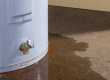
Finally, pay attention to visible moisture. Even a small amount of water pooling around the base of the heater, dampness on nearby walls, or corrosion on fittings should never be ignored. Sometimes the cause is as simple as condensation, but it could also point to a slow leak, a failing temperature and pressure relief (T&P) valve, or a crack in the tank. A professional can distinguish between harmless condensation and a developing leak that could damage flooring, walls, or even the structure of your home.
When DIY Is Reasonable
Not every water heater issue requires a service truck in your driveway. There are a few basic checks and maintenance tasks that most homeowners in Richardson can safely handle, especially if they are comfortable with simple tools and follow safety instructions. The key is to stay within your comfort zone and know exactly where that line is. Anything involving gas connections, internal electrical components, or tank integrity is a clear “do not touch” area for non-professionals.
One reasonable DIY step is verifying the thermostat setting and power source. If your water suddenly seems cooler, check that the thermostat has not been accidentally bumped. For electric heaters, you can also check the breaker panel to see if the circuit has tripped. For gas units, confirming that the gas valve is in the correct position and that the pilot light is lit (if your model has one) is a basic step. These quick checks can sometimes solve a non-issue, but if the problem returns or the breaker keeps tripping, that is a sign you need help from a specialist like Casto Leak Detection.
Another homeowner-friendly task is periodic flushing of the tank to reduce sediment buildup, especially in areas with hard water. Many manufacturers recommend draining a few gallons from the tank annually. However, this should be done carefully: power or gas should be shut off, water supply valves must be correctly positioned, and hoses need to be properly connected to avoid spills and burns. If you have never done this before, it is worth having a professional do it once and show you the proper procedure, so you do not accidentally damage the drain valve or scald yourself.
Replacing simple external parts like the hot and cold water flex lines or an accessible shutoff valve may be within reach for more experienced homeowners, but it is easy to underestimate the risk. A poorly tightened fitting can leak slowly for months, leading to mold, drywall damage, or hidden structural issues. In a dense suburban environment like Richardson, where many homes share similar construction styles and plumbing layouts, the same small mistake tends to repeat across neighborhoods. If you are unsure, it is often more cost-effective to let a pro handle what seems like a “small” repair than to pay for water damage remediation later.
Clear Signs You Need a Pro
Some water heater symptoms are non-negotiable red flags that call for immediate professional attention. If you notice any of these, turning off the unit (and gas supply, if applicable) and calling a licensed plumber or leak detection specialist should be your next step. Continuing to operate the heater or attempting DIY repairs in these situations can be dangerous.
One major warning sign is visible rust or corrosion on the tank body itself, particularly around seams, welds, or the bottom of the unit. Once the tank metal has started to degrade, there is no safe way to “patch” it. Corrosion is a sign that the protective anode rod has likely been exhausted and the tank is reaching the end of its service life. In this situation, professionals will usually recommend replacement rather than repair, and they will also inspect surrounding piping and valves for hidden damage.
Another urgent issue is a T&P valve that is leaking, constantly dripping, or discharging hot water. This valve is a critical safety device designed to release pressure if the water heater overheats or the pressure rises too high. If it is malfunctioning or being forced to open frequently, your system could be at risk of over-pressurization, which can be extremely dangerous. A company like Casto Leak Detection can test the valve, measure system pressure, and determine whether the problem is a faulty valve, a thermostat issue, or something more serious in the system.
Any smell of gas near a gas water heater, signs of charring or burning around the burner compartment, or repeated tripping of the breaker on an electric unit are immediate reasons to call a professional. These symptoms point to possible gas leaks, combustion problems, or electrical faults that should never be handled without training. In Richardson, TX, local codes and safety regulations are strict for good reason; having a licensed pro diagnose and repair these problems protects both your family and your compliance with insurance and building standards.
Balancing Repair vs Replacement
Even when the issue is clear, deciding whether to repair or replace a water heater can be a tough call. Homeowners often hope that a quick fix will extend the life of the unit for several more years, but there are times when putting money into an old or failing heater is like patching a worn-out tire—you might get a few more miles, but the risk of a blowout remains. Understanding the main factors that guide this decision can help you make a smarter, more economical choice.
Age is usually the first consideration. Most traditional tank-style water heaters last between 8 and 12 years, depending on water quality, maintenance, and usage. If your unit in Richardson is already a decade old and experiencing serious issues like frequent repairs, rust, or leaks, a professional will likely recommend replacement. At that point, major components are wearing out, and you may end up paying for multiple repairs over a short period, which quickly adds up to the cost of a new, more efficient unit.
Next, think about performance and efficiency. If your household has grown, or your hot water needs have changed, the original heater may simply be undersized. Constantly running out of hot water, hearing the unit cycle frequently, or noticing a spike in energy bills can all be signs that it is struggling to keep up. A pro can evaluate your current usage patterns and recommend the right capacity and type of heater for your home, whether that is a high-efficiency tank, a tankless unit, or a hybrid system. This is also where you might transition from simple repair work to a complete upgrade, including professional Water Heater Installation.
Finally, consider the overall condition of your plumbing and any previous issues. If your water heater has already had multiple repairs, or if your home has a history of leaks and pressure problems, there may be underlying system issues at play. Casto Leak Detection, for example, specializes in tracking down hidden leaks and pressure anomalies that can quietly damage your heater from the inside. In these cases, a thorough inspection paired with a strategic replacement plan can save you from repeated emergencies and give you a more reliable, predictable system moving forward.
Why Local Expertise Matters
Water heater repair is not one-size-fits-all. Local water quality, building codes, climate, and even common construction practices in a given area all influence how heaters age and fail. In Richardson, TX, many homes share similar plumbing layouts and were built around the same time periods, which means they often develop similar water heater issues. A local specialist who has worked extensively in the area will recognize patterns and problem spots more quickly than a generic contractor unfamiliar with the region.
For example, certain neighborhoods may be more prone to slab leaks, high water pressure, or specific types of corrosion. These conditions directly affect your water heater’s lifespan and performance. A company like Casto Leak Detection, which focuses on both leaks and general plumbing repairs, can look beyond the heater itself and evaluate how the entire system is treating that appliance. That broader perspective can prevent you from replacing a heater only to have the new one suffer the same fate because an upstream issue was never addressed.
Local expertise also matters when it comes to parts availability and code compliance. Richardson and the surrounding Dallas-Fort Worth area have specific requirements for venting, expansion tanks, drain pans, and seismic or safety strapping in some installations. A seasoned local pro knows what inspectors look for and which upgrades are recommended or required. They also know which brands and models tend to hold up best under local conditions, so you are not just repairing a problem but improving the overall reliability of your hot water system.
Finally, having a trusted local provider means faster response times and ongoing support. When your water heater goes down, you do not want to wait days for someone to drive in from another city or struggle to find a technician who understands your setup. Building a relationship with a Richardson-based company ensures that when you see the first signs of trouble, you have someone you can call who already knows your home, your plumbing, and your priorities.
Protecting Your Home From Water Damage
While many people think of water heater issues mainly in terms of comfort—hot showers, laundry, and dishwashing—the potential for water damage is just as important. A slow, unnoticed leak can warp flooring, stain ceilings, foster mold growth, and even compromise structural elements over time. In multi-story homes or townhomes common around Richardson, a leaking water heater located on an upper floor or in an attic can cause extensive damage in a short period.
Professional plumbers and leak detection specialists bring tools and techniques that go far beyond what most homeowners can do on their own. Infrared cameras, moisture meters, and acoustic leak detection equipment allow them to identify hidden moisture behind walls or under floors before it becomes visible. If your water heater is showing signs of corrosion, has a history of minor leaks, or is located in a sensitive area of the home, having a pro evaluate not just the heater but the surrounding space is a smart preventive step.
Another key protection is the proper installation and maintenance of safety components like drain pans, emergency shutoff valves, and expansion tanks. A correctly sized and installed drain pan with an appropriate drain line can redirect small leaks safely out of your living space. Automatic shutoff valves can cut water supply if they detect a leak, limiting the amount of water that can escape. These are not flashy upgrades, but in the event of a failure, they can be the difference between a minor inconvenience and a major insurance claim.
By working with a company such as Casto Leak Detection, you can turn a reactive repair into a proactive protection plan. Instead of waiting for a catastrophic tank rupture, you can use warning signs, professional inspections, and smart safety devices to keep water where it belongs—inside your pipes and fixtures, not soaking into your home.
Frequently Asked Questions
How long should my water heater last in Richardson, TX? Most traditional tank-style water heaters last about 8–12 years, depending on factors like water quality, usage, and maintenance. In Richardson, mineral content in the water and seasonal temperature shifts can put extra stress on units, so regular flushing and inspections are especially important. If your heater is over 10 years old and showing signs of rust, leaks, or frequent breakdowns, it is usually more cost-effective to plan for replacement rather than continuing to repair it.
Is it safe to relight my own gas water heater pilot light? Many manufacturers do allow homeowners to relight a pilot light by following the instructions on the unit’s label. However, if you smell gas, see soot or burn marks, or if the pilot will not stay lit after a couple of attempts, you should stop immediately and call a professional. Persistent pilot issues can indicate problems with the thermocouple, gas control valve, or combustion air supply, all of which require trained diagnosis and repair to avoid gas leaks or fire hazards.
Why does my water heater make popping or rumbling noises? Popping or rumbling sounds usually mean there is sediment buildup at the bottom of the tank. As water is heated, steam bubbles push through the sediment, creating that noise. While the heater may still work, this condition reduces efficiency and can overheat the tank bottom, shortening its lifespan. A professional can flush the tank thoroughly and check for any damage; in some cases, especially with older units, heavy sediment buildup is a sign that replacement should be considered.
What should I do if I see water around the base of my water heater? First, try to determine if the water is coming from the heater or from another nearby source like a washing machine or plumbing joint. If the leak appears to be from the heater, turn off the power or gas supply and close the cold water shutoff valve to the unit if you can do so safely. Then call a professional plumber or leak detection specialist. Even a small leak can quickly worsen, and a trained technician can identify whether the issue is a loose fitting, a valve problem, or a failing tank that needs replacement.
How often should I have my water heater professionally inspected? For most homes, an annual inspection is a good rule of thumb, especially once the heater is more than five years old. During an inspection, a professional can check the anode rod, test the T&P valve, look for early signs of corrosion or leaks, and evaluate overall performance. In a community like Richardson, TX, where many homes share similar aging plumbing systems, routine inspections from a company like Casto Leak Detection can catch problems early and extend the life of your water heater while protecting your home from unexpected water damage.