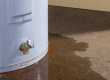
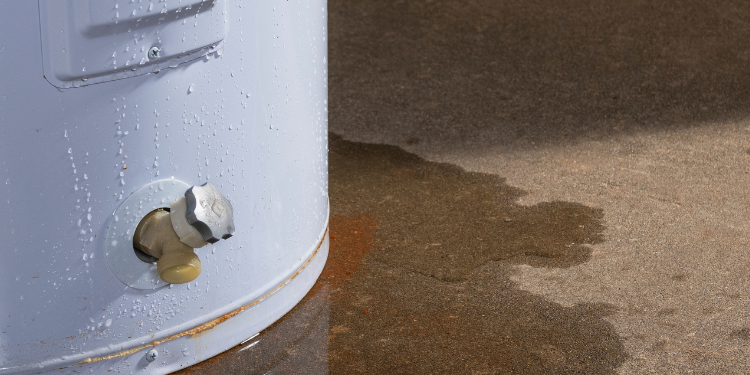
The moment usually arrives at the worst possible time: you turn on the shower on a chilly North Texas morning, expecting that familiar rush of hot water, and instead you’re greeted with an icy blast. Maybe your old water heater finally gave out, or the tank has started leaking onto your garage floor. Suddenly, you’re not just inconvenienced—you’re forced to make a fast decision about a new water heater and who will install it. In a place like Richardson, TX, where homes range from older slab-on-grade houses to newer builds with complex plumbing layouts, the installer you choose can determine whether your new system runs smoothly for years or becomes a recurring headache.
Choosing the right water heater installation service is less about finding the lowest price and more about finding a company that understands the bigger picture of your home’s plumbing system. It’s not just a matter of disconnecting one unit and connecting another. The right installer will evaluate gas lines or electrical capacity, check for hidden leaks, confirm code compliance, and size your new water heater correctly for your family’s needs. For homeowners in Richardson, that often means working with a local specialist like Casto Leak Detection, a company that doesn’t just install water heaters but understands how leaks, slab foundations, and water pressure all interact with your hot water system.
When you’re standing in a puddle near your old unit or fielding complaints from family members about lukewarm showers, it’s tempting to call the first number you find online. But taking even a short amount of time to choose carefully can prevent expensive water damage, repeated repairs, and higher utility bills. A properly selected and installed water heater can quietly serve your home for a decade or more; a poorly installed one can fail early, violate local codes, or even pose safety risks. Understanding what to look for in a water heater installation service is the first step toward making a smart, long-term decision.
Why Installation Quality Matters
Many homeowners assume that the brand of the water heater is the most important decision, but the truth is that the quality of the installation often has an even greater impact on performance and lifespan. A top-of-the-line unit can still underperform if it is incorrectly sized, improperly vented, or connected to inadequate gas or electrical lines. In Richardson’s climate, where hard water and seasonal temperature shifts can stress plumbing systems, careful installation is critical to preventing premature wear and tear.
Improper installation can lead to issues that don’t always appear immediately. A small leak at a fitting, for example, might go unnoticed for months while slowly damaging drywall, flooring, or the slab foundation beneath your home. If a pressure relief valve is installed incorrectly, the system may operate under dangerous pressure levels. Even something as simple as incorrect temperature settings can increase scalding risk or promote mineral buildup in the tank. An experienced installer like Casto Leak Detection understands these nuances and knows how to configure each component to protect both your water heater and your home.
There is also the matter of local building codes and safety standards. Richardson and the broader DFW area have specific requirements for gas lines, venting, seismic strapping (in some cases), and drain pan placement. A quality installation service will not only follow these rules but will also stay current on changes, ensuring you don’t run into problems when selling your home or filing an insurance claim. Cutting corners may save a little money upfront, but the long-term risks—from carbon monoxide issues with gas heaters to electrical hazards with electric units—are simply not worth it.
Evaluating Local Experience
When you begin comparing water heater installation services, one of the first things to look at is local experience. Richardson, TX, has its own mix of home ages, plumbing styles, and soil conditions. Many homes are built on concrete slabs, which means plumbing lines and potential leak points are often hidden beneath the foundation. A company like Casto Leak Detection, which specializes in finding and repairing leaks, brings a deeper understanding of how your water heater connects to the rest of your plumbing system beneath the surface.
Local experience also matters when it comes to sizing and selecting the right type of water heater. A technician who routinely works in Richardson neighborhoods will be familiar with common household sizes, typical water usage patterns, and the capacity of local gas and electrical infrastructure. That knowledge helps them recommend whether you should stay with a traditional tank heater, upgrade to a high-efficiency model, or consider a tankless system. They will recognize signs of systemic issues—like unusually high water pressure or recurring leaks—that could shorten the life of your new unit if left unaddressed.
Additionally, a company rooted in the Richardson area has a reputation to maintain with local homeowners and businesses. Word-of-mouth, online reviews, and repeat customers all reflect how well they handle installations, follow-up service, and warranty work. Rather than choosing a generic, out-of-area contractor who may not be around when you need them, selecting a local specialist gives you more assurance that the installer is invested in doing the job correctly the first time. You are not just hiring a one-time service; you are establishing a relationship with a team that may also handle future repairs, leak detection, and maintenance.
Credentials, Licensing, And Insurance
Once you have narrowed your choices to a few local companies, the next step is to verify credentials. Any reputable water heater installation service should carry proper state licensing for plumbing and, where applicable, gas work. In Texas, this means having licensed plumbers who are qualified to work on water lines, gas lines, and venting systems. Do not hesitate to ask for license numbers and confirm them with state databases if you have any doubts. A legitimate company will never be offended by this request; in fact, they will see it as a sign that you care about quality and safety.
Insurance is equally important. An insured installer protects you from liability if something goes wrong during the job, such as accidental property damage or worker injuries. Make sure the company carries both general liability insurance and workers’ compensation coverage. This is especially crucial when working near your home’s foundation or in tight mechanical spaces, where damage to pipes, electrical lines, or structural components could be costly to repair. A company like Casto Leak Detection that regularly works on sensitive leak and slab issues understands the importance of proper coverage and risk management.
Warranties are another critical piece of the credentials puzzle. Ask about both manufacturer warranties on the water heater itself and labor warranties on the installation work. A strong labor warranty signals confidence in the quality of the installation. Clarify what is covered, how long coverage lasts, and what steps you must take to maintain the warranty, such as periodic flushing or inspections. When you combine proper licensing, insurance, and clear warranty policies, you gain peace of mind that your investment is protected from multiple angles.
Comparing Options And Pricing
Cost naturally plays a role in your decision, but comparing prices for water heater installation is more complex than simply choosing the lowest estimate. A suspiciously low quote may indicate that the installer plans to reuse old components that should be replaced, skip necessary code upgrades, or spend minimal time on proper setup and testing. On the other hand, the highest quote is not automatically a guarantee of superior work. The key is understanding what is included in the price and how it aligns with your home’s needs.
When you request estimates, ask for itemized quotes that detail the model of the water heater, any new valves or piping, permit fees if required, and labor charges. A transparent company will explain why certain components are necessary, such as expansion tanks, upgraded venting, or new shutoff valves. In Richardson’s older homes, additional work may be required to bring existing systems up to current standards. An experienced installer like Casto Leak Detection will explain these needs clearly rather than surprising you with last-minute add-ons after the work has begun.
It is also worth considering long-term operating costs, not just installation fees. A more efficient water heater may cost more upfront but save you significantly on gas or electric bills over its lifespan. Proper installation can improve efficiency by ensuring accurate thermostat settings, minimizing heat loss, and optimizing venting or recirculation systems. When you evaluate quotes, think in terms of total cost of ownership over ten or more years, not just the immediate expense. The right installer will help you understand that bigger picture instead of pushing the cheapest possible solution.
Leak Awareness And Foundation Protection
One factor that many homeowners overlook when choosing a water heater installer is the potential for hidden leaks and foundation damage. In a city like Richardson, where many houses sit on concrete slabs, water that escapes from a poorly installed heater or connected piping can migrate under flooring and into the slab itself. Over time, this can contribute to foundation issues or create conditions for mold growth. A general installer might focus only on the unit they are replacing, while a leak specialist like Casto Leak Detection will take a more holistic view of your plumbing.
During installation, a leak-aware technician will inspect nearby plumbing lines, look for signs of previous moisture damage, and verify that the drain pan and discharge lines are correctly routed. If they suspect an existing problem—such as a slow slab leak or corroded lines—they can recommend further evaluation and repair before those issues escalate. This proactive approach can save you from major structural repairs later on. It is not just about making hot water; it is about protecting your entire home from water-related damage.
In some cases, water heater issues are actually symptoms of broader plumbing problems. For example, inconsistent hot water, recurring pressure fluctuations, or frequent pilot light failures might stem from leaks, pressure-regulating failures, or hidden damage in the system. An installer who also understands leak detection can differentiate between a failing heater and a failing plumbing infrastructure. If a more serious issue is discovered, services like Slab Leak Repair may be necessary before or alongside the new installation to ensure your new unit is not compromised by underlying problems.
Communication, Scheduling, And Follow-Up
Beyond technical skills and pricing, the way a company communicates with you can reveal a lot about the service you will receive. From the first phone call or online inquiry, pay attention to how clearly they explain your options, how thoroughly they answer questions, and how transparently they discuss potential complications. An installer that rushes you into a decision, avoids specifics, or dismisses your concerns may not be the partner you want for something as important as your home’s hot water system.
Scheduling flexibility is also important, especially when you are dealing with a failing or leaking water heater. In Richardson’s busy households, going without hot water for days is not realistic. Look for a company that offers prompt service windows, communicates arrival times, and keeps you informed if delays occur. Casto Leak Detection and similar local providers understand that water heater issues often feel like emergencies and structure their services accordingly, balancing responsiveness with careful, methodical work on-site.
Finally, ask what kind of follow-up you can expect after installation. Will the technician review basic maintenance steps with you? Will the company check back after a few days to ensure everything is working properly? Are they available for future maintenance, inspections, and troubleshooting? A water heater is not a “set it and forget it” appliance; it benefits from periodic flushing, anode rod checks, and pressure evaluations. Choosing an installer that is willing to be your long-term partner helps ensure your system continues to perform efficiently and safely.
Frequently Asked Questions
How do I know what size water heater I need? Sizing depends on your household’s hot water usage, the number of bathrooms, and whether you often run multiple fixtures at once. A professional installer will ask about your daily routines, review the capacity of your existing unit, and consider factors like large soaking tubs or high-flow showers. In Richardson, many families benefit from slightly larger tanks or properly sized tankless units to handle peak morning and evening demand. An experienced company like Casto Leak Detection can calculate the right size based on real-world usage, not just generic charts.
Should I choose a tankless or traditional tank water heater? Both options have advantages, and the right choice depends on your budget, home layout, and long-term plans. Tankless heaters provide endless hot water and can be more energy-efficient, but they often cost more upfront and may require gas line or electrical upgrades. Traditional tank heaters are generally less expensive to install and easier to integrate with existing systems, but they store a finite amount of hot water and may have higher standby energy losses. A knowledgeable installer will evaluate your home’s infrastructure, your family size, and your energy goals before recommending one type over the other.
How long does a typical water heater installation take? In many cases, a straightforward replacement of a similar unit can be completed in three to five hours, including removal of the old heater, installation of the new one, and testing. However, if code upgrades are needed, gas or electrical lines must be modified, or leaks are discovered during the process, the job can take longer. Companies experienced with Richardson homes, like Casto Leak Detection, will give you a realistic time estimate upfront and explain any factors that might extend the installation window.
What signs suggest my old water heater needs replacement instead of repair? Common indicators include rusty or discolored hot water, frequent leaks around the base, unusual noises such as banging or rumbling, and inconsistent water temperature. If your unit is nearing or past its typical lifespan (often 8–12 years for many tanks) and is showing these symptoms, replacement is usually more cost-effective than repeated repairs. A trusted installer will inspect the unit, explain its condition, and help you weigh the costs and benefits of repair versus replacement rather than automatically pushing for the most expensive option.
Why choose a leak detection specialist for water heater installation? A leak detection specialist brings an added layer of insight to your installation. Instead of focusing solely on the new unit, they look at how your water heater interacts with the entire plumbing system, including lines hidden under slab foundations. This means they are more likely to spot early warning signs of slab leaks, corrosion, or pressure problems that could shorten your new heater’s life or damage your home. By choosing a company like Casto Leak Detection in Richardson, TX, you are not just getting an installer—you are getting a comprehensive plumbing partner that helps safeguard your property for the long term.