Most homeowners assume that if they had a serious plumbing leak, they would see water everywhere: soaked carpets, dripping ceilings, or a flooded bathroom. In reality, the most damaging leaks are often the ones you never see. They hide behind walls, under slabs, and beneath cabinets, slowly causing rot, mold, and structural damage long before any obvious signs appear. By the time stains or dripping sounds show up, the leak has often been active for weeks or even months.
Another misconception is that hidden leaks always require specialized tools to detect. While professionals like Casto Leak Detection in Richardson, TX do rely on advanced equipment, there are many early warning signs homeowners can spot with simple observation and a bit of routine checking. Subtle changes in your water bill, slight shifts in water pressure, or a faint musty odor can be the first clues that something is wrong. Ignoring these quiet signals is what turns a manageable plumbing repair into a major restoration project.
Understanding how to detect hidden plumbing leaks early is less about memorizing a long checklist and more about paying attention to how your home normally behaves. When you know what “normal” looks, smells, and sounds like, small deviations become easier to notice. The goal is not to replace a professional inspection, but to catch problems early enough that when you do call a leak detection specialist, they can intervene before extensive damage occurs. In a place like Richardson, where temperature swings and aging infrastructure can stress plumbing systems, early detection is especially important.
Know Your Home’s Baseline
Early leak detection starts with understanding what is typical for your home’s plumbing. Most people only think about their pipes when something goes obviously wrong, but creating a mental baseline for your water usage, water pressure, and fixture behavior is one of the most powerful tools you have. Begin by looking at several months of past water bills. Note your usual range of usage during different seasons. Once you know your “normal,” an unexplained jump in gallons used from one month to the next becomes a red flag instead of a confusing surprise.
Pressure is another part of your baseline. Get used to how strong the water flow feels in your shower, kitchen sink, and outdoor spigots during different times of day. If one fixture suddenly feels weaker, or if the whole house seems to lose pressure when no one is using extra water, that shift could indicate a leak somewhere in the system. In Richardson, TX, older homes may already have lower pressure due to pipe age or mineral buildup, so any further drop should be taken seriously and not just dismissed as “old house quirks.”
Also pay attention to how often your fixtures and appliances run. How frequently does your well pump or city-supplied pressure booster (if you have one) kick on? How often does your toilet tank refill when nobody is using it? These patterns are easy to overlook because they become background noise, but they are valuable indicators. A toilet that refills every few minutes or a water heater that cycles more than usual might be quietly signaling a leak. When Casto Leak Detection is called to a Richardson home, one of the first things they assess is whether these everyday patterns match what the homeowner describes as normal.
Use Your Water Meter As A Detective
Your water meter is one of the most reliable tools you have for catching hidden leaks, and you don’t need any special training to use it. Start by locating your meter; in Richardson, it is typically in a box near the street or sidewalk. Carefully open the lid and familiarize yourself with the dials or digital display. Most meters have a small leak indicator—often a tiny triangle or star-shaped dial—that spins even when very little water is flowing. Learning to read that indicator can tell you in minutes whether your plumbing system is truly at rest or secretly losing water.
To run a simple leak test, choose a time when you can avoid using any water for at least 30 minutes. Turn off all faucets, make sure the dishwasher and washing machine are off, and remind everyone in the home not to flush toilets during the test period. Then check the meter reading and the leak indicator. If the indicator is spinning or the numbers are changing, water is moving through your system even though all fixtures are off. That movement usually means a leak somewhere between the meter and your interior plumbing.
For a more detailed check, record the exact meter reading, then wait 30–60 minutes without using any water and check again. Even a small change in the reading can signal a slow leak. If the meter shows usage but you cannot find any dripping faucets or running toilets, the leak may be underground, in a wall, or beneath your slab foundation. At this point, contacting a specialist like Casto Leak Detection is wise, because they can use acoustic equipment and other tools to pinpoint the leak without unnecessary demolition.
Spot Subtle Indoor Warning Signs
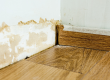
Hidden leaks rarely announce themselves with dramatic floods. Instead, they whisper through subtle changes in surfaces, smells, and sounds. One of the earliest indoor clues is discoloration. Look for yellowish or brownish stains on ceilings, walls, or baseboards, especially near bathrooms, kitchens, and laundry areas. Paint that begins to bubble, peel, or feel soft to the touch may be absorbing moisture from a nearby leak. Even hairline cracks in drywall, when combined with other symptoms, can indicate that wood framing is swelling and shifting due to water exposure.
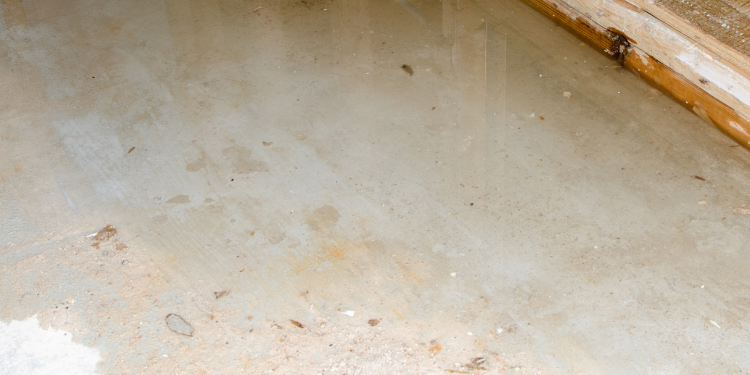
Flooring also tells a story. In bathrooms and kitchens, pay attention to tiles that suddenly loosen or grout lines that stay damp. On wood or laminate floors, warping, cupping, or a spongy feeling underfoot can signal water seeping from below. Carpets that develop mysterious damp patches or persistent dark spots, especially near walls, are another early warning. In Richardson homes with slab foundations, a warm or slightly damp area of floor can indicate a hot water line leak under the slab, which requires prompt professional attention.
Odor is an often-overlooked indicator. A musty, earthy smell that lingers in a particular room, cabinet, or closet can be one of the first signs of a slow leak. Mold and mildew thrive in damp, enclosed spaces, and they often start growing long before you see visible colonies. Open cabinets under sinks and check the back corners for any sign of dampness, staining, or warped wood. Listen, too: faint hissing, dripping, or trickling sounds behind walls or in ceilings when no water is running can be a major clue. These sensory hints are exactly the kinds of things a leak detection technician will ask about when you call for help.
Check High-Risk Areas Regularly
Not all parts of your plumbing system are equally vulnerable. Some locations are notorious trouble spots and deserve regular inspection. Under-sink cabinets in kitchens and bathrooms are prime examples. Supply lines, shutoff valves, and drain traps can all develop slow leaks due to age, corrosion, or loose connections. Make it a habit to clear out the cabinet once in a while and inspect the bottom for water stains, soft spots, or mold. Run your hand along the pipes and joints to feel for moisture or tiny droplets.
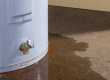
Appliance connections are another high-risk zone. Washing machines, dishwashers, refrigerators with ice makers, and water heaters all rely on flexible hoses and connections that can degrade over time. Inspect these hoses for bulging, cracking, or rust at the fittings. Even a slight drip at one of these connections can eventually cause major damage to nearby walls and floors. In a busy household, it is easy to overlook a slow leak behind a washer or fridge until it has soaked into the subfloor.
Don’t forget less obvious locations, such as behind toilets and around bathtubs or showers. Look for signs of water around the toilet base, which may indicate a failing wax ring or a cracked flange. Check caulking and grout around tubs and showers; gaps or cracks can allow water to seep into walls or floors, mimicking a plumbing leak. In Richardson homes with outdoor irrigation systems, inspect sprinkler lines and backflow devices as well. A leak in an irrigation line may not show indoors but will drive up your water bill and create soggy patches in the yard.
Use Simple At-Home Tests
While professionals in Richardson rely on advanced tools, there are simple tests you can perform yourself to narrow down potential leak sources. One of the easiest is the toilet dye test. Remove the tank lid, add a few drops of food coloring to the tank water, and wait 15–20 minutes without flushing. If colored water appears in the bowl, you have a leak between the tank and bowl, usually due to a worn flapper. This kind of slow leak can waste a surprising amount of water over time, and it often goes unnoticed because it is silent.
Another helpful test involves isolating parts of your plumbing system. If your home has individual shutoff valves for different areas (for example, separate valves for the kitchen, bathrooms, or outdoor spigots), you can turn them off one at a time while monitoring the water meter. If the leak indicator stops spinning when a particular zone is shut off, you have narrowed the leak to that section. This strategy can save time and reduce the amount of exploratory work needed when a professional arrives.
You can also perform basic pressure checks, even without specialized gauges, by observing how quickly fixtures respond. For example, if turning on a single faucet causes noticeable dimming in flow at another faucet, or if your shower pressure drops sharply when no other water is being used, that imbalance can be a sign of a leak or constriction. While these tests are not as precise as professional diagnostics, they give you valuable information to share with a company like Casto Leak Detection, helping them quickly target the most likely problem areas.
When To Call A Leak Detection Specialist
There is a point where DIY observation should give way to professional expertise. If your water meter test confirms a leak but you cannot find any visible source, it is time to call a specialist. The same is true if you notice multiple warning signs—musty odors, unexplained stains, damp floors, or constantly cycling appliances—especially in a home with older plumbing. Hidden leaks in walls, ceilings, or under slabs require tools and training that go far beyond what most homeowners have available.
Professional leak detection companies like Casto Leak Detection serving Richardson, TX use a combination of acoustic listening devices, thermal imaging cameras, pressure testing, and sometimes tracer gases to locate leaks with minimal disruption. Instead of tearing open large sections of wall or floor, they can isolate the trouble spot within a much smaller area. This targeted approach not only reduces repair costs but also shortens the time your home is under construction. Early detection makes this process even more efficient, because the affected area is typically smaller and less damaged.
It is also wise to call in professionals if you suspect a slab leak or if you notice warm spots on the floor, cracks in walls or tile, or doors that suddenly stick without obvious cause. Slab leaks can undermine your foundation and lead to serious structural issues if ignored. Similarly, if you are planning other plumbing work such as repiping or Water Heater Installation, it can be an ideal time to request a comprehensive leak inspection. Addressing hidden leaks while other plumbing work is underway often saves both time and money.
Frequently Asked Questions
How do I know if a high water bill is caused by a leak? If your water usage suddenly spikes without a change in your household habits, a leak is a strong possibility. Start by checking for obvious issues like running toilets, dripping faucets, or visible puddles around appliances. Then perform a water meter test: turn off all water in the home and watch the meter for 30–60 minutes. If the reading changes or the leak indicator moves, water is flowing somewhere it should not be. If you cannot find the source, contacting a leak detection specialist in Richardson is the next step.
Can a small hidden leak really cause serious damage? Yes. Slow, persistent leaks are often more destructive than sudden bursts because they go unnoticed for long periods. Over time, even a tiny drip can rot wood framing, weaken drywall, corrode metal fasteners, and encourage mold growth. In areas like under cabinets or behind walls, damage may progress for months before any visible signs appear. By then, repairs may involve structural work and mold remediation, not just plumbing fixes. Early detection dramatically reduces the cost and complexity of repairs.
Are musty smells always a sign of a plumbing leak? Not always, but they are a warning sign you should not ignore. Musty or earthy odors typically indicate moisture that is not drying properly. This can come from plumbing leaks, but also from poor ventilation, roof leaks, or condensation issues. The key is to investigate where the smell is strongest. If it is near plumbing fixtures, under sinks, or along interior walls, a hidden plumbing leak is more likely. A professional can help distinguish between plumbing-related moisture and other sources.
How often should I check my home for hidden leaks? A quick visual and sensory check every month or two is a good habit. Look under sinks, around toilets, near water heaters, and behind appliances for any signs of moisture, staining, or corrosion. Review your water bill each month for unusual changes. At least once or twice a year, perform a water meter leak test when the house is quiet. In older Richardson homes or properties with a history of plumbing issues, more frequent checks may be wise, and a professional inspection every few years can provide additional peace of mind.
What makes professional leak detection different from a regular plumbing visit? General plumbers are skilled at repairing visible problems like broken fixtures, clogged drains, or obvious pipe leaks. Leak detection specialists focus specifically on finding hidden leaks using advanced tools and techniques. They are trained to interpret subtle signs, perform detailed pressure and acoustic tests, and locate leaks with minimal damage to your home. Companies like Casto Leak Detection combine this specialized expertise with knowledge of local building practices and common problem areas in Richardson, making them especially effective at identifying and resolving hidden plumbing leaks early.