How long did your last water heater work perfectly before it started making strange noises, taking forever to heat water, or suddenly leaking at the worst possible time? For most Richardson, TX homeowners, water heater problems seem to appear out of nowhere, usually right when you are counting on a hot shower or running a load of laundry. Yet in almost every case, there were early warning signs that something was going wrong inside the tank or along the water lines. Understanding those warning signs, and knowing which issues you can manage and which require a professional such as Casto Leak Detection, can prevent a small nuisance from becoming a costly emergency.
Water heaters are one of the hardest-working appliances in any Richardson home. They constantly battle mineral-heavy North Texas water, fluctuating temperatures, and daily usage patterns that push them to their limits. Over time, this wear and tear shows up as lukewarm water, rusty discoloration, odd smells, or full-blown leaks. The good news is that most common water heater repair issues follow predictable patterns, and so do the solutions. Once you recognize the symptoms, you can respond quickly, extend the life of your unit, and protect your home from water damage.
This guide breaks down the most frequent water heater problems homeowners in Richardson encounter, explains why they happen, and outlines practical solutions. Whether you have a gas or electric unit, a traditional tank or a newer tankless model, knowing what to look for can save you time, money, and frustration. And when the situation goes beyond DIY, having a trusted local specialist like Casto Leak Detection on your side makes all the difference.
No Hot Water
Few things are as instantly noticeable as turning on the tap and getting completely cold water. When a water heater stops producing hot water altogether, many homeowners assume the entire unit has failed. Often, though, the cause is far simpler and less expensive to fix. The first step is always to determine whether you have a gas or electric system, since the troubleshooting paths differ. In both cases, start with the basics: is there power or gas supply to the unit, and are the controls set correctly?
For electric water heaters in Richardson homes, a tripped breaker is a very common culprit. A power surge or overloaded circuit can shut the heater off without any other visible signs. Check your electrical panel and reset the breaker if it has tripped. If the breaker trips again soon after resetting, that typically indicates a deeper electrical or heating element problem that should be examined by a professional. Inside the tank are one or two heating elements; if one burns out, the unit may stop delivering hot water or only produce lukewarm water under heavy demand.
Gas water heaters present a different set of issues. If you have no hot water, check whether the pilot light is lit. Modern units often have electronic igniters instead of standing pilot lights, so you may need to consult the label on the tank for specific instructions. A blown-out pilot, faulty thermocouple, or gas supply issue can all stop the burner from firing. Because gas handling involves safety risks, it is wise to call a licensed technician if you suspect a gas valve or burner issue. Casto Leak Detection frequently helps Richardson homeowners trace these problems safely and restore hot water without guesswork.
Another overlooked cause of no hot water is a failed thermostat. Each thermostat controls how hot the water gets and when the heating element or burner cycles on. If the thermostat is misreading the water temperature or has failed completely, the heater may never kick on. In older units, replacing a thermostat or heating element can be cost-effective; in very old or corroded systems, however, it may be smarter to consider a replacement, especially if other symptoms like rust and leaks are present.
Water Not Hot Enough
Lukewarm water is a frequent complaint in Richardson, especially in larger homes or households with high hot water usage. When the water is not hot enough, the first assumption is often that the heater is undersized. While that can be true, there are several other issues that can mimic an undersized unit. Before you start planning a full replacement, it is worth examining the thermostat setting, sediment buildup, and demand patterns in your home.
Thermostat settings can be accidentally changed or misadjusted. Most water heaters are set between 120°F and 140°F. If the temperature is set too low, you will consistently get cooler water. Carefully adjust the thermostat a few degrees higher and test again after allowing the tank time to recover. Do not set the temperature excessively high, as this can create scalding risks and increase energy use. If changes to the thermostat do not affect water temperature, that points more strongly to a component problem inside the unit.
Sediment buildup is a major factor in North Texas, where hard water is common. Minerals in the water settle at the bottom of the tank and form a thick layer over time. This layer insulates the water from the heating element or burner, forcing the unit to work harder while delivering less effective heat. The result is water that never quite reaches the desired temperature, especially during heavy use. Flushing the tank to remove sediment can significantly improve performance, but if the buildup is severe or the tank has not been maintained for years, professional descaling and inspection are recommended.
Sometimes, the issue really is that the water heater is undersized for the household’s needs. If your Richardson home has grown, you have added bathrooms, or your family’s routine has changed, your hot water demand may exceed what the existing tank can supply. In that case, you may experience adequate hot water at some times of day but not others. A plumbing professional can help you calculate the right capacity and discuss whether a larger tank or a tankless system is a better long-term solution. Casto Leak Detection can also evaluate whether reconfiguring lines or adding a mixing valve could improve performance without a full system overhaul.
Strange Noises And Rumbling
Water heaters are not meant to be completely silent, but banging, popping, or rumbling noises are never normal. Many Richardson homeowners first notice these sounds when the house is quiet at night and the heater cycles on. These noises often indicate that sediment has accumulated at the bottom of the tank and is interfering with normal operation. As water trapped under the sediment heats up, it turns into steam bubbles that pop and crackle, creating loud sounds inside the metal tank.
Left unaddressed, this sediment issue does more than just make noise. It forces the water heater to work much harder to heat the same amount of water, driving up energy bills and increasing wear on internal components. The added stress can cause the tank metal to expand and contract more aggressively, which over time may weaken the tank and contribute to leaks. In severe cases, sediment can even clog drain valves and block proper water circulation inside the tank.
Regular flushing is the most effective solution to noise caused by sediment. This process involves turning off power or gas, attaching a hose to the drain valve, and safely draining the tank to wash out accumulated minerals. While some homeowners handle this themselves, many prefer to have a professional perform the service to ensure valves are not damaged and air pockets are not introduced into the system. In areas like Richardson with particularly hard water, annual flushing is strongly recommended to keep noise and sediment under control.
Not all noise is due to sediment, however. Whistling or high-pitched sounds can signal partially closed valves or restrictions in the lines. Hammering or knocking when the water turns off may be related to water hammer, a pressure surge in the pipes. These issues can often be mitigated by adjusting valves, installing water hammer arrestors, or checking for improperly secured plumbing lines. A specialist like Casto Leak Detection can differentiate between tank-related noise and pipe-related noise, ensuring the right problem is solved.
Leaks, Puddles, And Moisture
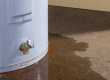
Finding water around your heater is one of the most worrying situations a homeowner can face. Even a slow drip can lead to major damage if it seeps into walls, flooring, or the slab foundation common in Richardson, TX homes. Water heater leaks can originate from several places: fittings and connections, the temperature and pressure relief (T&P) valve, drain valve, or the tank itself. The location and behavior of the leak determine both the urgency and the solution.
If you see water dripping from pipe joints or fittings near the top of the heater, the issue may be a loose or deteriorated connection. Over time, thermal expansion and contraction can loosen fittings or damage seals. Tightening or replacing these components is often enough to stop the leak. Similarly, a leaking drain valve at the bottom of the tank may be caused by a worn-out washer or a valve that was not fully closed after a previous service. Replacing the drain valve is a relatively straightforward repair when handled promptly.
The T&P valve is a critical safety device designed to release pressure if the tank overheats or builds up excessive pressure. If this valve is leaking or constantly dripping, it might be doing its job due to real overpressure, or it might be failing. This is not a part to ignore or cap off; doing so can create a dangerous condition. A professional will check the system pressure, expansion tank (if present), and thermostat settings to determine whether the leak is a symptom of a larger problem. In many cases, replacing the T&P valve and addressing pressure issues resolves the leak.
The most serious scenario is a leak from the tank body itself. This often appears as water pooling around the base of the unit with no obvious dripping from valves or pipes. Internal corrosion, usually due to age and depleted anode rods, can cause the tank to rust through from the inside out. Once the tank wall has been compromised, repair is not a safe option; replacement is the only practical solution. Because tank leaks can also be confused with slab leaks or nearby plumbing issues, Richardson homeowners often rely on Casto Leak Detection to accurately trace the source and prevent unnecessary damage or replacement.
Discolored Or Smelly Hot Water
If your hot water comes out rusty, cloudy, or with a rotten egg odor, it is a clear sign that something inside the system is off. Discolored water often points to corrosion either in the tank or in the home’s plumbing lines. In older Richardson homes with galvanized pipes, rust may originate from the pipes rather than the heater itself. A simple way to narrow this down is to compare hot and cold water. If discoloration appears only in hot water, the tank is the more likely source.
Inside every traditional tank water heater is a sacrificial anode rod. Its job is to attract corrosive elements and protect the steel tank from rusting. Over time, this rod is consumed. When it is nearly gone, the tank itself begins to corrode, releasing rust into the water. Replacing the anode rod at the right time can greatly extend the life of the heater and reduce discoloration. If the tank has already suffered extensive internal corrosion, however, replacement may be more cost-effective than repeated repairs.
The rotten egg odor many people notice is usually caused by bacteria reacting with sulfur in the water, often in combination with the magnesium anode rod. While this odor is unpleasant, it does not necessarily mean the water is unsafe. Solutions can include flushing and disinfecting the tank, installing a different type of anode rod (such as aluminum-zinc), or addressing specific bacterial issues in the well or municipal supply. Because Richardson is on municipal water, odor issues are often isolated to the heater itself and can be corrected at the appliance level.
Cloudy or milky water that clears after a few seconds is typically just air bubbles and not a serious concern. However, if the cloudiness persists and is accompanied by particles, sediment may be circulating from the bottom of the tank. A thorough flush can improve clarity and quality. When in doubt, having a professional inspection can confirm whether what you are seeing is normal variation or a sign of a failing heater.
Repair, Replacement, And Prevention
Once you identify a problem with your water heater, the next decision is whether to repair or replace. Age is a crucial factor. Most traditional tank water heaters last 8–12 years under typical conditions. In Richardson, hard water and high usage can shorten that lifespan if maintenance has been neglected. If your unit is approaching or past this age and showing multiple symptoms—leaks, rust, poor performance—investing heavily in repairs may not make financial sense.
On the other hand, many individual components are relatively inexpensive to replace. Thermostats, heating elements, T&P valves, and drain valves can often be swapped out to restore reliable performance. A professional will evaluate the overall condition of the tank, the state of the anode rod, and the presence of corrosion to help you weigh short-term repair costs against long-term replacement benefits. In some cases, a strategic repair can buy you several more years of service while you plan for an eventual upgrade.
Prevention is where homeowners have the most control. Regular maintenance dramatically reduces the risk of sudden failures. Annual or biannual flushing, checking the anode rod every few years, inspecting for moisture around the base, and listening for new noises are all simple habits that pay off. In slab-on-grade homes common in Richardson, catching leaks early is especially important to avoid hidden water migration under floors. This is an area where Casto Leak Detection’s specialized leak detection skills complement routine water heater service.
When the time does come to replace your water heater, consider efficiency, capacity, and fuel type. Newer models are more energy-efficient and offer better temperature control and recovery times. Some homeowners also explore tankless systems or hybrid heat pump units. For any significant change or upgrade, it is wise to consult with a local expert who understands Richardson’s water quality, building codes, and typical usage patterns. If you are planning a replacement or upgrade, you can learn more about Water Heater Installation options and how they integrate with leak detection and protection strategies.
Frequently Asked Questions
How often should I flush my water heater in Richardson, TX? In Richardson’s hard-water environment, most homeowners benefit from flushing a traditional tank water heater at least once a year. If you have very high usage or notice noise, sediment, or cloudy water, flushing every six months may be appropriate. Regular flushing helps remove mineral buildup, improves heating efficiency, reduces noise, and extends the life of the tank. Skipping this maintenance for years often leads to thicker sediment layers that are harder to remove and can contribute to leaks and premature failure.
What are the signs that my water heater is about to fail? Common warning signs include rusty or discolored hot water, frequent pilot light or breaker trips, unusual popping or rumbling noises, persistent lukewarm water, and moisture or puddles around the base of the unit. If your heater is more than 8–10 years old and shows two or more of these symptoms, it is likely nearing the end of its service life. At that stage, major repairs may only provide temporary relief. Having a professional inspection from a company like Casto Leak Detection can help you decide whether to repair or replace before a complete failure leaves you without hot water.
Is it safe to keep using a leaking water heater? Using a leaking water heater is risky and not recommended. Even a small leak can quickly worsen, potentially flooding nearby areas and damaging walls, floors, or the slab foundation. Leaks near electrical components also present shock and fire hazards. If you notice water around your heater, turn off power or gas, shut off the water supply to the unit if possible, and contact a professional promptly. A specialist can determine whether the leak comes from a repairable fitting or valve, or whether the tank itself has failed and requires replacement.
Can I adjust the temperature myself, and what setting is best? Most homeowners can safely adjust their water heater thermostat, but it should be done carefully. For many households, 120°F is an ideal setting because it is hot enough for comfort and hygiene while reducing scald risk and saving energy. Some people choose slightly higher settings, but anything much above 140°F increases burn risks, especially for children and older adults. If adjusting the thermostat does not change your water temperature, that suggests a faulty thermostat or heating element, in which case professional service is recommended.
When should I call a professional instead of trying DIY repairs? You should call a professional whenever there is a gas-related issue, a suspected electrical problem, a tank leak, or uncertainty about the source of water around the heater. Also, if you are uncomfortable working with shutoff valves, electrical panels, or pilot lights, it is safer to get expert help. In Richardson, TX, companies like Casto Leak Detection not only repair and replace water heaters but also specialize in finding hidden leaks that may be connected to your heater or hot water lines, ensuring the entire system is safe and reliable.