Most homeowners wait for a dramatic failure before they realize their water heater needs attention: a cold shower on a winter morning, water pouring across the garage floor, or a total loss of hot water right before guests arrive. The problem is that water heaters almost never fail without warning. They send out small, consistent signals first – sounds, smells, temperature changes, and even subtle changes in your utility bill. Misreading or ignoring those early signs is what leads to expensive emergencies and, in some cases, water damage that costs more than the heater itself.
Another thing people get wrong is assuming that as long as hot water is still coming out of the tap, everything must be fine. In reality, a water heater can be on the verge of leaking or failing electrically or with gas components while still producing hot water. That “it still works, so it must be okay” mindset is what keeps many Richardson, TX homeowners from calling a professional until it is too late. Recognizing water heater repair signs early, and knowing when to bring in a specialist like Casto Leak Detection, can be the difference between a simple fix and a costly replacement plus cleanup.
If you know what to watch for, your water heater becomes much less mysterious. Instead of a big metal tank hiding in a closet, attic, or garage, it becomes a system you can monitor and manage. From strange noises and fluctuating water temperature to rusty water and subtle leaks, each symptom tells a story about what is happening inside the tank or its components. The goal is not to turn you into a plumber, but to give you enough insight so you can spot problems early and call for help before things escalate.
Temperature Changes And Hot Water Issues
One of the first and most obvious signs that your water heater needs repair is inconsistent water temperature. You might notice that your morning shower starts hot and quickly turns lukewarm, or that you cannot get the water as hot as you used to, even with the handle fully turned. This can be caused by sediment buildup inside the tank, a failing heating element (for electric units), or issues with the gas burner or thermostat in gas models. When sediment blankets the bottom of the tank, it acts like insulation, forcing the heater to work harder and reducing the available hot water.
Sudden loss of hot water altogether is another red flag. If you go from normal performance one day to completely cold water the next, that indicates a more serious problem, such as a failed heating element, tripped high-limit switch, gas supply issue, or even a malfunctioning control board in newer systems. While homeowners in Richardson sometimes assume the problem is with the city’s water supply, the issue is almost always inside the home. A professional from Casto Leak Detection can quickly test the components and pinpoint the exact cause, often restoring hot water the same day.
Another temperature-related sign to pay attention to is water that is excessively hot, even at normal settings. Overheating can be more dangerous than lukewarm water because it may indicate a faulty thermostat or pressure-relief problem. Overheated water can increase pressure in the tank, putting stress on the system and, in rare but serious cases, creating a safety hazard. If you touch the hot water and it feels scalding at settings that used to be comfortable, that is not something to ignore or “get used to” – it is a signal that the water heater needs professional attention.
Finally, if your hot water runs out much faster than it used to, even though your household size and usage have not changed, that is a subtle but important sign. It could mean one of the heating elements is no longer working, sediment has significantly reduced the tank’s effective capacity, or there is a dip tube issue that is mixing cold and hot water improperly. These are classic repair situations that can often be handled without replacing the entire unit if caught early.
Strange Noises From The Tank
A healthy water heater operates quietly, with only a soft hum or faint burner noise. When you begin to hear pops, bangs, rumbles, or crackling sounds, your system is trying to get your attention. In Richardson’s hard-water environment, minerals in the water settle to the bottom of the tank over time, forming a layer of sediment. As water heats beneath this layer, steam bubbles form and burst, causing those popping and rumbling noises. It is not just annoying; it is a sign that your heater is working harder than it should.
Persistent rumbling or “kettling” sounds can indicate that sediment buildup has become significant. This reduces efficiency and puts added stress on the tank. The metal is exposed to higher temperatures for longer periods, which can accelerate wear and increase the risk of leaks. Many homeowners assume these sounds are just part of an aging water heater, but a professional flush or targeted repair by a company like Casto Leak Detection can often restore quieter, more efficient operation.
Hissing or sizzling noises, especially noticeable when the burner shuts off or when you run hot water, can indicate a small leak dripping onto hot components or issues with the heating elements in an electric water heater. In some cases, loose connections or partial submersion of elements due to sediment can create odd noises that should not be ignored. The key is that new or changing sounds from your water heater almost always mean something has changed inside the system.
If you are unsure whether a noise is normal, pay attention to when it occurs. Is it only when the burner ignites? Only when a large amount of hot water is used? Or does it happen randomly? Sharing those details with a technician in Richardson helps narrow down the cause quickly. Water heaters do not get “creaky” for no reason; noises are often one of the earliest and most reliable repair signs.
Leaks, Puddles, And Rusty Water
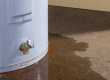
Any sign of water around your water heater deserves immediate attention. Homeowners sometimes see a small puddle or a damp spot and assume it is condensation or a one-time spill. In reality, even a tiny, occasional drip can point to a failing valve, a loose connection, or, in worse cases, a crack forming in the tank. Over time, that small leak can become a steady flow, leading to water damage in closets, garages, or attic spaces common in Richardson homes.
One important clue is where the water is coming from. Moisture near the pressure relief valve, drain valve, or pipe fittings may indicate a loose or failing component that can often be repaired. However, water seeping from the base of the tank or from areas you cannot see clearly may point to internal corrosion and tank failure. Once the inner tank has begun to crack or rust through, replacement is usually the only safe option. A professional inspection from Casto Leak Detection can distinguish between a minor fix and a serious structural problem.
Rusty or discolored hot water is another warning sign. If only the hot water appears brown, orange, or has visible particles, the issue likely lies with the water heater, not the municipal supply. This can occur when the sacrificial anode rod inside the tank is exhausted and the tank itself begins to corrode. Ignoring rusty water does not just affect appearance; it is a sign that the tank may be weakening from the inside, increasing the risk of leaks and sudden failure.
Sometimes the first visual sign is not water on the floor but corrosion on the exterior fittings or at the top of the tank. Rust around the connections, valves, or seams should not be dismissed as “just surface rust.” That discoloration often reveals long-term moisture exposure, which can indicate slow leaks or condensation problems. Early intervention in these cases can prevent a bigger leak and extend the life of the unit.
Smells, Gas Concerns, And Safety Warnings
Unusual odors associated with your hot water or around the water heater itself are more than just unpleasant; they can be safety warnings. A rotten-egg or sulfur smell coming from the hot water taps can be caused by bacteria reacting with the anode rod in the tank, especially in areas with certain water chemistry. While this is often a fixable issue, it is also a sign that the system needs attention. In some cases, replacing the anode rod or performing a professional flush can eliminate the odor and reduce internal corrosion.
If you have a gas water heater and notice a gas-like smell near the unit, that is a potential emergency. Natural gas providers add a sulfur-like odor so leaks can be detected quickly. Do not attempt to light the pilot, adjust the unit, or ignore the smell. Leave the area, avoid using open flames or creating sparks, and contact your gas company or emergency services immediately. Once the area is safe, a qualified technician in Richardson can inspect the heater, gas lines, and connections to determine the cause and perform necessary repairs.
Another smell-related sign is a burning or electrical odor near an electric water heater. This can indicate overheating wiring, failing elements, or insulation issues. Electrical problems are not DIY situations; they can lead to shocks or fire if mishandled. Shutting off power to the unit and calling a professional like Casto Leak Detection is the safest course of action.
Many modern water heaters also have visual warning lights or error codes. Blinking lights, error messages, or repeatedly tripping breakers are the system’s way of signaling that something is wrong. Homeowners sometimes reset or flip breakers without investigating the underlying issue. However, repeated resets are a clear repair sign, not a solution. Taking these warnings seriously can prevent larger failures and keep your home safer.
Age, Efficiency, And Rising Bills
A water heater’s age is one of the most overlooked repair indicators. Most traditional tank-style heaters last about 8–12 years under normal conditions, and in areas with hard water like Richardson, TX, that lifespan can be shorter without regular maintenance. If your unit is approaching or past that age and you begin to notice other signs like noises, minor leaks, or inconsistent temperature, it is wise to assume the heater is nearing the end of its reliable life.
Rising energy bills can also hint at water heater problems. A tank coated in sediment requires more energy to heat the same amount of water, and a failing thermostat or element can cause the unit to run more frequently. If your gas or electric bill has climbed but your household habits have stayed the same, your water heater may be quietly wasting energy. An inspection can reveal whether a repair, flush, or replacement would be the most cost-effective option.
The frequency of repairs matters as well. If you have called for water heater service more than once in a short period, you may be dealing with a system that is failing piece by piece. While replacing an individual part may seem cheaper in the moment, repeatedly repairing an old, inefficient heater often costs more over a few years than installing a new, efficient unit. Casto Leak Detection can help Richardson homeowners weigh the long-term costs and benefits, rather than just addressing the immediate symptom.
Lastly, consider how the heater’s performance compares to your current needs. Perhaps your family has grown, or you installed new bathrooms, and the heater is struggling to keep up. Frequent shortages of hot water, combined with an older tank, can be a sign that it is time not only for repair but for a conversation about upgrading to a system that better fits your home’s demands.
When To Call A Professional
Not every water heater issue requires an emergency call, but many of the signs discussed should prompt a professional evaluation sooner rather than later. Any visible leak, rusty water, strong odor, loud or changing noises, or sudden loss of hot water are clear signals to stop guessing and bring in an expert. In Richardson, where water heaters are often located in attics or tight closets, a small leak can quickly become a big problem if it goes unnoticed or unaddressed.
Homeowners can perform simple checks, such as looking for puddles, listening for new sounds, or noting temperature changes. However, opening panels, adjusting gas components, or replacing electrical parts should be left to trained technicians. Working on gas or electric water heaters without proper knowledge can be dangerous. A professional from Casto Leak Detection has the tools and experience to diagnose the issue accurately, whether it is a failing anode rod, sediment buildup, thermostat malfunction, or something more serious.
There is also value in routine inspections before problems become obvious. A periodic checkup can reveal early signs of wear: a weakening pressure relief valve, minor corrosion, or sediment accumulation. Addressing these early often costs far less than waiting for a full breakdown. For homeowners in Richardson, scheduling routine water heater maintenance and inspections can extend the life of the unit and keep it running safely.
If your water heater is showing multiple warning signs at once—such as noise, discolored water, and inconsistent temperature—it is especially important not to delay. That combination often indicates that the system is under significant stress. Taking action at this stage can prevent the kind of tank failure or leak that leads to major water damage. When in doubt, it is safer and usually cheaper in the long run to have a professional take a look.
Frequently Asked Questions
How do I know if my water heater needs repair or replacement? Age, severity of symptoms, and the cost of repairs are the main factors. If your heater is under 8–10 years old and the problem is limited to a single issue, such as a bad element or valve, repair is often the best option. If the unit is older, has multiple problems (leaks, noises, rusty water), or has required frequent service, replacement may be more cost-effective. A technician in Richardson can evaluate the tank’s condition, efficiency, and safety to help you choose the best path.
Is it dangerous if my water heater is making loud noises? Noise itself is not immediately dangerous, but it is a sign that something inside the heater is not functioning correctly. Popping and rumbling usually indicate sediment buildup, which can lead to overheating and stress on the tank. Hissing or sizzling may suggest leaks on hot components. Ignoring these sounds can shorten the life of the heater and increase the risk of leaks or failure. Having a professional inspect and flush the tank, if needed, is the safest response.
What should I do if I see water around my water heater? First, try to identify whether the moisture is from a spill, nearby appliance, or actual leak from the heater. If it appears to be coming from the tank or its fittings, turn off power to the unit (and gas, if applicable) and avoid placing items near the water. Do not ignore even small puddles, especially in attics or finished spaces. Contact a company like Casto Leak Detection in Richardson to inspect the system, locate the source, and recommend repair or replacement before the leak worsens.
Can I flush my water heater myself to fix some of these problems? Some homeowners do flush their tanks themselves, but it requires care and an understanding of the process. Incorrectly shutting off power or gas, or mishandling very hot water, can be hazardous. Also, heavily corroded or older tanks may be more vulnerable during flushing. While a basic flush can help reduce sediment and improve efficiency, having a professional handle it ensures that valves, anode rods, and other components are checked at the same time, providing a more complete maintenance service.
Who should I call in Richardson, TX for water heater issues? For homeowners in Richardson dealing with leaks, strange noises, temperature issues, or other warning signs, Casto Leak Detection is a local resource experienced in diagnosing and repairing water heaters. From tracking down hidden leaks to advising whether repair or replacement makes more sense, they can help protect your home and restore reliable hot water. You can learn more about their services here: Water Heater Repair.