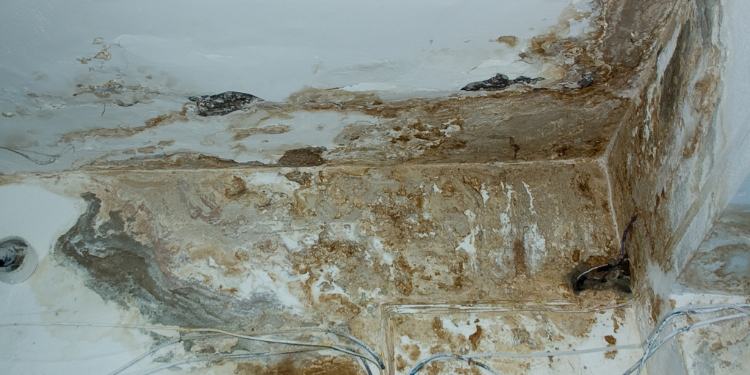
Most people think leak detection is all about spotting obvious puddles, hearing a loud hiss, or watching the water meter spin like a fan. In reality, the most dangerous leaks in a home or business around Richardson, TX almost never announce themselves that clearly. They hide in slab foundations, inside walls, under landscaping, and even beneath decorative tile. By the time discoloration or mold shows up, the leak may have been at work for weeks or months, quietly damaging structure, wasting water, and driving utility bills higher.
Another misconception is that leak detection is just a matter of guesswork with a sledgehammer: cut open some drywall, jackhammer a little concrete, and hope you find the problem. Modern leak detection, especially the kind practiced by specialists like Casto Leak Detection, is far more precise. Technicians use a blend of acoustic, thermal, and pressure-based techniques to locate hidden leaks with surprising accuracy, often without tearing up your home. The goal is not only to discover that you have a leak, but to pinpoint its location and understand its cause, so the repair is targeted and permanent.
Uncovering hidden leaks today is a blend of science, technology, and practical field experience. From advanced listening devices that can hear a pinhole leak through a concrete slab, to thermal cameras that reveal temperature anomalies behind drywall, there are now refined methods to find problems long before catastrophic damage appears. For homeowners in Richardson, TX, knowing how these techniques work and when to call in experts like Casto Leak Detection can mean the difference between a small repair and a major restoration project.
Why Hidden Leaks Are So Tricky
Hidden leaks are deceptive because they rarely behave the way people expect. Instead of spraying dramatically, many leaks seep slowly, following the path of least resistance through insulation, soil, and framing. Water can travel horizontally before it ever appears on a ceiling or floor, so the visible stain may be far from the actual source. This leads many homeowners to repair the wrong area, only to have the problem return.
In Richardson, TX, slab-on-grade foundations are common, and that adds another layer of difficulty. Plumbing lines often run beneath the concrete, so a leak may be buried several inches under a dense slab. The water may escape into the soil instead of rising into the home, meaning you might never see a puddle or wet spot indoors. What you notice instead could be subtle: a warm patch on the floor, a faint sound in quiet hours, or a water bill that doesn’t match your usage.
Climate also plays a role. North Texas heat, soil movement, and seasonal moisture changes put stress on pipes, particularly older copper or galvanized lines. Small cracks can develop slowly, and because they start as hairline openings, they rarely create the kind of dramatic symptoms that prompt immediate attention. That’s why understanding hidden leak detection techniques is so vital: you want to catch these issues while they are still minor and manageable.
Acoustic Listening: Hearing Through Concrete
One of the most powerful tools in modern leak detection is acoustic listening. At its core, the method sounds simple: press a sensitive listening device to surfaces and listen for the distinct noise of water escaping from a pressurized pipe. In practice, it requires specialized equipment and a trained ear. The sound of a pinhole leak under a slab is different from the sound of a joint failure in a wall, and both are different from normal water flow or household noise.
Technicians from Casto Leak Detection use advanced electronic listening devices that amplify and filter sound. These instruments can pick up vibrations from leaks that human ears would never notice unaided. By methodically moving across floors, driveways, and yard areas, they can map where the sound grows louder or changes in tone. It’s a bit like using a stethoscope on your home’s plumbing system, but with far greater sensitivity and accuracy.
Acoustic detection is especially valuable for slab leaks in Richardson, TX homes. Instead of blindly breaking through concrete, the technician zeroes in on the loudest point of the leak signature. This allows for a much smaller access area, minimizing demolition and repair costs. In many cases, knowing the precise location also opens up alternative repair options, such as rerouting lines rather than excavating large sections of the slab.
Thermal Imaging And Temperature Clues
Water leaks often change the temperature of surrounding materials, and thermal imaging cameras are designed to reveal those subtle differences. These devices don’t see water directly; they detect variations in surface temperature, translating them into color-coded images. Cold water leaking into a warm environment, or hot water spreading through cooler materials, creates a visible pattern that can guide investigators to the hidden source.
In a Richardson home, a thermal camera might be used to scan walls, ceilings, and floors when there is suspicion of a hidden leak but no clear visual evidence. For example, if you notice musty odors or hear faint dripping but see nothing, thermal imaging can help reveal damp insulation or wet framing behind drywall. The technician looks for cooler or warmer blotches that follow the path of the pipe or radiate outward from a suspected leak point.
Thermal imaging is particularly helpful when combined with other techniques. A Casto Leak Detection specialist might first perform a pressure test to confirm that a line is leaking, then use thermal imaging to narrow down the area before employing acoustic equipment for final pinpointing. This layered approach reduces guesswork and avoids unnecessary cutting into walls or ceilings, preserving finishes and reducing disruption in your Richardson, TX property.
Pressure Testing And Line Isolation
While high-tech listening and imaging tools are impressive, some of the most effective leak detection techniques are grounded in basic physics. Pressure testing is a prime example. By isolating segments of your plumbing system and monitoring how they hold pressure, technicians can determine whether a particular line is sound or leaking, even if no water is visible anywhere in the home.
The process usually begins by shutting off water to specific branches of the system: for instance, separating the irrigation line from the domestic supply, or isolating hot water lines from cold. Each isolated section is then pressurized to a known value and observed for a set period. A steady drop in pressure indicates a leak somewhere in that segment, while stable readings suggest those pipes are intact.
In Richardson, TX, where properties may have complex layouts with multiple bathrooms, exterior spigots, and irrigation zones, pressure testing is essential for narrowing the search. Once technicians from Casto Leak Detection know which section is compromised, they can focus other detection methods—like acoustic listening or thermal imaging—on that area. This systematic approach is far more efficient than checking the entire plumbing network at once.
Tracing Moisture Paths And Non-Destructive Tools
Not every hidden leak announces itself with noise or temperature changes. Some leaks move slowly through porous materials, making their presence known primarily through moisture content. For these situations, leak detection specialists rely on non-destructive moisture meters and other diagnostic tools that can read what’s happening beneath surfaces without opening them up.
Moisture meters come in different types, but many use either pins or electromagnetic fields to gauge how wet a material is. When pressed against drywall, baseboards, or flooring, they provide readings that show whether the material is dry, damp, or saturated. By taking multiple readings across an area, a technician can map out the extent of moisture and infer where the leak is most likely originating.
In Richardson homes with wood flooring or laminate over slabs, these tools are invaluable. A small leak under the slab might not show an obvious puddle, but you might notice slight cupping or warping in the boards. The moisture meter helps confirm that water is present beneath, and combined with other techniques, points to the exact location. This allows targeted repairs and helps prevent long-term rot, mold growth, or structural damage.
When To Call A Leak Detection Specialist
Knowing that advanced techniques exist is one thing; recognizing when you need professional help is another. Many Richardson, TX homeowners delay calling a specialist because they hope the issue will resolve on its own or because the symptoms seem too minor to justify an inspection. Unfortunately, small warning signs often precede serious damage, especially with slab and in-wall leaks.
Persistent increases in your water bill, even when your usage habits haven’t changed, are one of the clearest indicators that something is wrong. Another red flag is the sound of running water when all fixtures and appliances are off. Unexplained warm areas on tile or concrete floors, small cracks in walls or flooring that seem to grow, and recurring mold or mildew odors can all point to hidden leaks.
Casto Leak Detection focuses specifically on finding and diagnosing these hard-to-see problems in the Richardson area. Rather than relying on trial-and-error demolition, they bring the full suite of detection methods—acoustic, thermal, pressure-based, and moisture mapping—to your property. When appropriate, they can also advise on repair options, including solutions related to Slab Leak Repair, so you are not left guessing about the next steps after a leak is found.
Frequently Asked Questions
How can I tell if I have a hidden leak in my Richardson, TX home? Common signs include unexplained spikes in your water bill, the sound of water running when all fixtures are off, warm or damp spots on floors, recurring mold or mildew odors, and areas of flooring that warp or buckle. You might also notice cracks in walls or foundation that appear or worsen over a short time. If any of these symptoms appear without a clear explanation, it is wise to schedule a professional leak inspection before visible damage escalates.
Are professional leak detection methods really non-destructive? Most modern leak detection techniques used by companies like Casto Leak Detection are designed to be minimally invasive. Acoustic listening, thermal imaging, pressure testing, and moisture mapping all collect information without opening walls or breaking concrete. In some cases, a small access point may still be necessary to confirm and repair the leak, but the goal is always to locate the issue as precisely as possible first, so any necessary demolition is limited and targeted.
Why can’t my regular plumber just find the leak without special equipment? Many plumbers are excellent at repairing visible leaks and installing new fixtures, but hidden leaks—especially those under slabs or within complex piping networks—often require dedicated tools and specialized experience. Leak detection specialists invest in advanced equipment and training focused solely on locating hard-to-find leaks. In Richardson, TX, a plumber may call in or recommend a company like Casto Leak Detection when traditional methods are not enough to pinpoint the problem accurately.
How long does a professional leak detection visit usually take? The time required depends on the complexity of the plumbing system and the nature of the symptoms. A straightforward case with clear signs might be resolved in a couple of hours, while a large home with multiple potential problem areas could take most of a day. The technician will typically start with broad tests, like meter checks and pressure tests, then narrow the search using acoustic listening, thermal imaging, and moisture readings until the leak is identified.
Is leak detection worth it if I only suspect a small issue? Addressing leaks early is almost always more cost-effective than waiting for major damage. Even small leaks can waste thousands of gallons of water over time and contribute to mold growth, structural deterioration, and higher utility bills. For homeowners in Richardson, TX, investing in professional leak detection when you first notice suspicious signs can prevent far more expensive repairs later, protect your property’s value, and give you peace of mind about the condition of your plumbing system.