The first hint that something was wrong was the cold splash in the middle of a hot shower. A homeowner in Richardson, TX, had been ignoring the rattling noises and rusty-colored water for months, hoping the water heater would hold on “just a little longer.” One morning, it didn’t. Suddenly, they were on the phone, scrambling for an emergency replacement, trying to understand terms like capacity, venting, and code requirements while towels soaked up water from a slow leak around the tank. The actual installation took a few hours, but the stress leading up to it came from one thing: they weren’t prepared.
Water heater installation is one of those home projects that seems straightforward from the outside—remove the old tank, bring in the new one, hook it up, and you’re done. In reality, there are dozens of decisions and details that affect safety, performance, and long-term costs. From choosing the right size and fuel type to making sure your plumbing, gas lines, and electrical systems can support the new unit, preparation is where most of the real work happens. When homeowners in Richardson plan ahead and understand the process, installation day becomes a smooth upgrade instead of a stressful emergency.
Whether you are replacing a failing unit or upgrading to something more efficient, knowing how to prepare your home, your budget, and your expectations will make a huge difference. A professional team like Casto Leak Detection can handle the technical side, but the more you understand before they arrive, the better your results will be. Let’s walk through how to prepare for water heater installation step by step so you know exactly what to expect and what you can do in advance.
Assessing Your Current Setup
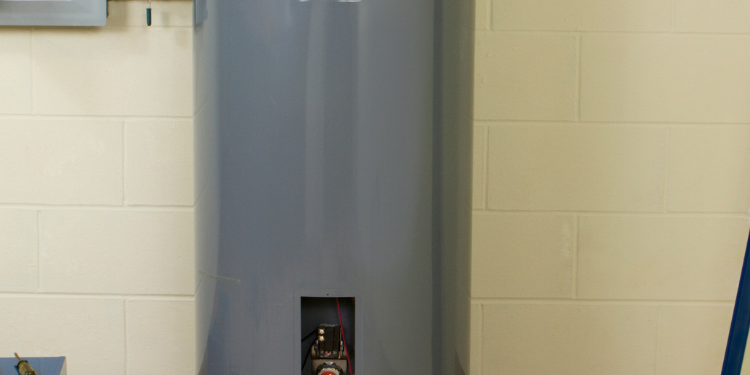
Preparation starts long before the new water heater shows up at your door. The first step is to really understand what you already have. Take a look at your current water heater’s label; you’ll usually find information such as gallon capacity, fuel type (gas or electric), BTU input or wattage, energy factor, and manufacture date. Many tanks in Richardson homes are 40 or 50 gallons, but that doesn’t mean that’s what you actually need. Knowing these details gives your installer at Casto Leak Detection a baseline to recommend the right replacement.
Next, evaluate how well your current system is meeting your family’s needs. Do you frequently run out of hot water when multiple showers run back-to-back? Do you notice temperature swings when appliances like the dishwasher start up? Are your energy bills higher than expected for the size of your home? Making a quick list of these day-to-day frustrations or limitations helps guide the conversation about whether to stick with a similar model or consider a larger tank, higher recovery rate, or even a tankless system.
Location is another important part of assessing your setup. In Richardson, water heaters are commonly installed in garages, attics, closets, or utility rooms. Each location comes with its own safety and code considerations. For example, attic installations require safe access, adequate drainage, and robust drain pans to protect ceilings below. Garage units may need to be elevated off the floor to reduce ignition risk from flammable vapors. Taking photos of the current installation area and noting clearances, nearby electrical outlets, and gas shutoff valves can be very helpful when you speak with a professional.
Finally, check for obvious warning signs that your existing system may have caused or be at risk of causing damage. Look for water stains, corrosion around fittings, rust at the bottom of the tank, or moisture in the drain pan. Companies like Casto Leak Detection specialize in finding hidden issues, and if a slow leak has been occurring, it may be wise to evaluate nearby plumbing and even consider related services like Slab Leak Repair if there are signs of water intrusion beneath the foundation.
Choosing The Right Replacement
Once you understand your current setup, the next major step is deciding what type of water heater will replace it. This is where many homeowners feel overwhelmed by options, but a structured approach makes the decision manageable. Start with fuel type: if your home is already set up for natural gas, staying with gas is often the most cost-effective choice. If you only have electric service, switching to gas may require new gas lines and venting, which adds complexity and cost. In Richardson, where energy costs and building codes both matter, a conversation with a knowledgeable installer can clarify your best path.
Capacity and recovery rate are just as important. A 40-gallon tank might be enough for a couple with modest hot water use, but a family of five with multiple bathrooms and laundry loads may need a 50-gallon or larger unit, or even a high-efficiency tankless system. Consider your household routines: morning shower rush, evening baths for kids, back-to-back laundry cycles, and dishwashing. A professional from Casto Leak Detection can calculate your peak demand, but you can help by describing how and when your family uses hot water throughout the day.
Energy efficiency should also factor into your decision. Higher-efficiency models often cost more upfront but can significantly lower monthly utility bills. Look for energy ratings and consider how long you plan to stay in your current home. In a stable community like Richardson, where many families stay in their homes for years, the long-term savings of an efficient unit can easily outweigh the initial cost difference. Additionally, some local or utility rebates may be available for high-efficiency or tankless installations, which your installer can help you navigate.
Finally, think about future-proofing. Are you planning to add a bathroom, convert a garage, or build an addition in the next few years? These changes can increase hot water demand. Choosing a system that can accommodate near-future growth can prevent another replacement sooner than necessary. Similarly, if you’re considering smart home upgrades, you might explore models with Wi-Fi monitoring, leak detection sensors, and programmable settings that give you more control over your hot water and energy use.
Preparing The Installation Area
Once the new unit is selected, your attention should shift to the physical space where it will be installed. Clearing and preparing this area before the technicians from Casto Leak Detection arrive can save time and help prevent accidents. Start by removing stored items, boxes, and clutter within a few feet of the water heater. In many Richardson homes, water heaters share space with holiday decorations, paint cans, or cleaning supplies. Clearing a generous workspace allows the installers to move the old unit out and bring the new one in without tripping hazards or damage to your belongings.
Check for basic access routes from the entry door to the water heater location. Measure any tight hallways, doorways, or attic openings if your water heater is in a less accessible area. Inform your installer if there are narrow stairs, low ceilings, or sharp turns that might require special handling or different equipment. This is particularly important for attic installations in older Richardson homes, where access can be tight and safety is a concern when moving heavy equipment up and down.
Ventilation and combustion air are critical for gas water heaters. While your installer will inspect and correct any issues, you can visually inspect the area to ensure it isn’t sealed off or packed with insulation or stored items that restrict airflow. A water heater that doesn’t get enough fresh air can operate inefficiently or even unsafely. If you notice blocked vents, damaged vent pipes, or makeshift repairs, mention these when scheduling your installation so the technician knows to plan for potential venting work.
Finally, consider drainage and leak protection. Make sure the existing drain pan (if present) is not cracked or corroded, and that the drain line is clear and directed to an appropriate discharge location. In multi-story homes in Richardson, a properly installed pan and drain line can be the difference between a minor leak and major ceiling damage. Your installer may recommend upgrading the pan or adding leak detection devices for additional protection, and being aware of the current condition helps you make faster decisions on installation day.
Coordinating Utilities And Access
Water heater installation involves more than just plumbing connections; it also relies on safe and accessible utilities. Before installation day, locate your home’s main water shutoff, gas shutoff (if applicable), and electrical panel. While your installer will handle the actual operation of these controls, knowing their locations and ensuring they are accessible saves time and ensures quick action if something unexpected occurs. In some Richardson homes, shutoff valves are hidden behind panels or landscaping, so a quick check ahead of time is valuable.
For gas water heaters, confirm that your gas meter and gas lines are in good visible condition and not obstructed. If you smell gas or see signs of corrosion or damage, notify your installer and your gas utility provider immediately. Your installation professional may need to perform pressure tests or make minor updates to meet current code. Similarly, for electric water heaters, verify that the electrical panel is clearly labeled and that there’s enough capacity on the circuit to handle the new unit. Older homes may require electrical upgrades, which your installer can discuss with you in advance.
Think about access for the installation crew and equipment. Make arrangements for parking near your home, especially if you live on a narrow street or in a townhome community in Richardson. Secure pets in a separate room to prevent them from getting underfoot or slipping out an open door as installers move in and out. If you work from home, plan for some noise and brief periods when water service will be shut off, and schedule important calls or tasks accordingly.
It’s also wise to set aside time to be available during the installation window. Even with expert planning from a company like Casto Leak Detection, questions can arise about options such as expansion tanks, updated shutoff valves, or code-required upgrades. Being present allows you to make informed decisions on the spot instead of delaying the project. A typical replacement can take a few hours, but more complex upgrades can take longer, so plan your day with some flexibility.
Understanding Codes, Permits, And Safety
One of the most overlooked parts of preparing for water heater installation is understanding local codes and permit requirements. In cities like Richardson, TX, water heater installations must meet specific plumbing, mechanical, and sometimes energy codes. These rules govern everything from vent pipe size and slope to seismic strapping, drain pan requirements, and temperature and pressure relief valve discharge locations. Professional installers stay current on these codes, but as a homeowner, you should know that not all installations are equal; cutting corners might save a little money today but can create serious safety risks and future liability.
Permits are often required for water heater replacements, especially when changing fuel type, relocating the unit, or altering gas or electrical connections. A reputable company like Casto Leak Detection will typically handle the permitting process on your behalf, but it’s worth confirming this when you schedule the job. Proper permits can also be important when selling your home, as inspectors and buyers may ask for documentation to verify that major mechanical systems were installed to code.
Safety devices are another key part of code-compliant installation. This includes temperature and pressure relief valves, expansion tanks (often required with closed plumbing systems), properly sized venting for gas units, and correctly rated electrical disconnects for electric models. During the planning phase, your installer may recommend adding or upgrading these components. Understanding that these are not “extras” but essential safety measures makes it easier to see their value and approve them as part of the installation.
Finally, think about long-term safety and maintenance. Ask your installer to walk you through basic steps like shutting off water and gas to the heater, relighting a pilot (if applicable), and recognizing signs of trouble such as unusual noises, smells, or leaks. Knowing these basics will help you respond quickly if something seems off, and it reinforces the value of regular inspections and maintenance to keep your new water heater operating safely and efficiently for years to come.
What To Expect On Installation Day
When installation day arrives, a well-prepared homeowner can almost treat it like a home upgrade event rather than a disruption. The crew from Casto Leak Detection will typically start by confirming the details of the job: the model being installed, fuel type, location, and any previously discussed upgrades. They’ll shut off water, gas, and/or power to the existing unit and begin draining and disconnecting it. You can expect some noise from tools and the movement of the old tank, especially if it’s located in a tight space or attic.
Removing the old water heater is often the most physically demanding part of the job. In some Richardson homes, older tanks are rusted, heavy, or awkwardly positioned, which can take a bit of time to handle safely. Once removed, the installers will prepare the area for the new unit, which may include adjusting connections, upgrading flex lines, installing a new drain pan, or modifying venting. This is also when any code-related changes, such as adding an expansion tank or updating shutoff valves, are completed.
After the new water heater is placed and connected, the crew will carefully fill the tank, purge air from the lines, and restore gas or electrical power. For gas units, they’ll check for leaks and verify proper combustion and venting. For electric units, they’ll confirm that the wiring and breaker are correctly sized and functioning. You’ll likely be asked to wait a short time while the unit heats up so they can verify proper operation and you can confirm that hot water is flowing to key fixtures like showers and sinks.
Before leaving, a conscientious installer will walk you through the basics of your new system: where the shutoffs are, what temperature setting they recommend, how to read any display or indicator lights, and what maintenance schedule is appropriate. This is your chance to ask questions, clarify warranty details, and confirm any follow-up steps such as inspections or permit sign-offs required by the city of Richardson. When you’ve prepared well, this final walkthrough feels less like troubleshooting and more like learning how to use a new, valuable home asset.
Frequently Asked Questions
How long does a typical water heater installation take? For most straightforward replacements where the new unit is similar to the old one and located in the same place, installation usually takes about 2 to 4 hours. However, if your Richardson home requires updates to gas lines, venting, electrical circuits, or relocation of the unit, the process can extend to most of the day. Your installer should give you an estimated time frame based on your specific setup, and good preparation on your part (clearing the area, confirming access, and discussing upgrades beforehand) can help keep the project on schedule.
Do I need a permit to replace my water heater in Richardson, TX? In many cases, yes. Local codes often require permits for water heater installations, even when you are simply replacing an existing unit with a similar one. This ensures that gas, electrical, venting, and plumbing connections meet current safety standards. A professional company like Casto Leak Detection typically handles the permit process, including arranging any necessary inspections. It’s important to confirm this when scheduling your installation so you know that everything is being done in compliance with city requirements.
How do I know what size water heater I need? Sizing depends on both capacity (how many gallons the tank holds or how many gallons per minute a tankless unit can deliver) and recovery rate (how quickly it can reheat water). Factors include the number of people in your household, the number of bathrooms, and how you use hot water during peak times. For example, a family that runs multiple showers, a dishwasher, and laundry in the same time window will need more capacity or a higher recovery rate than a couple with staggered usage. An experienced installer will ask detailed questions about your household routines in Richardson and may use standardized sizing charts to recommend the right size.
Should I switch from a tank to a tankless water heater? Tankless water heaters offer benefits such as continuous hot water, higher energy efficiency, and a smaller physical footprint. However, they often have higher upfront costs and may require upgrades to gas lines or electrical service, especially in older homes. The decision to switch depends on your budget, long-term plans, and hot water needs. In some Richardson homes, a high-efficiency tank model is the most practical upgrade; in others, a tankless system delivers the best combination of comfort and savings. Discussing your goals with Casto Leak Detection can help determine whether a tankless conversion makes sense for you.
What can I do to extend the life of my new water heater? Regular maintenance is the key to longevity. This includes flushing the tank periodically to reduce sediment buildup, checking the anode rod to prevent internal corrosion, testing the temperature and pressure relief valve, and ensuring the temperature is set at a safe but efficient level (often around 120°F). In Richardson, where water quality can vary, sediment buildup can be a particular concern, so following your installer’s recommended maintenance schedule is important. Having a professional inspect the unit every few years can catch small issues before they turn into leaks or major failures, protecting both your investment and your home.