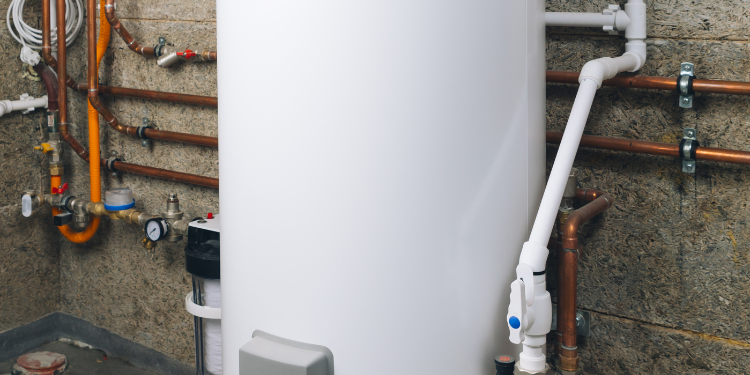
In many American homes, water heating accounts for nearly 20% of total energy use, making your water heater one of the most power-hungry appliances in the house. That single fact turns “just swapping out a tank” into a decision that affects your comfort, safety, and monthly utility bill for years. Understanding the basics of water heater installation is not just about knowing which pipe goes where; it is about making informed choices that fit your home, your budget, and your long-term plans.
For homeowners in Richardson, TX, where hot summers and cool winters place unique demands on plumbing systems, a water heater that is poorly sized, incorrectly vented, or improperly connected can quickly turn into a money drain or even a safety hazard. Whether you are replacing an aging unit or installing a new system in a remodel, learning the fundamentals helps you speak the same language as your installer, evaluate options clearly, and recognize when something does not look right. Casto Leak Detection regularly sees problems that started with small installation shortcuts and turned into big repair bills later; knowing the basics helps you avoid that path.
This guide walks through the core concepts of water heater installation in plain language: how different types of systems work, what goes into sizing and placement, the essential plumbing and safety connections, and why professional installation matters. The goal is not to turn you into a licensed plumber, but to give you the knowledge to make smart decisions and recognize quality work when you see it.
Types Of Water Heaters
The first step in understanding water heater installation is knowing what you are installing. The most common systems in Richardson, TX homes are traditional tank-style heaters and tankless (on-demand) heaters. Tank-style units store a large volume of hot water in an insulated tank, reheating it as the temperature drops. Tankless units heat water only when you open a tap, using powerful burners or heating elements to raise the temperature as the water flows through. Each type has very different installation requirements, from the size of the gas line to the electrical capacity and venting system.
Traditional tank heaters are often simpler to install and more forgiving of minor sizing errors. However, they take up more space and constantly maintain a full tank of hot water, which can increase energy use. Installation involves placing the tank on a stable base, connecting cold and hot water lines, setting up a temperature and pressure relief valve, and ensuring proper venting if it is a gas unit. Because many older homes in Richardson were built around tank-style heaters, replacing “like with like” can sometimes be more straightforward, but that does not mean it should be done without careful planning.
Tankless water heaters are more compact and efficient but often require more precise installation work. Gas tankless units may need larger gas lines and specialized venting to safely discharge exhaust. Electric tankless systems demand adequate electrical capacity and dedicated circuits. The location of a tankless unit becomes more strategic, as installers can place it closer to high-demand fixtures like bathrooms or kitchens to reduce waiting time for hot water. Casto Leak Detection frequently helps homeowners evaluate whether their existing gas or electrical infrastructure can support a tankless upgrade without major modifications.
There are also hybrid and heat pump water heaters, which are gaining popularity for their energy efficiency. These systems pull heat from the surrounding air and transfer it to the water, making them particularly effective in warm climates. However, they need sufficient space and air volume to operate properly and are more sensitive to placement. For many Richardson homeowners, understanding these options at a basic level helps frame the conversation with an installer about what truly fits their home and lifestyle.
Sizing And Capacity Decisions
Choosing the right size water heater is one of the most important installation basics, and it is an area where many homeowners guess instead of calculate. For tank-style heaters, capacity is measured in gallons, and the goal is to match the tank size to your household’s peak hot water demand. A family that frequently runs two showers, a dishwasher, and a washing machine in the same hour will need a larger tank than a couple who lives in a smaller home with fewer fixtures. Going too small leads to cold showers; going too large means you pay to heat water you never use.
Professionals often look at something called the “first-hour rating” for tank heaters, which estimates how much hot water the unit can deliver in one hour of heavy use. This number combines the tank size and the heater’s recovery rate (how quickly it can reheat water). In Richardson homes with multiple bathrooms, an installer from a company like Casto Leak Detection will consider your household size, your typical routines, and even your future plans, such as adding an extra bathroom or installing a large soaking tub.
Tankless water heaters are sized differently. Instead of gallons of storage, they are rated by flow rate (gallons per minute) at a given temperature rise. The installer calculates how many fixtures might run at the same time and how much temperature increase is needed from the incoming cold water to your desired hot water temperature. In winter, when incoming water is cooler, the heater has to work harder, so the sizing needs a buffer. This is particularly relevant in North Texas, where seasonal swings can change the incoming water temperature more than many people realize.
Incorrect sizing is not just an inconvenience; it can shorten the life of the unit. An undersized tankless heater that is constantly running at maximum capacity will wear out faster. An oversized tank system may short-cycle, which is also inefficient and can lead to more frequent maintenance issues. Understanding these basics prepares you to ask your installer how they calculated the size recommendation and to feel confident that the system you are buying is actually tailored to your home.
Placement, Clearances, And Local Codes
Where the water heater goes is not just a matter of finding an empty corner in the garage or attic. Proper placement is critical for safety, efficiency, and ease of maintenance. Local building codes in Richardson and the broader Dallas area set minimum standards for clearances around the unit, access for servicing, and how the heater is vented and drained. Ignoring these rules can result in failed inspections, safety risks, and headaches when repairs are needed.
For tank-style heaters, the installation area must support the weight of the full tank, which can easily exceed 400 pounds when filled with water. In attics or raised platforms, this means confirming structural stability. Installers also need to provide adequate clearance around the unit for air circulation and maintenance access. If the heater is located in a confined space, special provisions for combustion air may be required so gas units can burn safely without drawing oxygen from living spaces.
Drainage is another placement consideration that is often overlooked by homeowners. Every water heater should have a properly installed drain pan and a drain line that directs leaks or overflows to a safe discharge point, typically outside the structure. In Richardson, where sudden storms and humidity can already stress a home’s building envelope, a leaking water heater in an attic or closet can cause extensive damage if the drainage setup is inadequate. Casto Leak Detection frequently responds to hidden leak issues that started with a poorly installed or undersized drain pan.
Local codes also govern seismic strapping, elevation of gas water heaters in garages (to prevent ignition of flammable vapors), and the routing of vent pipes. A professional installer is responsible for staying current with these requirements, but as a homeowner, understanding that these rules exist helps you recognize when something seems improvised or out of place. Asking how the installation complies with Richardson and Texas code is a fair and important question during any water heater project.
Key Plumbing And Safety Components
Beyond the tank or tankless unit itself, several critical plumbing components must be installed correctly for the system to be safe and reliable. The temperature and pressure relief (T&P) valve is one of the most important. This valve is designed to open if pressure or temperature inside the tank exceeds safe levels, preventing the tank from rupturing or, in extreme cases, exploding. The discharge pipe from the T&P valve must be routed to a safe, visible location and terminate properly; it should never be capped or reduced in size.
Shutoff valves on the cold water supply line allow the unit to be isolated for maintenance or replacement without shutting off water to the entire house. These valves need to be accessible and clearly identifiable. Flexible connectors are often used to join the water heater to the home’s plumbing system, but they must be rated for hot water and installed without sharp bends or kinks. In areas with hard water, like much of North Texas, installers may also recommend dielectric unions to reduce corrosion where copper and steel components meet.
On gas water heaters, the gas connection and venting system are major safety concerns. The gas shutoff valve should be located near the unit and easily reachable. Installers need to check for leaks at all joints using appropriate testing methods. The vent pipe must be sized correctly, slope upward, and be free of gaps or backdraft risks. Poor venting can allow carbon monoxide to enter living spaces, which is why many Richardson homeowners choose to have a CO detector installed near gas appliances.
Electrical connections also matter, even on gas units that use electric ignition or control systems. Proper grounding, correct breaker size, and adherence to manufacturer wiring diagrams are all part of a safe installation. Casto Leak Detection emphasizes that many water heater leaks they investigate are not just plumbing failures but the result of pressure issues, incorrect valve installations, or lack of expansion tanks in closed systems. Understanding that your installation is more than just “hot and cold pipes” helps you appreciate why professional attention to these details is essential.
DIY Versus Professional Installation
With so many tutorials available online, it is tempting for some homeowners to see water heater installation as a weekend project. While certain handy individuals can manage simple replacements, there are important reasons why many installations are best left to licensed professionals, especially in a city like Richardson where code compliance and safety standards are strictly enforced. A water heater is connected to three potentially dangerous systems at once: water, gas or high-voltage electricity, and, in many cases, combustion venting.
DIY installations often run into problems that are not obvious at first. A small leak at a fitting may go unnoticed in an attic for months, slowly damaging insulation, framing, and ceilings below. An incorrectly sloped vent pipe might seem to work fine until weather conditions cause backdrafting. An undersized gas line may not show symptoms until another gas appliance is running at the same time. Professionals from companies such as Casto Leak Detection are trained to anticipate these issues and design installations that avoid them.
Another consideration is warranty and insurance coverage. Many manufacturers require professional installation for their warranties to remain valid. Home insurers may also look closely at who installed a water heater if a claim is filed for water damage or fire. Saving some money on labor upfront can be quickly overshadowed by out-of-pocket costs if a leak or failure occurs and the installation is deemed non-compliant or improperly documented.
That said, being informed as a homeowner is still valuable even when you hire a professional. Understanding the basics allows you to ask better questions, compare quotes more accurately, and verify that your installer is following best practices. It also makes you more confident about routine tasks like checking the T&P valve, adjusting the thermostat, or draining sediment from the tank, all of which can extend the life of your system and keep it running efficiently.
Working With A Local Specialist
Water heater installation is not a one-size-fits-all process, and local conditions matter. Richardson’s mix of older homes and newer developments means that plumbing systems can vary widely from one street to the next. Some homes have legacy galvanized piping, others have copper or PEX; some have gas service with sufficient capacity, others rely on electric heating. A local specialist understands these patterns and can quickly identify what will and will not work in a given property.
Companies like Casto Leak Detection bring an additional layer of expertise because they see the consequences of poor installations firsthand. When they are called to investigate leaks, corrosion, or recurring hot water issues, they often trace the root cause back to shortcuts taken during installation: missing expansion tanks, improperly supported piping, or inadequate drainage provisions. That experience shapes how they approach new installations, emphasizing long-term reliability over bare-minimum compliance.
Another advantage of working with a local professional is familiarity with Richardson’s inspection process and permitting requirements. A properly permitted installation protects you when you sell your home, as inspectors and buyers increasingly look for documentation that major systems were installed to code. It also ensures that a second set of eyes, the city inspector, reviews the work for safety and compliance.
Finally, ongoing support matters. A reputable local plumber or leak detection specialist will be available for follow-up questions, annual maintenance, and future upgrades. They know that your water heater is part of a larger plumbing system, and they can advise you on related issues such as pressure regulation, fixture upgrades, or even other services like Plumber work when the need arises. Building that relationship can save time and stress when the next plumbing project comes along.
Frequently Asked Questions
How long does a typical water heater installation take? For a straightforward replacement of a similar unit, most professional installers can complete the job in about three to five hours. This includes shutting off utilities, draining the old tank, removing it, setting the new unit, making all plumbing and gas or electrical connections, testing for leaks, and cleaning up the work area. More complex jobs, such as converting from tank to tankless or upgrading gas and vent lines, can take a full day or more. In Richardson, TX, scheduling may also factor in time for permit approvals and inspections, especially for significant changes.
Do I need a permit to replace my water heater in Richardson? In most cases, yes. Local codes typically require a permit for water heater replacement because the work involves gas, electrical, and plumbing systems that affect safety. A licensed installer will usually handle the permit process on your behalf, including scheduling any required inspections. Skipping the permit can lead to problems later, particularly if you sell your home or file an insurance claim related to the water heater. Always ask your installer how they are addressing permitting and code compliance before work begins.
How can I tell if my current water heater was installed correctly? There are a few visual checks you can do even without specialized tools. Look for a properly installed T&P relief valve with a discharge pipe that terminates near the floor or at an appropriate location, never capped or reduced. Check that there is a drain pan under the unit, especially if it is located in an attic or interior closet, and that the pan has a drain line leading outside or to an approved drain. Verify that shutoff valves are accessible and that vent pipes on gas units are securely connected and sloping upward. If anything looks improvised, corroded, or confusing, it may be worth having a professional like Casto Leak Detection perform a safety inspection.
How often should a water heater be replaced? The typical lifespan of a conventional tank-style water heater is around 8 to 12 years, depending on water quality, maintenance, and usage patterns. Tankless units often last longer, sometimes 15 to 20 years, but they still require regular maintenance such as descaling. Signs that replacement may be near include frequent repairs, rusty or discolored hot water, rumbling noises from sediment buildup, or visible leaks around the base of the unit. In Richardson’s hard-water environment, neglecting maintenance can shorten a heater’s life, so regular flushing and inspection are especially important.
What temperature should I set my water heater to? For most households, a setting around 120°F offers a good balance between safety, comfort, and energy efficiency. This temperature is generally hot enough to meet daily needs while reducing the risk of scalding and limiting mineral buildup and energy waste. Some homes with specific needs, such as dishwashers without built-in heaters or certain medical concerns, may require slightly higher settings, but those should be discussed with a professional. Whatever temperature you choose, make sure everyone in the household understands that extremely hot water can cause burns quickly, especially for children and older adults.