Most homeowners in Richardson don’t lose money on leaks because of one big, dramatic pipe burst. They lose it slowly, quietly, month after month, through tiny, hidden leaks that seem too insignificant to worry about. The mistake many people make is believing that if water isn’t pouring through the ceiling, there’s nothing urgent to fix. In reality, even a small, unseen leak behind a wall or under a slab can drain hundreds or thousands of dollars over time in higher water bills, property damage, and wasted energy.
Another misconception is that leak detection is only useful after you already know you have a serious problem. People wait for visible water stains, warped flooring, or a shockingly high water bill before calling a specialist. By that point, the damage is usually well underway. Professional leak detection, especially from a focused company like Casto Leak Detection in Richardson, TX, is designed to find problems long before they become disasters. When leaks are detected early, the cost of repair is almost always dramatically lower than the cost of waiting.
Leak detection isn’t just about plumbing; it’s a financial strategy. It protects the investment you’ve made in your home, shields you from surprise repair bills, and helps keep your monthly expenses under control. Whether your concern is your water bill, your foundation, or the resale value of your property, using leak detection proactively can be one of the smartest money-saving decisions you make as a homeowner in North Texas.
The Hidden Cost Of Small Leaks
It’s easy to underestimate how expensive a “minor” leak can be. A slow drip from a pipe connection, a small pinhole in a copper line under the slab, or a barely noticeable seep around a toilet base might not look like much. But consider that a faucet dripping once per second can waste more than 2,000 gallons of water a year. In a city like Richardson, TX, where utility costs add up quickly, that wasted water translates directly into higher monthly bills you never needed to pay.
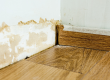
Beyond the water bill, there is the silent damage that moisture causes to building materials. Wood framing, drywall, insulation, and subflooring are all highly vulnerable to repeated exposure to water. A small leak behind a wall can slowly rot studs, cause drywall to crumble, and create the perfect environment for mold growth. By the time the stain appears on the paint or the flooring starts to buckle, the repair often involves demolition and reconstruction, not just a simple plumbing fix.
There’s also a health and safety cost that people rarely factor into the equation. Moist, enclosed spaces foster mold and mildew that can aggravate allergies, asthma, and other respiratory issues. If a leak goes undetected for months or years, cleaning up mold can require professional remediation, which is significantly more expensive than fixing a minor plumbing issue early. Professional leak detection from a company like Casto Leak Detection helps you catch those problems before they grow into health hazards and major repair projects.
When you add up wasted water, structural damage, mold remediation, and cosmetic repairs, what looked like a trivial leak can balloon into thousands of dollars. The core financial benefit of leak detection is simple: it shrinks the problem while it’s still small and cheap to fix.
How Leak Detection Actually Saves Money
Leak detection saves money in three main ways: lowering utility costs, reducing repair bills, and extending the life of your plumbing system and home components. First, by pinpointing leaks quickly, you immediately stop water waste. Even if your bill only drops by $15–$20 a month, that adds up to hundreds of dollars over a few years. For larger hidden leaks, the savings can be much more dramatic, especially if you’ve been paying for water that never reaches your fixtures.
Second, accurate detection reduces the cost of finding and fixing the problem itself. Without proper tools, plumbers sometimes have to open walls, dig in yards, or break concrete in multiple places just to locate the leak. Every unnecessary hole is more labor, more materials, and more repair work. Modern leak detection equipment allows specialists like Casto Leak Detection to locate the source with minimal disruption, so you pay for one targeted repair instead of a series of guesses.
Third, leak detection protects your long-term investments in your home. Persistent moisture can damage flooring, cabinetry, countertops, and built-in fixtures. It can also compromise your home’s foundation if water is leaking under the slab or around the perimeter. In Richardson and the surrounding North Texas area, soil movement is already a concern; adding water from a hidden plumbing leak only increases the risk of foundation issues. Preventing or minimizing foundation movement alone can save you tens of thousands of dollars over the lifespan of your home.
When you look at leak detection as a preventative financial tool instead of a last-resort service, the math changes. A single leak detection visit that helps you avoid foundation repair, mold remediation, or major reconstruction pays for itself many times over.
Richardson’s Unique Plumbing Challenges
Homes in Richardson, TX face some specific conditions that make proactive leak detection especially valuable. The region’s expansive clay soil swells when wet and shrinks when dry, causing constant movement under your foundation. This movement can stress underground pipes, particularly older copper or galvanized lines, leading to pinhole leaks or cracked joints. These leaks are often hidden under the slab, where they can go unnoticed for a long time while steadily eroding the foundation and wasting water.
Many Richardson neighborhoods also have a mix of older homes and newer construction. Older homes may have aging plumbing materials, outdated connections, or previous repairs that weren’t done with modern standards. Newer homes, while built with better materials, can still have installation errors or high water pressure that puts extra stress on pipes and fixtures. In both cases, the signs of a problem may be subtle: a faint hissing sound, a warm spot on the floor, or a small but unexplained jump in your water bill.
Weather patterns in North Texas add another complication. Rapid temperature swings, periods of drought followed by heavy rain, and occasional deep freezes can all affect plumbing systems. Pipes may expand and contract, seals can dry out, and outdoor irrigation lines can crack. Because these changes are gradual, homeowners often miss them until the damage is obvious. Regular leak detection helps offset these environmental stressors by catching issues caused by soil movement, temperature changes, or aging materials before they become emergencies.
Companies that specialize in this region, like Casto Leak Detection, understand how local soil, weather, and building practices interact. That local knowledge helps them quickly interpret subtle signs and patterns that might be missed by a less experienced eye, saving you both time and money.
From Guesswork To Precision
One of the biggest financial advantages of modern leak detection is the shift from guesswork to precision. In the past, locating a hidden leak often meant trial and error: cutting into walls, pulling up flooring, or breaking sections of slab until the source was found. Every exploratory hole was a cost, and every wrong guess added to the repair bill. Today, specialized tools can “see” and “hear” what’s happening inside your plumbing system without tearing your home apart.
Acoustic listening devices, for example, can detect the sound of water escaping from a pressurized pipe, even when it’s buried or behind layers of building material. Thermal imaging cameras can reveal temperature differences that indicate a hot water leak under a slab or behind a wall. Moisture meters can pinpoint damp areas that aren’t yet visible on the surface. Combining these tools allows a leak detection specialist to zero in on the problem with remarkable accuracy.
That accuracy directly translates into cost savings. If the technician can identify the exact tile to remove, the specific section of pipe to replace, or the precise area of landscaping to dig, the repair is smaller, faster, and less disruptive. There’s less time spent on labor, fewer materials to replace, and fewer follow-up cosmetic repairs. In many cases, the cost of the leak detection itself is less than what you would have paid in extra labor and reconstruction without it.
Casto Leak Detection uses this kind of technology-driven approach in Richardson homes, which is especially helpful for slab leaks and complex plumbing layouts. Instead of paying for large-scale demolition to find a leak, you pay for expertise and precision that keeps the repair as minimal as possible.
Preventive Inspections As A Money Strategy
Most people think of calling a leak detection specialist only after they suspect something is wrong. A smarter approach is to treat leak detection like an annual checkup for your home, similar to servicing your HVAC system or cleaning your gutters. Preventive inspections are particularly valuable for older homes, properties with a history of leaks, or houses that have undergone major renovations.
During a preventive leak inspection, a specialist can test water pressure, listen for hidden leaks, inspect visible plumbing, and evaluate areas that are most vulnerable, such as slab foundations, water heater connections, and irrigation tie-ins. Even if no active leak is found, you gain information about the overall health of your plumbing system. You may discover early warning signs, like excessive water pressure or corroded fittings, that can be addressed before they fail.
Financially, this approach spreads out your costs and reduces the risk of sudden, high-dollar emergencies. Instead of facing a surprise $5,000 repair when a hidden leak finally reveals itself, you might invest in smaller, planned maintenance items over time. This is especially important for budget-conscious homeowners or landlords managing multiple properties in Richardson. A relatively low-cost inspection can prevent the kind of damage that leads to lost rental income, emergency repairs, and unhappy tenants.
For homeowners planning to sell in the near future, a clean bill of health from a leak detection standpoint can also support your asking price. Buyers are increasingly cautious about hidden issues like slab leaks and mold. Being able to show that you’ve proactively checked and maintained your plumbing system can make your property more attractive and help avoid last-minute negotiations or repair credits.
Real-World Scenarios Where Detection Pays Off
To understand the money-saving potential of leak detection, it helps to imagine a few common scenarios. Consider a Richardson homeowner who notices a slight warm spot on the living room floor, but no visible water. Ignoring it seems easy, but that spot might be a hot water slab leak. Left alone, it can undermine the foundation, inflate water and energy bills, and eventually cause flooring failure. With professional leak detection, the exact location can be identified and repaired through a small opening, costing far less than major slab and flooring reconstruction later.
Another scenario involves an unexplained jump in the water bill. Many people assume the city made a mistake or that family members simply used more water that month. But a hidden leak in an irrigation line or under the yard could be the culprit. Leak detection can isolate whether the leak is in the house or in the yard, and precisely where. Fixing a single broken underground line can bring the bill back down and prevent soil erosion or damage to landscaping.
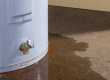
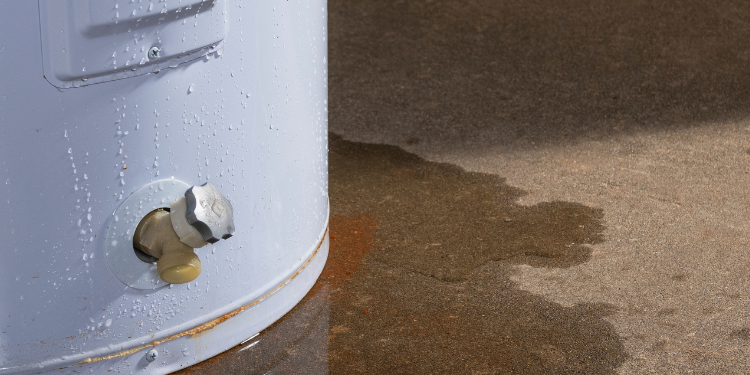
Even aging water heaters and their connections can benefit from careful inspection. A slow leak at a water heater’s fittings might drip into the pan and evaporate or seep into nearby walls, going unnoticed for months. Detecting and correcting that early can prevent water damage to adjacent rooms or the garage and avoid the cost of emergency replacement if the unit fails catastrophically. If you ever do need water heater help, you can consult a professional Plumber to address repairs or installation.
Across all these scenarios, the pattern is the same: leak detection converts a future, expensive crisis into a present, manageable repair. That time shift is where the real money savings happen.
Frequently Asked Questions
How do I know if I need leak detection? You don’t need water pouring through the ceiling to justify a leak inspection. Signs like unexplained increases in your water bill, sounds of running water when everything is off, damp or warm spots on floors, musty odors, or low water pressure can all indicate hidden leaks. In Richardson, TX, homes with slab foundations or older plumbing are especially good candidates for periodic leak checks, even if no obvious symptoms are present. If anything about your water usage or home environment feels “off,” it’s worth having a professional take a closer look.
Is professional leak detection really cheaper than just fixing visible problems? Yes, because you’re not just paying to fix what you can see; you’re preventing what you can’t see yet. Visible problems like stains or warped flooring are often the final result of a leak that has been active for a long time. By the time those symptoms appear, the water may have already damaged framing, insulation, or even your foundation. Professional leak detection targets the source early, which usually means smaller repairs, less demolition, and lower labor costs overall.
What methods does a leak detection company use? A specialized company like Casto Leak Detection typically combines several non-invasive tools and techniques. These can include acoustic listening devices to hear water escaping under pressure, thermal imaging cameras to spot temperature differences from hot water leaks, and moisture meters to find damp areas behind walls or under floors. In some cases, pressure testing or tracer gas may be used for particularly difficult leaks. The goal is to locate the problem accurately while minimizing damage to your home during the diagnostic process.
How often should I have my home checked for leaks? The ideal frequency depends on your home’s age, plumbing history, and risk factors. For newer homes with no history of leaks, a thorough inspection every few years or when you notice any suspicious signs may be sufficient. Older homes, properties with prior slab leaks, or houses in areas of Richardson with particularly active soil movement may benefit from more regular checks, such as every one to two years. If your water bills are unpredictable or you’ve had multiple plumbing issues, scheduling proactive leak detection is a smart way to stabilize costs.
Can leak detection help with insurance claims? In many cases, yes. When a leak has caused significant damage, insurance companies often want clear documentation of the source and extent of the problem. A professional leak detection report can provide evidence that the issue was identified and addressed properly. While coverage depends on your specific policy and the nature of the leak, having detailed findings from a specialist can streamline the claims process and help avoid disputes about the cause or timing of the damage.