More than 10 percent of American homes have plumbing leaks wasting at least 90 gallons of water a day, and slab leaks are among the most expensive and disruptive of them all. What makes slab leaks especially tricky is that they hide under concrete foundations, often for months, quietly eroding soil, weakening structural supports, and inflating water bills long before a homeowner realizes anything is wrong. By the time warm spots on the floor, mysterious puddles, or cracks in the slab appear, damage is usually well underway and repair costs can vary dramatically.
For homeowners in Richardson, TX, understanding slab leak repair is not just about fixing a pipe; it is about understanding why costs can range from a few hundred dollars to several thousand. Variables such as access method, pipe material, home layout, and the extent of water damage all play a role. Companies like Casto Leak Detection focus on accurately pinpointing the source of the leak and then selecting the most cost-effective, long-term solution, but those decisions are based on factors most homeowners never see. Knowing what drives the price can help you make smarter choices, ask better questions, and avoid paying for unnecessary work.
Slab leak repair combines plumbing, construction, and sometimes even structural engineering. You are not just dealing with a broken pipe; you are dealing with concrete, flooring, potential mold remediation, and sometimes rerouting entire sections of your water system. That is why two neighbors in Richardson with similar homes can receive repair quotes that are thousands of dollars apart. Understanding how these costs are built—and what solutions are available—puts you in control instead of at the mercy of the next emergency.
What A Slab Leak Really Is
A slab leak occurs when a water line running beneath your home’s concrete foundation begins to leak. In many Richardson homes, especially older ones, water lines were installed under the slab when the house was built. Over time, these pipes can corrode, develop pinhole leaks, or crack due to shifting soil, construction flaws, or high water pressure. Because the pipes are encased in or beneath concrete, the leak has nowhere obvious to go, so water slowly seeps into the soil or up through the slab.
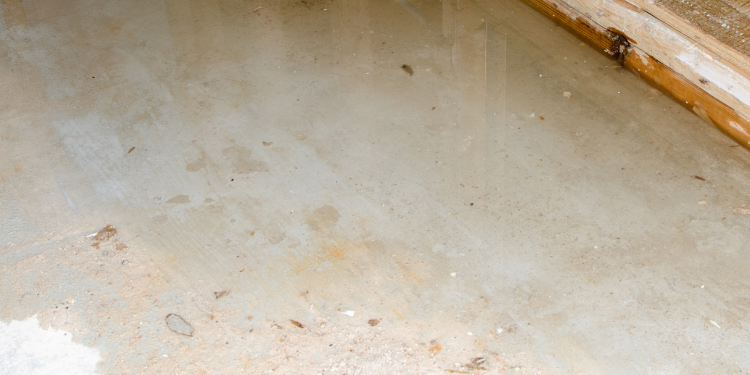
Unlike a leak under a sink or behind a wall, slab leaks rarely show themselves immediately. You might notice a hot spot on a tile floor where a hot water line is leaking, or a section of carpet that feels damp without any apparent source. Some homeowners in Richardson first suspect a problem when they see a sudden, unexplained spike in their water bill or hear faint running water even when all fixtures are off. By that point, water may have been eroding soil under the slab for weeks or months.
Left untreated, slab leaks can cause serious secondary damage. As water washes out soil, parts of the foundation can settle unevenly, leading to cracks in walls, doors that no longer close properly, or visible cracks in the slab itself. Moisture trapped under flooring can create a perfect environment for mold growth, affecting indoor air quality and creating health concerns. These downstream effects are a big part of why slab leak repair can become costly if not addressed early.
Key Factors That Drive Cost
When a Richardson homeowner calls Casto Leak Detection for help, one of the first questions is naturally, “How much will this cost?” The honest answer is that it depends on several key factors. The first major variable is access. If the leaking pipe is in an accessible location near the slab edge or in a part of the home with easy-to-remove flooring, repair tends to be less expensive. If it is centered under heavy concrete, high-end flooring, or in a tight area surrounded by other utilities, access becomes more complicated and labor-intensive.
Another significant cost driver is the extent and type of damage. A single, isolated pinhole leak in a short section of copper pipe is very different from multiple leaks along a long run of aging pipe. If the pipe network under the slab is deteriorating in several places, it may not be cost-effective to fix only one leak, as another one may appear soon after. In such cases, rerouting or repiping often becomes the smarter long-term investment, even though the upfront cost is higher.
Material and home design also play large roles. Older Richardson homes might have copper pipes that have been exposed to decades of mineral-heavy water and shifting clay soils. Newer homes might have PEX or other materials with different failure patterns. The thickness of the slab, the presence of post-tension cables, and the type of flooring (tile, hardwood, carpet, luxury vinyl) all affect how much time, equipment, and restoration work is required. Finally, local permitting requirements and whether structural engineers must be involved can add to the total cost.
Modern Leak Detection And Why It Matters
Before any slab leak repair can begin, the leak must be located with precision. This is where specialized leak detection services, like those offered by Casto Leak Detection in Richardson, TX, make a big difference in cost. Old-school methods relied heavily on guesswork and large exploratory demolition. Today, advanced tools such as electronic acoustic listening devices, pressure testing, infrared cameras, and tracer gases allow technicians to pinpoint leaks with remarkable accuracy, often within a few inches.
Accurate detection matters because every unnecessary hole cut in your slab or flooring is money and time wasted. By narrowing the repair area, you reduce demolition, disposal, and restoration costs. For example, being able to confirm that a leak is beneath the kitchen island versus somewhere in a 20-foot span of pipe can mean the difference between a small, localized repair and tearing up half the kitchen floor. Precision also minimizes disruption to your daily life, especially important if you are living in the home during repairs.
In some cases, detection testing may reveal more than one problem. A pressure test might show that both hot and cold lines have issues, or that there’s a main line leak near the foundation perimeter as well as under the slab. While that can be unsettling news, it also gives you the full picture. You can then decide, with the guidance of an experienced company, whether to address only the immediate leak or invest in a more comprehensive solution that prevents future emergencies and repeated repair bills.
Common Repair Options Explained
Once a slab leak is located, the next step is choosing the best repair method. The most traditional approach is direct access repair, where technicians break through the slab directly above the leak, cut out the damaged section of pipe, and replace it. This can be cost-effective for a single, easily accessible leak, especially if the surrounding piping is in otherwise good condition. However, it does involve concrete cutting, noise, dust, and restoration of both the slab and flooring.
Another option is pipe rerouting. Instead of repairing the pipe under the slab, plumbers abandon that section and run a new pipe through walls, ceilings, or attics. In many Richardson homes, rerouting is a smart solution when the leaking line is long, located under heavily finished areas, or when the existing pipe shows signs of widespread deterioration. While rerouting may require opening walls or ceilings, it avoids cutting into the slab and future leaks in that same section can be accessed far more easily.
In some situations, especially with certain pipe materials and configurations, epoxy lining or pipe coating may be considered. This involves cleaning the inside of the pipe and applying a lining that seals leaks from within. While this method can minimize demolition, it’s not ideal for every system and requires careful evaluation. A reputable company like Casto Leak Detection will explain the pros and cons of each method in the context of your specific home, water conditions, and budget, rather than pushing a one-size-fits-all solution.
Hidden And Secondary Costs To Watch
Many homeowners focus solely on the plumbing repair quote, but the full cost of a slab leak often includes several “hidden” or secondary expenses. One of the biggest is restoration. After the pipe is repaired or rerouted, you may need to replace broken concrete, reinstall tile or hardwood, patch drywall, repaint, or even replace damaged cabinetry. These costs can sometimes equal or exceed the plumbing work itself, especially with high-end finishes.
There is also the matter of water damage remediation. If the leak has been active for a while, subflooring, insulation, or wall cavities might be saturated. Professional drying, dehumidification, and mold remediation may be necessary to protect your home and health. Ignoring this step can lead to lingering odors, structural weakening, or mold growth that shows up months later. When comparing estimates, ask whether water damage mitigation is included or will require separate contractors.
Insurance is another important factor. Some homeowner policies in Texas provide coverage for the access and repair of slab leaks, while others may only cover the damage caused by the leak, not the actual plumbing fix. Deductibles, policy limits, and exclusions all matter. Working with a company experienced in Richardson-area claims can help you document the problem properly and communicate effectively with your insurer. While you cannot control your policy after the fact, you can control how thoroughly the issue is documented for potential reimbursement.
Preventing Future Slab Leaks And Managing Risk
Once you have gone through a slab leak repair, the last thing you want is a repeat performance. Prevention starts with understanding why the leak occurred in the first place. Common causes in the Richardson area include corrosive water chemistry, high water pressure, shifting clay soils, poor original pipe installation, and aging materials. Addressing these root causes can significantly reduce the chance of additional leaks under your slab.
Simple measures like installing a pressure-reducing valve, adding water softening or filtration where appropriate, and having your plumbing system periodically inspected can all help extend the life of your pipes. Some homeowners choose to proactively repipe vulnerable sections of their system, especially if the home is older and has a known history of leaks. While repiping is a larger upfront investment, it can be less expensive than dealing with multiple slab leaks and repeated restoration projects over several years.
It is also wise to pay attention to early warning signs. Unexplained water bill increases, constant sound of running water, damp flooring, or hot spots should never be ignored. If you suspect a problem, contacting a specialist like Casto Leak Detection quickly can mean the difference between a small, manageable repair and a major foundation and flooring project. Being proactive about your plumbing is far less stressful and costly than living in crisis mode every few years.
Frequently Asked Questions
How much does slab leak repair typically cost in Richardson, TX? Slab leak repair in Richardson can range from several hundred dollars for a simple, easily accessible repair to several thousand dollars for complex cases involving difficult access, rerouting, and significant restoration. Factors such as the location of the leak, the method of repair chosen, the extent of water damage, and the type of flooring and finishes all influence the final price. A detailed on-site assessment by a company like Casto Leak Detection is the only reliable way to get an accurate estimate tailored to your specific situation.
Will my homeowners insurance cover a slab leak? Coverage varies by policy, but many Texas homeowners policies may cover at least part of the cost associated with a slab leak. Often, the policy may pay for access to the leak and the resulting water damage (such as damaged flooring or drywall), but not always the actual plumbing repair itself. It is important to review your policy and speak with your insurance agent directly. Providing clear documentation, photos, and a written report from your leak detection and repair contractor can greatly help the claims process.
How long does slab leak repair usually take? The timeframe depends on the complexity of the job and the chosen repair method. Simple direct-access repairs where the leak is easy to reach might be completed in a day. More involved projects that require rerouting pipes, extensive concrete cutting, or coordination with other trades for restoration can take several days or longer. If additional services such as mold remediation or full flooring replacement are needed, total project time will increase accordingly. Your contractor should give you a realistic schedule after the initial assessment.
Is rerouting better than repairing the pipe under the slab? Rerouting is often recommended when the existing pipes are old, corroded, or have a history of multiple leaks. While direct repair under the slab might be less expensive in the short term, it does not address the condition of the rest of the line. Rerouting moves vulnerable sections of pipe into more accessible areas like walls or ceilings, making future maintenance easier and reducing the risk of new slab leaks. The “better” option depends on your home’s age, pipe material, leak history, and budget, which is why a thorough evaluation by an experienced specialist is essential.
Can slab leaks affect my water heater or other fixtures? Yes, slab leaks can indirectly affect other parts of your plumbing system. A hot water slab leak, for example, can cause your water heater to run constantly as it tries to keep up with the hidden demand, shortening its lifespan and increasing energy bills. Pressure imbalances from leaks can also put extra strain on fixtures and appliances. During a slab leak inspection, it is a good time to have other critical components, such as your water heater, evaluated as well. If you need related service, you can explore options like Water Heater Repair from qualified professionals.