Industry studies estimate that more than 60% of water heater failures show warning signs weeks or even months before they completely break down. Strange noises, slight temperature changes, or a faint metallic smell in the water might not seem like a big deal, but they can be early alerts that your system is heading toward a costly leak or sudden loss of hot water. Many Richardson, TX homeowners miss these clues, and by the time the problem is obvious, they’re dealing with water damage, emergency calls, and the expense of full replacement instead of a simple repair.
Knowing when you need professional water heater repair is not about guessing; it’s about recognizing patterns that point to trouble inside the tank, burner, heating elements, or plumbing connections. A water heater is under constant pressure and temperature changes, and when something goes wrong, it rarely fixes itself. Ignoring the early signs can shorten the life of your system and drive up your utility bills. When you understand what to watch for, you can call a specialist like Casto Leak Detection in Richardson, TX before a minor issue becomes a major crisis.
Whether your water heater is gas or electric, tank or tankless, the warning signs are surprisingly consistent: changes in water quality, unusual sounds, inconsistent temperatures, and visible signs of leaks or corrosion. Each of these symptoms can have multiple possible causes, and that’s where a professional eye matters. Instead of guessing and hoping for the best, a trained technician can pinpoint the problem quickly, recommend safe solutions, and help you get the most life out of your equipment.
Inconsistent Hot Water
One of the clearest signs that you need professional water heater repair is inconsistent hot water. If your showers swing from hot to lukewarm to cold without explanation, your system is telling you something. This is especially noticeable in busy Richardson homes where several people shower in the morning or run multiple appliances at once. While a slight drop in temperature can be normal during heavy use, dramatic or frequent changes are not.
In a traditional tank water heater, inconsistent temperature often points to failing heating elements, a malfunctioning thermostat, or excessive sediment buildup at the bottom of the tank. Sediment acts like an insulating blanket between the burner or elements and the water, forcing the system to work harder and still deliver uneven results. In a tankless system, temperature swings can indicate sensor issues, scale buildup inside the heat exchanger, or improper gas or electrical supply. These are not problems you can reliably diagnose just by looking at the unit.
Some homeowners try to solve temperature issues by simply turning up the thermostat, but that can actually create new risks, such as scalding water and added stress on the system. A professional from Casto Leak Detection can test the thermostat, inspect the heating elements or burner, and check for sediment or scale inside the unit. Addressing the root cause of inconsistent temperatures early can restore comfort, improve efficiency, and reduce the chance of sudden failure.
If you notice that hot water runs out much faster than it used to, even with the same daily routine, that is another important signal. It may mean that only one of the heating elements is working in an electric unit, or that part of the tank’s capacity is filled with hardened mineral deposits. In either case, waiting will not make the problem better, and a skilled technician can tell you whether a repair or a strategic upgrade is the smarter long-term move.
Strange Noises And Odors
Water heaters are not meant to be completely silent, but there is a big difference between a gentle hum and unsettling noises. If you hear popping, banging, rumbling, or crackling sounds coming from the tank, it is a major sign that you need professional attention. In many Richardson, TX homes, hard water is a reality, and over time minerals settle at the bottom of the tank. When the burner or heating elements try to heat water through that layer of sediment, steam bubbles form and collapse, creating the popping and rumbling you hear.
These noises are more than just annoying; they signal that your heater is working overtime to do a simple job. The longer this continues, the more stress you put on the tank and the higher your energy bills climb. The extra heat trapped under the sediment can also overheat the tank’s metal, increasing the risk of cracks or leaks. A technician from Casto Leak Detection can flush the tank, check for damage, and determine whether a simple cleaning will restore normal operation or if internal components need repair.
Unusual odors are another warning sign that you should never ignore. If your hot water has a rotten egg smell, that often indicates a reaction between the water, the tank’s anode rod, and naturally occurring bacteria. While it may not be dangerous by itself, it is unpleasant and can hint at imbalances or corrosion inside the tank. A metallic or rusty smell can be even more serious, pointing to internal rusting or contamination that may soon show up as discolored water or leaks.
In gas water heaters, a sharp gas or burning smell is an urgent red flag. You could be dealing with a gas leak, incomplete combustion, or venting problems that might allow carbon monoxide to build up. This is not a situation for DIY troubleshooting. Turning the unit off and calling a professional immediately is the safest choice. Experienced technicians have the tools to check for gas leaks, inspect burners, and test venting to make sure your family is safe.
Visible Leaks And Corrosion
Any time you see water around your water heater, it is worth taking seriously. Small puddles, damp spots, or even rust-colored streaks on the outside of the tank can be early signs that something is going wrong. Sometimes the source is a loose connection or a failing valve, both of which can often be repaired if caught early. However, leaks can also indicate internal corrosion or microscopic cracks in the tank itself, which are far more serious.
Corrosion is a natural enemy of any metal tank, especially in areas with mineral-heavy water like much of North Texas. Most water heaters have an anode rod designed to corrode first, protecting the tank. When that rod is used up and not replaced, the tank becomes the next target for rust. You might see orange or brownish stains near fittings, along seams, or around the temperature and pressure relief valve. Once corrosion breaks through the metal, leaks can start slowly and then escalate quickly.
A professional from Casto Leak Detection can differentiate between surface rust on external components and deeper structural corrosion that compromises the tank itself. They will inspect all valves, connections, and fittings, and test the temperature and pressure relief valve to ensure it opens and closes correctly. This is important not only for preventing leaks, but also for safety, because a stuck relief valve can allow dangerous pressure buildup inside the tank.
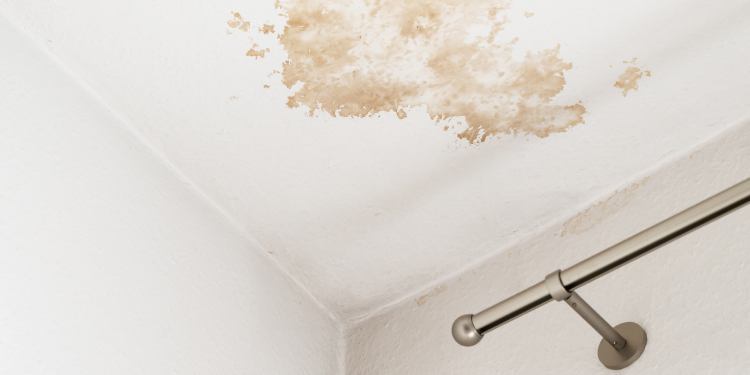
It may be tempting to ignore a tiny drip or just place a towel under a slow leak, especially if the heater is tucked away in a garage or closet. However, that moisture can spread into walls, subfloors, or nearby belongings, leading to mold growth, wood rot, and expensive repairs. Whether you are in a Richardson home or rental property, dealing with leaks promptly through professional repair protects both your investment and your peace of mind.
Discolored Or Smelly Hot Water
The water coming from your taps should be clear and odorless. When you start seeing brown, yellow, or cloudy hot water, your water heater is a likely suspect. Rusty or discolored water may mean that the inside of the tank is corroding, especially if the discoloration appears only when you run the hot side. Over time, this can stain fixtures, discolor laundry, and make you question the safety of the water you are using for bathing and cleaning.
Sometimes the issue may be related to the plumbing pipes rather than the water heater itself, which is another reason professional diagnosis is important. A technician from Casto Leak Detection can run tests to determine whether the discoloration originates in the heater or elsewhere in the plumbing system. If the problem is inside the tank, they will evaluate the condition of the anode rod, check for sediment buildup, and assess whether the tank is nearing the end of its useful life.
Foul smells from hot water can be equally concerning. As mentioned earlier, a rotten egg odor often relates to bacterial reactions with the anode rod, especially in systems that sit unused for periods or in homes that use well water. While specialized treatments and anode rod replacement can sometimes solve this, it must be handled with care to avoid damaging the tank or compromising water quality. Professional technicians know how to balance water chemistry, equipment condition, and safety considerations.
Even if the water is technically safe, living with unpleasant smells or discoloration is not something you should have to accept. Addressing these signs early can help you avoid sudden heater failure and give you time to plan for repair or replacement on your schedule, rather than in the middle of a busy workweek or holiday gathering.
Age, Efficiency, And Rising Bills
Another subtle but important sign you need professional water heater repair is a pattern of rising utility bills without a clear explanation. If your natural gas or electric bill is creeping up while your household habits stay the same, your water heater may be losing efficiency. Internal scale, failing thermostats, worn heating elements, or partially clogged burners can all force the system to work harder, using more energy to produce the same amount of hot water.
The age of your water heater plays a big role here. Most traditional tank heaters last around 8 to 12 years, depending on maintenance and water quality. Tankless units can last longer, but they still need periodic descaling and service. If your unit is approaching or past these age ranges and showing other symptoms like noise, inconsistent temperatures, or discolored water, calling a professional is wise. They can evaluate whether targeted repairs will extend the life of the unit or whether you are better off planning for a replacement.
In a place like Richardson, TX, where temperature swings can be significant, a struggling water heater may also have a harder time keeping up during colder months. You might notice longer waits for hot water, or that the water never gets quite as hot as it used to, even at the highest setting. Rather than guessing or repeatedly adjusting the thermostat, a technician can measure actual output, check safety controls, and identify hidden issues that are affecting performance.
Professional evaluation is not just about today’s problems; it is also about planning. A trusted local company such as Casto Leak Detection can help you weigh the cost of ongoing repairs against the benefits of upgrading to a newer, more efficient system, including modern tankless options. If that is the route you choose, you can work with an experienced Plumber to ensure the new unit is correctly sized, installed, and set up for long-term reliability.
When DIY Is Not Enough
Many homeowners are comfortable adjusting the thermostat, relighting a pilot light, or checking a breaker. Those simple steps can solve very minor issues. However, there is a clear line between basic user maintenance and work that should only be done by a professional. Anything involving gas lines, electrical components, internal tank repairs, or the temperature and pressure relief valve belongs firmly on the professional side of that line.
Attempting DIY repairs on a water heater without proper training and tools can create serious risks. Gas leaks, electrical shocks, scalding water, and even tank ruptures are all documented outcomes of incorrect repairs or adjustments. In addition, many manufacturer warranties require that major repairs be done by licensed professionals; otherwise, you may lose coverage if something goes wrong later.
Professionals bring more than just tools; they bring experience diagnosing subtle symptoms. For example, a homeowner might hear a banging noise and assume the tank is failing, while a technician recognizes water hammer in the plumbing lines. Another person might see discolored water and immediately replace the heater, when the real issue is older galvanized piping. Getting an expert opinion from a team like Casto Leak Detection saves time, money, and unnecessary stress.
In the end, your water heater is one of the most heavily used appliances in your Richardson home, even though it is often out of sight. When it starts sending signals that something is wrong, involving a professional early is the smartest move. You gain accurate information, safe repairs, and the confidence that your hot water will be there when you need it.
Frequently Asked Questions
How do I know if my water heater needs repair or replacement? The decision usually depends on the age of the unit, the severity of the problem, and the cost of repairs compared to replacement. If your heater is under 8–10 years old and the issue is limited to a thermostat, heating element, valve, or minor leak at a connection, repair is often the best choice. If the tank itself is corroded, leaking, or more than a decade old and showing multiple symptoms (noise, discoloration, frequent resets), a professional in Richardson, TX can help you determine whether replacement will be more cost-effective and reliable long-term.
Is a noisy water heater dangerous? Not always, but it should never be ignored. Rumbling, popping, and banging often indicate sediment buildup or scale on heating elements, which reduces efficiency and stresses the tank. While the noise itself is not immediately dangerous, the underlying conditions can lead to overheating, premature failure, or leaks. A technician from Casto Leak Detection can flush the tank, inspect components, and make sure there are no safety issues such as excessive pressure or burner problems.
Can I drain and flush my water heater myself? Some homeowners do perform basic flushing, but it must be done carefully to avoid burns, damage to valves, or incomplete draining. You need to shut off power or gas, allow the water to cool, connect a hose correctly, and know how to reopen valves in the proper sequence. If you are unsure, it is safer to have a professional handle it, especially if you suspect heavy sediment, corrosion, or if the unit has not been serviced in many years.
What should I do if I see water around my water heater? First, try to determine whether the water is coming from the heater or another nearby source such as a washing machine, AC drain, or pipe. If the water appears to be from the heater itself, avoid tampering with valves you are unfamiliar with. You can turn off the power or gas and the cold water supply to the unit, then call a professional. Quick action helps minimize damage to floors and walls and allows a technician to assess whether a repair is possible or if a replacement is necessary.
How often should my water heater be inspected? As a general guideline, an annual inspection is recommended for most water heaters, especially in areas with hard water like Richardson, TX. During an inspection, a professional will check for leaks, test safety valves, examine the anode rod, and look for early signs of wear or corrosion. Regular maintenance can significantly extend the life of your unit, improve efficiency, and help you avoid unexpected breakdowns.