How do skilled plumbers find and fix a hidden water leak buried under tons of concrete without tearing your entire home apart or wasting days guessing? Slab leaks are among the most stressful plumbing problems a homeowner can face, yet experienced professionals can often diagnose and repair them with surprising speed and precision. The key is not brute force, but a methodical process, specialized technology, and careful planning that keeps disruption and costs under control.
In Richardson, TX, where many homes sit on concrete slabs and shifting soil is a constant reality, efficient slab leak repair is not a luxury—it is essential. Companies like Casto Leak Detection rely on refined techniques that turn what could be a chaotic demolition job into a targeted, strategic repair. Instead of random jackhammering and guesswork, they follow a step-by-step system to locate the leak, confirm the cause, choose the right repair strategy, and restore the plumbing with minimal damage to your home.
Understanding how plumbers handle slab leak repair efficiently helps you know what to expect, what questions to ask, and why hiring a specialist often saves time and money in the long run. It is not simply about fixing a pipe; it is about preventing structural damage, controlling water waste, and protecting your home’s value with as little disruption as possible.
Understanding Slab Leaks
Before you can appreciate how efficiently plumbers handle slab leak repair, it helps to understand what a slab leak actually is. In many Richardson homes, the water lines run beneath a concrete foundation slab. Over time, these pipes can develop pinhole leaks, cracks, or breaks due to corrosion, shifting soil, construction defects, or simple age. Because the leak happens under the slab, you do not see an obvious burst pipe—just subtle signs like higher water bills, warm spots on the floor, or unexplained moisture.
Slab leaks are especially tricky because the water does not always surface directly above the damaged section of pipe. It can travel along the path of least resistance, following soil channels, foundation cracks, or even utility lines. This means the wet area or warm spot you notice in your Richardson living room might be several feet away from the actual leak. Efficient plumbers understand this and avoid assuming that the visible symptom equals the leak location.
Another challenge is that slab leaks do not just waste water; they can slowly undermine your foundation. As water saturates the soil beneath the slab, it can cause erosion, swelling, or settling that leads to cracks and structural movement. Efficient slab leak repair, therefore, is not just about plumbing. It is about protecting the stability of your entire home. This is why professionals like Casto Leak Detection place such importance on accuracy, speed, and long-term reliability in every repair decision they make.
Early Detection And Assessment
The most efficient slab leak repair begins long before the jackhammer comes out. It starts with early detection and a thorough assessment. When a homeowner in Richardson calls about a suspected slab leak, a professional plumber will first ask detailed questions: Have you noticed a sudden increase in your water bill? Are there warm areas on the floor? Do you hear water running when no fixtures are on? These clues help narrow down the possibilities and guide the diagnostic process.
Next, the plumber will typically perform a meter test. By shutting off all water fixtures and checking the water meter, they can confirm whether water is still flowing through the system. If the meter continues to move, it is a strong sign of an active leak. To refine the diagnosis, they may isolate different sections of the plumbing by using shut-off valves, determining whether the leak is on the hot or cold line, or whether it is inside or outside the home.
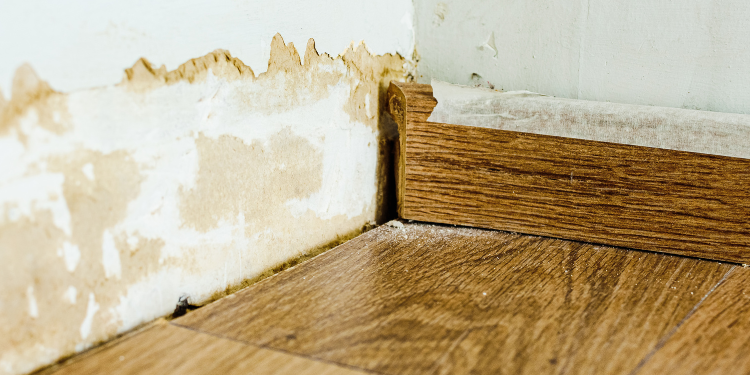
Efficient plumbers also pay attention to subtle signs in the home itself. They look for cracks in walls or floors, areas of mildew or dampness along baseboards, and sections of flooring that feel warmer or cooler than others. In Richardson’s climate, where HVAC systems and slab foundations interact closely, these signs can be nuanced. An experienced technician knows how to interpret them without jumping to conclusions, which prevents unnecessary cutting into the slab and keeps the repair focused and efficient.
Advanced Leak Location Technology
Once the plumber has confirmed that a slab leak likely exists, the next step is precise location. This is where efficiency hinges on technology and experience working together. Instead of ripping up large sections of flooring, professionals use specialized tools to pinpoint the problem area as closely as possible. This targeted approach dramatically reduces the amount of concrete that has to be opened.
One of the most common tools is electronic leak detection equipment. By pressurizing the water lines and using sensitive listening devices, plumbers can detect the sound of water escaping from the pipe beneath the slab. These acoustic tools amplify and filter the sound, allowing the technician to move systematically across the floor and triangulate the loudest point. This process requires a trained ear; background noises, pipe routing, and slab thickness all affect what the plumber hears.
In addition to acoustic detection, plumbers may use thermal imaging cameras, especially when dealing with hot water slab leaks. A thermal camera reveals temperature differences on the surface of floors and walls. A hot water leak will often appear as a warm pattern that contrasts with the cooler surrounding areas. This visual feedback helps confirm the suspected leak location and ensures that any concrete cutting will be as limited and precise as possible.
Other tools, such as tracer gas systems or pipe locators, may also come into play. For example, gas can be introduced into the plumbing system, and specialized detectors can sense where it escapes. Pipe locators help map the exact route of the pipes beneath the slab, so the plumber knows whether the suspected leak zone aligns with the actual pipe path. In Richardson, where home layouts and building practices vary, having a clear underground map prevents guesswork and speeds up decision-making.
Choosing The Right Repair Strategy
After the leak has been accurately located, the plumber must decide how to fix it in the most efficient, long-lasting way. There is rarely a one-size-fits-all answer; the choice depends on the condition of the pipes, the location of the leak, the age of the plumbing system, and the homeowner’s budget and goals. Skilled plumbers in Richardson, including the team at Casto Leak Detection, weigh these factors carefully before recommending a solution.
One common option is a direct access repair. In this method, the plumber cuts through the slab at the leak location, exposes the damaged section of pipe, and either repairs or replaces that segment. This approach is often chosen when the rest of the plumbing system is in good condition and the leak is in an accessible area. It is efficient because it addresses the problem precisely where it occurs, with minimal additional pipe work.
However, if the pipes beneath the slab are old, corroded, or have a history of multiple leaks, a direct repair might be a temporary fix rather than a long-term solution. In those cases, plumbers may recommend rerouting the line. Rerouting involves abandoning the leaking section under the slab and installing new piping through walls, ceilings, or attic spaces. While this can be more involved initially, it often prevents repeated slab leaks and makes future repairs easier and less invasive.
Another option, depending on the situation, is epoxy pipe lining or similar trenchless methods. These technologies allow plumbers to rehabilitate existing pipes from the inside by coating them with a durable lining material. While not suitable for every type of slab leak, especially if the pipe is severely collapsed or crushed, these methods can sometimes save time and reduce demolition. An efficient plumber will clearly explain which strategies are feasible in your specific Richardson home and why one makes more sense than another.
Minimizing Damage And Disruption
Efficiency is not just about speed; it is also about how little disruption the repair causes to your daily life. Professional plumbers take deliberate steps to protect your home while they work. Before any cutting or drilling begins, they cover nearby surfaces, move furniture when necessary, and set up dust control measures. This preparation may seem simple, but it saves hours of cleanup and prevents secondary damage to floors, walls, and furnishings.
When direct access through the slab is required, plumbers use specialized concrete saws and jackhammers designed for controlled cutting. They carefully measure and mark the smallest opening that will allow them to reach the damaged pipe. By working within a tight footprint, they reduce the amount of concrete and flooring that must be removed and later replaced. In a Richardson home with finished tile, hardwood, or custom flooring, this precision matters tremendously.
Efficient plumbers also coordinate the different stages of the job so that downtime is minimized. For example, once the pipe repair is complete, they test the system thoroughly for leaks before closing the slab. After the plumbing passes pressure tests, they backfill the opening with appropriate materials, pour new concrete, and, when part of their scope, arrange for flooring restoration. This sequence prevents repeated disruptions and ensures that once the job is finished, you are not left with lingering issues.
Communication is another essential part of minimizing disruption. A company like Casto Leak Detection will keep you informed about the schedule, expected noise levels, water shutoff times, and any preparations you should make. Knowing what to expect allows you to plan around the work, which is especially important for families, home-based workers, or anyone with pets or special needs in the household.
Preventing Future Slab Leaks
Truly efficient slab leak repair looks beyond the immediate problem and considers how to reduce the risk of future leaks. When a plumber in Richardson finishes a repair, they often evaluate the overall health of the plumbing system. Are there signs of widespread corrosion? Is the water pressure excessively high? Are there materials or installation practices in the home’s piping that are known to cause recurring problems?
One preventive measure is addressing water pressure. High water pressure can stress pipes and joints, leading to premature failures under the slab. Installing or adjusting a pressure-reducing valve can protect the entire system. Similarly, if the home’s water chemistry is aggressive toward certain pipe materials, plumbers may recommend filtration or conditioning systems to slow down corrosion and scaling.
In some cases, a single slab leak is a warning sign that the entire under-slab piping network is nearing the end of its service life. Instead of waiting for multiple leaks to occur, a proactive homeowner might choose partial or full repiping, rerouting lines through more accessible areas. While this is a larger project, it often proves more efficient and cost-effective over the long term than repeatedly opening the slab for new repairs.
Regular inspections and prompt attention to subtle warning signs are also vital. If you notice even minor changes in your water bill, hear faint running water, or find unexplained damp spots, reaching out to a specialist such as Casto Leak Detection quickly can keep a small issue from becoming a major structural problem. Early intervention is one of the simplest and most powerful forms of efficiency in slab leak management.
Frequently Asked Questions
How do I know if I have a slab leak? Common signs include unexplained spikes in your water bill, warm spots on tile or concrete floors, the sound of water running when all fixtures are off, damp or musty areas along baseboards, and in some cases, visible cracks in flooring or walls. In Richardson, where many homes are built on slabs, these symptoms should never be ignored. A professional plumber can perform tests to confirm whether a slab leak is present and where it is located.
Is it always necessary to break the concrete to fix a slab leak? Not always. While direct access through the slab is a common and effective method, it is not the only option. Depending on the pipe layout, condition of the plumbing, and location of the leak, plumbers may recommend rerouting the line through walls or ceilings, or in some cases using trenchless repair methods. An experienced company like Casto Leak Detection evaluates the pros and cons of each approach to choose the least invasive, most durable solution for your specific situation.
How long does slab leak repair usually take? The time frame varies based on the complexity of the leak and the chosen repair method. Simple direct access repairs might be completed in a day, including locating the leak, opening the slab, repairing the pipe, and rough concrete patching. More complex reroutes or extensive pipe replacement can take several days. Efficient plumbers plan the job so that water service is restored as quickly as possible and clearly communicate the expected schedule before work begins.
Will my homeowners insurance cover slab leak repair? Coverage depends on your specific policy and the cause of the leak. Many policies may cover access to the leak and repair of resulting damage, but not always the cost of repairing the pipe itself. It is important to review your policy and speak with your insurance provider. A professional plumbing company in Richardson can often provide documentation, photos, and detailed reports to support your claim and help you navigate the process.
Why should I choose a specialist like Casto Leak Detection for slab leaks? Slab leaks demand precise diagnosis, advanced equipment, and a careful repair strategy. A specialist who focuses on leak detection and slab repairs brings refined techniques, up-to-date technology, and local experience with Richardson soil conditions and building practices. This combination reduces unnecessary demolition, shortens repair time, and improves long-term reliability. To learn more about professional detection methods, visit Leak Detection and explore how expert services can protect your home and foundation.