Few things disrupt a comfortable home faster than an unreliable water heater. A hot shower turning icy halfway through, dishes that never seem quite clean, or utility bills that spike without warning are all signs that your water heater and its installation may not be keeping up with your household’s needs. Good equipment matters, but how that equipment is chosen, sized, installed, and maintained matters even more. Thoughtful water heater installation is one of the most overlooked ways to improve everyday comfort, safety, and energy efficiency in your home.
In a place like Richardson, TX, where temperature swings can be dramatic and households rely on consistent hot water year-round, smart installation decisions become even more important. The right setup means your water heater doesn’t have to work overtime in the summer heat or on chilly winter mornings. It also means fewer surprise breakdowns, reduced risk of leaks, and a better return on your investment. Whether you are replacing an aging tank or upgrading to a more efficient system, understanding key installation tips can help you avoid common pitfalls.
Casto Leak Detection works in homes across Richardson every day, and a recurring theme is that many water heater problems start with the original installation. Incorrect sizing, poor placement, or skipping safety components can quietly cause trouble for years before finally showing up as a leak or major failure. By learning what to look out for and which choices truly affect comfort, you can have more productive conversations with your installer and feel confident that your new water heater will serve your home reliably.
Know Your Household’s Hot Water Needs
Before you even think about where the water heater will sit or how it will be vented, you need a clear picture of how much hot water your household actually uses. This step is often rushed or ignored, but it directly affects daily comfort. A unit that is too small will leave you with lukewarm showers and long waits for the tank to recover. A unit that is too large may waste energy and cost more than necessary to operate. In Richardson, where many homes have multiple bathrooms and busy morning routines, accurate sizing is critical.
Start by counting the fixtures that use hot water: showers, tubs, bathroom sinks, kitchen sinks, dishwashers, and washing machines. Think about how many of these are typically used at the same time. If your family tends to shower back-to-back in the morning while the dishwasher runs, your peak hot water demand will be much higher than that of a household where usage is spread throughout the day. Your installer can use this information, along with manufacturer sizing charts, to recommend the right tank size or tankless capacity for your needs.
Also consider household changes over the next decade. Are you planning to add a bathroom, finish a bonus room, or welcome more family members into the home? A water heater is a long-term investment, and installing a unit that barely meets today’s needs may leave you frustrated in a few years. Professionals like Casto Leak Detection often ask forward-looking questions for this reason. The goal is not to oversell a huge system, but to make sure your new water heater does not become a limiting factor in how comfortably you use your home.
Finally, factor in your preferences for comfort and convenience. Some homeowners insist on extra-hot water for deep cleaning or large soaking tubs. Others prioritize safety and prefer lower temperatures to reduce scalding risk for children or older adults. These preferences influence the recommended temperature setting and sometimes the type of system altogether. Having this conversation before installation ensures the chosen equipment and setup align with how you actually live.
Choose The Right Type Of System
Once you understand your hot water demand, the next decision is what type of water heater makes the most sense. In Richardson, TX, you’ll commonly see traditional tank-style heaters, tankless (on-demand) units, and increasingly, hybrid or heat pump models. Each has its pros and cons, and the best choice depends on your space, budget, energy priorities, and installation constraints. Rushing this choice can lead to mismatched expectations and avoidable discomfort.
Traditional tank heaters store a specific volume of hot water and keep it at a set temperature around the clock. They are often less expensive upfront and relatively simple to install, which makes them appealing for quick replacements. However, they can run out of hot water if demand is high, and they continually use energy to keep the tank hot. If you have a large family and limited electrical capacity or gas supply, a well-sized tank heater installed correctly can still be a very comfortable solution.
Tankless water heaters, on the other hand, heat water only when you need it. They can provide a continuous supply of hot water, which is ideal for households that hate waiting between showers. They are generally more efficient, but require proper sizing and sometimes upgrades to gas lines or electrical circuits. The installation is more complex, and venting requirements differ from tank-style units. In many Richardson homes, tankless units are installed to free up space and lower long-term energy costs, but only when the existing infrastructure can support them safely.
Hybrid or heat pump water heaters use electricity to move heat rather than generate it directly, making them very efficient in the right environment. They typically need more physical space and work best in areas that stay within a certain temperature range, such as a garage or utility room. In North Texas, where garages can get hot in summer, their performance can be excellent, but installation must account for airflow and condensate drainage. Talking through these options with an experienced installer ensures you balance comfort, cost, and practicality in a way that fits your specific home.
Location, Venting, And Safety Considerations
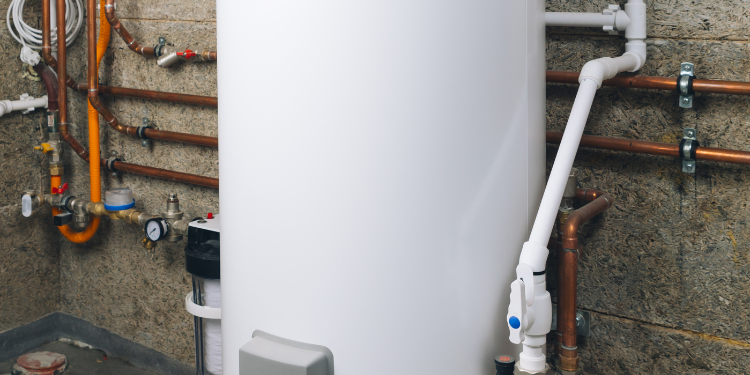
Even the best water heater will underperform if it is installed in the wrong place or without proper safety measures. The location affects not only how quickly hot water reaches your faucets, but also how efficiently the unit runs and how easy it is to service. Many Richardson homes have water heaters tucked into garages, attics, or tight closets. Each location brings its own installation challenges that must be handled correctly to protect both the equipment and the home.
For example, a water heater installed in the attic absolutely requires reliable drain pans, proper discharge piping, and careful leak prevention. A small leak in this location can turn into a major ceiling and wall repair if it goes unnoticed. That is one reason why leak specialists like Casto Leak Detection emphasize correct pan installation, drain line routing, and shutoff valve accessibility. A well-thought-out installation can significantly reduce the risk of hidden water damage.
Venting is another critical safety factor, especially for gas water heaters. Exhaust gases must be directed safely outside the home, and vent pipes must be sized and routed according to code. Improper venting can lead to backdrafting, where dangerous combustion gases, including carbon monoxide, flow back into the living space instead of outside. Ensuring adequate combustion air, tight vent connections, and correct slope and termination of venting components is not optional; it is essential for your family’s safety and long-term comfort.
Accessibility also matters more than many homeowners realize. If your water heater is crammed into a corner where valves, controls, or the burner are difficult to reach, future repairs and maintenance will be harder, slower, and more expensive. When planning an installation, ask your installer how easily they will be able to flush the tank, replace the anode rod, or access the gas valve and electrical connections. Thoughtful placement today can save you from headaches and extended downtime years down the road.
Plumbing, Leak Prevention, And Local Codes
A water heater is not just a stand-alone appliance; it is part of a larger plumbing system that must be designed to handle pressure, temperature changes, and long-term wear. Proper pipe sizing, material choice, and connection methods all play a role in both comfort and reliability. Undersized pipes can restrict flow and leave you with weak hot water pressure, while poorly made joints can become slow leaks that go unnoticed until they cause damage.
In Richardson, TX, building codes and local regulations influence how water heaters must be installed. Requirements for temperature and pressure relief valves (T&P valves), expansion tanks, seismic strapping, and drain lines are in place to protect both property and people. A quality installer will ensure that the T&P valve is correctly piped to a safe discharge location and that an expansion tank is installed when required to handle pressure changes in closed plumbing systems. Ignoring these details may not only violate code, but also shorten the life of your water heater.
Leak prevention deserves special attention. Over time, connections can loosen, tanks can corrode, and valves can fail. Incorporating features like high-quality shutoff valves, properly sloped drain pans, and correctly routed drain lines can significantly reduce the impact of a future leak. Companies like Casto Leak Detection, who specialize in finding and resolving hidden water issues, see firsthand how much damage a poorly planned installation can cause. Their perspective reinforces the value of doing the plumbing work right the first time.
For homeowners interested in extra protection, smart leak detectors and automatic shutoff valves can be integrated into the installation. These devices can alert you to unusual moisture or flow patterns and, in some cases, automatically shut off the water supply to prevent extensive damage. Combined with a properly installed system and periodic professional inspection, they can turn a potential disaster into a minor inconvenience, preserving both comfort and peace of mind.
Energy Efficiency, Comfort Settings, And Maintenance
Comfort is not just about having hot water; it is about having it reliably, affordably, and safely. Once your water heater is installed, your temperature settings and maintenance habits will determine how well it serves you. Many homeowners never adjust the factory temperature setting, even though small changes can significantly affect comfort, scalding risk, and energy use. In most cases, a setting around 120°F balances safety and comfort, but specific households may choose differently based on health concerns, appliance needs, or personal preference.
Energy efficiency features built into modern water heaters only work as intended if the installation supports them. Proper insulation on hot water pipes, correctly set thermostats, and in some cases, timers or recirculation systems can improve comfort while reducing waste. In larger Richardson homes, a hot water recirculation system can shorten the time it takes for hot water to reach distant bathrooms, reducing both water waste and those uncomfortable cold waits at the faucet.
Regular maintenance is just as important as a good initial installation. Flushing sediment from the tank, checking the anode rod, inspecting gas connections and venting, and verifying that safety valves operate correctly all help extend the life of the unit and keep it running at peak performance. Neglecting maintenance can lead to noisy operation, slow recovery times, higher energy bills, and an increased risk of leaks. A professional service visit every year or two is a small investment compared to the cost and hassle of premature replacement.
Homeowners in Richardson often deal with mineral-rich water that accelerates sediment buildup in tanks and scale formation in tankless units. A knowledgeable installer will discuss options like water softeners, scale reduction devices, or more frequent flushing schedules. Addressing water quality during installation planning can significantly improve comfort by keeping flow rates strong and heating efficiency high over the long term.
Working With Professionals You Trust
While some homeowners are tempted to treat water heater installation as a simple DIY project, the combination of gas, electricity, water pressure, and local codes makes professional involvement extremely important. A licensed installer familiar with Richardson’s housing stock and regulations can spot issues that might not be obvious, such as insufficient combustion air, outdated venting, or weak structural support under the unit. These details have direct consequences for comfort, safety, and long-term reliability.
Choosing the right professional also means choosing someone who will take the time to ask about your daily routines, future plans, and comfort preferences. A good installer is not just there to drop in a new tank; they are there to design a solution that fits your household. Companies like Casto Leak Detection bring an additional advantage: a deep understanding of how leaks and subtle installation flaws show up over time. That experience can guide smarter decisions about location, piping, and protective features that might not be obvious during a quick replacement job.
It is also wise to ask about warranties, both on the equipment and the workmanship. A strong manufacturer’s warranty is valuable, but only if the installation meets the manufacturer’s requirements. Many warranties can be voided by improper venting, missing expansion tanks, or incorrect electrical connections. A reputable installer will know these requirements and document the work accordingly, protecting your investment and ensuring that you can rely on the unit for years.
Finally, ongoing support matters. When you work with a local company that understands the climate, water conditions, and common plumbing layouts in Richardson, TX, you have a resource to call if your hot water performance changes or if you suspect a hidden leak. Whether you need help with a new installation, a suspected line break, or targeted Leak Detection, having a trusted partner means you are not facing those challenges alone.
Frequently Asked Questions
How do I know what size water heater I need? The right size depends on your household’s peak hot water demand, which is the maximum amount of hot water you use at one time. An installer will look at how many bathrooms you have, how many people live in your home, and which fixtures or appliances may run simultaneously. For tank heaters, this translates into a recommended gallon capacity; for tankless units, it becomes a required flow rate (gallons per minute) at a certain temperature rise. In Richardson, TX, professionals also consider local groundwater temperature and your home’s plumbing layout when sizing.
Is a tankless water heater always better than a traditional tank? Not always. Tankless heaters can provide endless hot water and are generally more efficient, but they have higher upfront costs and more complex installation requirements. Your gas line or electrical panel may need upgrades, and venting must be handled carefully. For smaller households or those with modest, predictable usage, a well-installed traditional tank may be more cost-effective and perfectly comfortable. The best choice depends on your budget, space, existing utilities, and long-term plans for the home.
How long should a properly installed water heater last? A typical tank-style water heater lasts around 8–12 years, while tankless units can often run 15–20 years or more with good maintenance. However, lifespan is strongly influenced by installation quality and water conditions. Proper venting, correct pressure control, use of expansion tanks when required, and regular flushing all help extend life. In areas like Richardson with harder water, additional maintenance or water treatment can be especially important to reach the upper end of those lifespan ranges.
What are signs my current water heater was installed poorly? Warning signs include inconsistent water temperature, excessive noise or banging, visible corrosion around fittings, water pooling in or near the drain pan, and unusually high energy bills. You may also notice long delays before hot water reaches certain fixtures, frequent pilot light outages on gas units, or discolored water. Any of these can indicate issues with sizing, venting, piping, or safety components. Having a professional evaluate the system can reveal whether the problems stem from the original installation or from age and wear.
Can I relocate my water heater to a different part of the house? In many cases, yes, but relocation is more complex than a straightforward replacement. Moving a water heater may require rerouting gas lines, water lines, vent pipes, and electrical connections, and it must all be done according to current building codes. Relocation can improve comfort by shortening hot water runs or freeing up interior space, but it must be carefully planned to avoid creating new leak risks or safety issues. A qualified installer familiar with Richardson’s typical home layouts can help you evaluate whether relocation is practical and worthwhile for your situation.